Portuguese
  Spanish


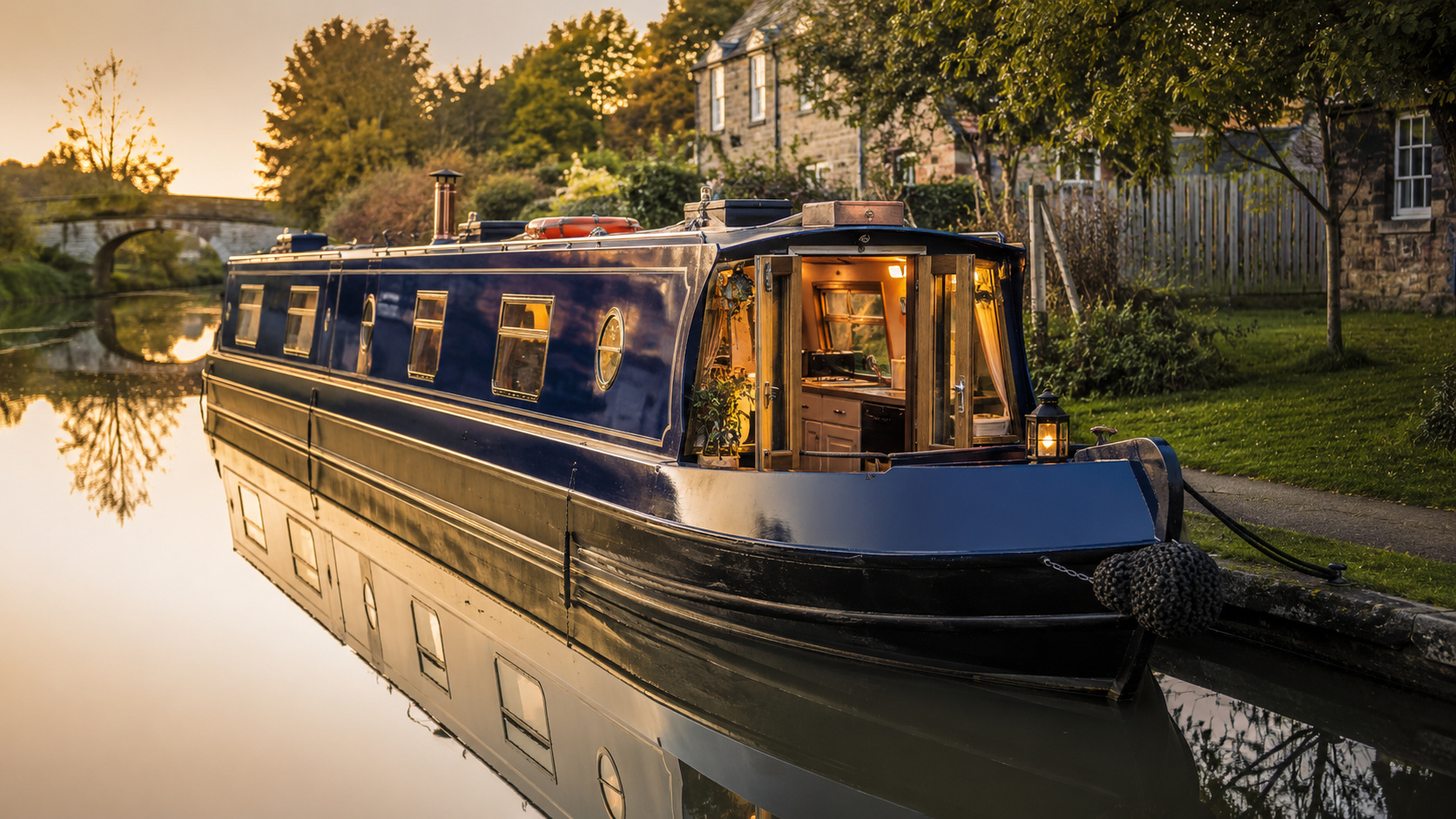

The boat restoration took eight months and reveals how rust, humidity, electrical, ventilation, and custom furniture define the floating house.
The narrow canal boat underwent eight months of renovation to leave behind rust, leaks, and an interior limited by the vessel’s own width. The result was a floating house where walls, windows, installations, and furniture needed to fit into a reduced space.
YouTube, the video platform that hosted the project record, features the video documenting the completion of the restoration and the transformation of the boat into a navigable home.
Living on a boat requires care that a fixed house does not face. The vessel vibrates, moves, remains in constant contact with water, and depends on maintenance to stay safe and comfortable.
-
Man with no naval experience builds 11-meter boat from trees on his property, complete with engine and tanks, and launches it into the sea

-
U.S. Approves First Floating LNG Terminal, Awards $2.9 Billion Contract to Samsung Heavy for Delfin FLNG 1 Construction

-
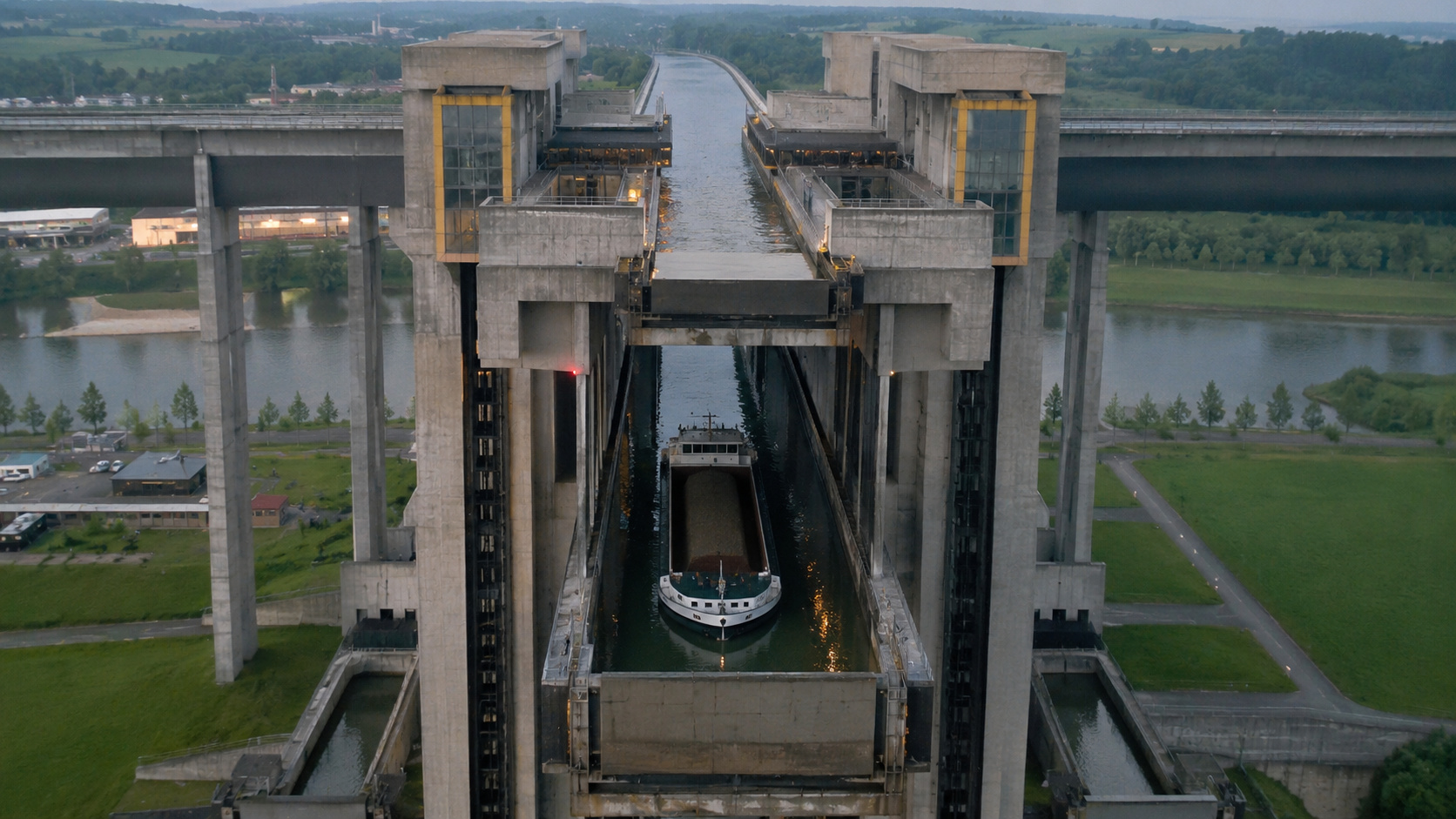
Belgium’s 110-meter ship lift raises vessels weighing up to 1,350 tons the height of a 20-story building without leaving the water.
-
Petrobras Secures $2.2 Billion Contract to Build and Operate Four Support Vessels for Brazil’s Offshore Oil Fields



Narrow canal boat was created to circulate through limited passages
This type of vessel is called a narrowboat, a term used to identify a narrow canal boat created to navigate British canals. The long shape helps in passage but reduces the available width for living.


The limitation appears at every stage of the boat renovation. A poorly planned wall, window, or piece of furniture can occupy an important area and hinder circulation inside the floating house.
Therefore, the interior does not follow the logic of a common apartment. Each part needs to fulfill a function without turning the corridor into a space too tight for daily use.
Rust and infiltration need to be resolved before finishing
Rust is the wear of metal and requires attention in a vessel that spends most of its time near water. Before thinking about decoration, the hull and affected areas need care.
Infiltration also changes the order of renovation. Water entering through windows, openings, or joints can affect walls, furniture, and internal installations.
A seal is the work that closes these points to prevent water passage. In a houseboat, this care is essential because small problems can grow with the use and movement of the boat.
Humidity, ventilation, and insulation define the comfort inside the boat
Humidity can make the internal space uncomfortable and increase the need for care. Ventilation helps renew the air and reduce the feeling of a closed environment.
Insulation is the layer used to reduce heat exchange between the interior and the outside. On a vessel, this feature helps make the environment more pleasant during the stay on board.
The boat renovation also needs to consider that the structure is not stationary. Vibration and movement are part of the routine, so walls, coverings, and installations need to keep up with this reality.
Custom furniture makes every centimeter have a function
The limited space forces you to think about the furniture even before installing finishes. Pieces that are too large can block passage and further reduce the usable area of the houseboat.
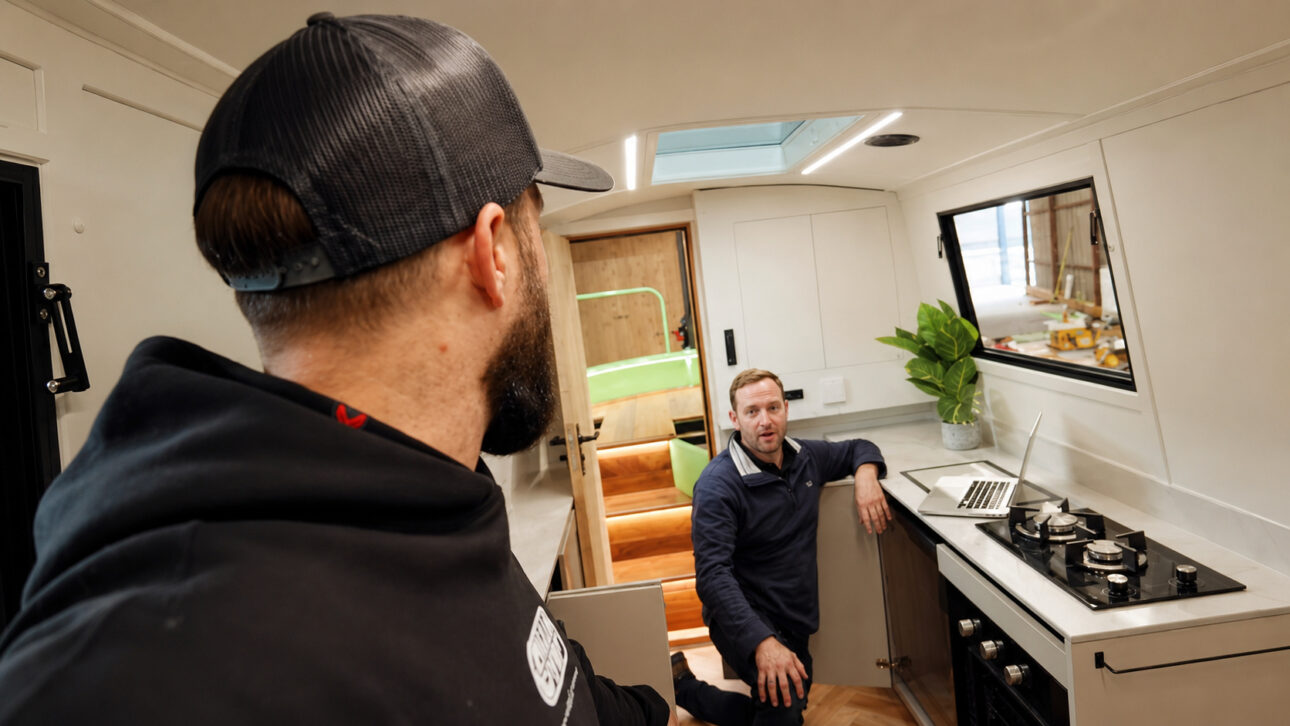
Custom furniture helps make use of narrow walls, curved areas, and spaces that would be left empty. The idea is to store objects, keep circulation free, and avoid clutter inside the boat.
Each choice needs to balance comfort and practicality. In a narrowboat, the furniture is not just for decoration; it needs to facilitate life in a compact environment.
Marine electrical system needs to keep up with vibration and movement
The marine electrical system is the set of wires and energy installations designed for vessels. It needs to function in a structure that vibrates, moves, and faces constant humidity.
YouTube, the video platform that showcased the complete work, shows that the energy installations were part of the necessary transformation to make the boat habitable after the eight months of renovation.
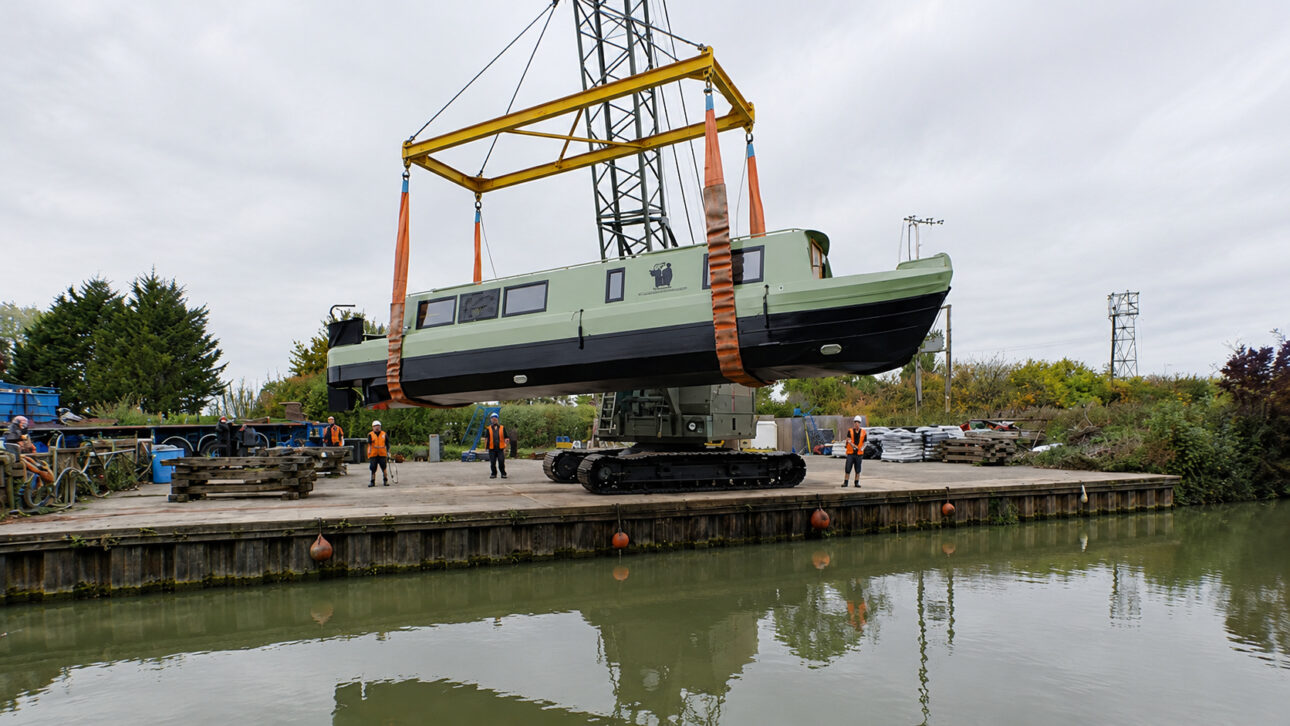
The stage requires care because energy, ventilation, and lighting are part of the routine for those living on board. A refurbished boat needs to remain functional even during movements and changes in position on the water.
Renovation ends, but maintenance of the floating house continues
The eight months of work solved part of the visible problems, but maintenance does not end when the renovation is over. Hull, sealing, ventilation, and installations need constant observation.
The routine also includes attention to navigation rules and the effects of water on the vessel. A rust spot or a small leak may require action before it affects a larger area.
The transformation shows that a floating house can make intelligent use of minimal space. At the same time, it requires willingness to care for the vessel continuously, far beyond the renovation stage.
Among lack of space, leakage, and constant maintenance, which challenge would make you give up living in a floating house? Leave your opinion in the comments and share with those who dream of living on the water.