Portuguese
  Spanish


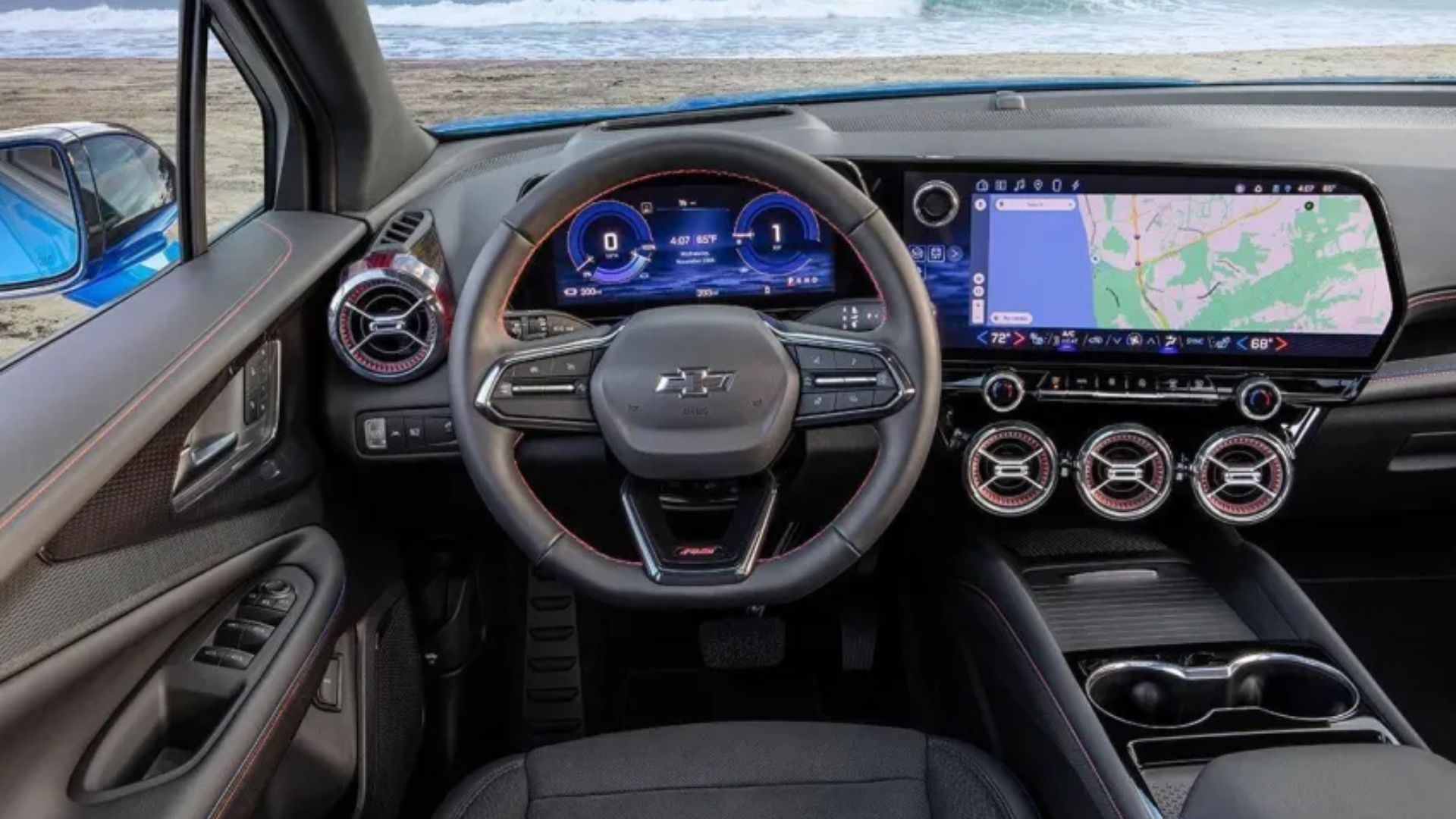


Chevrolet Blazer 2026 Receives Expanded Safety Package, New Turbo Engine and Black Roof Standard in RS Version.
The lineup receives a simplified range, with 2LT, 3LT and RS versions, while the 2.0 turbo engine replaces the V6 as standard in the sporty configuration.
The Chevrolet Blazer 2026 arrives on the market with targeted updates: the lineup now includes three versions (2LT, 3LT and RS), safety items have been expanded, and there have been changes in the engine offerings.
The model also adopts the black roof as standard in the RS configuration, a feature that was previously optional.
-
Banco do Brasil and Uber Launch Cashback Program Offering Up to 3.5 Loan Installments Back, Drivers Gain Access to New Cars Worth Up to $30,000 Through Move Brasil Initiative

-
Looking for a Car for Dirt Roads? Fiat Uno, Strada, and Volkswagen Gol Offer Durability and Affordability

-
MG Motor to Produce Two Electric Cars in Brazil with $75 Million Investment, Creating 600 Jobs
-
Nissan Kicks S Direct 2018: Affordable Used SUV with Over 13 km/l Fuel Efficiency, 432-Liter Trunk, and CVT Automatic Transmission


2026 Lineup Has Reduced Portfolio
The Premier version will no longer be produced.
The offering will now consist of the 2LT, 3LT, and RS versions, according to the manufacturer’s announcement.
This reduction follows a trend observed in the automotive industry, which seeks to simplify catalogs and concentrate on the most in-demand equipment.
Expanded Safety in Initial Versions
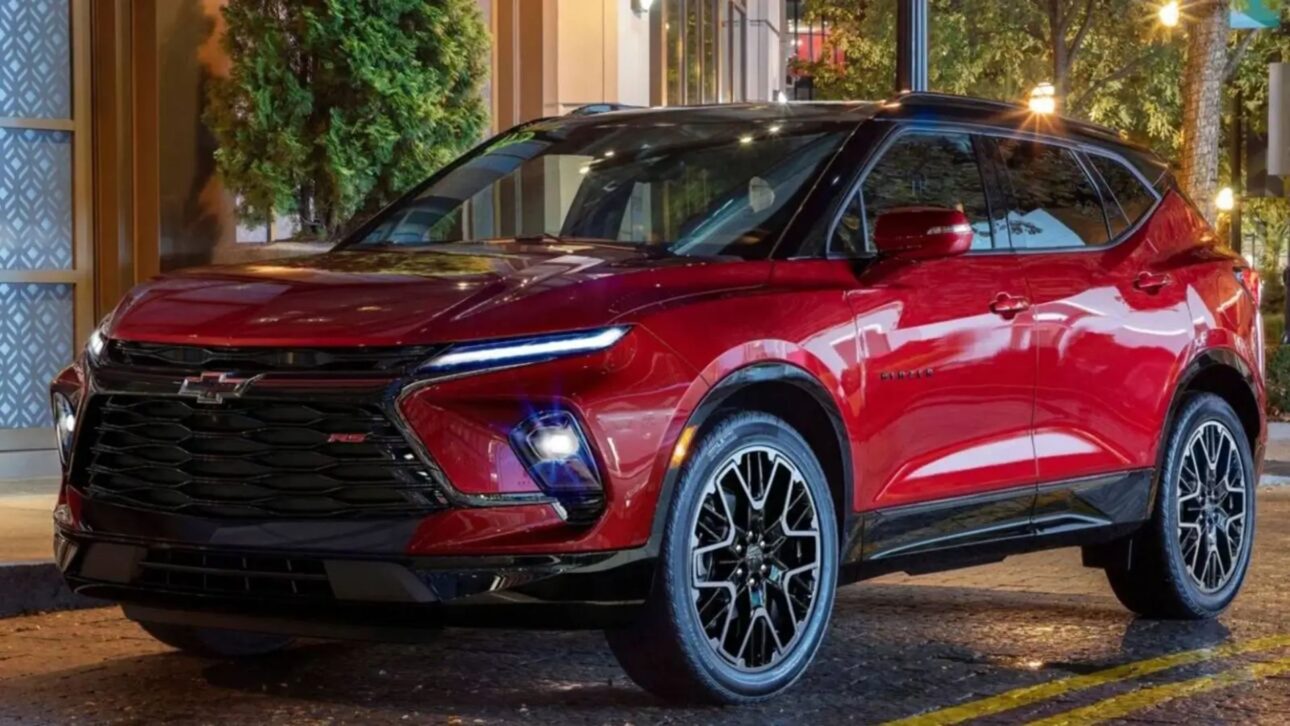
In the 2026 lineup, the 2LT now comes with the Driver Confidence Package as standard.
The package includes Rear Park Assist, Rear Cross Traffic Alert, and Lane Change Alert with Side Blind Zone Alert, which were previously offered as options for US$ 690.
The model also retains the Chevy Safety Assist systems, which include automatic emergency braking, forward collision alert, pedestrian detection, lane keep assist with lane departure warning, and automatic high beam.
According to GM, the goal is to raise the safety standard of the entry-level configuration.
RS Adopts 2.0 Turbo Engine and Keeps V6 as Optional
The Blazer RS 2026 now comes standard with the 2.0 turbo LSY engine, which produces 228 hp (approximately 231 ps) and 350 Nm of torque.
The V6 3.6 LGX, with 308 hp and 370 Nm, is no longer standard and will now be part of the optional list.
According to the manufacturer, the change aims to align the model with the current engine offerings from the brand and meet new energy efficiency targets.
The transmission remains a nine-speed automatic, with front-wheel drive in the basic versions and all-wheel drive (AWD) available depending on the configuration.
Black Roof Standard in RS
The black roof, which has been offered since 2022 as an optional item in the LT and RS versions, will now be standard equipment in the RS.
GM states that the color contrast enhances the visual differentiation of the sporty version.
The color palette has received adjustments, with new metallic shades, but without structural design changes.
Distribution of Equipment and Versions
With the end of the Premier, the 3LT takes on the role of the intermediate version, combining the 2.0 turbo engine with additional comfort and convenience items.
The RS maintains a focus on sporty style and may receive the V6 engine as optional.

The 2LT, in turn, now offers more factory safety equipment, according to the automaker’s statement.
Impact of Changes in the Automotive Market
Industry experts believe that the adoption of the 2.0 turbo in the RS follows the trend of mid-size SUVs that prioritize smaller displacement engines with turbocharging, in search of efficiency and lower emissions.
Meanwhile, keeping the V6 as an option is seen as an alternative for consumers who still prefer larger capacity naturally aspirated engines.
In the case of the 2LT, the inclusion of the safety package is likely to increase the model’s competitiveness against rivals that already offer advanced driving assistants in basic versions.
For consumers, the new range structure also facilitates comparison among configurations, according to automotive industry analysts.
Performance and Technical Data
The 2.0 turbo LSY engine retains 228 hp of power and 350 Nm of torque, paired with the nine-speed automatic transmission.
The drivetrain can be front-wheel drive or all-wheel drive, depending on the version.
The V6 3.6 LGX, with 308 hp and 370 Nm, remains available only in the RS as an option.
According to technical data from Chevrolet, there are no changes in dimensions, chassis or electrical architecture.
The model continues with independent suspension on all four wheels and offers configurable driving modes.
Equipment and Connectivity
The Blazer 2026 maintains features such as tire pressure monitoring, high-definition rearview camera, remote start system, configurable digital dashboard, wireless Apple CarPlay and Android Auto, as well as the OnStar connectivity system and the myChevrolet app.
The trunk and interior space remain unchanged compared to the previous model.
Market Scenario and Positioning
According to data from the consulting firm GlobalData, the simplification of catalogs has been a common practice among manufacturers, especially in mid-size SUVs.
The inclusion of more standard safety features also aligns with the evolution of vehicle safety standards and consumer expectations for more complete packages.
The Chevrolet Blazer remains positioned above the Equinox and below the Traverse within the brand’s lineup of sport utility vehicles in the United States.
In Brazil, the model is not officially sold, but serves as a reference for GM’s global strategy in the segment.
Strategy and Perspectives
According to product experts, the Blazer RS 2026 reflects GM’s strategy to provide turbo engines across a larger portion of its fleet, prioritizing efficiency and production standardization.
Offering the V6 as an option is viewed as a way to reach specific niches without compromising the cost of the main versions.
For consumers, the most noticeable change is the expansion of the safety package in the 2LT and the new engine configuration in the RS, factors that are expected to influence buying behavior in the markets where the model is sold.
Based on the updates, the 2026 lineup presents a more straightforward structure aligned with the brand’s efficiency guidelines.
The lingering question is whether the traditional Blazer audience will accept the new turbo setup as standard in the sporty versions.