






 Portuguese
  Spanish


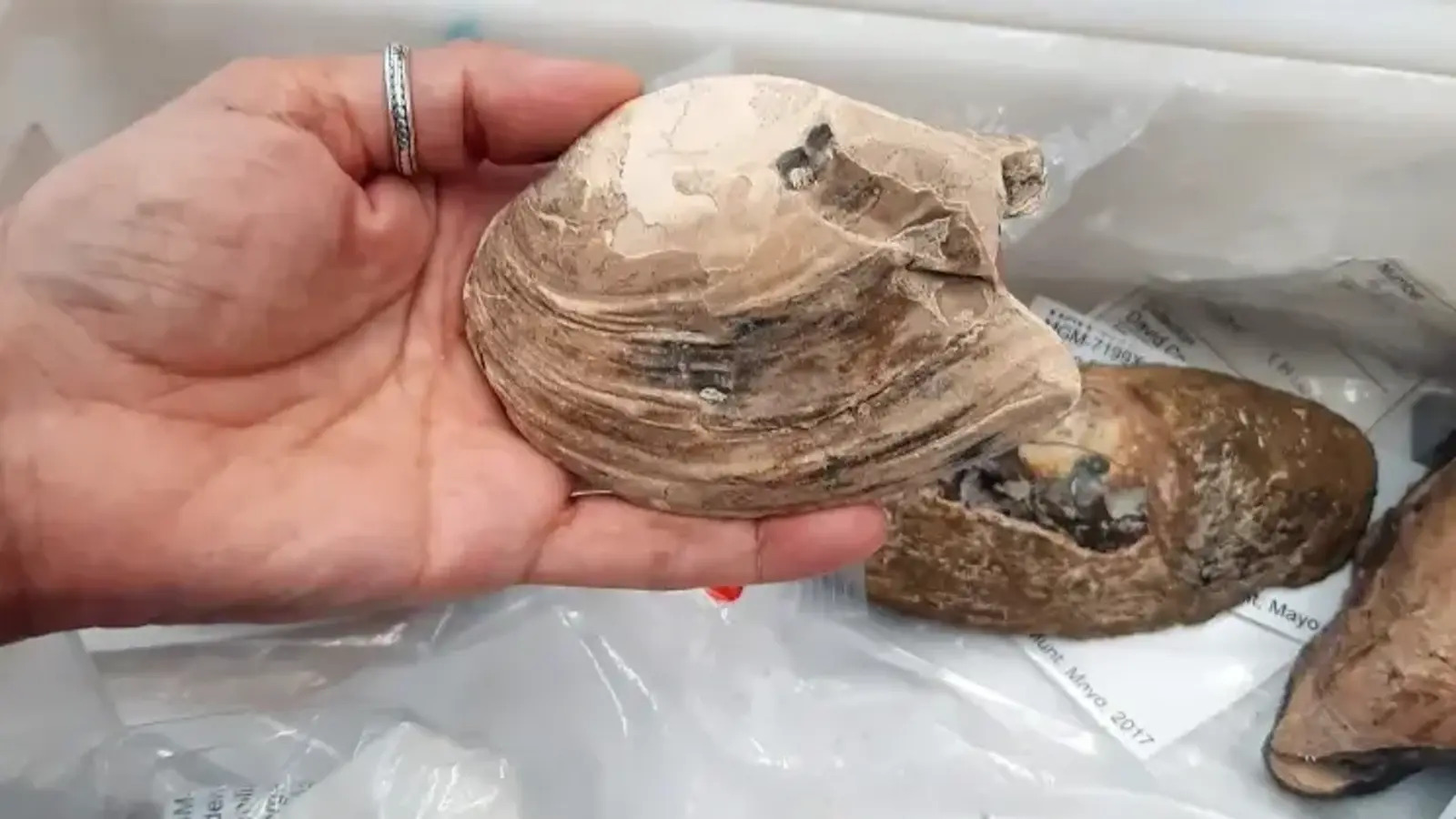

Discovery on the Isle of Wight preserved embryos, larvae, soft tissues, and reproductive structures, indicating that freshwater mollusks already protected their offspring at the beginning of the Cretaceous, during the age of dinosaurs
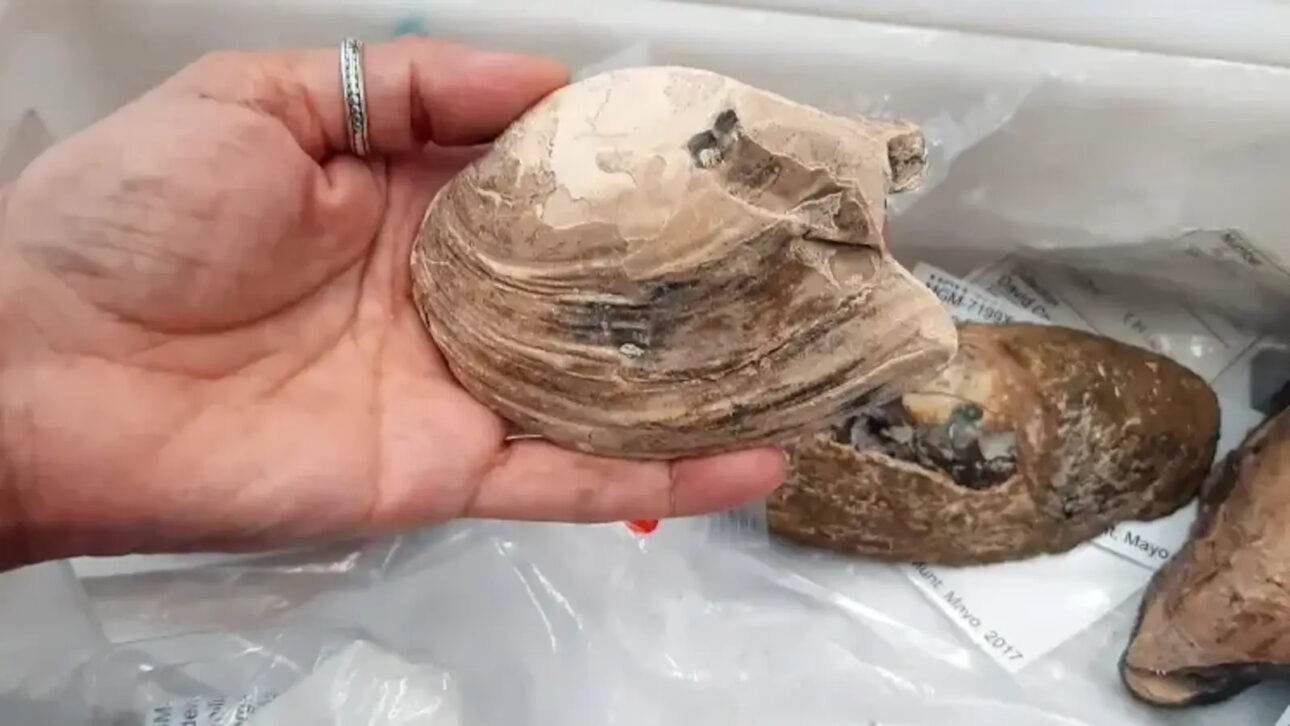
A mollusk fossil 125 million years old found on the Isle of Wight, England, revealed microscopic embryos and larvae preserved inside the animal. According to researchers, the discovery is the oldest known evidence of maternal care in mollusks and shows a reproductive strategy already present at the beginning of the Cretaceous.


Fossil preserved rare embryos, larvae, and soft tissues
The discovery was published in the journal Scientific Reports and announced by researchers from the Geological and Mining Institute of Spain, linked to CSIC, who led the international study.
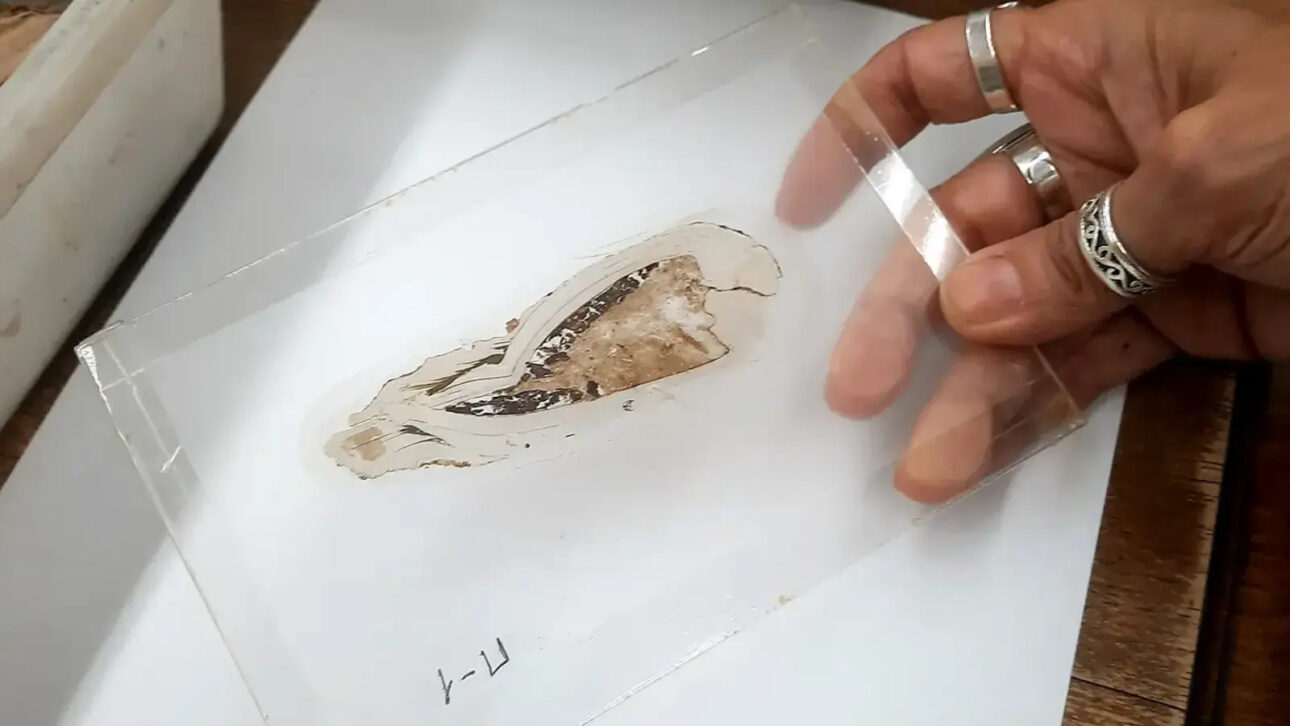
The analyzed material not only preserved the animal’s shell. Scientists identified fossilized soft tissues, reproductive structures, gill tissue, and developing offspring within the mollusk.
-
17-Year-Old Justin Bernstein Develops Bacteria to Produce Glass on Arctic Ice to Reflect Sunlight, Wins $50,000 U.S. Scholarship

-
The 19-Meter Rocket-Helicopter: A Private Industry Prototype That Challenged Space Race Logic

-
Brazilian Students Convert Seized Illegal TV Boxes into Linux-Powered Mini Computers for Schools and Social Projects Across São Paulo

-
Brazilian Engineer Develops Affordable Custom 3D-Printed Prosthetics for Children and Teens, Operated by Elbow or Wrist Movement Without Batteries





This aspect makes the finding unusual, because soft tissues usually decompose shortly after the animal’s death and rarely survive the fossilization process.
The fossil belonged to the species Margaritifera valdensis, an ancestral freshwater mollusk and a distant relative of modern freshwater mussels.
University of Portsmouth
Isle of Wight holds new record of life in the age of dinosaurs
The mollusk fossil was found on the Isle of Wight, an English region known for remains from the Cretaceous era. The location is also famous for revealing dinosaur fossils, such as the Iguanodon.
For researchers, the specimen functions as a rare fossilized “nursery.” It preserves different stages of development within the mollusk’s gills, including embryo-like cells and more developed larvae.
Dr. Martin C. Munt, a specialist in fossil mollusks and visiting professor at the University of Portsmouth, stated that this is the oldest known fossil evidence that these mollusks cared for and protected their developing offspring.
According to him, until now this reproductive strategy was only known in living species.
Reproductive strategy already existed at the beginning of the Cretaceous
Modern freshwater mussels have a complex reproductive cycle. Their offspring develop inside the mother’s gills before being released into the water, where they temporarily attach to fish as part of the life cycle.
According to researcher Dr. Aleksandra Skawina, the new fossils demonstrate that this reproductive strategy had already evolved at the beginning of the Cretaceous.
The team also found evidence of how the ancestral mollusk helped its descendants grow. Small mineral deposits preserved in the gills seem to have functioned as calcium reserves.
According to the researchers, these reserves could help the developing larvae form their shells, in a process similar to what is currently observed in freshwater mussels.
Credit: University of Portsmouth
Discovery of the mollusk helps explain material studied since the 19th century
The study may also clarify a mystery discussed for over a century. Researchers found evidence about the origin of “molluskite,” a dark material first described by British paleontologist Gideon Mantell in the 19th century.
According to geochemist Rafael P. Lozano, the analysis showed that this material is composed of fossilized soft tissues and reproductive structures preserved by minerals.
For scientists, the finding is not just a rare record of ancient reproduction. It also helps to understand how freshwater mollusks adapted to life in rivers and lakes millions of years ago.
Munt stated that for decades, scientists have searched for direct evidence of reproduction in ancient freshwater mussels. Therefore, the discovery is considered an important advancement in understanding the evolutionary history of these animals.
This article was prepared based on information from Scientific Reports and the Geological and Mining Institute of Spain, linked to the CSIC, with data, numbers, and statements preserved as per the consulted material.


