Portuguese
  Spanish


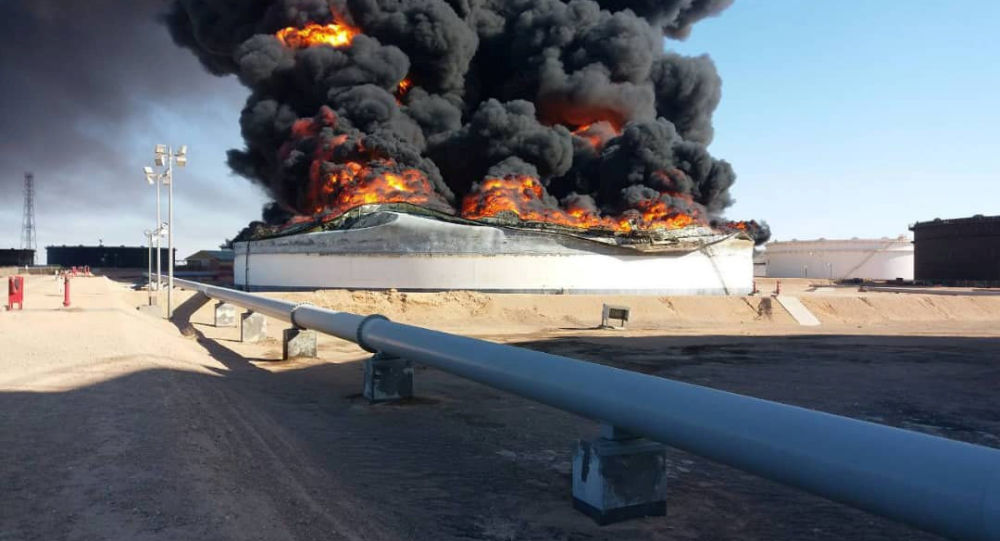

Due To Conflict, Libya’s Largest Oil Field Is Prevented From Exporting About 300,000 Barrels Per Day, Equivalent To One-Third Of The Country’s Production
Groups linked to Libyan Commander Khalifa Haftar are preventing oil from eastern Libya, originating from the El Sharara oil field, from reaching the Zawiya port for export, according to local authorities. This field produces more than 300,000 barrels of oil per day, which accounts for one-third of all oil produced in the country. See also:
- Technicians, Engineers, Operators And More Being Recruited By TSA Engineering
- Offshore And Onshore Vacancies For RJ And SP At The Supplier Of Products For The Oil And Gas Industry Tenaris
- Odebrecht Group Company Announces Job Openings In The Production And Maintenance Area
- Stefanini Opens Job Vacancies In The Technology And Innovation Area For Rio De Janeiro And São Paulo
The Zawiya port is one of the main ports in the country, shipping oil to various locations around the world. Libya has the largest oil reserves in Africa; however, since 2011, the country has suffered from conflicts and violence since the overthrow of the ruler Muammar Gaddafi, affecting the export of the commodity.
-
Brazilian Actress Turns Waxing Clinic into 400-Unit Chain with $50 Million Revenue, Sells Stake After 13 Years

-
Major Company Shuts Down 70-Year-Old Factory in Brazil, Relocating Production and Impacting Over 100 Families
-
Toyota Shuts Down Brazilian Plant After Producing Over 1 Million Vehicles, Plans Special Destination for Final Corolla Produced Following $2.1 Billion Investment and Expansion.
-
Shoe Factories Close, Leaving 528 Workers Jobless in Sudden Turn of Events Affecting Hundreds of Families After Decades of Operation.


One of the results of the blockade is the change in the trend of international oil prices, which closed slightly higher. The blockade is compounded by attacks from Haftar’s forces against some cities in southern Tripoli, according to GNA operation spokesperson Abdul-Malik Al-Madani to defend the capital.
To try to understand the situation, since the overthrow of the late ruler Muammar Gaddafi in 2011, two centers of power have emerged in Libya: one in the east of the country, led by Commander Khalifa Haftar, primarily supported by Egypt and the United Arab Emirates, and another in Tripoli, the Government of National Accord (GNA), recognized by the UN.
The United Arab Emirates and Egypt, supporters of Haftar, have been criticized by the Libyan government for fueling the conflict.