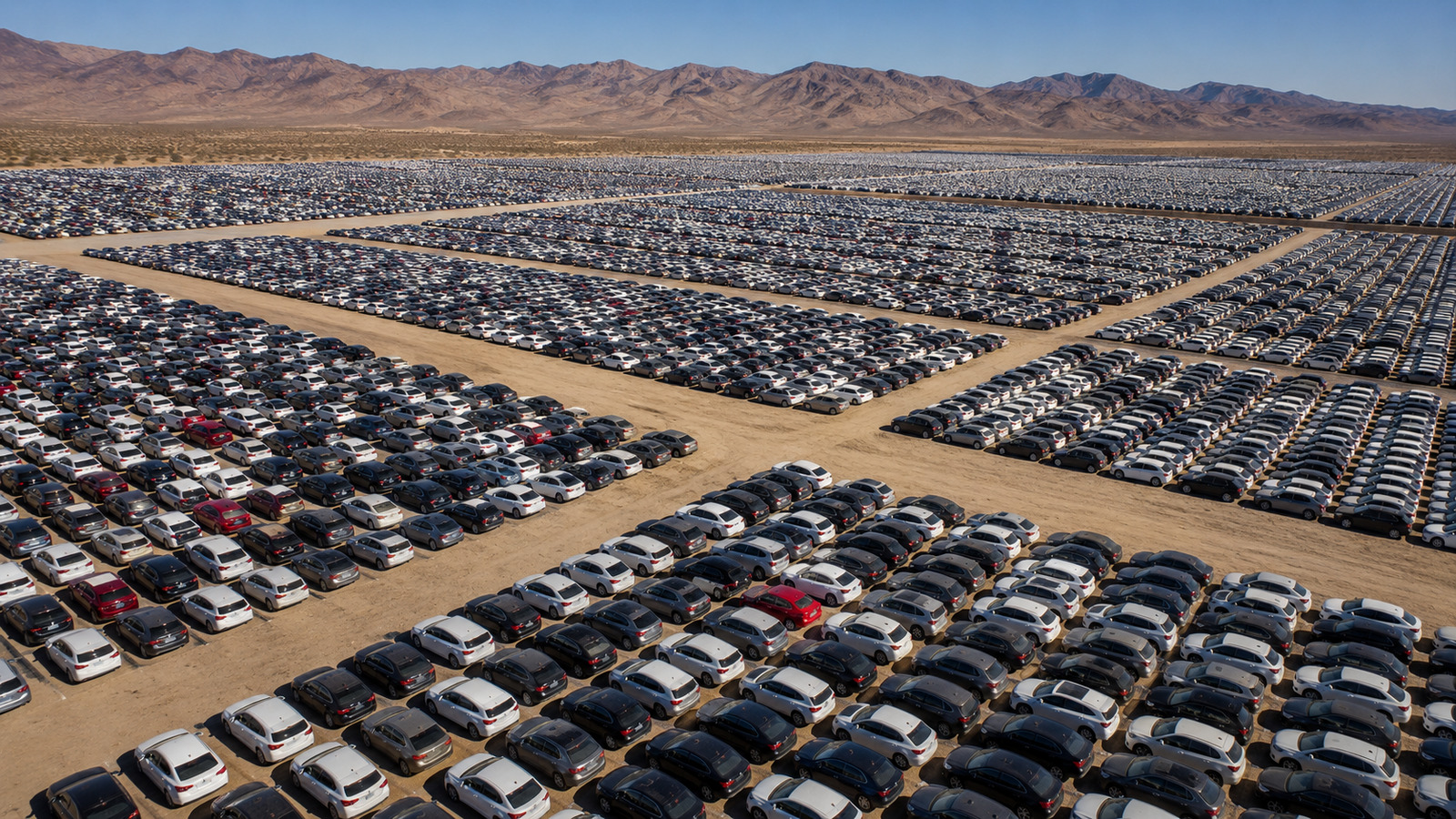

In the Mojave Desert, vehicles repurchased after Dieselgate were preserved in a dry climate while Volkswagen awaited authorization for repairs, resale, dismantling, or recycling
About 350,000 Volkswagen and Audi cars were taken to the Mojave Desert in the United States after the emissions scandal known as Dieselgate. The site, nicknamed the Dieselgate cemetery, gathered vehicles repurchased since 2015 and kept in a dry area to prevent rust and corrosion.


Why the cars ended up in the desert
The vehicles were stored after the Volkswagen Group received a notice of violation from the United States Environmental Protection Agency.
The agency found that the models emitted 40 times more NOx, composed of nitric oxide and nitrogen dioxide, than allowed.
-
Nissan Kicks S Direct 2018: Affordable Used SUV with Over 13 km/l Fuel Efficiency, 432-Liter Trunk, and CVT Automatic Transmission

-
Iconic Orange Double-Decker Bus, a Dutch Fan Favorite for Over 20 Years, Arrives in Texas for the World Cup After Touring Brazil, England, Qatar, and More
-
$100 Million Hypercar Collection, Including Ferrari LaFerrari and McLaren Speedtail, Found Abandoned at Los Angeles Airport
-
Hyundai ix35 2019: A Forgotten SUV with 2.0 Engine and 650 km Range Costs Less Than a New Kwid in Brazil


In response to the scandal, the company initiated a broad buyback program. About $7.4 billion was spent to repurchase vehicles from American owners affected by the case.
The scale of the Dieselgate cemetery
In the United States, approximately 37 storage facilities were used to store the repurchased cars.
Among them, the parking lot in the Mojave Desert became the most well-known, mainly due to the volume of vehicles and the images that circulated online.
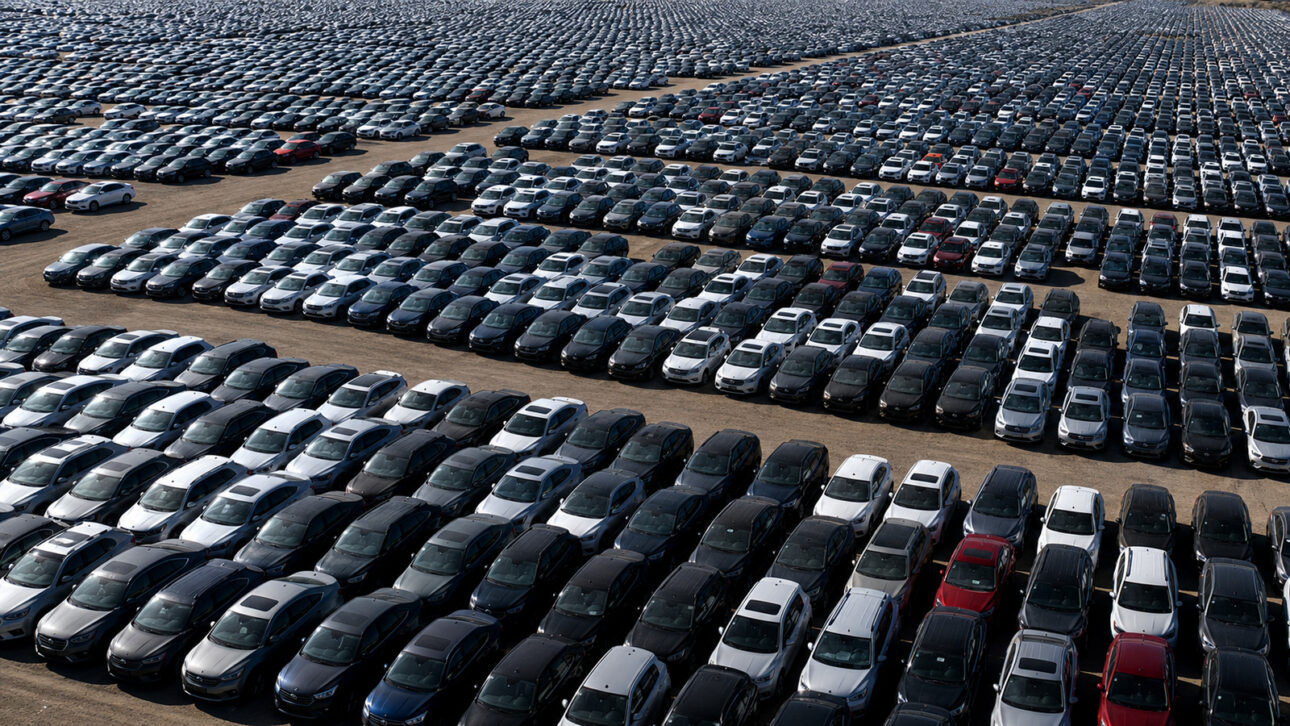
Despite many comments suggesting that the cars were left to rot, the material indicates a different situation. The dry climate of the Mojave helps preserve the vehicles, reducing the risks of rust and corrosion.
What happened to the stored vehicles
Volkswagen performed regular maintenance on the cars kept on site. The idea was to preserve the vehicles until regulators authorized software and hardware fixes capable of meeting the requirements.
As this process advanced, thousands of units were repaired and resold. Other vehicles, however, ended up being dismantled and recycled when repairs were deemed economically unviable.
Future of the Mojave Lot
The Dieselgate graveyard gradually emptied over the years. Even so, the site remains a physical symbol of the impact of the scandal on Volkswagen, its customers, and the buyback operation in the United States.
Understand Better What Happened
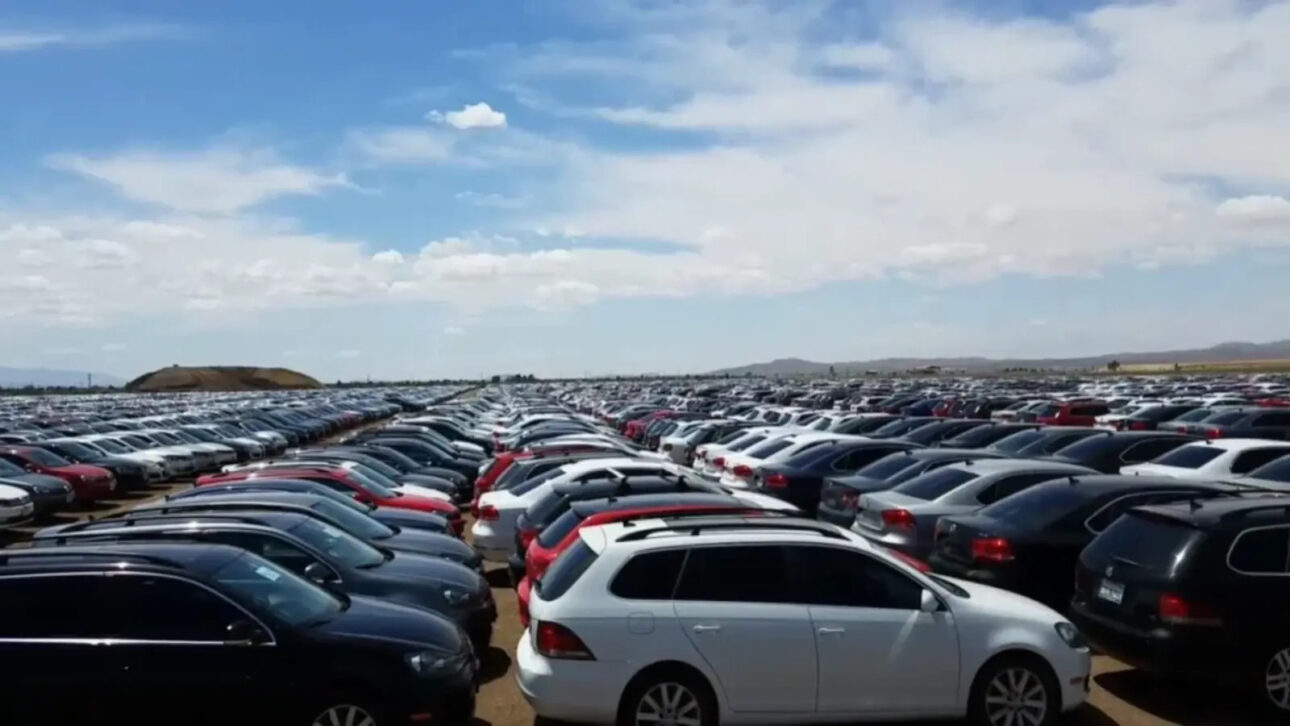
Volkswagen and Audi cars were taken to large storage areas in the United States after the Dieselgate scandal forced the automaker to buy back diesel vehicles sold in the country.
Reuters reported, based on a court document, that Volkswagen had paid more than $7.4 billion to buy back about 350,000 vehicles by mid-February 2018.
Part of these cars was sent to facilities like the desert lot near Victorville, California.
The central reason was environmental violations. The United States Environmental Protection Agency, the EPA, states that the settlements resolved allegations that Volkswagen sold about 590,000 diesel vehicles from model years 2009 to 2016 equipped with “defeat devices,” software capable of cheating federal emissions tests. The main pollutant in excess was NOx, associated with health risks.
The cars were not sent to the desert for simple abandonment. Reuters pointed out that there were 37 storage facilities in the U.S. and that the vehicles would be stored until they were modified, resold, exported, or, when necessary, destroyed.
In 2020, the FTC reported that Volkswagen and Porsche had returned more than $9.5 billion to consumers related to the “clean diesel” case.
This article was prepared based on information from the provided source material, with data, numbers, and statements preserved as per the consulted material.