Portuguese
  Spanish


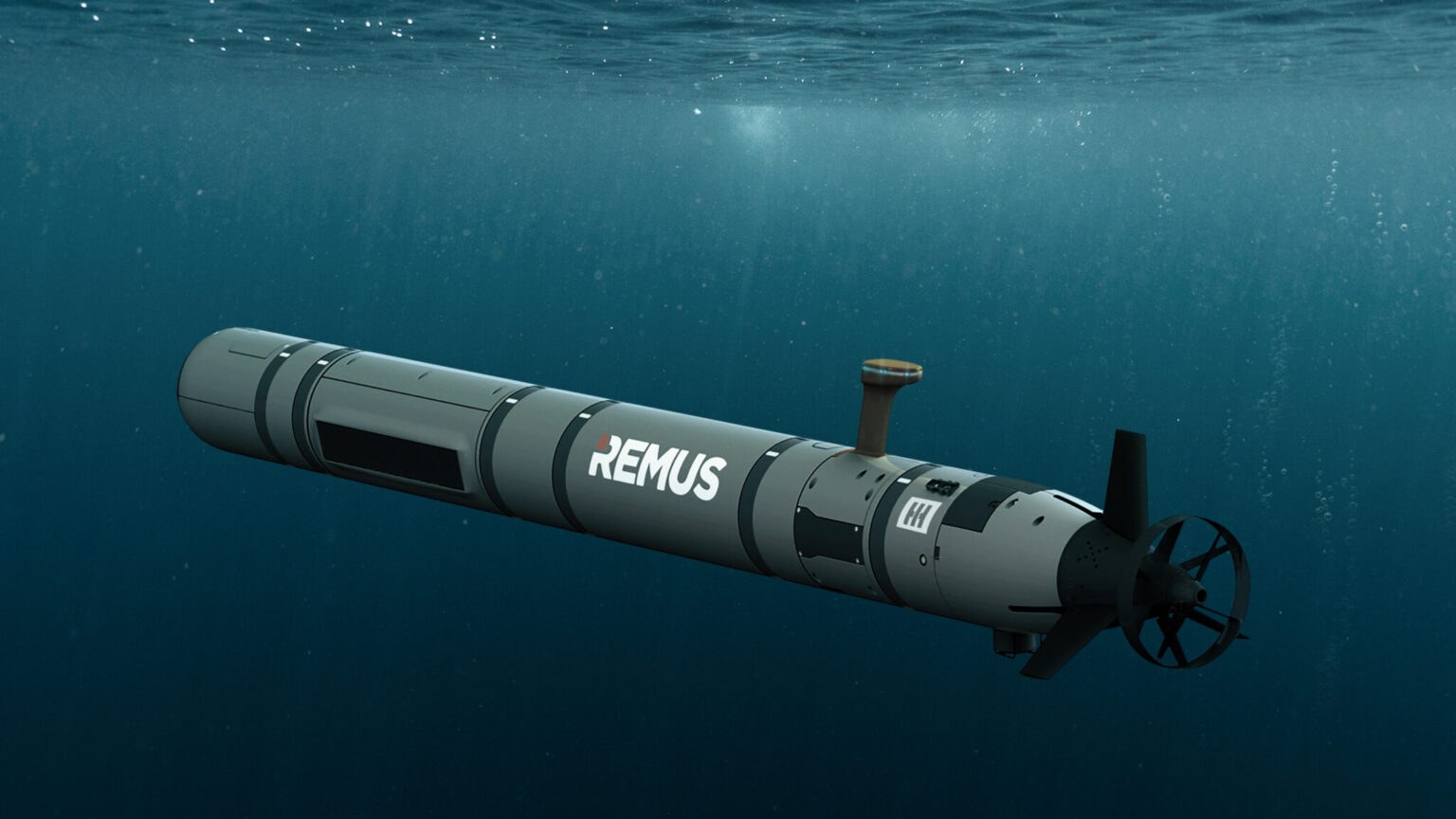
Fishermen and the Indonesian Navy pulled a strange torpedo-shaped object from the sea floor, filled with sensors, and discovered it was a foreign-origin underwater spy drone: the find opened a curious legal dispute that the world still doesn’t know how to resolve, because no one has decided if such a machine counts as a warship or just equipment.
The ocean has become, in recent years, a silent board of espionage. Scattered across the sea floor, unmanned underwater drones spend months mapping the terrain, listening to submarine noise, and recording the movement of entire fleets, all without anyone on board. Occasionally, one appears where it shouldn’t, and that’s exactly what happened in the waters of Indonesia.
The device retrieved had the markings of a high-tech research and surveillance vehicle, the type used by major naval powers. The problem wasn’t finding the machine, but deciding what to do with it, because international law simply did not foresee this scenario.
A legal vacuum at the bottom of the sea
The question seems technical, but it has enormous consequences. Under the United Nations Convention on the Law of the Sea, a foreign warship has certain rights and immunities, even in foreign waters. But what about an underwater drone, which has no crew, flies no visible flag, and acts alone? Is it treated as a ship, with the same protections, or as a mere object that the country can retain and examine freely?
-
UK, Italy, and Japan Collaborate to Build Stealth Fighter Jet Set to Dominate Skies by 2035

-
South Korea Surpasses Germany, Its Former Submarine Mentor, by Advancing to Nuclear Submarines
-
Australia, UK, and US Seal Combat Submarine Drone Pact to Accelerate Attack Fleet
-
Europe Orders Israel’s Light Cannon Capable of Downing Drones from Five Kilometers at Minimal Cost Per Shot

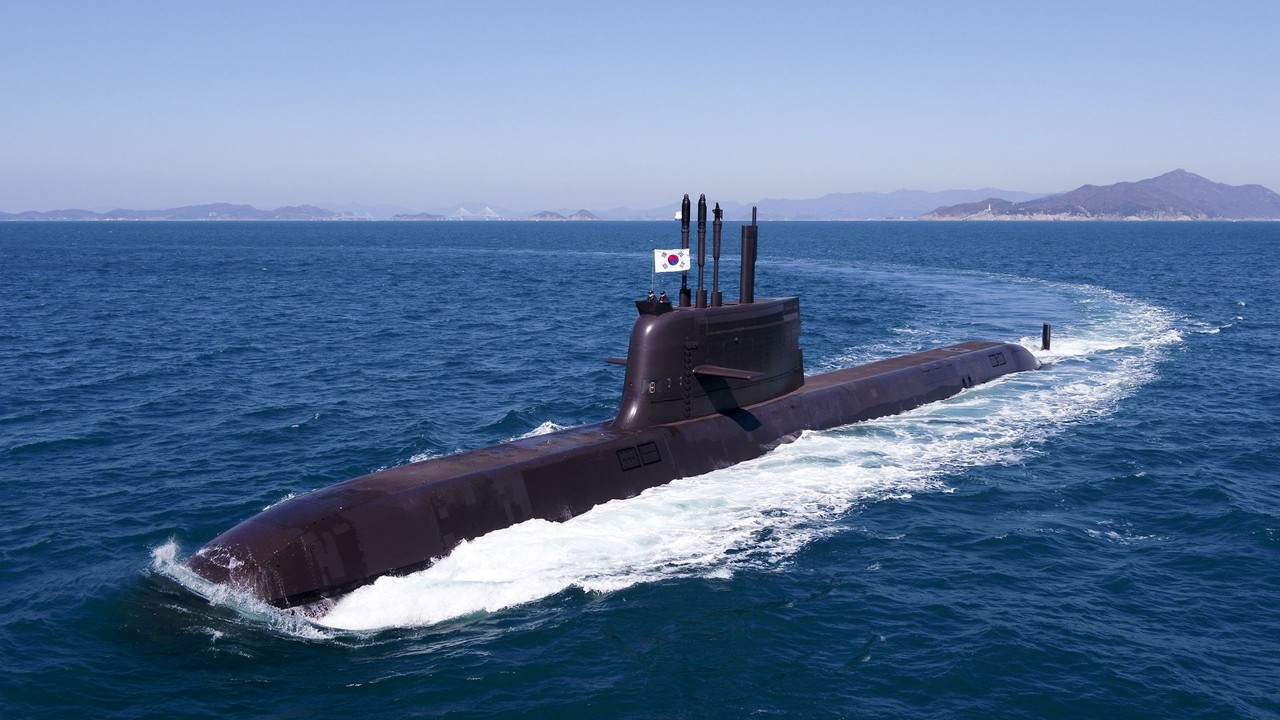


The answer changes everything. If considered a ship, returning it may be a diplomatic obligation; if considered equipment, the country that found it can dismantle it, study its technology, and expose who sent it. This legal limbo is deliberately exploited by those who manufacture the drones, because the ambiguity provides room for maneuver.
It’s one of those cases where technology has outpaced the law.
What a submarine spy drone is used for
These unmanned vehicles are eyes and ears in the most difficult environment to monitor on the planet. Underwater, radar doesn’t work and communication is poor, making the ocean a perfect hideout. A drone can stay stationary on the seabed for weeks, powered by batteries, recording the characteristic sound of each passing submarine, information too valuable in times of naval tension.
Indonesia occupies a strategic and sensitive position: the archipelago lies over maritime routes through which much of the world’s trade passes and where the interests of various powers intersect. It’s no coincidence that foreign drones frequently appear in its waters, turning the country into a hot spot for this new submarine espionage.
Finding one of these devices is both an intelligence trophy and a diplomatic hot potato. Studying the machine reveals the adversary’s technology, but openly accusing who sent it can sour important relations. That’s why many of these episodes are handled quietly.
Machines that cross oceans alone
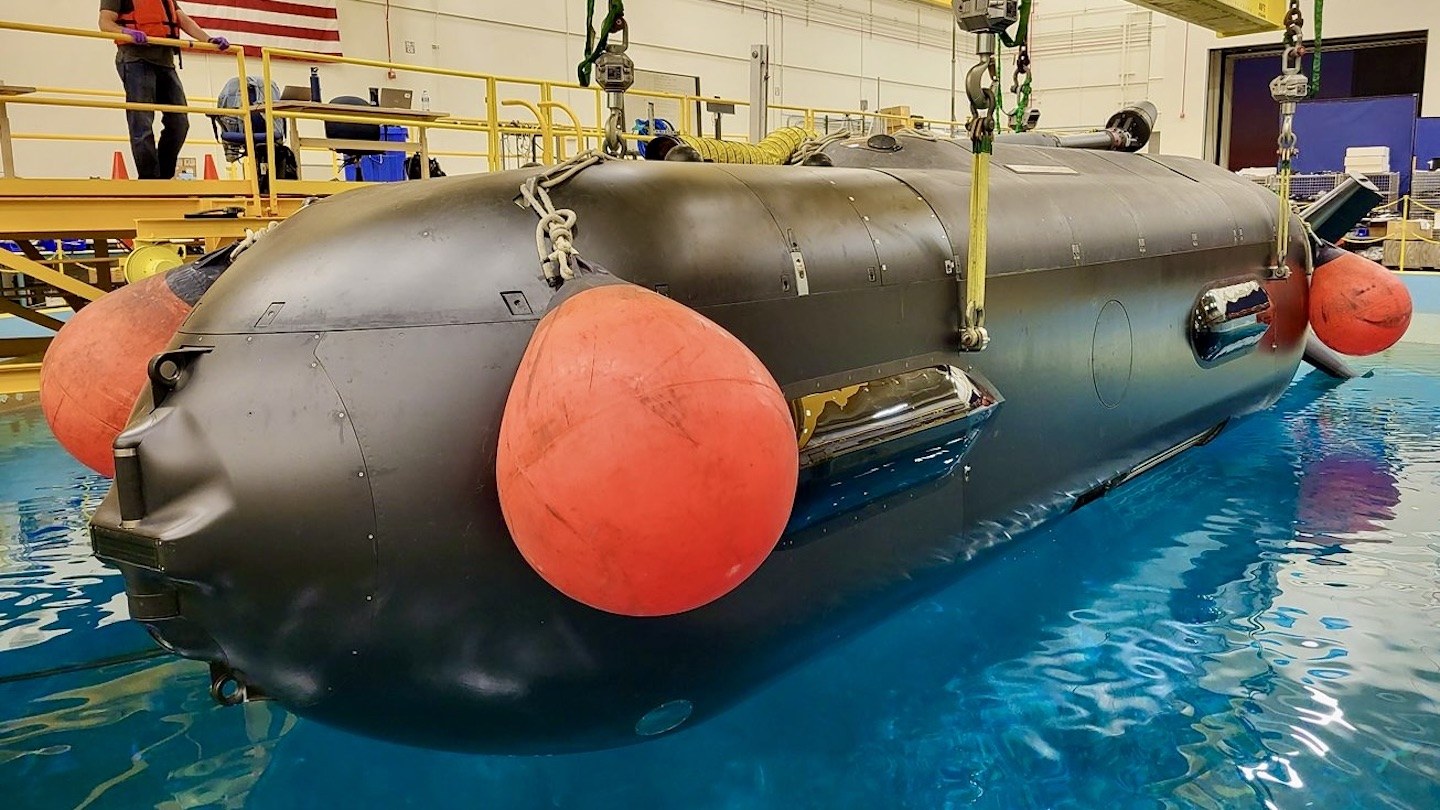
The technology of these devices has evolved very quickly. There are underwater drones of all sizes, from small torpedoes to bus-sized machines like the American Orca, capable of navigating thousands of kilometers on their own. They move silently, dive deep, and surface only to transmit what they’ve collected, all guided by artificial intelligence trained to recognize targets.
What makes these robots so attractive is the cost and risk. A manned submarine costs billions and takes over a decade to build, besides putting dozens of lives at risk. An underwater drone, on the other hand, costs a fraction of the price, can be mass-produced, and if lost or captured, no crew is in danger. This math explains why so many navies are rushing to fill the oceans with them.
The invisible war of the depths
The Indonesian case is the visible tip of a much larger dispute. Major navies are racing to fill the oceans with autonomous machines, and the sea floor has become a military frontier as important as space. Whoever sees the depths better, maps the terrain, and listens to the enemy gains a huge advantage in a potential naval war.
There are also the undersea cables, which carry almost all of the world’s internet and run along the ocean floor. Protecting them, or spying on them, has become a priority, and underwater drones are the ideal tool to patrol these invisible arteries without attracting attention. What Indonesia found is, at its core, a piece of this cat-and-mouse game.
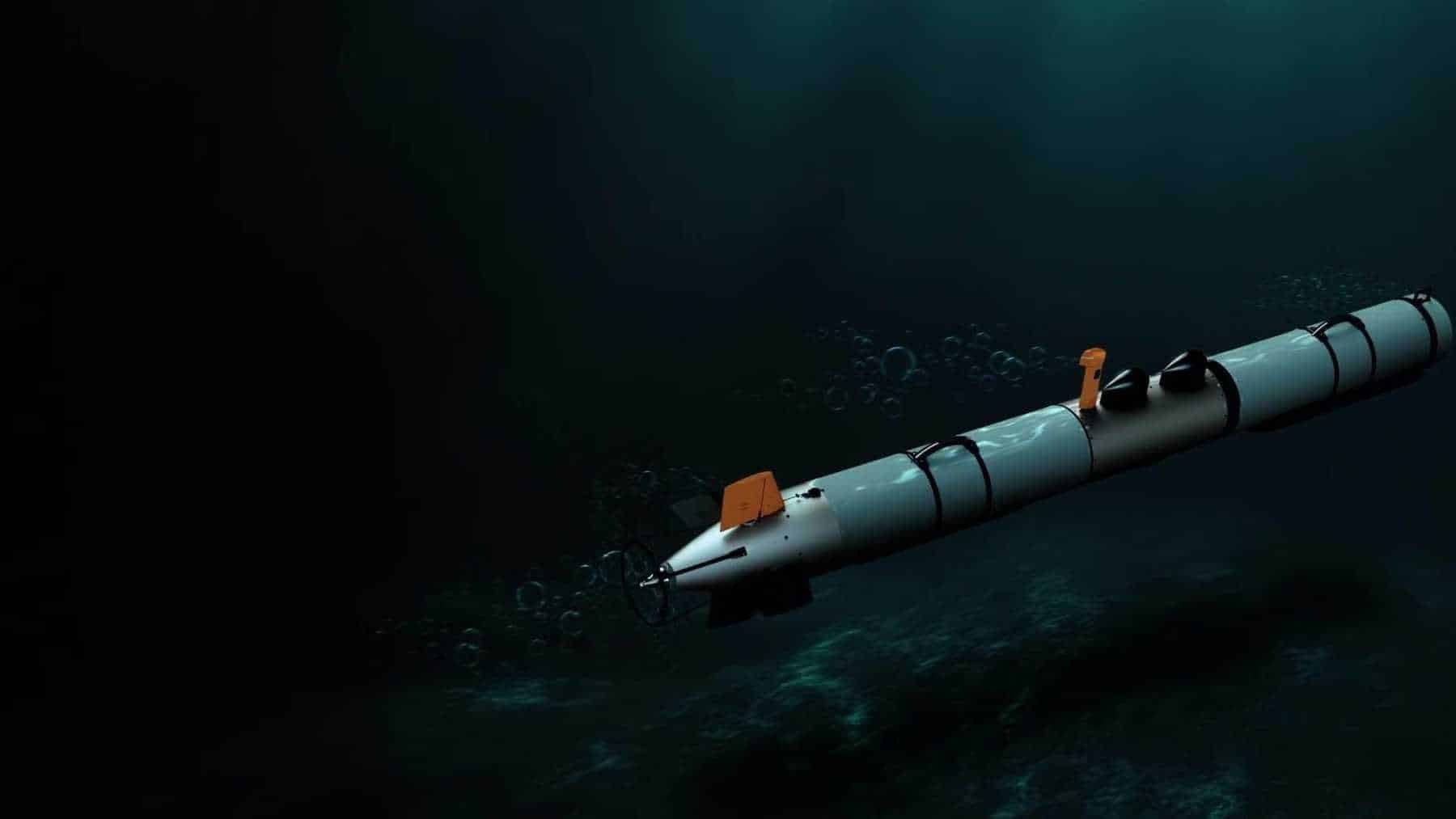
For Brazil, which has one of the largest coastlines in the world and oil reserves on the sea floor, the topic is not distant. Monitoring its own waters, from the pre-salt fields to the undersea cables that connect the country, increasingly depends on seeing what happens in the depths, and foreign spy drones may roam strategic areas unnoticed.
As international law remains outdated, episodes like this will repeat, each opening a new precedent on what a country can or cannot do when catching a spy robot in its waters. The trend is that ambiguity will only increase as the oceans become more filled with machines and more devoid of clear rules.
The Indonesian find, therefore, is worth less for the device itself and more for the question it left floating: when the war is waged by unmanned machines, who is responsible for them?
Should a drone that spies alone at the bottom of the sea have the same rights as a warship?