Portuguese
  Spanish


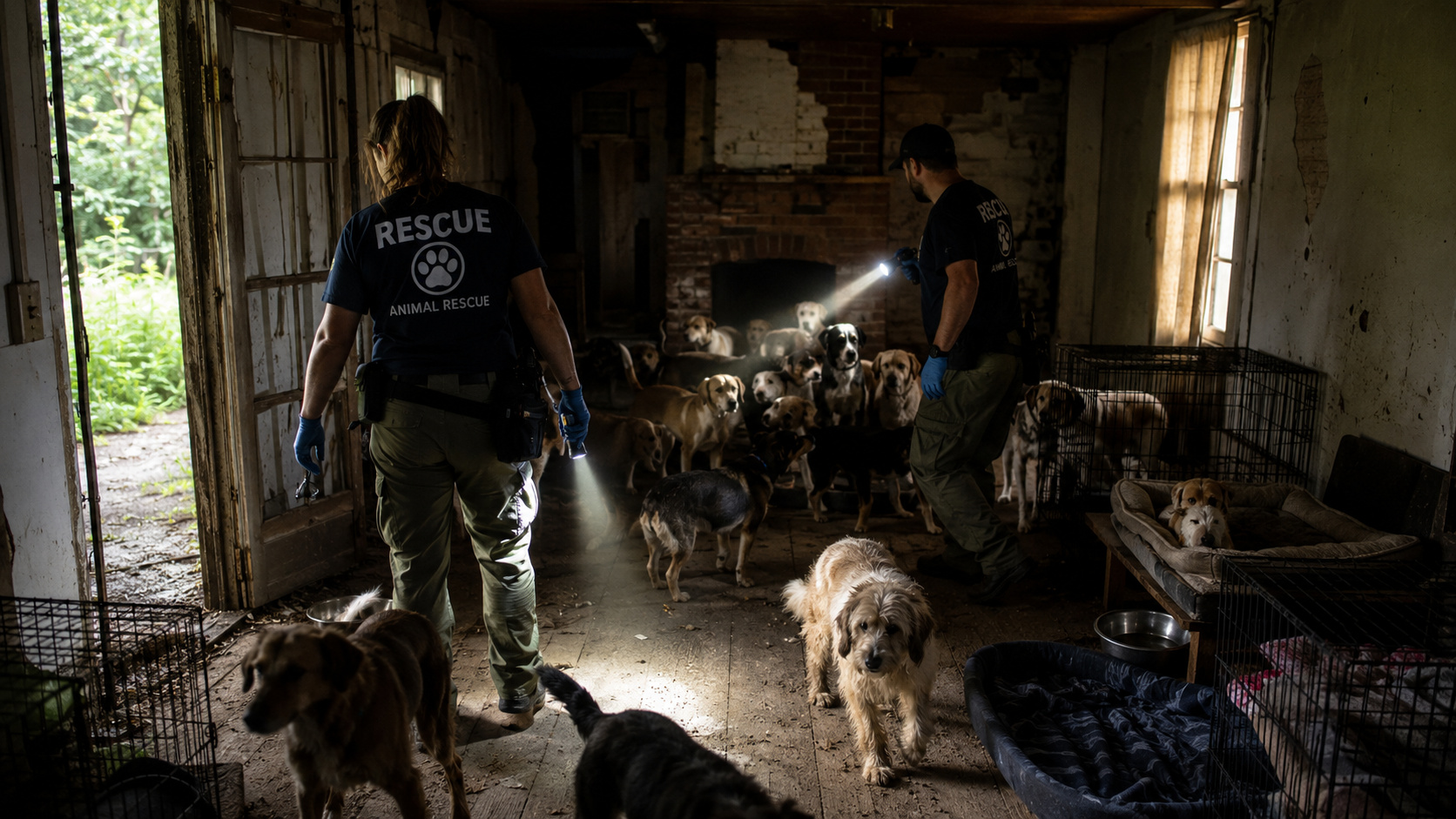

Animals were found living in unsanitary conditions in a property without basic structure and underwent medical evaluation, vaccination, and care before moving to temporary homes
An abandoned house in the United States became the scene of one of the most significant animal rescues in recent months. In the location, without electricity and filled with accumulated trash, specialized teams found 47 dogs living in unsanitary conditions, without adequate food, hydration, or well-being structure. The episode reinforces the importance of animal protection work in the face of mass abandonment situations.
The emergency call mobilized specialized rescue teams, who had to use flashlights to see the dark rooms of the property. According to the American portal The Dodo, the original source of the information, the professionals located adult dogs and puppies distributed in different corners of the house, many of them scared and weakened after a long period of abandonment.
The information was released by The Dodo, an American outlet specializing in stories about animals and animal protection.
-
Siblings Discover 1939 Superman Comic in Late Mother’s Attic, Sets Record at $9.12 Million Auction

-
12-Year-Old Discovers 80-Million-Year-Old Marine Tylosaurus Fossil During Kansas Field Trip
-
At 24, Beatriz Becomes First Woman from Mato Grosso to Work on Live Power Lines with Energisa, Starting as a Meter Reader in 2022
-
Metal Detectorist Uncovers Up to 15,000 Roman Coins in Wales, Potentially the Largest Find of Its Kind in the Country


The importance of flashlights and careful handling during the rescue
According to rescue reports, flashlights were crucial for rescuers to identify dark rooms, hidden corners, and areas where the dogs took refuge, frightened by the presence of people. In such situations, adequate visibility is crucial to avoid escapes, falls, or injuries during the removal of the animals.
In addition to lighting, the use of personal protective equipment and the support of services specialized in animal protection were essential to ensure the safety of both the professionals and the dogs themselves. According to the teams involved, each animal needed to be approached calmly, as the unsanitary environment posed sanitary and emotional risks to the rescued dogs.
In this sense, animal rescue specialists often emphasize that sudden movements during such operations can intensify the animals’ fear, making safe removal difficult and increasing the stress of dogs who have already been living in extreme vulnerability for a long time.
Medical care, gradual recovery, and the path to responsible adoption
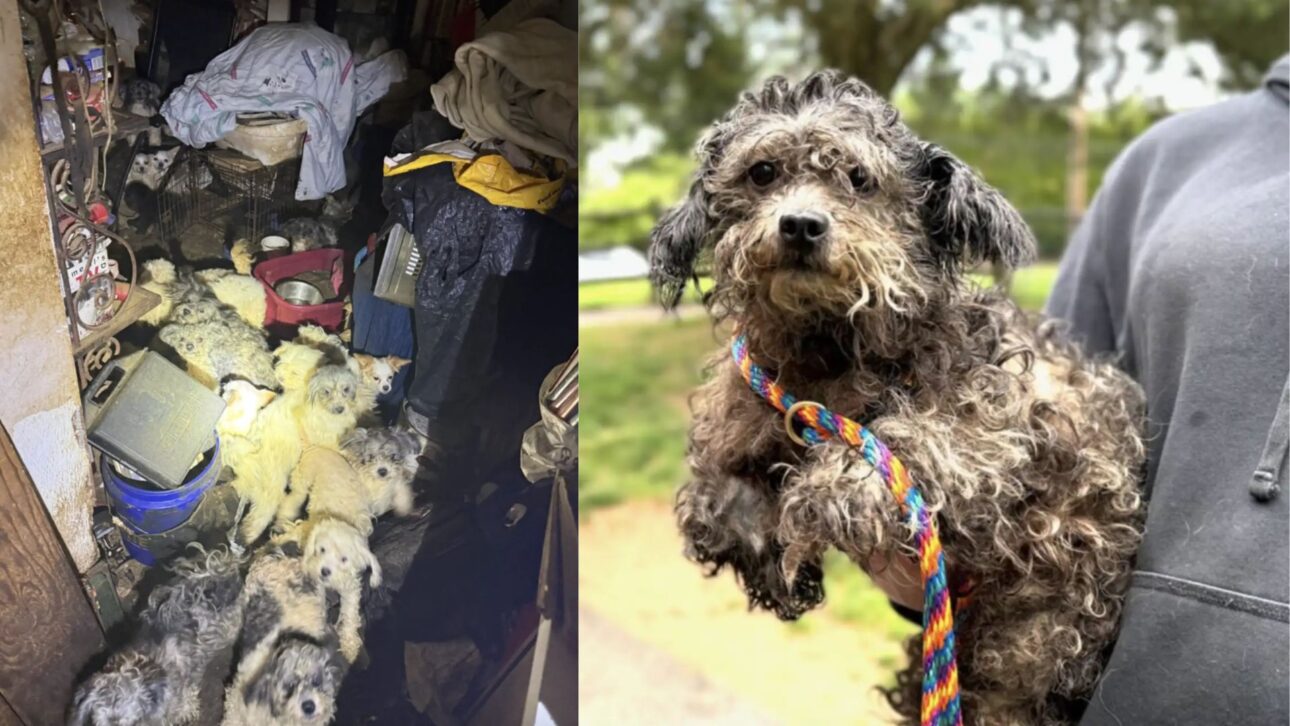
After being removed from the abandoned house, the 47 dogs were taken to the West Chester campus, maintained by the Brandywine Valley SPCA — the animal protection organization responsible for continuing their care. There, the animals underwent complete medical evaluations, received vaccinations, were neutered, and underwent basic hygiene procedures such as bathing and grooming.
Conducting the recovery of such a large group of animals requires a well-structured support network. Veterinarians, caregivers, temporary home volunteers, and future adopters need to work together so that each dog recovers not only physical health but also the ability to socialize and trust people again.
According to the team responsible for the case, the rescued animals were described as “adorable survivors” — a term used to highlight the resilience demonstrated by each of them in the face of the adverse conditions in which they lived. Some dogs, especially mothers with puppies and elderly animals, were prioritized for temporary homes, where they can gradually adapt before moving on to permanent adoption.
On the other hand, the recovery process for these animals usually follows a well-defined routine, which includes regular veterinary consultations, vaccination, parasite control, a clean and quiet environment for rest, as well as progressive socialization with people, other dogs, and new daily stimuli. This careful monitoring is what allows animals rescued from extreme situations to eventually fully trust humans again.
Even so, the case of the abandoned house reinforces a broader message about animal protection: quick reports, efficient response from rescue teams, and structured shelter make all the difference between prolonged suffering and a real chance for a fresh start. Therefore, more than a rescue story, the episode of the 47 dogs becomes a reminder of the importance of responsible adoption and continuous care for animals who, even after the worst, can still trust again.