






 Portuguese
  Spanish
  4 min of reading
  0 comments


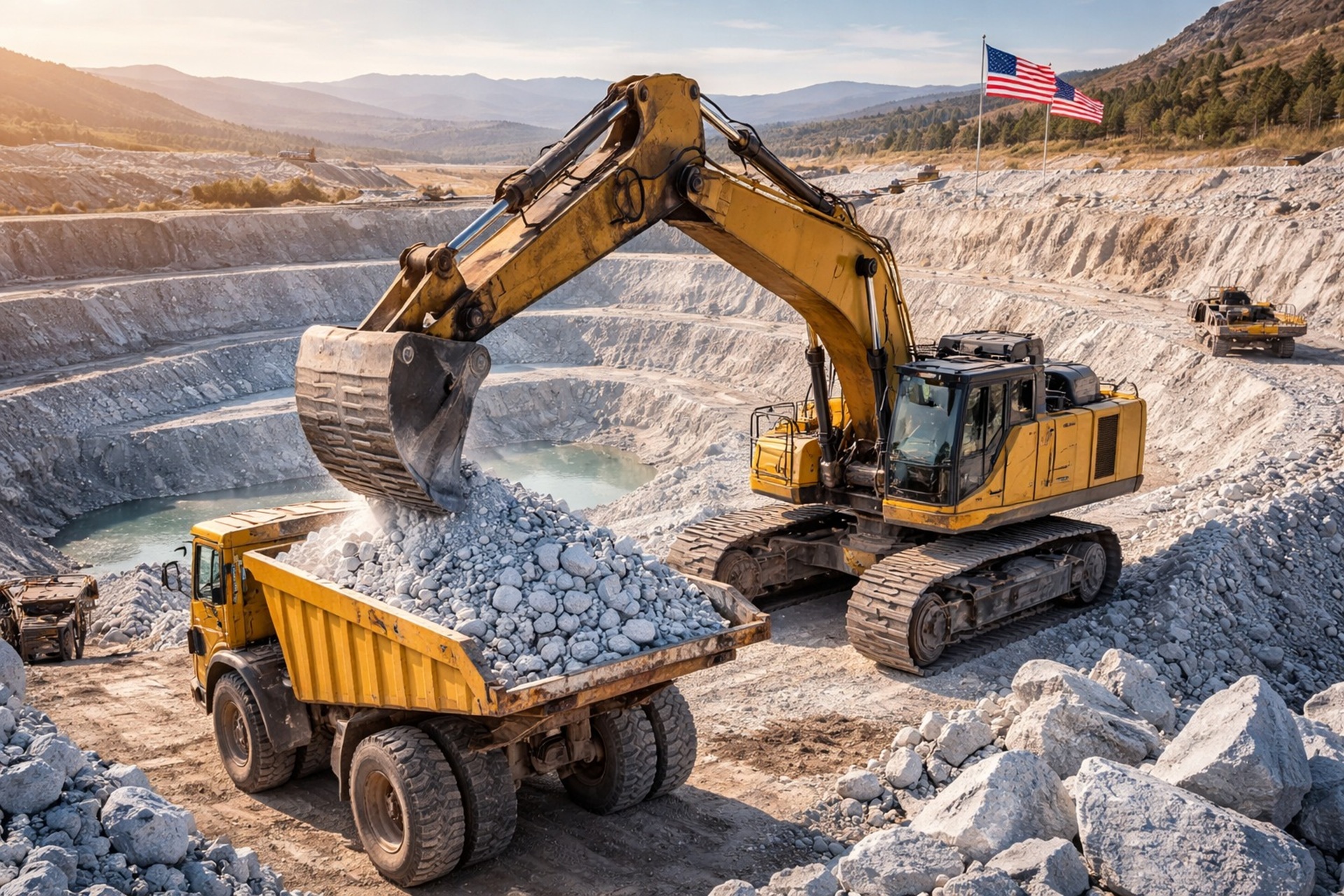
The Discovery Of 40 Million Metric Tons Of Lithium In The McDermitt Caldera, A Volcanic Formation Between Nevada And Oregon Created 16 Million Years Ago, Repositions The United States In The Global Dispute For Strategic Minerals, Currently Concentrated In China, But Faces Technical, Environmental, Legal, And Infrastructure Hurdles That May Delay Immediate Impacts On The Market
The announcement in 2023 of the discovery of 40 million metric tons of lithium in the McDermitt Caldera, between Nevada and Oregon, repositions the United States in the strategic mineral supply chain, currently dominated by China, indicating production starting in 2026 and potential impact on supply for electric vehicles.
Geological Discovery And Size Of The Deposit
Researchers announced in 2023 the presence of 40 million metric tons of lithium in the McDermitt Caldera, a dormant volcanic crater located on the border between Nevada and Oregon. The volume is presented as possibly the largest lithium reserve ever identified in the world.
The geological formation of the deposit dates back over 16 million years, when intense volcanic activity left high concentrations of minerals. The material preserved below the ground has been deemed strategic in light of the global expansion of demand for lithium.
-
They wanted artificial intelligence, but they drained the water from a village in Mexico: the water consumption of data centers caused a hepatitis outbreak, and big tech companies Amazon, Microsoft, and Google were forced to halt billion-dollar projects.

-
System created to save lives in disasters turned ‘against’ Brazilians overnight: a hacker attack sent out a false alert from Civil Defense with the word “misantropia” that went off on the phones of half the country, even in silent mode, and took down the Cell Broadcast.
-
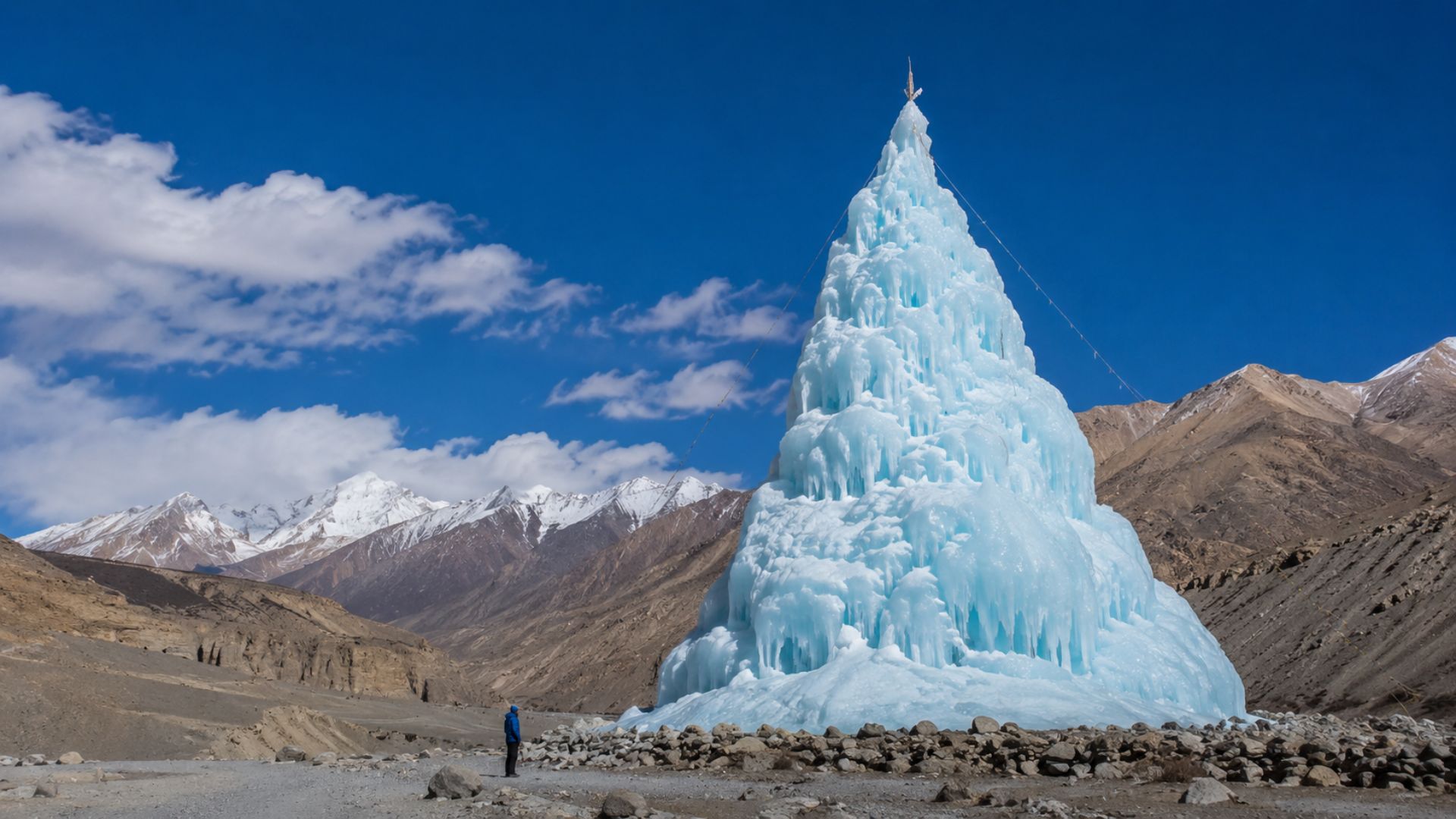
In the cold desert of Ladakh, where it hardly rains, engineer Sonam Wangchuk created the ice stupa, a tower that freezes winter water and stores it for irrigating crops in the spring, a simple engineering feat that mimics nature.
-
For the first time in history, solar and wind energy generated more electricity than natural gas worldwide in a single month, April 2026, a milestone in the energy transition that shows renewable sources taking the lead in the global electric system.



The interest focuses on lithium’s role as an essential component of batteries used in electric vehicles, smartphones, laptops, and renewable energy storage systems. With the advancement of decarbonization, demand for the mineral is expected to increase dramatically by 2035.
Expected Production And Role Of Thacker Pass
The Thacker Pass mine, located within the McDermitt Caldera, is operated by Lithium Americas. According to the company, production is scheduled to begin in 2026, marking a new chapter in lithium mining on American soil.
According to the projections released, the United States expects to supply enough lithium for over a thousand electric vehicles per year from the operation. The number is cited as an initial reference for the production capacity of the venture.
Although China has dominated global lithium supply for decades, especially through mineral processing, the opening of Thacker Pass is presented as a factor capable of reducing American external dependence.
National Security And Production Chain
The strategic value of lithium has become directly associated with national security. Currently, China processes about 60% of the world’s lithium and leads the global lithium battery production.
So far, American production has been limited to a fraction of the Chinese volume, concentrated at the Silver Peak mine in Nevada. The McDermitt Caldera emerges as an alternative capable of altering this power dynamic in the medium term.
The lithium identified in the caldera is primarily contained in clay minerals, especially hectorite, which require more complex extraction processes. To enable production, infrastructure similar to that currently used in China will be necessary.
American lawmakers have expressed support for the creation of this infrastructure, aiming to transform the United States into a vertically integrated lithium industry, encompassing extraction, processing, and industrial application.
Environmental Obstacles And Legal Disputes
Despite the economic potential, the exploration of the McDermitt Caldera faces significant resistance. The site of Thacker Pass is located on land considered sacred by various Native American tribes, which sparked immediate public opposition.
Legal battles are ongoing, with claims that the mine could jeopardize cultural heritage and violate federal law. These processes have caused delays in the projected supply schedule.
Other concerns include the possible destruction of natural habitats and emissions associated with lithium extraction. The mining of the mineral is not considered sustainable, which intensifies the environmental debate surrounding the project.
These legal and environmental hurdles may keep the United States dependent on imports in the short term, even in light of the discovery deemed notable and strategic.
International Competition And Prospects
While the United States faces internal challenges, countries like Chile, Argentina, and Australia are investing in accelerating their lithium production. This movement expands global competition for control of the mineral supply.
In South America, a so-called blue paradise rich in energy has also been identified, reinforcing American support for the expansion of lithium extraction outside its territory as part of a complementary strategy.
With 40 million tons of lithium formed 16 million years ago, the United States is gradually advancing toward reducing external dependence. Satellite images have also indicated the exposure of another large American mine, with 4 trillion liters of lithium under an apparently ordinary area.





-

-

-

-

-

6 people reacted to this.