






 Portuguese
  Spanish
 2 min of reading
  11 comments


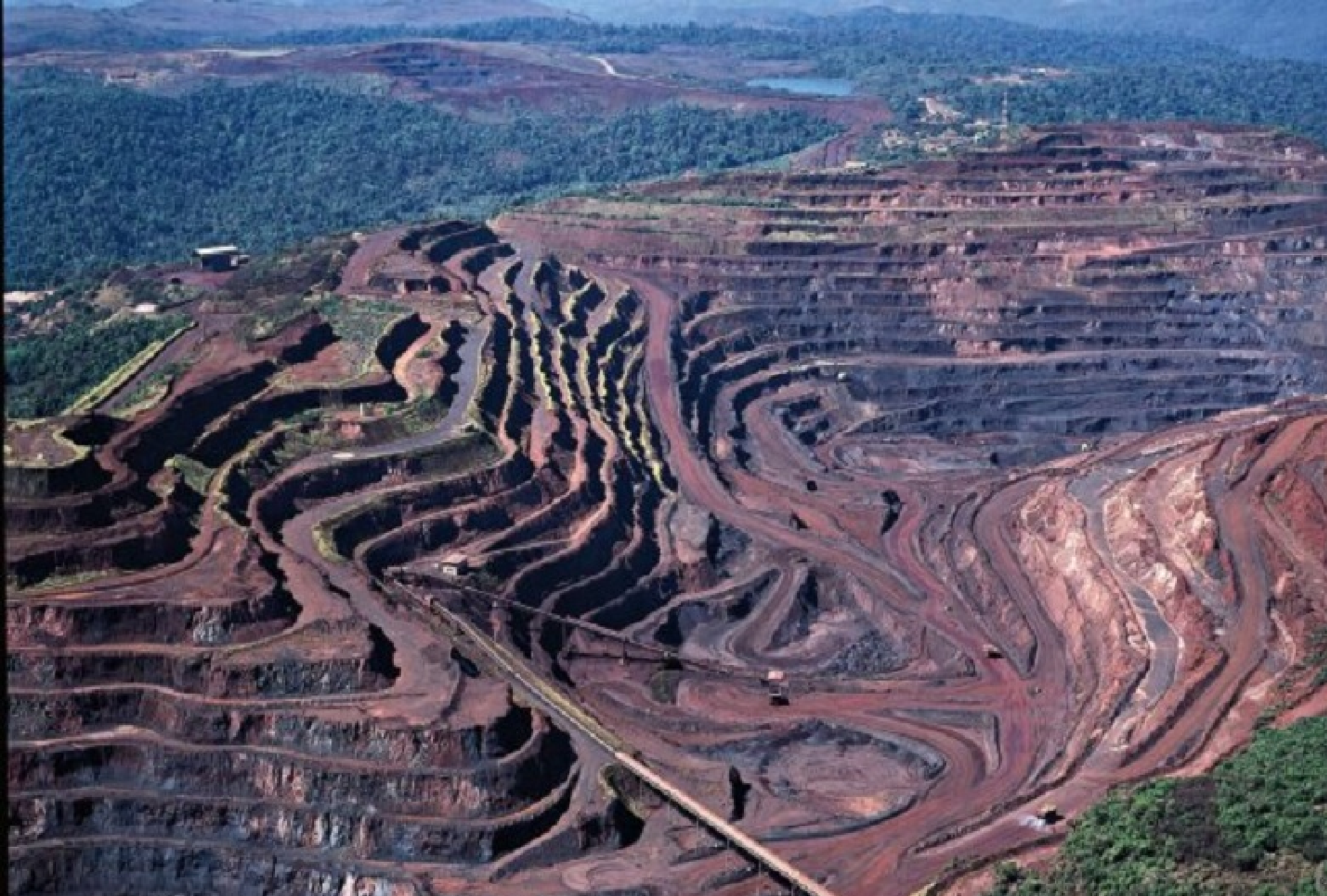

Partnership Between Brazil Iron and CBPM Includes Railway and Steel Plant Construction, with Special Attention to Quilombola Communities and Environmental Sustainability
Brazil Iron and the Bahia Geological Survey (CBPM) have established a partnership for a major iron ore extraction project in Chapada Diamantina, Bahia. Valued at US$ 5 billion, the project includes the construction of a railway and a steel plant by 2028. It promises to bring investments directed at the local economy, benefiting the third largest mineral hub in Brazil, according to the website Mining News.
CBPM, the state mineral research agency, will act as a consultant for Brazil Iron. The company helped mediate relations between the mining company, the government, and civil society. The goal is to ensure sustainable and respectful advancement with the quilombola communities near the iron ore extraction area.
Responsible and Innovative Partnership
The iron ore project stands out not only for its size but for CBPM’s operational model. For the first time, the state agency will take on a consultative and logistical role. It will be responsible for supporting everything from bureaucratic issues to relations with local communities. Henrique Carballal, president of CBPM, stated that the partnership represents a shift in philosophy for the company. For 52 years, the company has been solely dedicated to mineral research for iron ore.
-
Near Amsterdam, residents buy land and discover they must also build streets, manage drainage, handle waste, and grow food on half their plot.

-
Without a mansion, without high investment, and without a traditional classroom, a teacher living in a 22 m² house taught students to build a 9 m² studio apartment with the equivalent of R$10,000.
-
Without her own home and pressured by rent, a 25-year-old bought a small 15-meter boat, gradually renovated the interior by herself, transformed the interior with paint, new flooring, a larger bathroom, and started living on the canals, paying much less per month.
-
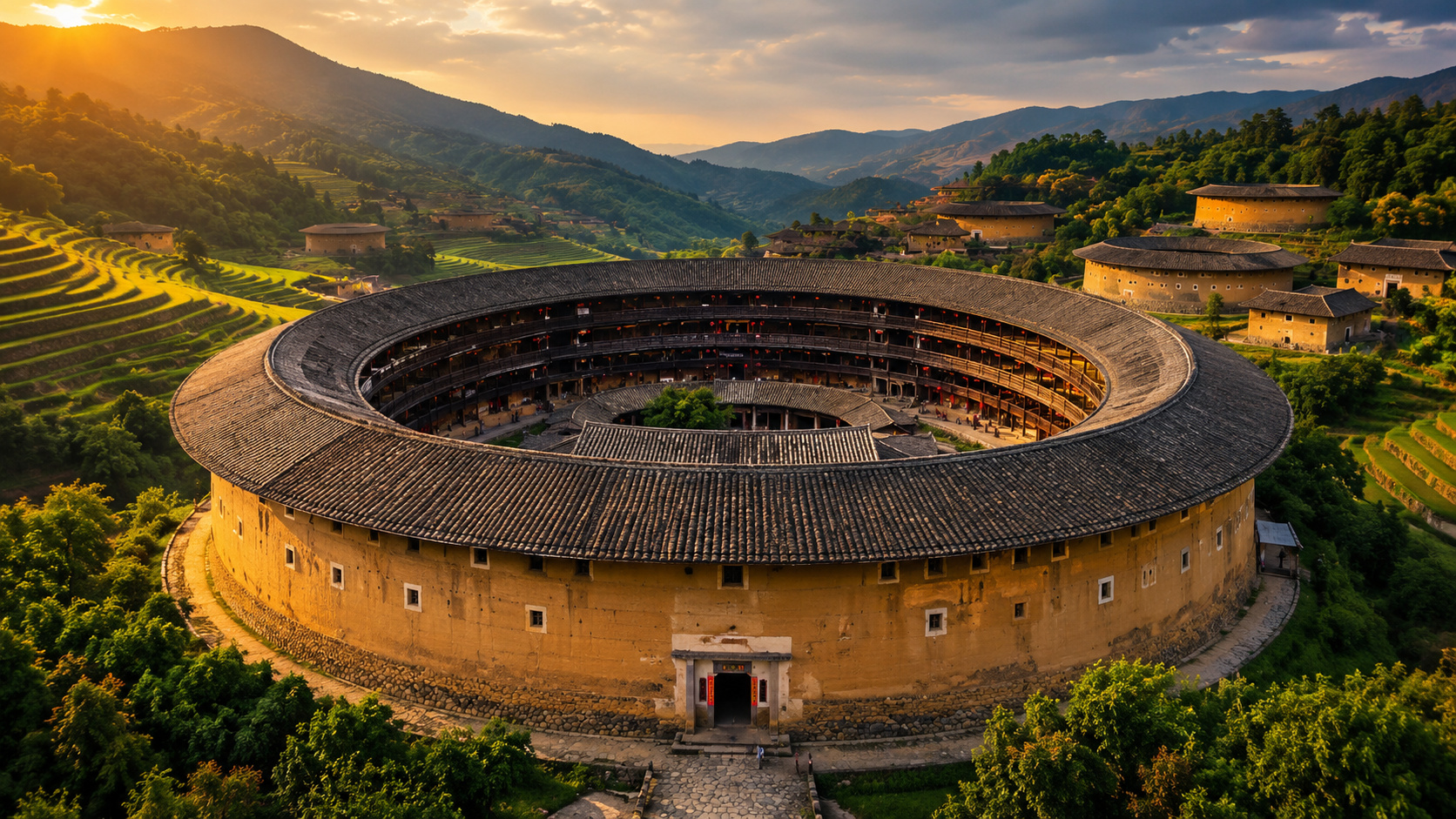
Long before sustainable construction became a trend, China built earthen fortresses with multiple floors, a central courtyard, and the capacity to house up to 800 people living in a community.



“CBPM has taken on the responsibility to ensure that the project advances responsibly, focusing on the interests of the state and local communities,” Carballal stated. The state agency has adjusted its operations to follow strict sustainability criteria. This is especially important for respecting the quilombola communities living near the Fazenda Mocó mine in Piatã.
Significant Economic Impact
The project also promises to generate a significant economic impact. Emerson Souza, vice president of Institutional Relations at Brazil Iron, estimates the creation of 55,000 direct and indirect jobs. In addition, the company projects a tax revenue of R$ 47 billion for the state of Bahia in the coming years.
“This iron ore project is not just an economic investment. It represents a development opportunity for the region. The involvement of CBPM teaches us the importance of maintaining a transparent relationship with local communities,” Souza highlighted. In previous iron ore projects, the lack of dialogue with quilombola communities led to conflicts. Therefore, the focus now is to avoid such problems and ensure greater collaboration.




Muito blá blá blá e pouca ação e menos resultados…..muito engana que eu gosto
Vai a um concelho que tiver 20 mil reais sobrando hoje compra um terro de 300 metros quadrado lar a hora que esssas obras comecarem vai valer 500 mil reais
Eu moro em Piatã e que tiver dinheiro a hora é agora para investir, o preço de aluguel aqui é surreal
Vão ser? Repórter escrever errado é o fim…