






 Portuguese
  Spanish
  4 min of reading
  0 comments


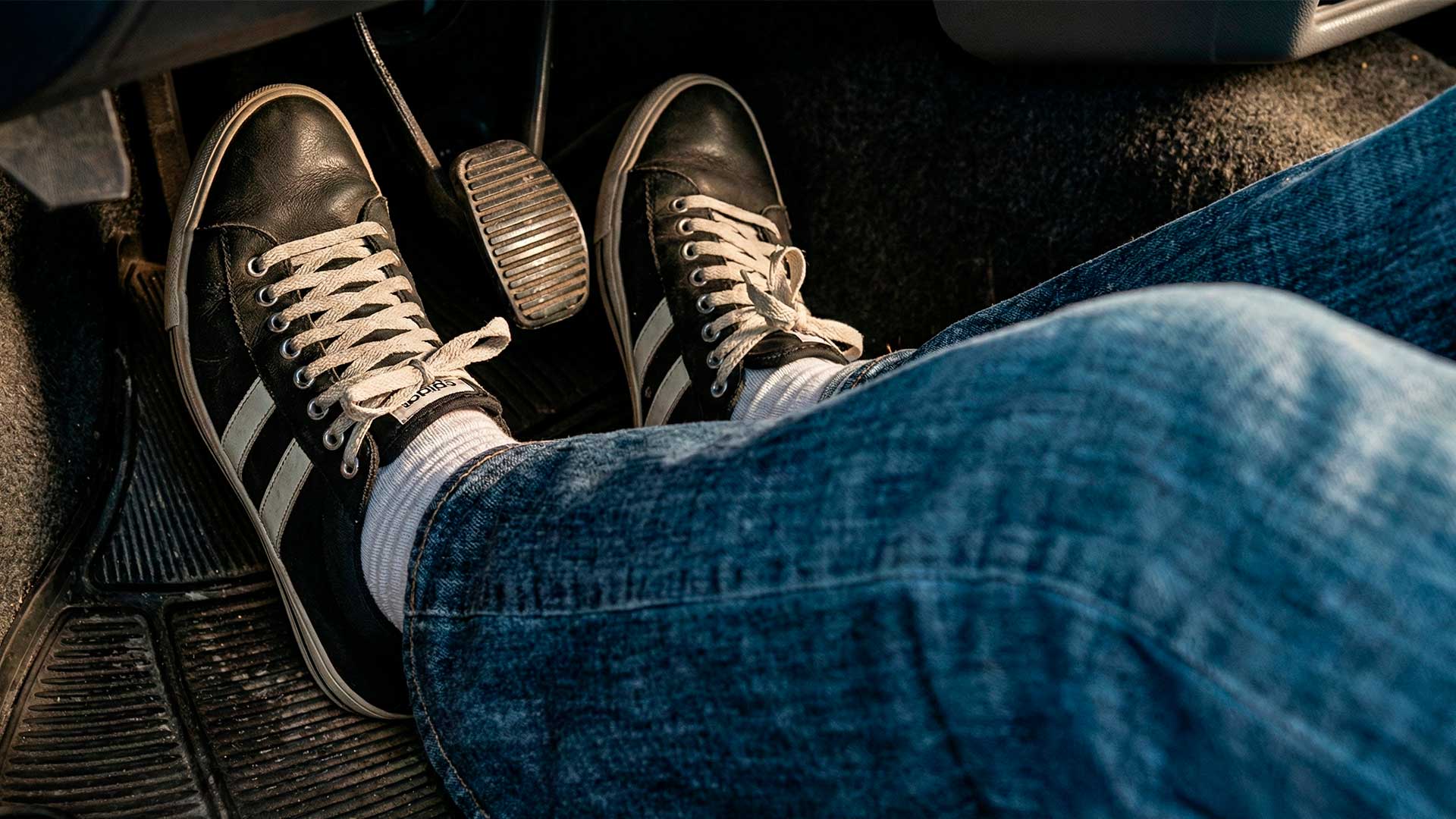
Bad Habits On The Pedal And Accelerations Make The Clutch Work In Friction And Heat All The Time Accelerating Wear On The Kit And Potentially Anticipating Expensive Maintenance On The Transmission
In everyday traffic, many drivers make clutch mistakes without realizing it, and only discover it when the symptoms of wear start appearing, such as a strong smell, vibration in the pedal, or difficulty in engaging gears.
The problem is that the clutch operates with friction and heat, so any repeated wrong usage leads to accumulated wear, and the bill shows up all at once, with the replacement of the assembly and hours of labor.
Even with the decline of manual transmissions in new car sales, it is still present in the routine of millions of Brazilians, and taking care of the pedal remains one of the most direct ways to save on maintenance.
-
Uber Faces Shareholder Scrutiny as Board Accused of Ignoring Safety, Compliance, and Harassment Warnings Amid Over 3,500 U.S. Lawsuits

-
Ferrari’s First Electric Car Divides Fans, Priced at $630,000, Amid Concerns Over Limited Editions; Brand Clarifies It’s Not Just for Future Perks
-
BYD Dolphin Mini: The Electric Car That Defies Depreciation, Losing Only 3.58% in a Year and Becoming the Best-Selling Retail Model Under $22,000

-
Electric Car JAC E-JS4 Loses $19,000 in Value in One Year, Leading Record Depreciation of Used Cars in Brazil Due to Expensive Battery and New Models


Next, see the 6 most common mistakes and what to do to extend the lifespan of the transmission system before it turns into an unexpected expense.
Six Habits That Accelerate Clutch Wear And Turn Into Losses
1) Keeping Your Foot Resting On The Pedal may seem harmless, but it is one of the most expensive vices. Even light pressure can keep components in contact and increase friction, which accelerates wear on the assembly.
2) Stopping At Traffic Lights With Gear Engaged And Pedal Pressed also shortens the lifespan, mainly by stressing parts like the bearing and keeping the system working unnecessarily. The recommendation at complete stops is to use neutral and only engage it when it’s time to go.
3) Shifting Gears Abruptly And Out Of Time is another shortcut to the workshop. Hasty engagements without respecting RPM and synchronization increase the load on the system and can cause bumps, overheating, and premature wear.
4) Holding The Car On An Incline Using The Clutch And Accelerator is the classic habit that leaves a burnt smell and wears down the disc quickly. On inclines, using the handbrake to keep the car stationary and then slowly setting off preserves the clutch and helps with fuel consumption.
5) Accelerating Too Much At Starts And Skidding The Assembly creates excessive heat, which many people refer to as burning the clutch. The more RPM without necessity at the point of departure, the higher the temperature and the lower the durability of the kit.
6) Ignoring The Manual And Forgetting Automated Systems rounds out the list with two mistakes that go hand in hand. Following the manufacturer’s maintenance plan prevents adjustments out of standards, and those who drive automated cars that use a clutch need the same care, because the assembly still exists and can suffer from severe use in stop-and-go traffic.
Correct Driving That Preserves The Pedal And Improves Gear Shifting
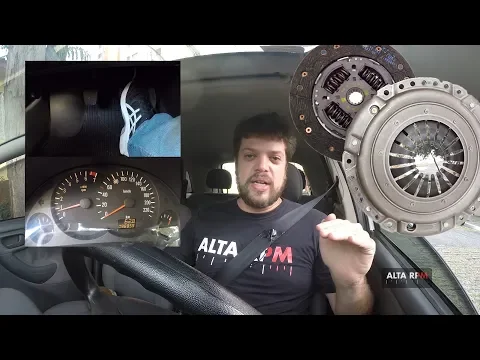

The clutch was made to disconnect the engine and transmission at the moment of shifting gears and starting off, not to control the speed of the car all the time. Technically, when pressing the pedal, the disc releases from the pressure plate and the flywheel, interrupting torque transmission until engagement happens.
In practice, this means two simple rules that prevent unexpected costs. Use the pedal in a fully depressed or fully released manner, and make the transition gradually, without holding the car in the middle of the course.
It is also worth observing the context of the journey because heavy traffic and many hills demand more from the assembly. Therefore, small changes like gentle starts, neutral at stops, and proper use of the handbrake add kilometers of lifespan to the clutch kit.
Lifespan Alert Signs And How Much It May Cost To Repair
Under normal conditions, the lifespan usually varies between 60,000 And 100,000 km, but this range directly depends on the type of route and the habits of the driver.
When wear begins, some signs appear before the car completely stops. Experts cite symptoms such as noisy pedal, vibration, very high engagement point, difficulty in engaging, and grinding gears, which may indicate problems with the kit or related components.
In monetary terms, the variation is significant depending on the model, region, and parts involved, but the warning is clear. There are documented cases where the replacement involves not only the kit but also the bearing, transmission oil, and other items, significantly increasing the total with labor costs.
As a market reference, there are estimates that place the total cost in a wide range, with parts and labor varying according to the vehicle, and the risk of it becoming higher when the replacement is postponed and the transmission and engine flywheel get damaged.





Be the first to react!