Portuguese
  Spanish


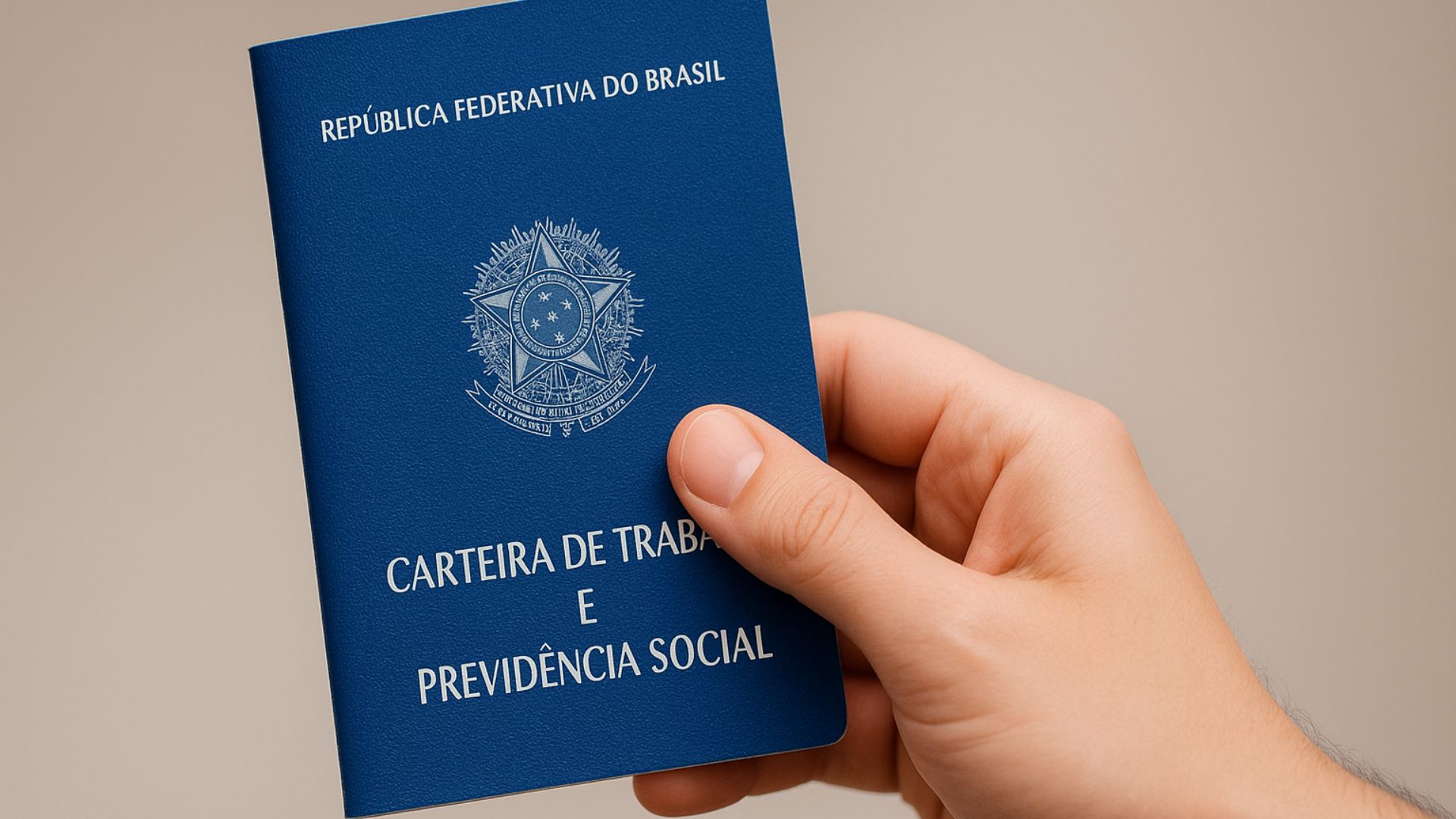


Understand Which Workers Have Job Security Guaranteed by Law, How Long This Protection Lasts, and What Rules Companies Must Follow to Avoid Violating Rights
In times of economic uncertainty, mass layoffs, and cost-cutting, many Brazilians live in fear of losing their jobs unexpectedly. However, what many workers still do not know is that Brazilian labor legislation guarantees job security to specific groups of professionals, protecting them from arbitrary and unjust dismissals.
These protections are essential for preserving social rights, decent working conditions, and financial security during delicate moments in the employee’s life. According to an article published by Portal 6, the Consolidation of Labor Laws (CLT) and collective agreements of various categories establish clear rules about who cannot be dismissed without just cause.
1. Pregnant Women: Job Security from Confirmation of Pregnancy Until Five Months After Delivery
One of the most well-known guarantees in the legislation is the job security of pregnant women. From the confirmation of pregnancy until five months after delivery, the employee cannot be dismissed without just cause.
-
Dismissing a retired worker or one eligible for retirement constitutes ageism and creates a duty to compensate: a unanimous decision by the TRT mandates reinstatement to employment, payment of back wages, and upholds compensation of R$ 15,000 for discrimination.

-
Work less and produce more? Nobel Prize in Economics explains why shorter workdays can increase productivity

-
Unions are growing again in Brazil after more than a decade, but they face an urgent challenge to win back digital workers and maintain relevance.
-
From the typewriter to the home office: how work has changed and why new generations think differently




This protection aims to ensure that the pregnant woman has emotional and financial peace during maternity. Even if the pregnancy is discovered after the notice of dismissal, the company must reinstate the employee or compensate her. This measure, provided for in Article 10, II, “b” of the Transitional Constitutional Provisions Act (ADCT), also prevents discriminatory dismissals and protects the baby from economic impacts.
2. Workers Injured on the Job: Job Security for 12 Months After Return
Another group protected by the law is employees who suffer work-related accidents. After taking leave and recovering, the worker has the right to 12 months of job security counted from the return to work.
This rule, provided for in Article 118 of Law No. 8.213/91, prevents the employee from being dismissed due to physical limitations or temporary sequelae. Additionally, it ensures sufficient time for adjustment and rehabilitation. The goal is to protect the livelihood of the worker and their family, preventing a misfortune from compromising their financial stability.
3. Members of the Internal Accident Prevention Commission (CIPA): Security for Those Who Protect Safety
Members of the Internal Accident Prevention Commission (CIPA) also enjoy provisional job security. According to Article 165 of the CLT, elected workers cannot be dismissed from the registration of the candidacy until one year after the end of their term.
The justification is clear: to protect those who ensure safety in the workplace. This rule prevents retaliation from the company and guarantees independence for CIPA members, who monitor risks and report irregularities without fear of losing their jobs.
4. Union Leaders: Defense of Collective Rights with Legal Protection
Union representatives have one of the most robust job securities in the legislation. From the registration of the candidacy until one year after the end of their term, they cannot be dismissed without just cause.
This rule is provided for in Article 543, §3 of the CLT, and exists to protect the worker who fights for the collective rights of the category. Without this guarantee, leaders could be persecuted or pressured by companies because of their union activities. Thus, the law preserves the balance between employers and employees, ensuring freedom of expression and representation.
5. Employees on Maternity Leave: Comprehensive Protection Even with Temporary Contracts
During the maternity leave, the worker is also protected against dismissal. Even if the contract is about to expire, the company is obliged to maintain the link and guarantee the return to the position after the leave ends.
This job security is an extension of the right to maternity and is provided for in the CLT and the Federal Constitution, which guarantees up to 120 days of paid leave. Thus, no mother can be penalized for exercising the right to care for her newborn.
6. Workers Close to Retirement: Job Security Provided in Collective Agreements
Finally, there is a category often overlooked: workers who are a few months away from retirement. In various professions, collective agreements guarantee job security for those who are about to complete the necessary time for retirement.
This rule prevents dismissals that would harm the right to the pension benefit. On average, the protection is granted in the last 12 to 24 months before retirement, varying according to the union of each category. It is a way to recognize years of dedication and prevent workers from losing access to a lifelong right due to an unexpected dismissal.
Why Job Security is Important for Social and Labor Balance
In addition to preventing injustices, these measures strengthen the balance between employers and employees, reducing inequalities and promoting social responsibility within companies.
Provisional job security is, therefore, an essential tool to protect workers in times of vulnerability — whether physical, emotional, or economic. Ensuring these rights is not only a legal obligation but a pillar of respect for human dignity.
And you? Did you know that so many workers have this type of protection guaranteed by law?
Do you think it is fair that these groups have job security, or do you believe the rules should be different?