Portuguese
  Spanish


Promised for years as the future of electric cars, the solid-state battery is finally moving from the lab to mass production, with the promise of more range, faster charging, and much less fire risk.
There is a technology that the electric car industry has eagerly awaited for years, almost like a holy grail, the solid-state battery. It promises to solve once and for all several of the biggest problems of electric vehicles and electronics, and for a long time, it was treated as a distant promise. Now, it is finally beginning to move from the lab to the production line.
Manufacturers and automakers, especially in Asia, with companies like Samsung SDI, are aiming for the mass production of these batteries in the coming years. The difference from current batteries is significant; they promise more range, faster charging, and perhaps most importantly, much less risk of catching fire, one of the biggest fears of those using common lithium-ion batteries.
What changes in the solid-state battery
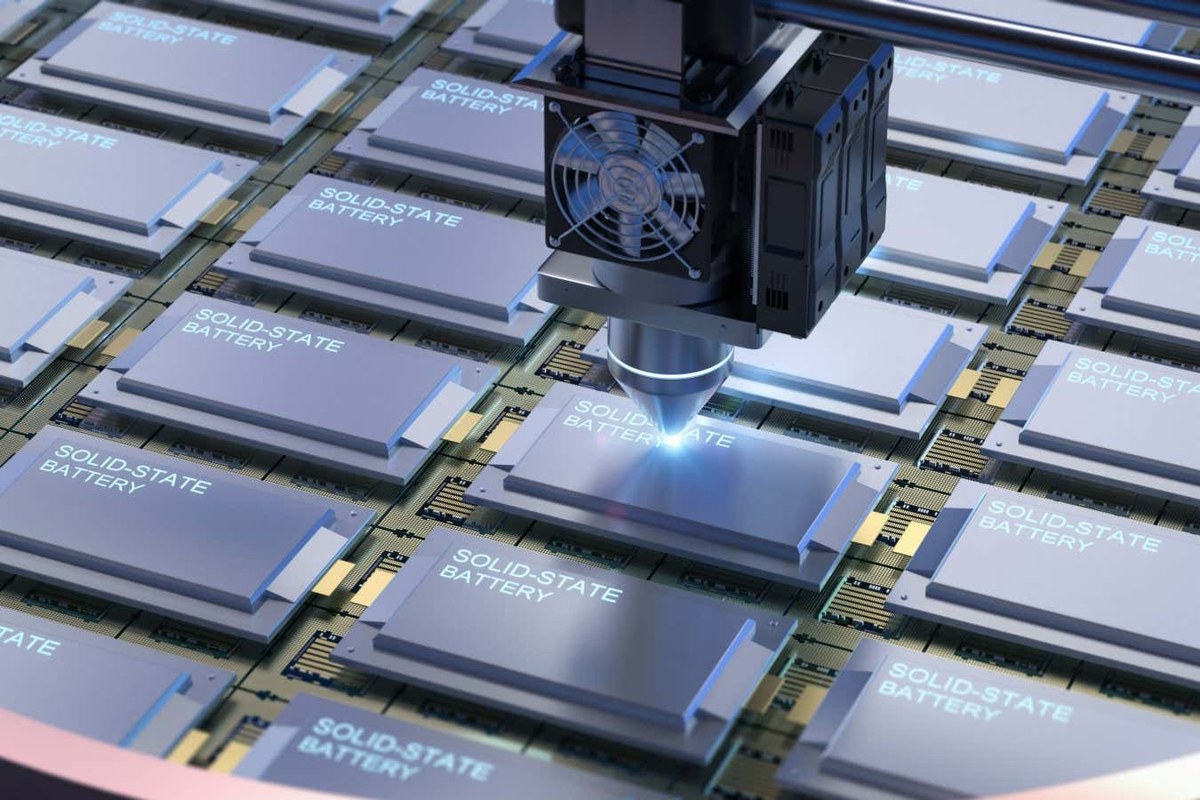
The difference lies in the heart of the battery. Current batteries use a liquid through which energy circulates, and this liquid is flammable, which explains the rare but frightening cases of fire. The solid-state battery replaces this liquid with a solid material, safer and more stable. It seems like a small change, but it completely transforms the performance and safety of the set.
-
The Trap of Modern Technology: How Screen Overload and Digital Connections Can Impact Your Mental Health and Well-being

-
Wyoming Couple Grows Tropical Fruits Year-Round in -40°C Using Geothermal Greenhouse, Demonstrating Earth’s Heat Can Produce Oranges and Lemons in Snow Without Traditional Heating

-
Ship Returns from Brazilian Coast with Thirty Newly Discovered Life Forms
-
Nigerian Professor Invents Electricity-Free Refrigerator Using Clay Pots and Wet Sand, Extending Shelf Life of Vegetables to 27 Days; 7,000 Units Distributed in Energy-Deprived Villages



I confess that I find it fascinating how an apparently simple switch from liquid to solid can unlock so many benefits at once. With the solid material, it is possible to store more energy in the same space, which provides more range, and charging can be faster. Add to that much greater safety, and it becomes clear why so many people see the solid-state battery as the next big leap in technology.
What this changes in electric cars
For electric cars, this technology can be revolutionary. More range means cars that travel much longer distances on a single charge, eliminating the famous anxiety of running out of battery in the middle of the road. Faster charging means less time stopped at a station, bringing the experience of refueling an electric car closer to the speed of filling a gasoline tank.
And there’s the safety factor, which cannot be underestimated. Drastically reducing the risk of fire makes vehicles more reliable and can reassure those still hesitant to adopt an electric car. If the solid-state battery delivers on its promise on a large scale, it could be the push needed to accelerate the replacement of combustion cars with electric ones worldwide.
There is also an interesting ripple effect with this technology. Since it stores more energy in a smaller space, cars could have lighter and more compact batteries for the same range, which frees up space and reduces the weight of the entire vehicle. Lighter cars consume less energy to move, which further improves performance, creating a virtuous circle. Additionally, smaller batteries for the same capacity mean using fewer rare and expensive materials per vehicle, which could lower production costs in the long run. That’s why the solid-state battery is not seen just as a point improvement, but as a component capable of redesigning the very way electric cars are conceived and manufactured.
Why it took so long to arrive
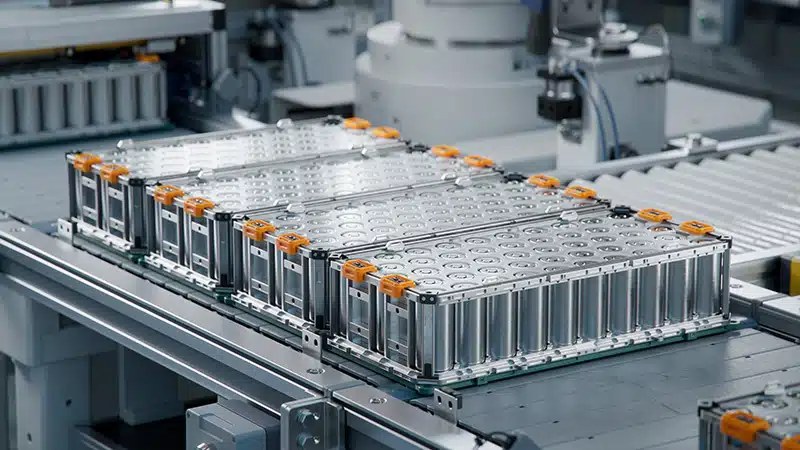
If the technology is so good, why did it take so long to leave the lab? The answer is that making it work on an industrial scale is extremely difficult. Creating a solid-state battery that works under perfect laboratory conditions is one thing, producing it by the millions, cheaply, reliably, and durably is another. Manufacturing challenges delayed the technology for years, frustrating repeated promises.
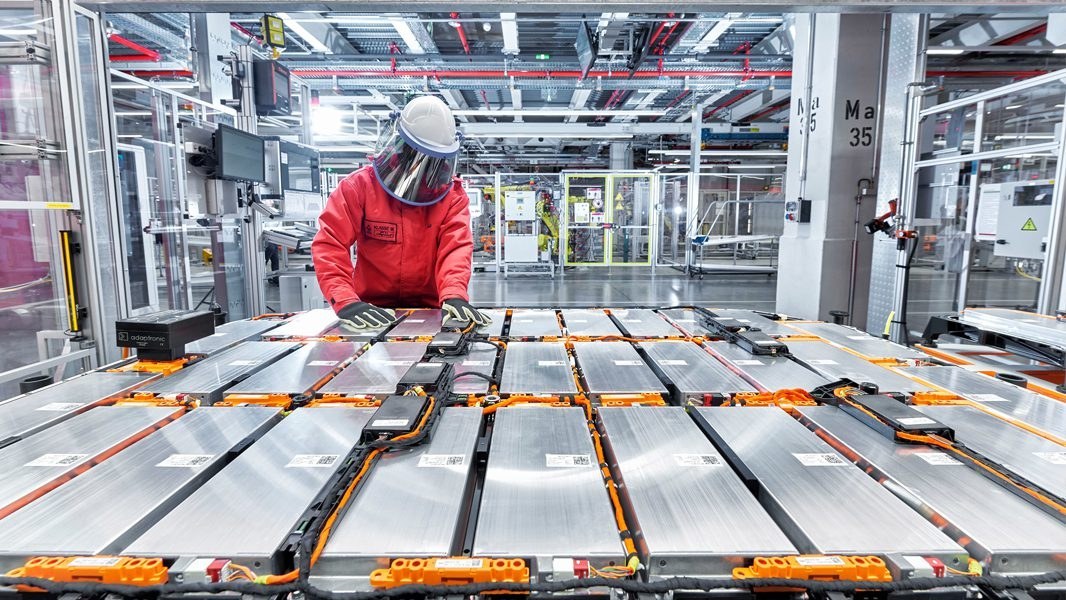
That’s why seeing the first mass production lines start to emerge is such an important milestone. It means that the industry is finally overcoming the obstacles that separated promise from reality. There is still a way to go before these batteries are in millions of cars on the streets, but the mere start of scale production shows that the promised future is, at last, arriving.
The future of batteries begins now
I imagine how, in a few years, we will look at current batteries as we look today at outdated technologies that have been surpassed. If the solid-state battery really delivers on its promise, it can change not only cars but all devices that depend on storing energy, from cell phones to large systems that support clean energy.
The start of mass production is the sign that this turnaround has truly begun. After years as a frustrating promise, the technology is finally taking its first steps towards the streets and into our hands. If all goes well, we are witnessing the beginning of a new era for batteries, safer, more powerful, and capable of accelerating the electric future the world pursues, in one of those technological shifts that we only realize the magnitude of when we are already living within it.
Would you switch your next car to an electric one if the battery recharged quickly and had no risk of fire?