Portuguese
  Spanish


The Pressure on the Philippines in the Disputed South China Sea Gained New Dimensions This Week, with About 60 Chinese Ships Surrounding Thitu Island, Locally Known as Pag-Asa. The Island Is the Largest Territory Controlled by Filipinos in the Region and Is Close to Subi Reef, Where China Built a Naval Base. The Movement of the Vessels Was Captured by Satellites from Maxar Technologies and Reviewed by Reuters, Revealing a Significant Concentration of Vessels Just Two Nautical Miles from the Island.
Thitu Island Is an Essential Outpost for the Philippines, Serving as a Base to Monitor Chinese Maritime Activities. Despite Its Importance, the Massive Presence of Chinese Ships Has Raised Mixed Reactions Among Philippine Authorities. Vice Admiral Alfonso Torres Sought to Minimize the Impact, Claiming That Such Movements Are Frequent. In Contrast, Rear Admiral Roy Trinidad Described the Situation as “Illegal,” But Emphasized That Calm Must Be Maintained.
“It Is Essential That We Maintain Our Firm Position and Avoid Disproportionate Reactions to Provocations,” Trinidad Stated.
Experts, However, See Strategic Objectives Behind This Concentration of Ships. According to Collin Koh, a Maritime Security Analyst, China May Be Trying to Delay the Construction of a Military Hangar on Thitu Island, A Project That Would Strengthen the Philippine Military Presence in the Region.
-
U.S. Women’s History Museum Stalled in Congress Amid Gender Identity and Diversity Debate

-
European Parliament Approves Digital Euro, Aiming to Challenge Visa and Mastercard’s Dominance and Transform Payments Across Europe by 2029
-
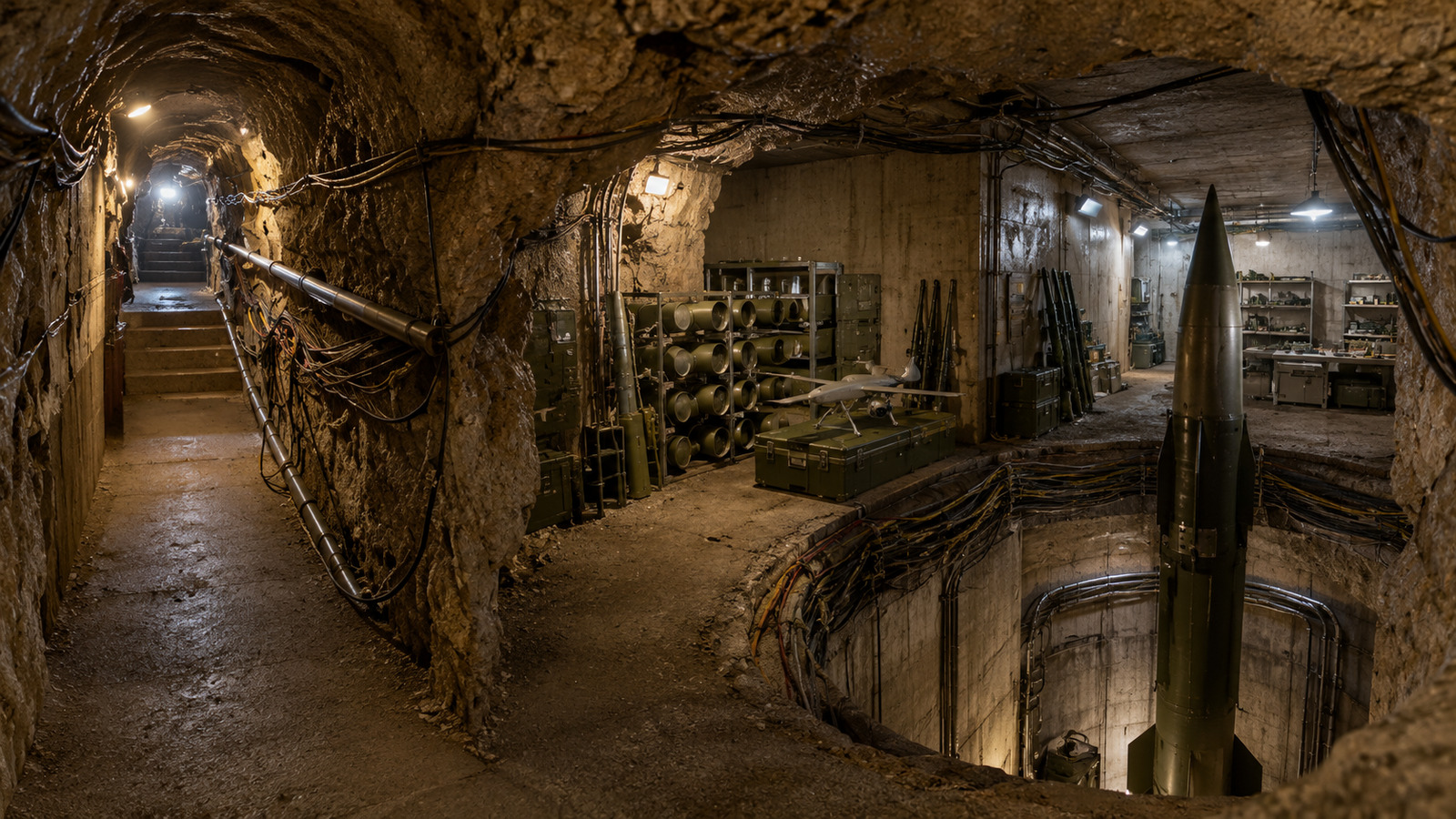
Israel finds Hezbollah militarized tunnel over 200 meters long under village, with 4 missile launch shafts, 12 chambers, anti-tank missiles, drones, and weapons depots at a depth of 25 meters.

-
Ukraine launches largest drone attack on Moscow since 2022, Russia claims to have intercepted nearly 200 aircraft near the capital, Kapotnya refinery targeted again, and offensive reignites alert about war reaching the Russian energy heart just a few kilometers from the Kremlin.



Fishing Vessels or Maritime Militia?

Despite Beijing Denying the Existence of a Maritime Militia, Analysts Believe That Many of These Chinese Ships, Apparently Registered as Fishing Boats, Are Part of an Unofficial Force That Collaborates with the Coast Guard and Navy.
This Strategy, Which Blends Civil Disguise with Military Objectives, Has Been Used in Other Disputed Areas, Such as Scarborough Shoal and Second Thomas Shoal, Where the Philippines and China Have Already Clashed.
Regional Dispute and International Context
The Tensions in the South China Sea Are Not New. The Area Is Almost Entirely Claimed by Beijing as Part of Its Historical Territory, but Other Countries, Such as the Philippines, Vietnam, and Malaysia, Contest This Claim. For Manila, the Challenge Is Great: Seeking Support from Allies Like the United States While Avoiding Escalating Conflicts with Its Powerful Neighbor.
The Most Recent Episode Involving Chinese Ships Highlights the Complexities of These Disputes. For the Philippines, the Overt Presence of Chinese Vessels Near Thitu Island Is More Than a Provocation; It Is a Constant Reminder of the Struggle for Sovereignty in One of the Most Contested Seas in the World.