Portuguese
  Spanish


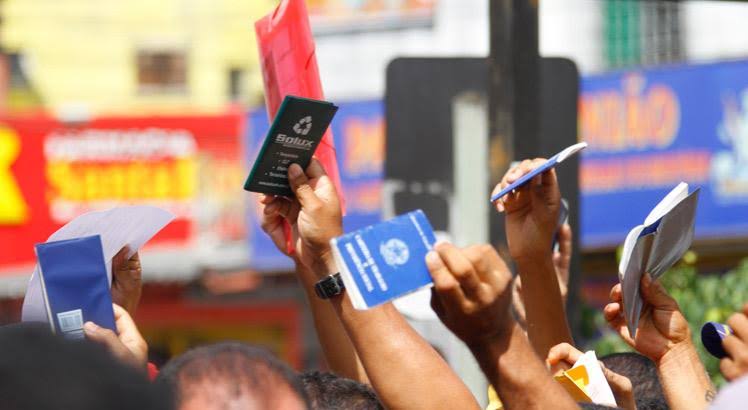

According to data released by the Ministry of Economy yesterday (12), 7.2 million people were affected by such measures
Data released by the Ministry of Economy yesterday (12) reported that around 7.2 million Brazilians had their work hours reduced or contracts interrupted during the pandemic. The data was counted until 11 a.m. yesterday.
See Other News:
- Cetep Macaé Opens Enrollment for 4,440 Slots in 24 Online and Free Courses Starting Tomorrow, May 14
- With 7 Million Gas Cylinders, Reduc Breaks New Record for LPG Delivery
- Petrobras Confirms Oil Workers Infected by Coronavirus on Platforms in Ceará
Out of the total number of formalized workers in the country, the 7.2 million people represent 21% in total. One in five workers with formal contracts already feel the effects of the coronavirus crisis.
-
Brazil to Issue “Panda Bonds” in China, Aiming to Raise Up to 5 Billion Yuan at Lower Interest Rates Than Dollar Debt
-
NATO Faces Internal Tensions as U.S. Pushes for Increased Defense Spending, Targeting 5% of GDP by 2035, with Warnings for Countries Near 2% Level

-
Brazil to Introduce B16 Diesel with Increased Soybean Oil Content for Trucks by 2026
-
Brazil’s July Bolsa Família Payments May Include Extra $150 and $50 for Families with Children, Pregnant Women, and Updated CadÚnico Registration


The Southeast region leads in reductions and suspensions with 54.5%. The Northeast region comes in second with 19%. Following that is the South region with 15.7%, the Midwest with 6%, and the North with 4.7%.
It is important to remember
In April, the federal government issued provisional measure (MP) 936, valid for 90 days, allowing for a reduction in hours with a proportional salary reduction. Both can be reduced by 25%, 50%, and 70%. The total interruption of the contract will be valid for two months.
The rules established by the federal government determine that workers will have their income supplemented by the government as if they were receiving unemployment insurance. The employer must also guarantee the job security of employees who adhered to the measure for the same duration that the rule was in effect in the company. That is, if the employee had their hours reduced for two months, they will be guaranteed that they will not be dismissed for up to two months after the measure ceases to be valid.