





 Portuguese
  English
  Spanish
  3 min of reading
  0 comments


The mechanical mechanism explains the pump’s click, stops refueling, and helps protect vehicles from failures caused by fuel overflow
A simple solution with significant technical impact has been operating at fuel stations for 8 decades, even without relying on electronics. The small hole located at the tip of the pump nozzle is responsible for the click that stops refueling when the tank reaches its limit. This mechanism uses the Venturi effect, a physical principle described by Italian scientist Giovanni Battista Venturi over two centuries ago, and became popular in modern pumps starting in the 1950s. The technology has remained practically unchanged since the mid-20th century and demonstrates how a mechanical detail helped prevent large-scale gasoline spills.
Small hole reveals when the tank is full
The operation begins inside the pump nozzle, where the fuel passes through a narrow region at high speed. The accelerated passage reduces internal pressure and creates a small vacuum connected to the tip hole. As long as this opening remains free for air, refueling proceeds normally. When the fuel level reaches the end of the nozzle, the hole is blocked, and the internal balance changes immediately. Air suction stops, the vacuum increases, and a mechanical diaphragm triggers the automatic shut-off. The click occurs in milliseconds and cuts off the fuel flow.
Technology gained strength in the 1950s
Historical patents developed by companies like OPW helped popularize this system in the 1950s. Since then, the basic principle has hardly changed because the solution proved reliable, simple, and efficient. The mechanism does not use electronic sensors to measure the tank. It only interprets what happens at the nozzle tip. This characteristic explains its durability and also shows why the technology has spanned generations without major changes.
-
Japan uses stunt doubles to simulate real accidents in front of children at schools and turns staged accidents with cars, bicycles, and pedestrians into shock lessons to teach traffic safety from an early age.

-
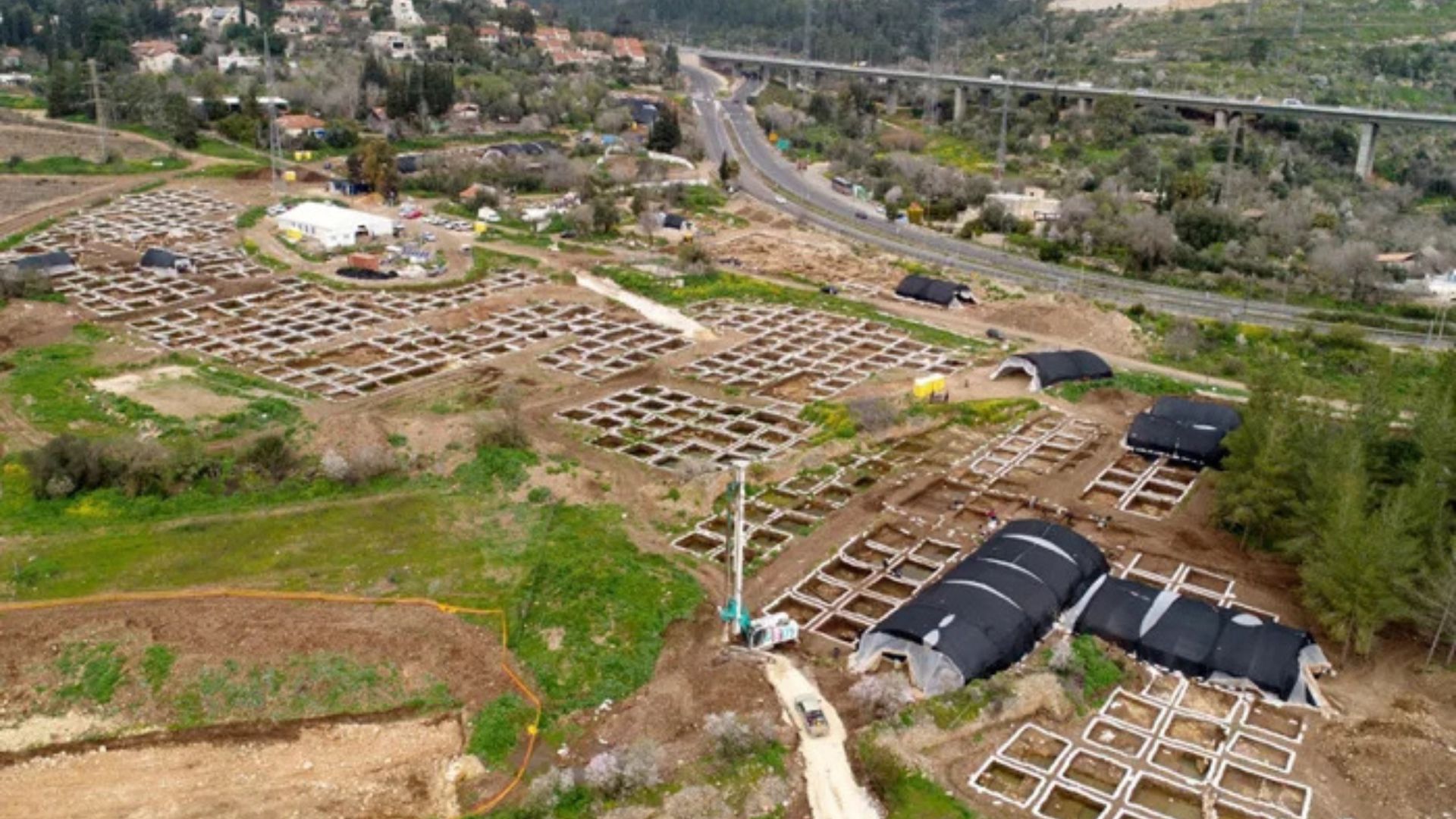
Before opening a new highway near Jerusalem, archaeologists discovered a 9,000-year-old “metropolis”: houses, streets, worship areas, thousands of tools, and a population comparable to that of a small modern city were hidden beneath the road’s layout.

-
Workers saw leaks in a tailings dam at a copper mine in Chile, regulator found infiltration and an 18-centimeter crack, while a 240-meter fissure crossed the top of the structure.

-
At 94 years old, Seu Luiz still takes hold of the hoe, tends to the vineyards, and makes his own wine in the countryside, and he assures that staying idle indoors is precisely what tires him the most.




Pump may shut off prematurely in some situations
Premature shutdown can occur when the system incorrectly interprets the blockage of the orifice. In diesel, the foam formed during refueling can temporarily close this passage. Narrower nozzles and the angle of insertion of the nozzle can also interfere with the process. In modern vehicles, vapor recovery systems may interact with the suction used at some stations. This behavior does not necessarily indicate a defect in the car or the pump, but reveals a limitation of the mechanical method itself.
Insisting after the click can cause damage
The habit of topping off the tank after the first automatic shutoff can affect vehicle components. EVAP systems use activated charcoal filters, called canisters, to capture gasoline vapors and prevent their release into the atmosphere. These components are designed to handle gases, not liquid fuel. When the driver forces refueling beyond the limit, some gasoline can reach the canister, clog the filter, and cause malfunctions. In some cases, the problem triggers the engine warning light.
Nozzle also prevents leaks and splashes
Many modern nozzles have another mechanical protection against leaks. A small internal ball moves by gravity and blocks the circuit when the nozzle falls or is pointed upwards. This feature interrupts the flow if the trigger remains pressed and reduces the risk of fuel splashes. The solution reinforces the importance of simple mechanisms in the safety of daily refueling.

Simple technology still endures in the digital age
Electric cars use complex digital protocols to control fast chargers and manage each kilowatt of energy. Even so, one of the most efficient technologies at stations still relies on a small hole and a law of physics described more than two centuries ago. The system shows that not every innovation needs to be digital to remain relevant.
How many drivers imagine that the pump’s click comes from such a small detail?







Be the first to react!