





 Portuguese
  English
  Spanish
  4 min of reading
  0 comments


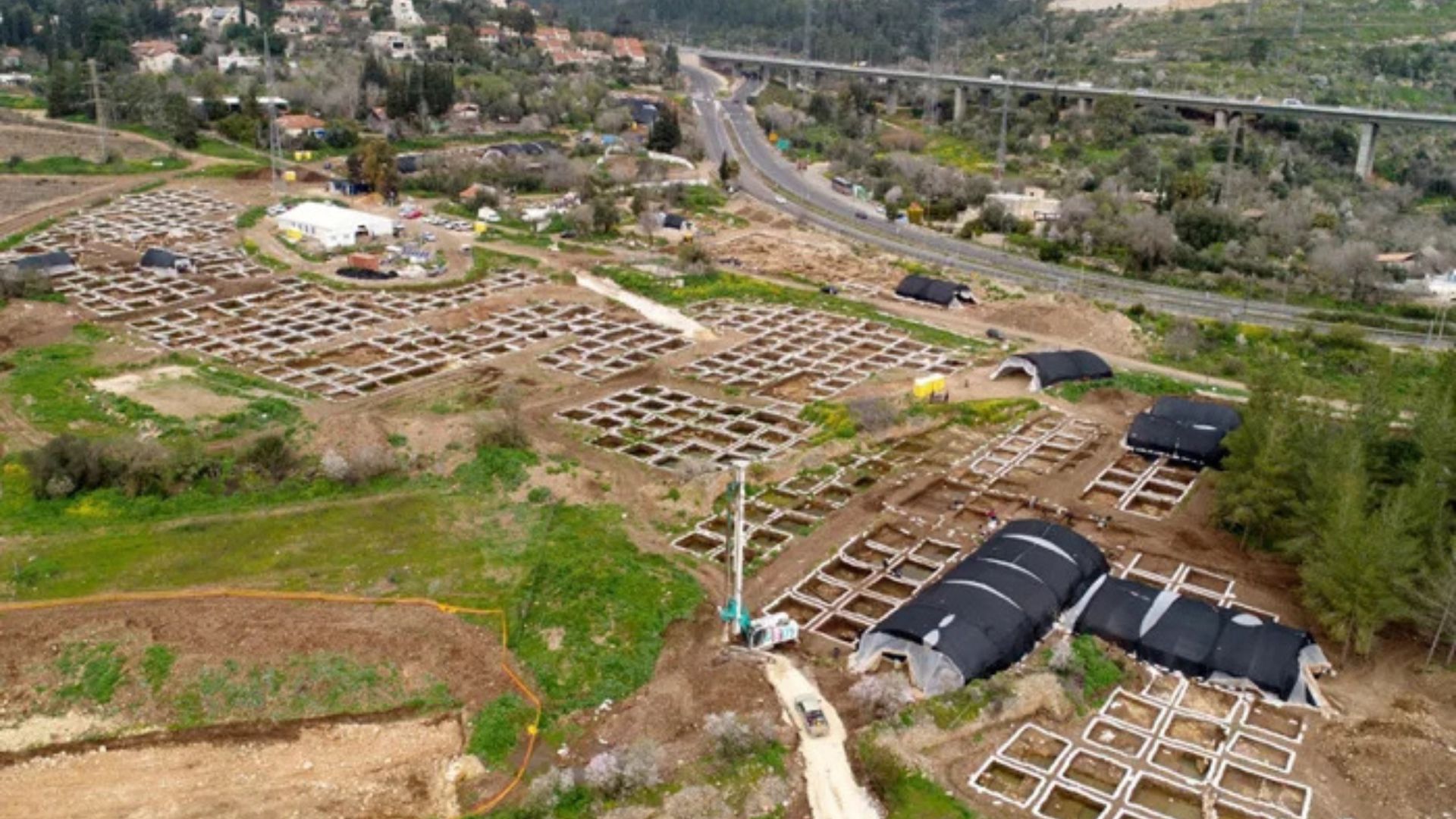
Excavations for a highway near Jerusalem revealed a 9,000-year-old Neolithic city in Motza, with streets, buildings, and up to 3,000 inhabitants.
When infrastructure work began near Jerusalem, the expectation was to find only soil, rock, and common layers of terrain. Instead, the excavations revealed a city of about 9,000 years in Motza, approximately five kilometers west of Jerusalem, discovered during preventive work before the construction of a new highway. The Times of Israel described the site as one of the largest Neolithic settlements ever found in the region.
The discovery drew attention because the site does not resemble a small, isolated village. According to the archaeologists involved, it is a large-scale prehistoric community, with clear signs of urban organization, agriculture, animal husbandry, and complex social life, which changes the old view that this area had limited occupation during that period.
Neolithic city of Motza emerged during excavations for a new road in Jerusalem
According to the Times of Israel, the site was found in rescue excavations carried out before the expansion of road access to the Israeli capital. The settlement belongs to the Pre-Pottery Neolithic period, dating back around 9,000 years, long before the great classical civilizations and thousands of years before the Egyptian pyramids.
-
Workers saw leaks in a tailings dam at a copper mine in Chile, regulator found infiltration and an 18-centimeter crack, while a 240-meter fissure crossed the top of the structure.

-
At 94 years old, Seu Luiz still takes hold of the hoe, tends to the vineyards, and makes his own wine in the countryside, and he assures that staying idle indoors is precisely what tires him the most.

-
A US$211 million project in the Philippines promises to quench Manila’s thirst with 600 million liters per day, but indigenous residents fear losing their homes in the mountains.
-
A Brazilian city launched “Operation Tom & Jerry,” releasing an army of cats to hunt rats along the coast, and saw the plan spiral out of control after animal abandonment, an explosion of the feline population, and a new public health issue.




The archaeologists identified planned buildings, streets, public areas, and domestic structures, showing that the site had a much more sophisticated organization than previously imagined for that time. Instead of a simple cluster of houses, Motza appeared as a dense and structured population center.
9,000-year-old settlement may have housed between 2,000 and 3,000 people
One of the most impactful data from the discovery is the estimated size of the population. According to the excavation directors cited by the Times of Israel, the city would have housed between 2,000 and 3,000 inhabitants, a number considered extraordinary for the Neolithic period in the region.
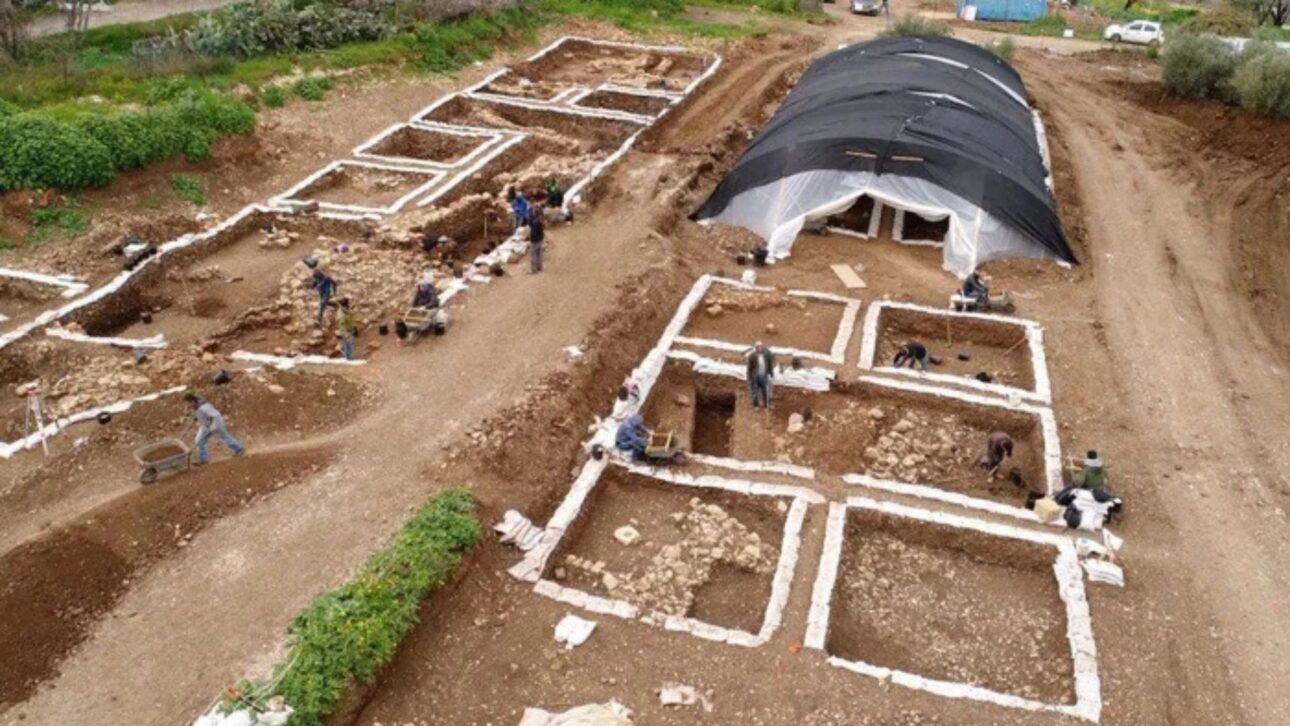
This population volume brings Motza closer to a small town in terms of human density, which helps explain why archaeologists have come to treat the site as a watershed for the study of the first sedentary communities of the Levant.
The scale of the occupation shows that early urbanization in the Middle East may have been more complex and more extensive than previous interpretations suggested.
Tools, jewelry, and figures show complex daily life in the Neolithic
According to the Israel Antiquities Authority, the excavations revealed an enormous amount of archaeological materials, including arrowheads, flint knives, axes, agricultural blades, jewelry, ornamental beads, human statuettes, and animal figures. The collection suggests a society with specialized activities, local production of tools, and a developed symbolic life.
Researchers also found evidence that some of the tools were manufactured in the settlement itself, reinforcing the idea of an organized internal economy. It was not just a place of residence, but also a center for the production and circulation of objects used in daily life and possibly in ritual practices.
Agriculture, animal husbandry, and food storage already existed on a large scale
The discovery also revealed a much more stable economic base than expected. According to the Israel Antiquities Authority, the inhabitants of Motza cultivated plants, stored large quantities of food, and raised domesticated animals, in addition to maintaining complementary hunting activities.
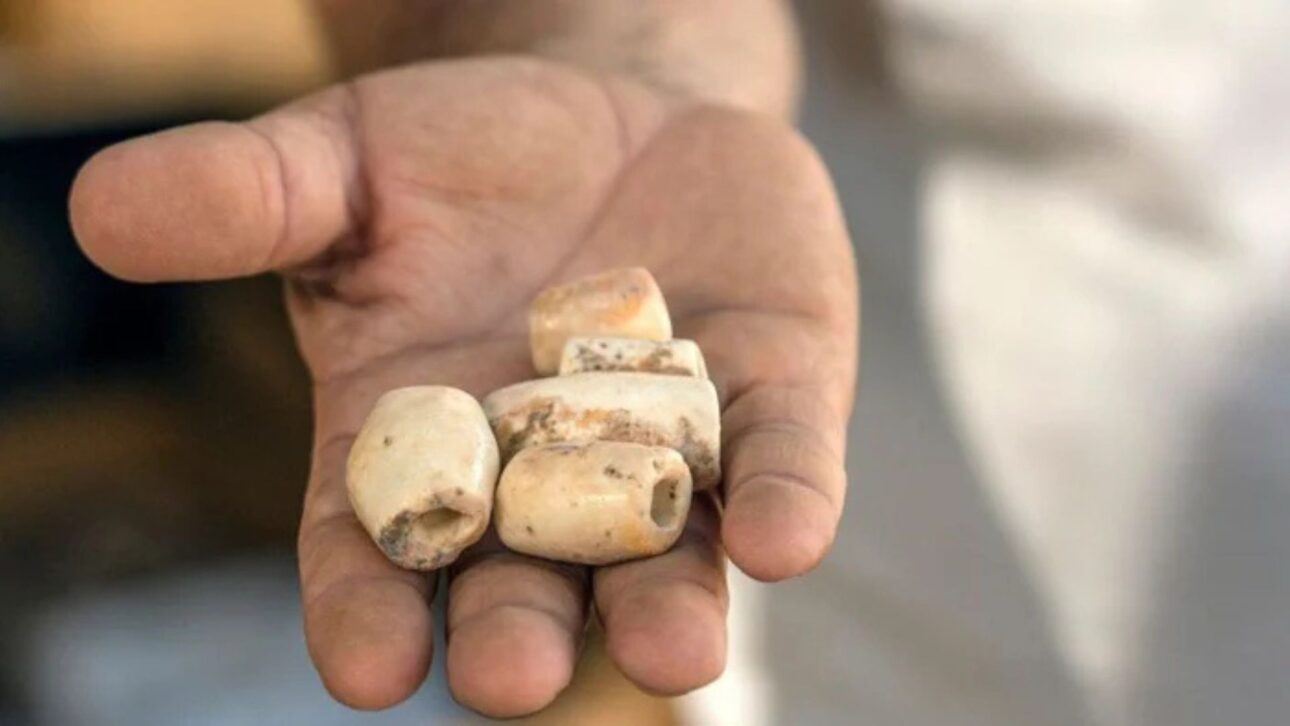
Structures for storage and signs of an organized agricultural economy were identified, showing that the city did not rely solely on immediate subsistence. This indicates productive planning, the ability to store resources, and a more advanced relationship with the territory than the traditional image of small, dispersed Neolithic communities.
Discovery of Motza changed what archaeology thought about the Jerusalem region
For a long time, part of archaeology understood that the area near Jerusalem had not supported such large settlements in the Neolithic period. The discovery of Motza directly weakened this interpretation. The Israel Antiquities Authority classified the site as the largest Neolithic community ever found in Israel and one of the largest in the entire Levant.
This means that the history of human occupation in the region will need to be revised in light of a site that combines population scale, early urbanism, abundant material production, and a consolidated agricultural economy. The amount of material recovered is so large that researchers expect studies on Motza to influence Middle Eastern archaeology for many years.
Modern highway revealed lost city beneath the soil of Jerusalem
The most impressive aspect of the case remains the contrast between the present and the past. It all began with a modern roadwork intended to improve access to Jerusalem.
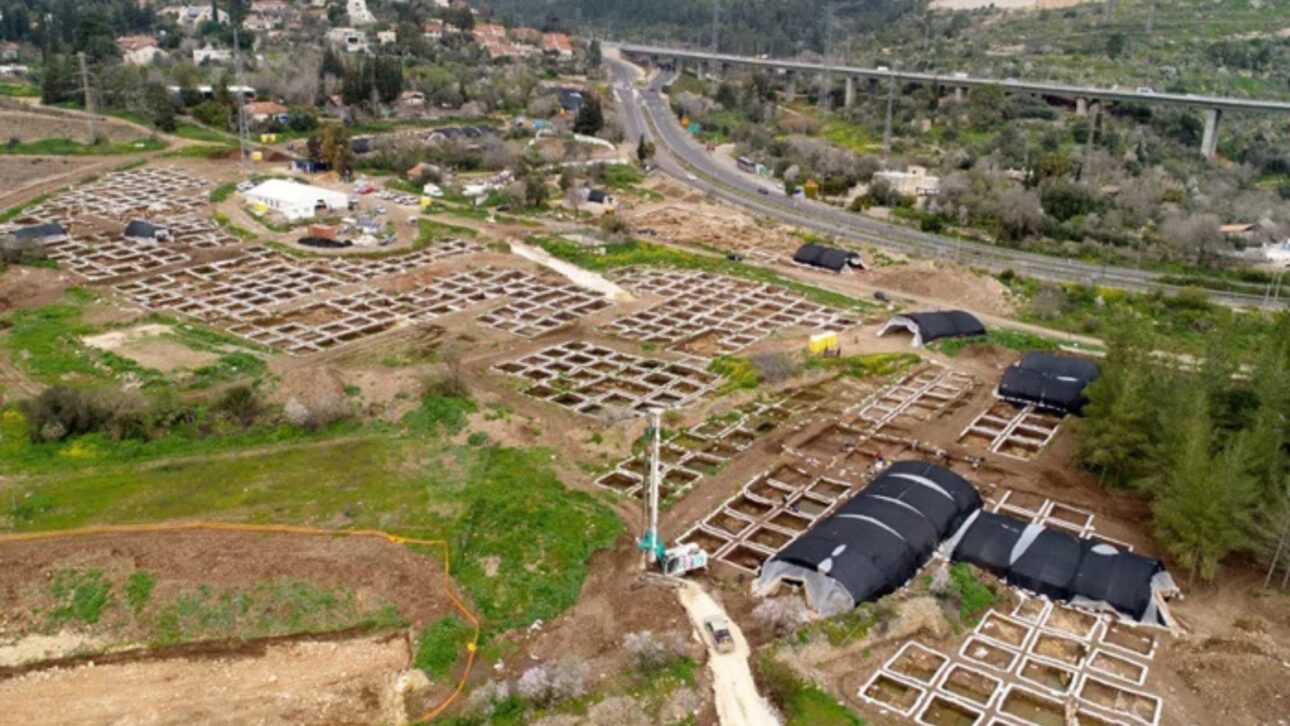
Under the layout of the new road, however, was buried an entire city that flourished thousands of years before writing, classical empires, and the great capitals of the ancient world.
The discovery of Motza reinforces one of archaeology’s most powerful lessons: some of the greatest lost cities in history are not necessarily hidden in remote deserts or isolated forests.
In certain cases, they remain buried exactly under areas where roads, machines, and present-day constructions continue to pass every day.





Be the first to react!