Portuguese
  Spanish


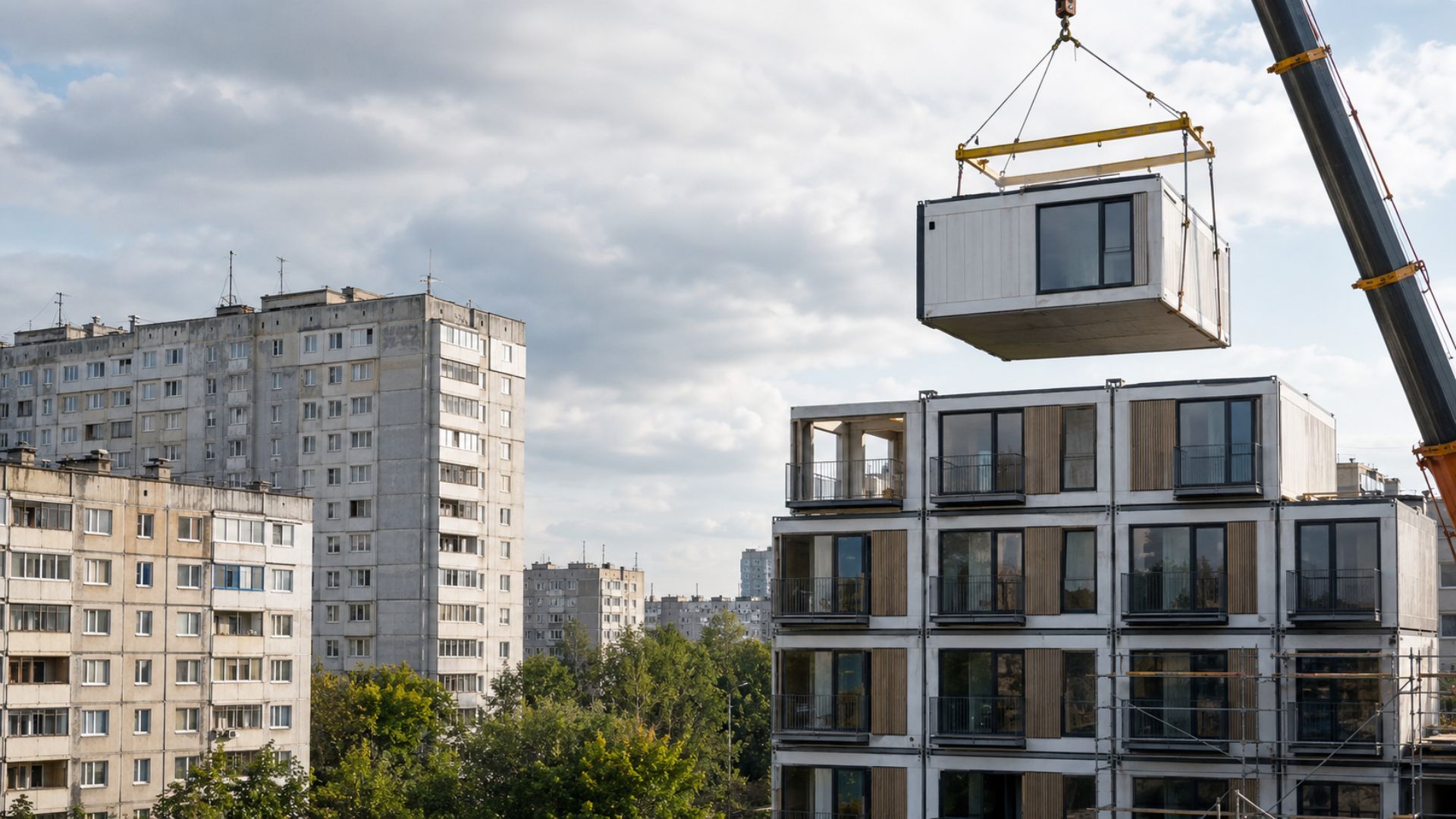

Ridiculed for decades, prefabricated blocks have gained a modern version in a factory in the Netherlands, where ready modules are produced in hours, and in Berlin, where GEWOBAG is building about 1,500 social apartments. Experts, however, warn that the idea has potential but requires strict planning and high investment.
For decades treated as ugly and outdated, the prefabricated blocks that marked former East Berlin have returned to the center of the housing debate. Today, these mass-produced concrete blocks inspire a new generation of buildings constructed inside factories, seen by some in the sector as a solution to the housing crisis in Europe. According to a report by DW Brasil released on June 10, 2026, the idea is simple in essence: take the construction to an assembly line, as happens with cars.
After World War II, the eastern part of Berlin quickly erected thousands of apartments with prefabricated concrete slabs, the famous Plattenbau. Over time, they became the butt of jokes and a symbol of rundown neighborhoods, but the urgency for housing has brought the technique back, now more modern. To understand how, one must look from a factory in the Netherlands to a large social project in Berlin.
From stigma to new life for prefabricated blocks
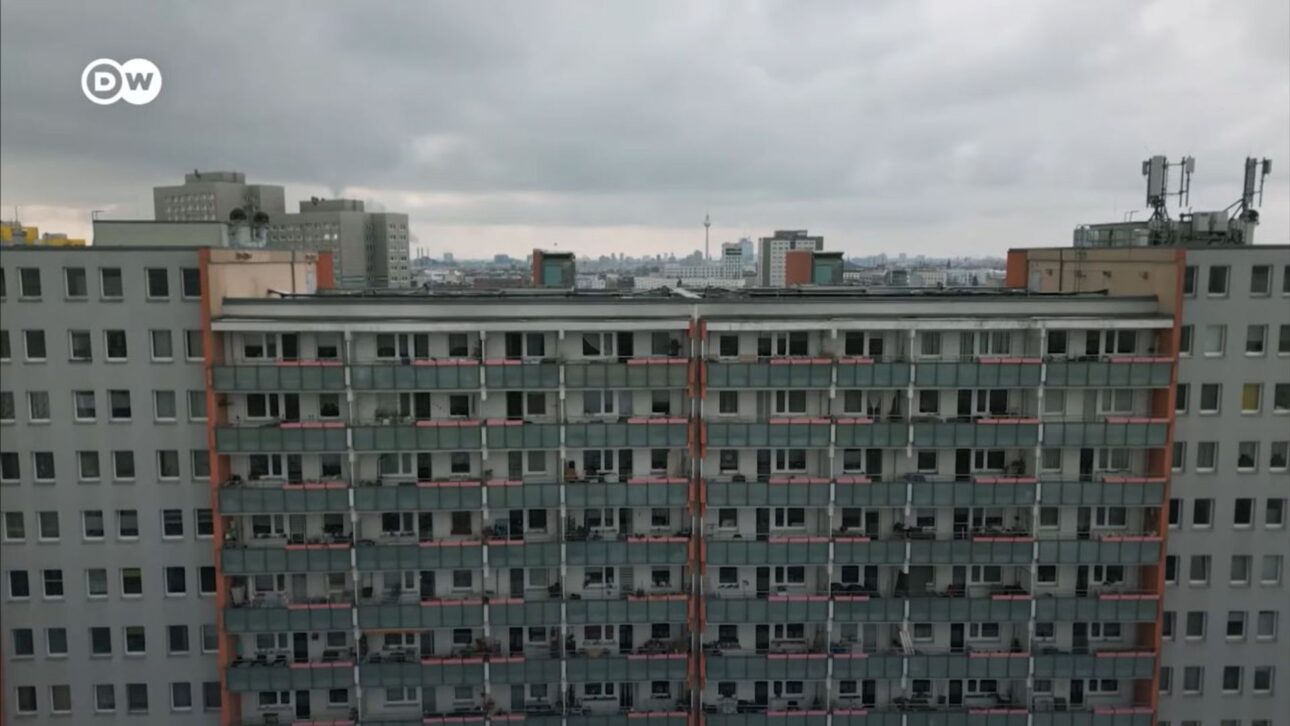
The history of prefabricated blocks begins in the reconstruction period after World War II. In the eastern part of Berlin, the solution to quickly and massively erect housing was to assemble huge concrete slabs, in fast and cheap projects. Over time, more than a million apartments were built in East Germany and throughout the Eastern bloc.
-
Brazil’s Minas Gerais Government Signs Agreement for Ring Road to Divert Heavy Trucks Away from Urban Center

-
The Great Wall of China was built with a surprising kitchen secret: sticky rice mixed with lime created a mortar so durable it has withstood centuries, earthquakes, and human destruction.

-
Tired of Seeing Homelessness, New Westminster in Canada to Open Region’s First Tiny Home Village: 30 Container Homes with Central Kitchen, Meals, and Facilities
-
Brazil’s Santa Catarina Port Drives 770 Tons of Steel Piles into the Sea, Reaches Midpoint of $100 Million Project to Dock Two Ships Simultaneously by October




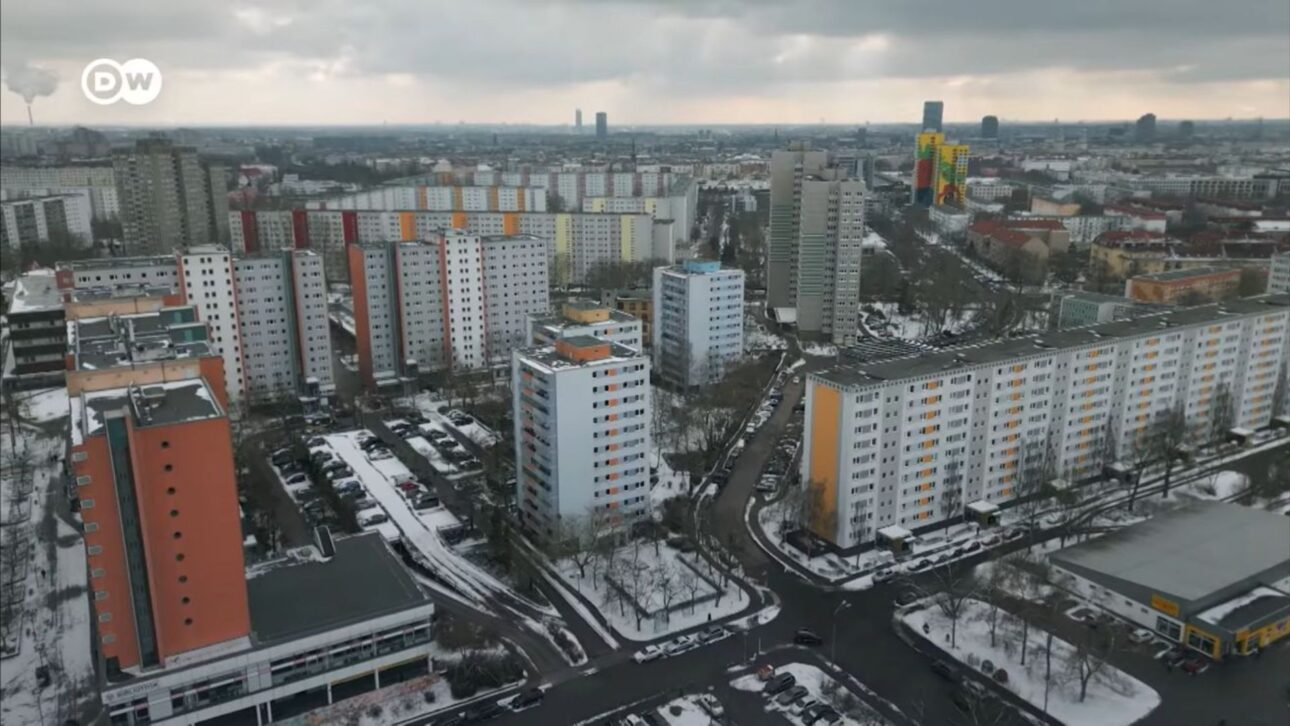
Once highly sought after, Plattenbau have become a joke in today’s Berlin. Many of the buildings are poorly maintained, and some neighborhoods face economic difficulties, creating a real stigma around these constructions. Even so, some advocate for the return of prefabricated buildings as a response to an increasingly significant problem, the housing crisis.
How the factory that assembles buildings in the Netherlands works
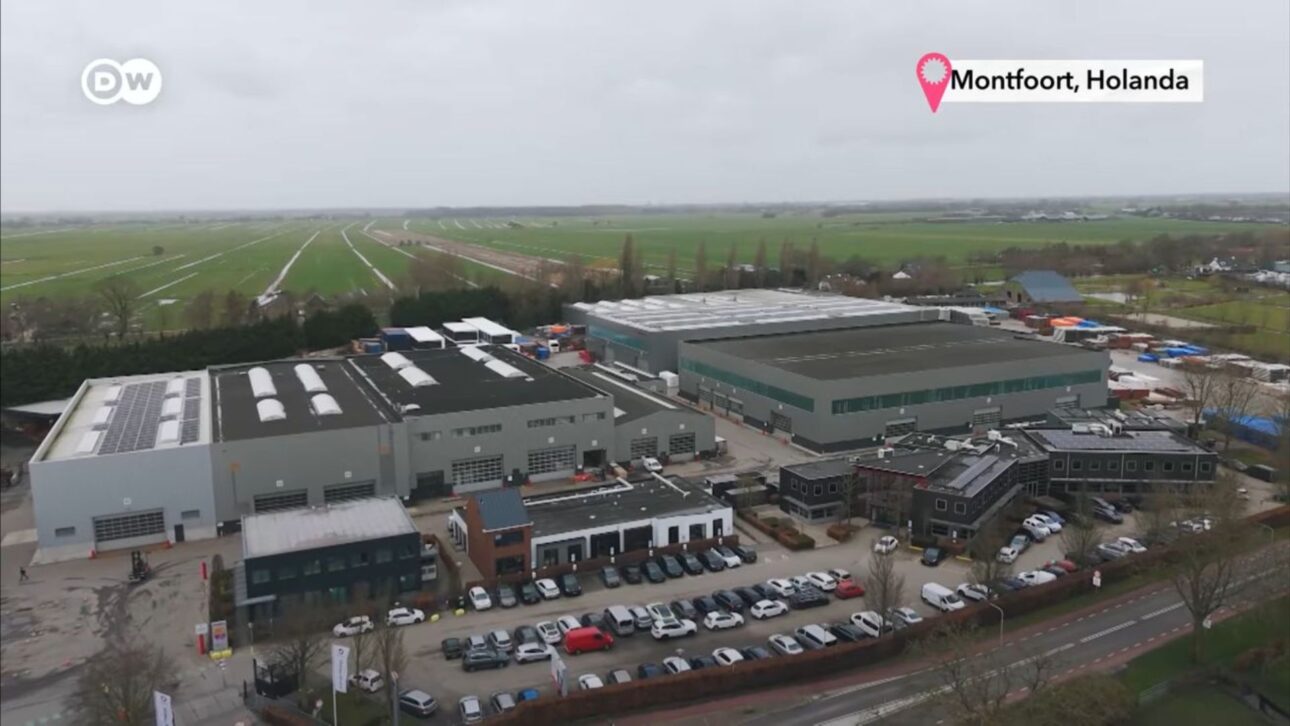
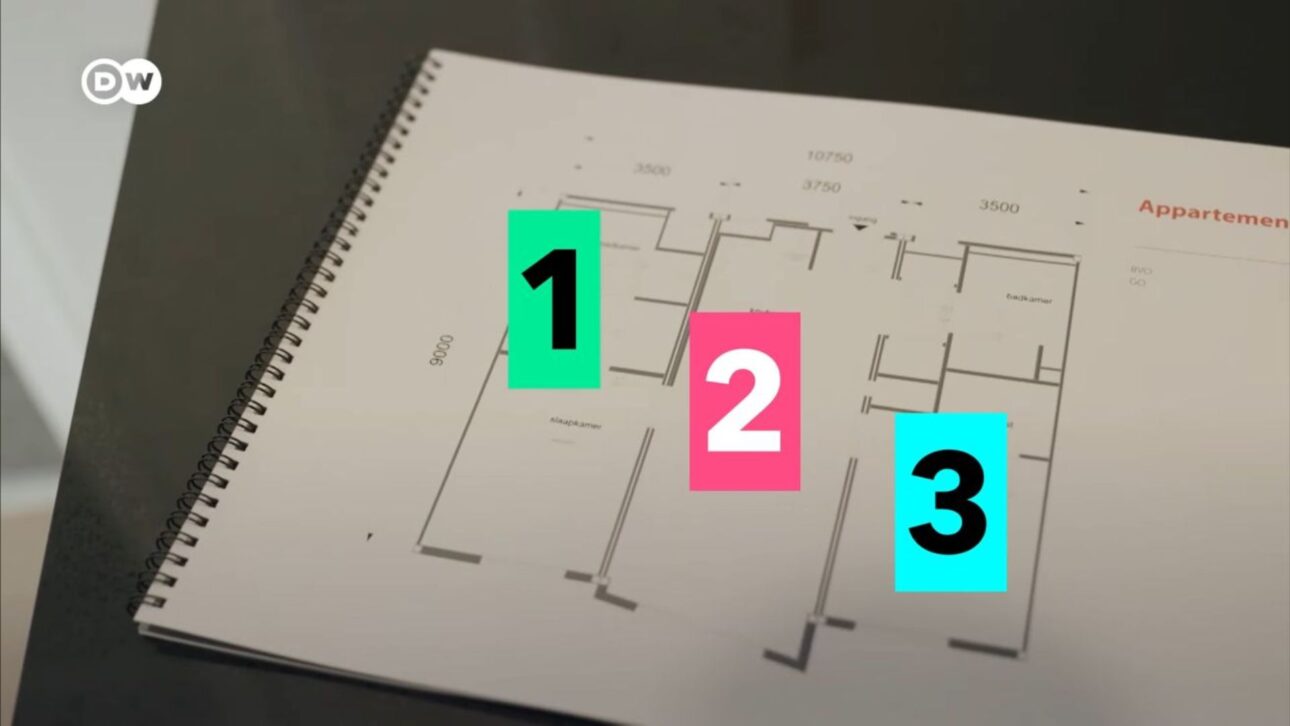
The modern version of prefabricated blocks is about 700 kilometers from Berlin, in a huge factory in the Netherlands. The space resembles several warehouses the size of a football field, but instead of cars or appliances, entire buildings are assembled there, a kind of turbocharged and more elegant Plattenbau. The large concrete slabs become fully equipped modules, self-sufficient containers that can transform into studios or, when combined, into larger apartments.
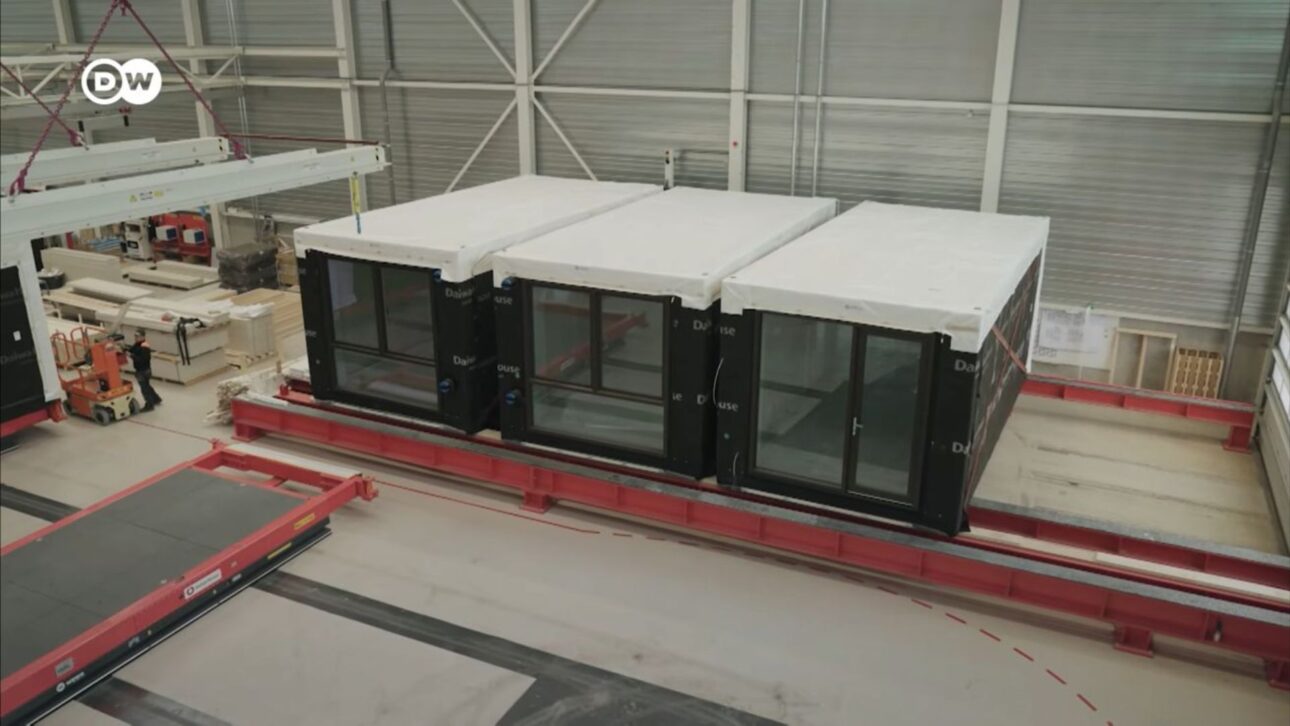
Each module moves through the factory and changes workstations every 45 minutes, until it is ready after 17 stages.
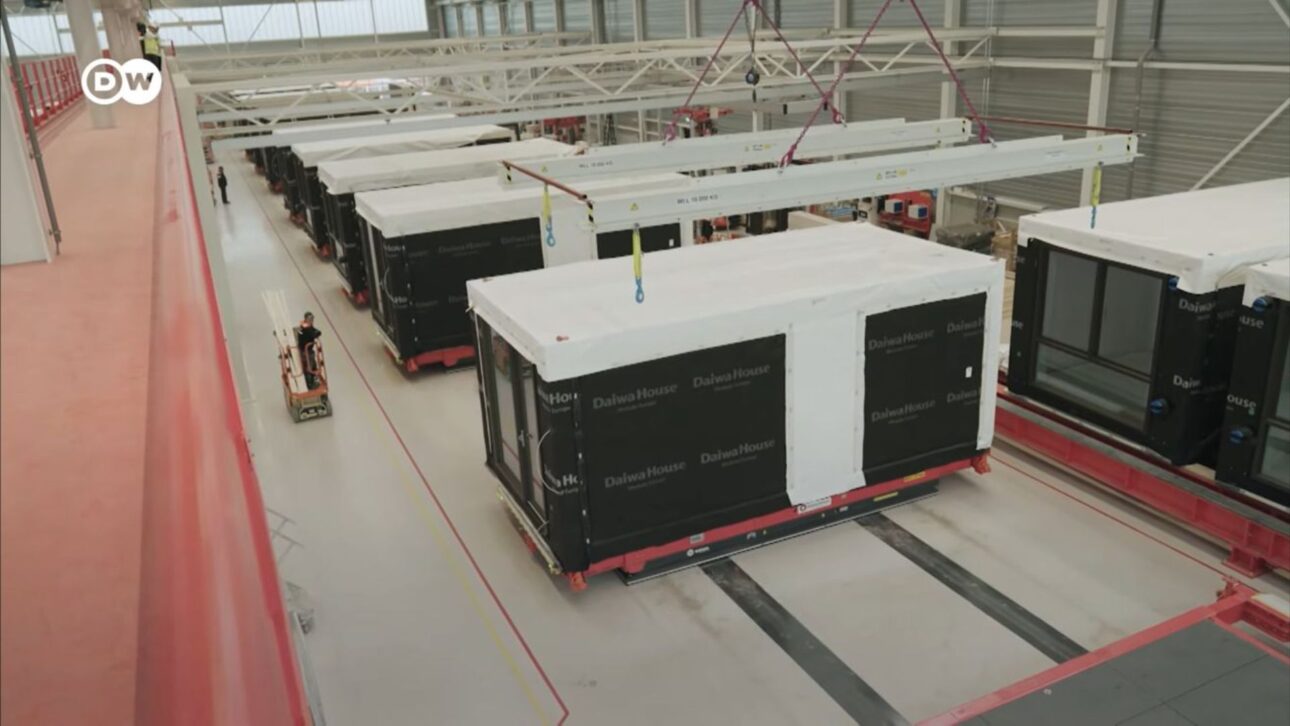
Instead of months on a construction site, with concrete, structure, insulation, and plumbing done one step at a time, this modular construction takes only 12 hours per module. There are small apartments, made from a single module, to family homes assembled with three of them.
Cheaper, faster, and reusable, according to companies
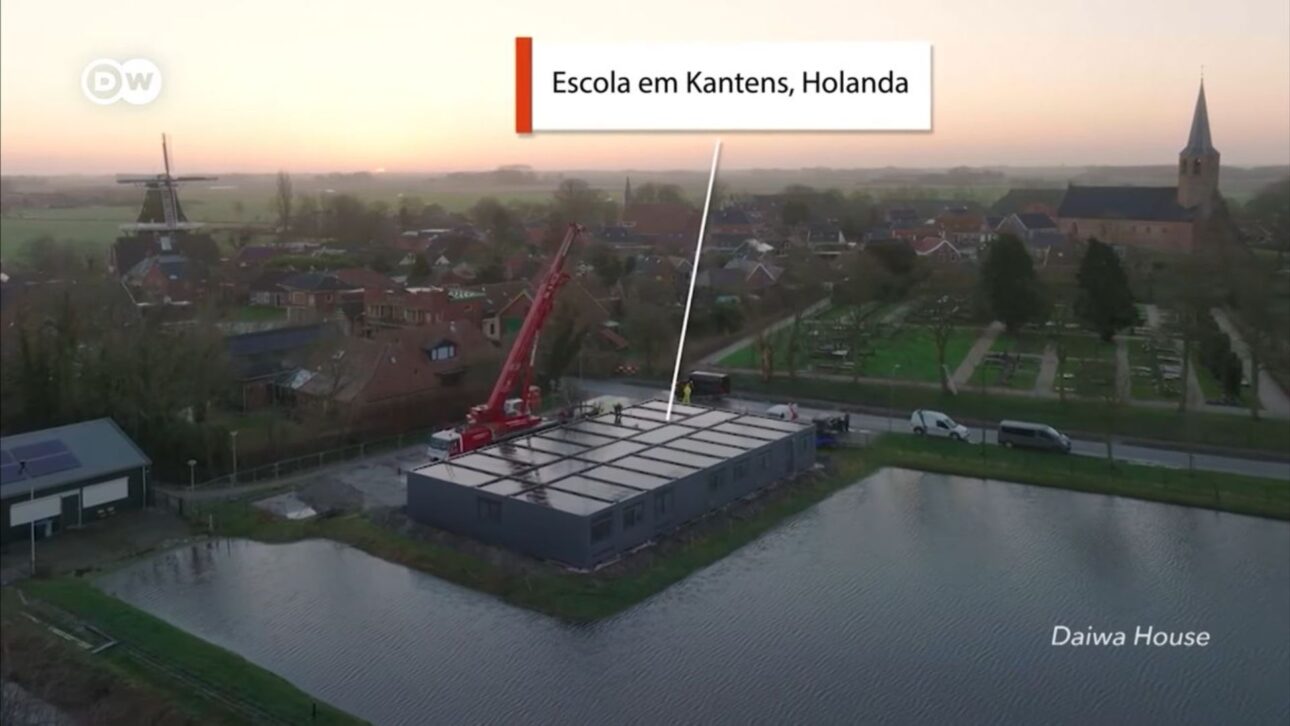
The time savings also appear in the labor used in modern prefabricated blocks. In the factory, about 30 highly specialized people produce 10 to 15 houses per day, a quantity that, in a traditional construction, would require twice the workers. According to the company’s own calculations, producing housing this way can reduce costs and deadlines by up to 50%, a number that comes from the company and is not yet an independent average.
Another argument is the possibility of reusing what has been built. Unlike a common building, which needs to be demolished when it changes function or location, a modular building can be dismantled like Lego pieces, transported by truck, and reinstalled elsewhere. Daiwa House, for example, has already relocated a modular school and says it intends to transfer 800 student apartments from Amsterdam to another city.
The social project of Berlin and the crisis numbers
Back in Berlin, the neighborhood ridiculed by the old prefabricated blocks has become a testing area for the new technique. The development is expected to house about 1,500 apartments, all made of modules, in this case manufactured in Germany itself, in one of the largest projects of its kind in Europe. About 25 modules are erected per day, and much of the work consists of stacking and fixing the pieces, with light, water, and heating connections made on site.
The project is by GEWOBAG, Berlin’s social housing organization, and provides for social housing. The rent for the smaller apartments should be between 200 and 300 euros per month, equivalent to about R$ 1,250 to R$ 1,900. According to Sebastian, responsible for the construction, the pace is about 20% faster and 20% cheaper than similar projects, with a fixed price per model, so that, according to him, “there are no surprises at the end.” The numbers help explain the interest, as the housing deficit reaches almost 10 million in India, exceeds 4 million in the USA, surpasses 1 million in Germany, and is 60 thousand just in Berlin.
The limits of modular construction


Despite the enthusiasm, the experts themselves state that prefabricated blocks do not solve everything. In a city like Berlin, the new project is still a drop in the ocean given the size of the crisis. Scaling up production is difficult because space is needed for logistics and the construction site, which doesn’t work on narrow streets in the center, and building giant factories requires a high initial investment, even if savings come in the long run.
The experience of other countries shows that the path is not automatic. Sweden and the Netherlands invested early in the necessary infrastructure, while in the USA the sector is growing turbulently, with important startups that went bankrupt, since modular construction only pays off when the project is perfect and almost doesn’t change midway. In India, where the sector is not very centralized, researcher Avlokita advocates for systems adapted to each region and climate, at the risk of the technology not truly helping.
In the end, yesterday’s prefabricated blocks help shape a different way of building today. Assembling an entire building like assembling a car is already possible, and modular construction tends to work better when standardization makes sense, such as in social housing, student accommodations, and large projects by a single developer, and less in highly personalized individual houses. The potential exists, even if it doesn’t suit all cases, and with planning and investment, it can house more people quickly, at a lower cost, and with less impact on the planet.
And you, is there any modular construction or prefabricated project near where you live? Do you think this is a good solution for the housing crisis? Share your opinion and exchange ideas with other readers.