





 Portuguese
  English
  Spanish
  5 min of reading
  0 comments


Case at Quebrada Blanca mine exposed a tailings dam with long crack, inspected infiltration, open fissure, and repairs announced by Teck in Chile
Workers saw leaks in a copper mine tailings dam in Chile before the regulator found infiltration, a 18-centimeter fissure, and a 240-meter crack at the top of the structure.
The information was published by Reuters, an international news agency, on December 9, 2025. The case involves the Quebrada Blanca mine, operated by Teck, and Sernageomin, the Chilean mining regulator.
The central point is technical and requires caution. The company stated that the dam remained stable and safe, but the presence of leaks, infiltration, and fissure put the structure under the attention of workers and inspection.
-
At 94 years old, Seu Luiz still takes hold of the hoe, tends to the vineyards, and makes his own wine in the countryside, and he assures that staying idle indoors is precisely what tires him the most.

-
A US$211 million project in the Philippines promises to quench Manila’s thirst with 600 million liters per day, but indigenous residents fear losing their homes in the mountains.

-
A Brazilian city launched “Operation Tom & Jerry,” releasing an army of cats to hunt rats along the coast, and saw the plan spiral out of control after animal abandonment, an explosion of the feline population, and a new public health issue.

-
A student from São Paulo named Júlia Ramos Genzini creates a thermal method that separates the fiberglass from the resin of wind turbine blades, winning 1st place in Engineering at USP’s Febrace and tackling waste that could amount to 43 million tons worldwide.



240-meter crack drew attention at the top of the tailings dam
The crack crossed the top of the main wall of the tailings dam. This top functions as the upper part of the structure, where a long opening may indicate movement, internal pressure, or need for repair.
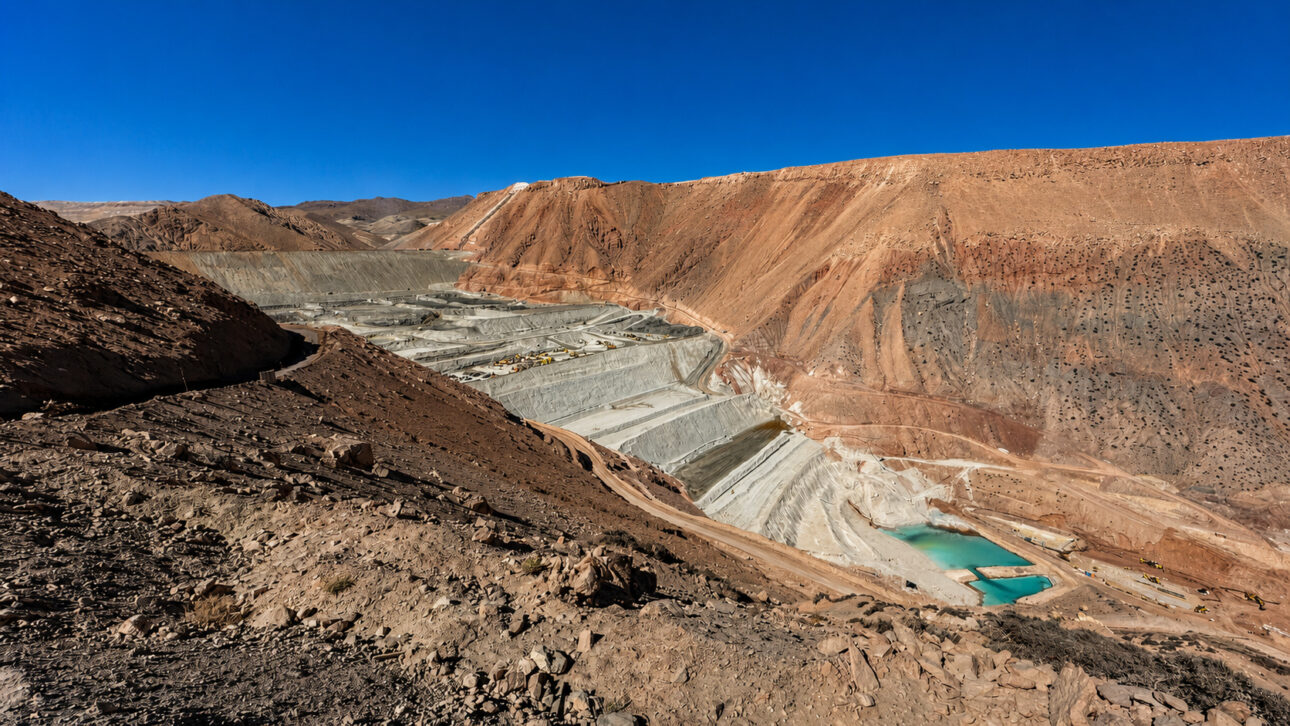
The number 240 meters makes the case visually striking. It’s like imagining a long crack in a structure designed to contain mining waste.
The identified fissure was 18 centimeters. This data matters because the width of the opening helps technicians assess whether the problem is stationary, increasing, or related to the presence of water.
The dam is connected to the Quebrada Blanca copper mine in Chile. In such an operation, tailings are materials left over after the ore has been processed.
Workers reported leaks before the regulator’s inspection
The workers’ concerns began with leaks in the dam wall. Later, there were also reports of a large fissure along the top of the structure.
Sernageomin conducted inspections on August 1 and 2. During this inspection, a crack of 240 meters, an opening of 18 centimeters, and accumulated water at the base of the wall were identified.
Sernageomin is the Chilean mining regulator. In practice, it is the body that oversees technical points related to safety in mining activities in the country.
Tailings dams require permanent control. Even so, the case should be treated as a technical alert, without asserting the risk of rupture.
What is a tailings dam and why infiltration requires care
A tailings dam holds the material that remains from mining. This material can contain water, fine particles, and residues from the process used to separate the ore.
When infiltration appears, it means that water is passing through or accumulating in points that need to be assessed. In a dam, uncontrolled water can change the behavior of the structure.
Therefore, infiltration should not be ignored. It needs to be measured, observed, and investigated so that technicians understand the origin of the problem.
The presence of crack and water serves as a warning sign. It does not prove, by itself, that the structure will fail, but it requires technical explanation and continuous monitoring.
Teck stated that the structure remained stable and secure
Teck stated that the tailings dam was stable and secure. The company also reported that the problems were repaired and that workers were not at risk.
Reuters, an international news agency, recorded Teck’s response and the documents related to Sernageomin’s inspections. The company declared that there was never any risk to the safety or integrity of the facility or to the employees.
The mining company also stated that the cracks seen at the end of July were not uncommon for this type of dam construction. Furthermore, it indicated having resolved a pipeline leak that resulted in water discharge.
This version shows the position of the company responsible for the operation. At the same time, the regulator’s inspection shows that the issue required registration, demand, and technical monitoring.
Sernageomin demanded immediate notification about incidents
Sernageomin criticized Teck for not quickly communicating the problems. The inspection report pointed out that the company needed to notify the service immediately or quickly when incidents occurred.
This point is important because the safety of a dam does not depend solely on repairs. It also depends on communication, registration, and response within the correct timeframe.
After the inspections, Teck began sending weekly monitoring reports to Sernageomin since the beginning of August. This monitoring helps to observe if the structure remains stable after the corrections.
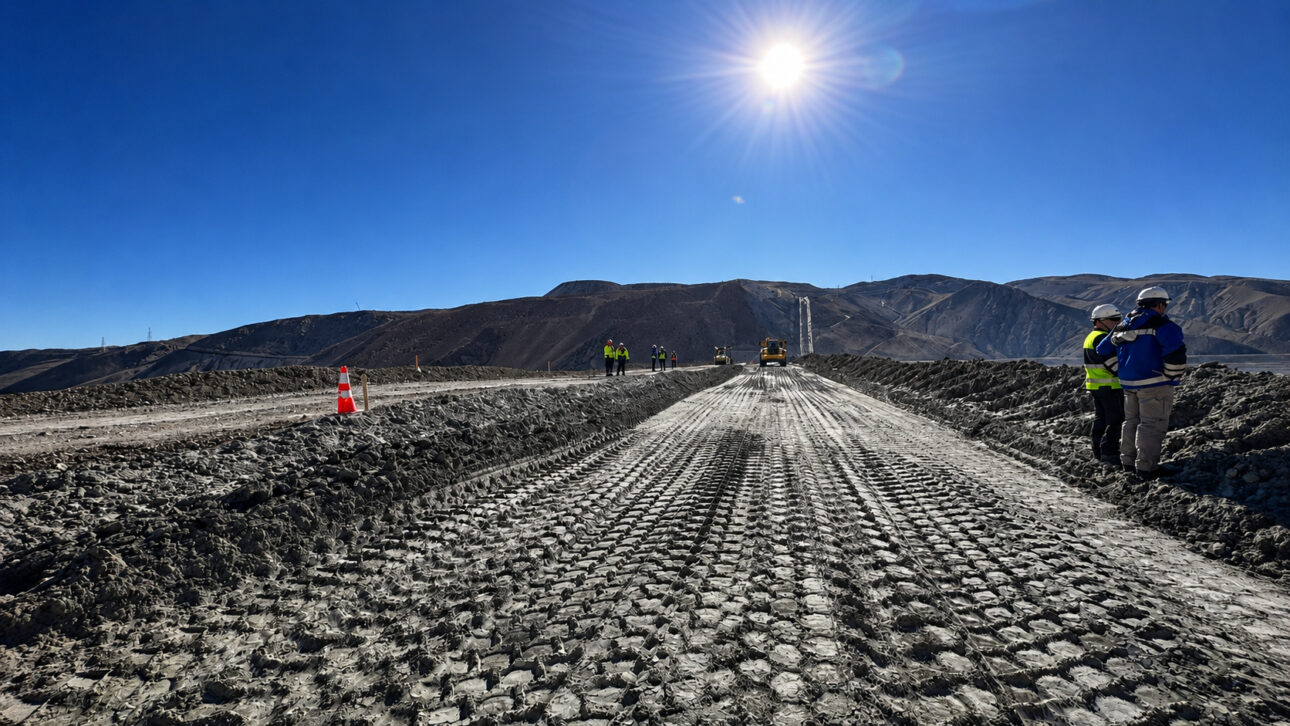
In tailings structures, monitoring is not a detail. It is an essential part of the operation, especially when there has already been cracking, infiltration, and leakage.
Why the case matters for a copper mine in Chile
Copper is an important metal for industry, construction, electrical networks, and equipment. Therefore, problems in a large copper mine attract attention beyond the construction site.
Quebrada Blanca is a significant operation of Teck in Chile. When a tailings dam at this mine shows cracking and infiltration, the issue concerns workers, regulators, and investors.
The situation also shows how a visible failure can open a larger discussion about operational safety. A long crack at the top of the dam is not just a mark on the ground, but a sign that requires technical interpretation.
The main information for the reader is simple: there was an alert, there was an inspection, there was a company response, and there were repairs. The case does not warrant exaggerations but shows why tailings dams require constant oversight.
The care not to turn a technical alert into panic
The case of the Quebrada Blanca mine does not allow us to state that the dam will break. The reliable information is that workers reported leaks, the regulator found infiltration, there was an 18-centimeter fissure, and a 240-meter crack crossed the top of the structure.
It is also important not to treat every crack as an announced disaster. In engineering, signs like fissures and infiltrations need to be measured, investigated, and monitored before any conclusions.
Teck declared stability and safety, while Sernageomin recorded technical findings and demanded quick communication. This combination shows a situation that required attention, not speculation.
In the end, the image of the long crack in a tailings dam in the Chilean desert sums up the weight of the case. When water, fissure, and mining waste appear in the same structure, the response needs to be technical, transparent, and continuous.
If a tailings dam shows cracking and infiltration, what level of transparency should the company and oversight offer to the public? Comment and share.





Be the first to react!