





 Portuguese
  English
  Spanish
  2 min of reading
  0 comments


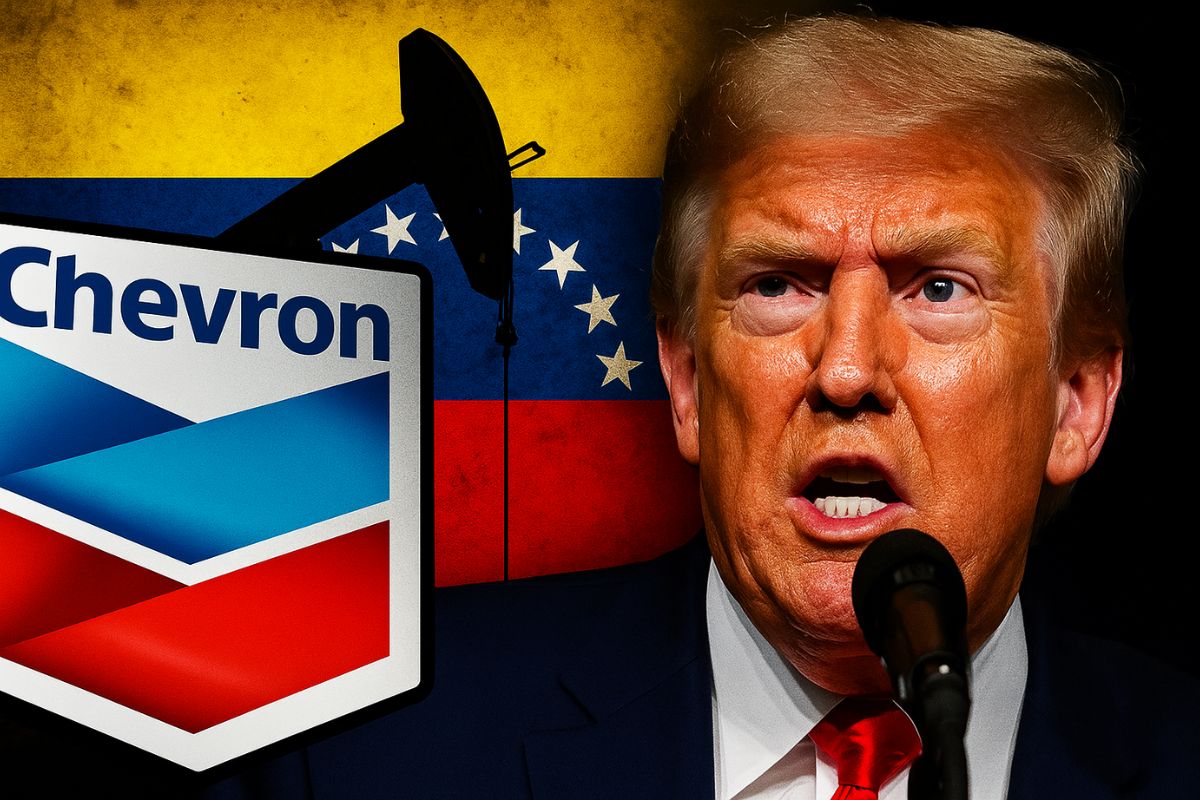
After Months of Negotiations, American Multinational Resumes Oil Extraction in Country, Without Passing Profits to Maduro Government
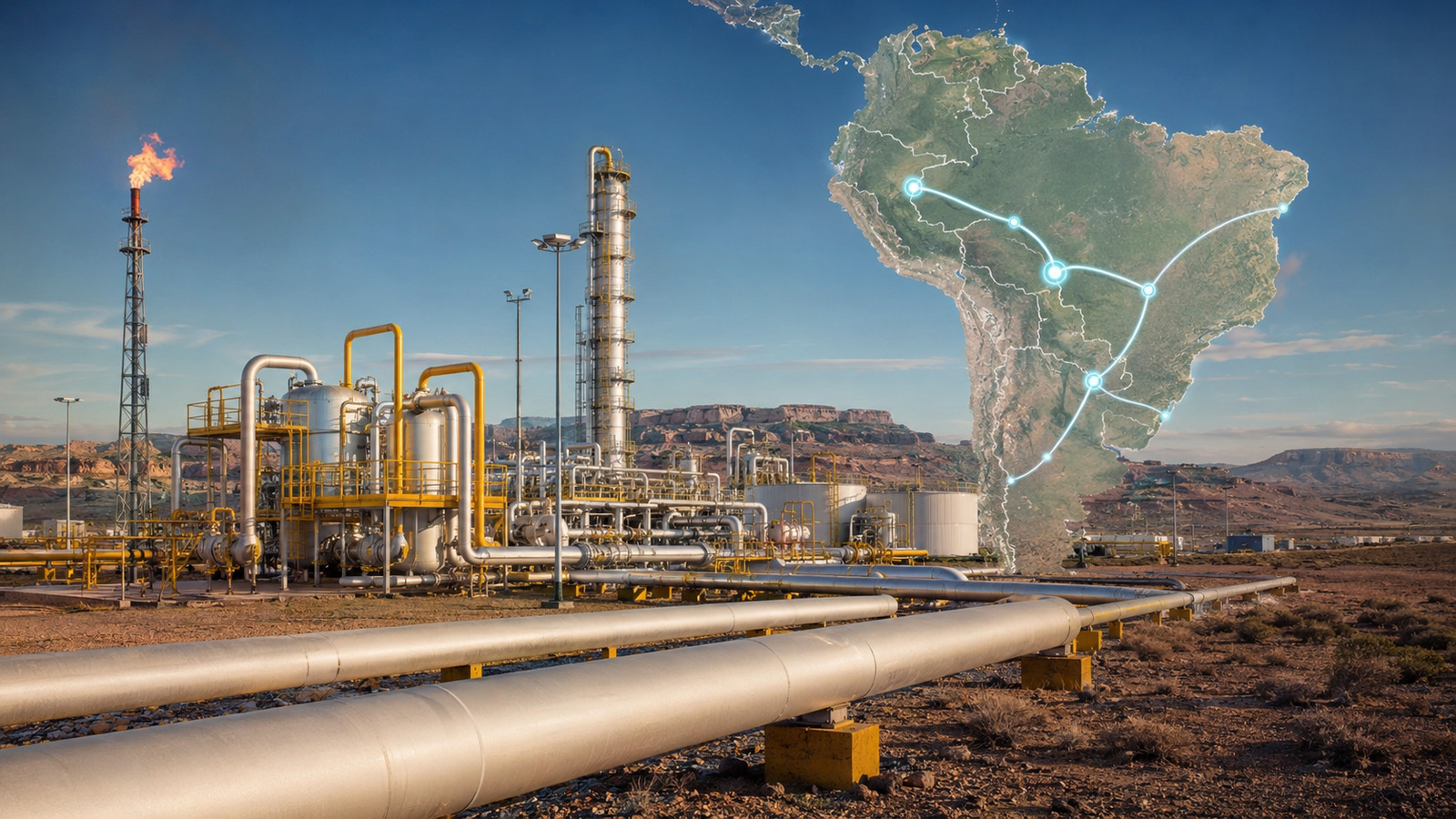
Chevron Resumes Oil Operations in Venezuela with Trump’s Approval, as announced by President Nicolás Maduro this Thursday (25). The authorization was confirmed by Venezuelan Vice President Delcy Rodríguez, after a green light was given directly by the White House to the energy group.
The American company had halted its activities in the Caribbean country in May, due to the expiration of a special license that allowed it to operate even under sanctions imposed since 2019. Now, with the new authorization, production will be resumed with a strict clause: no royalties or taxes can be passed on to Maduro’s regime.
Restricted License and Financial Surveillance
The decision to release Chevron comes after months of negotiations between Washington and Venezuelan energy sector intermediaries, as reported by Reuters and Telesur. The measure stipulates that the profits from operations will be retained in accounts abroad, which maintains the current sanctions policy but allows for technical advancement in extractive activities.
-
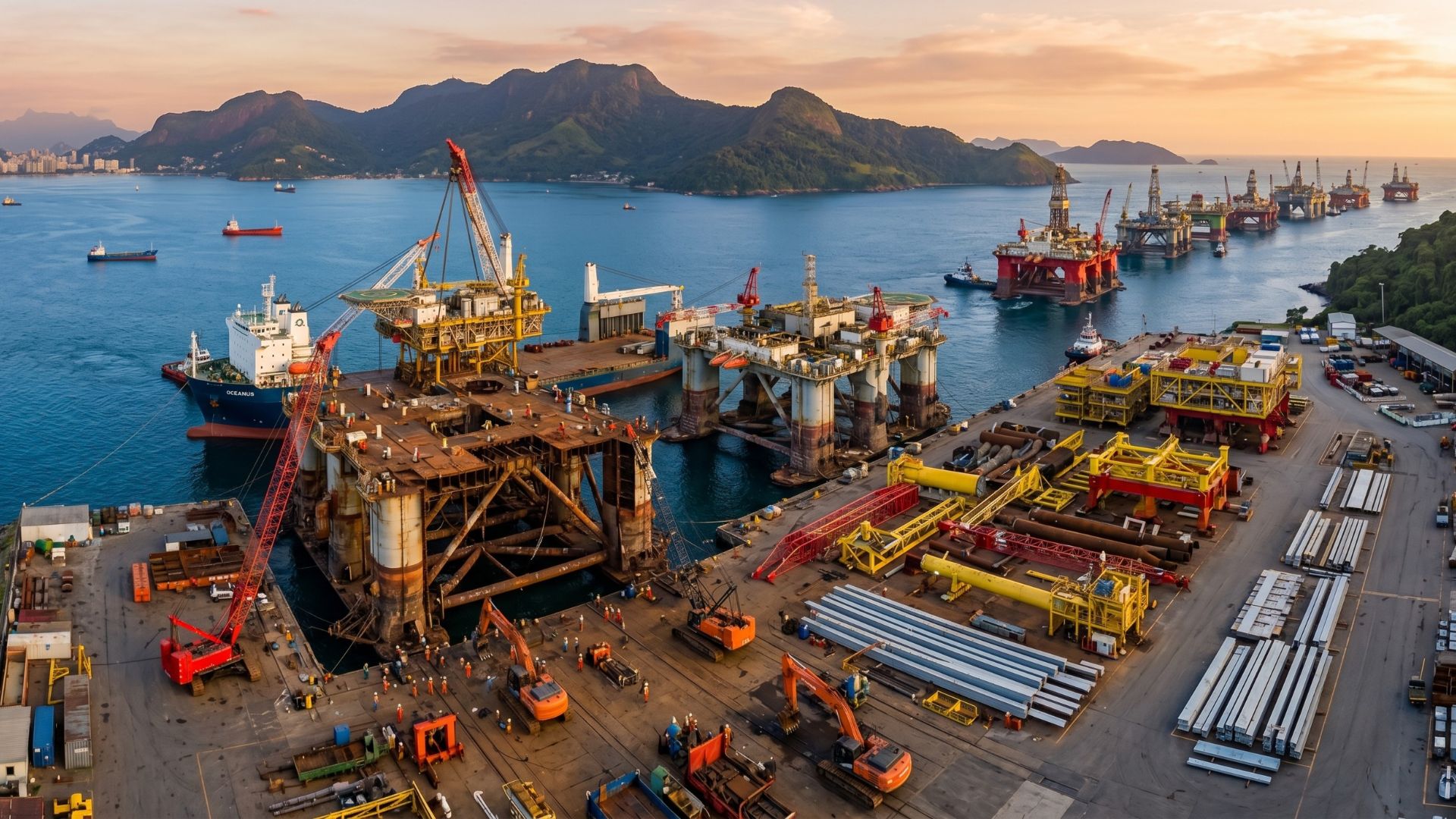
More than 40 Petrobras platforms enter the decommissioning queue and open up a billion-dollar industry in Brazil for cranes, special ships, underwater cutting, and offshore recycling.

-
ANP schedules oil auctions in October and reinforces regulatory predictability for concessions, sharing, and investments in the oil and gas sector

-
There is oil below the oil that Brazil already extracts: Petrobras confirmed a new accumulation in the Búzios field, at a depth of 5,600 meters, in a zone below the reservoir already operating in the Santos Basin.

-
404 km off the coast of Rio de Janeiro, an oil company drilled 5,855 meters into the ocean and discovered the largest oil and gas reserve found in a quarter of a century.


According to President Donald Trump, the objective is strategic: to reduce China’s growing influence in Latin America, especially in areas like oil, gas, and infrastructure. Chevron is currently the last major American oil company with an active presence in Venezuela.
The Geopolitical Importance of Chevron in Venezuela
Chevron Resumes Oil Operations in Venezuela with Trump’s Approval just as the United States faces international pressures for energy security. Venezuela holds one of the largest oil reserves in the world, but its production has drastically fallen in recent years to below 800,000 barrels per day, according to OPEC.
With Chevron’s return, a gradual increase in production is expected, with the potential to influence the global market. However, analysts emphasize that the authorization is limited and subject to review, which keeps the environment uncertain for international investors.
American Strategy: Access without Funding to the Regime
The State Department has yet to issue an official statement detailing the terms of the new license. However, sources close to the government indicate that Chevron may operate in partnership with the state-owned PDVSA, as long as resources are controlled outside of Venezuelan territory.
This maneuver allows the U.S. to maintain political pressure on Maduro’s government, without giving up access to the region’s strategic energy resources. Chevron, in turn, can preserve its assets and maintain the minimum operational infrastructure in the country.
In your opinion, should the U.S. negotiate with authoritarian regimes for strategic reasons? Or does this undermine their foreign policy? Comment below.






Be the first to react!