





 Portuguese
  English
  Spanish
  3 min of reading
  0 comments


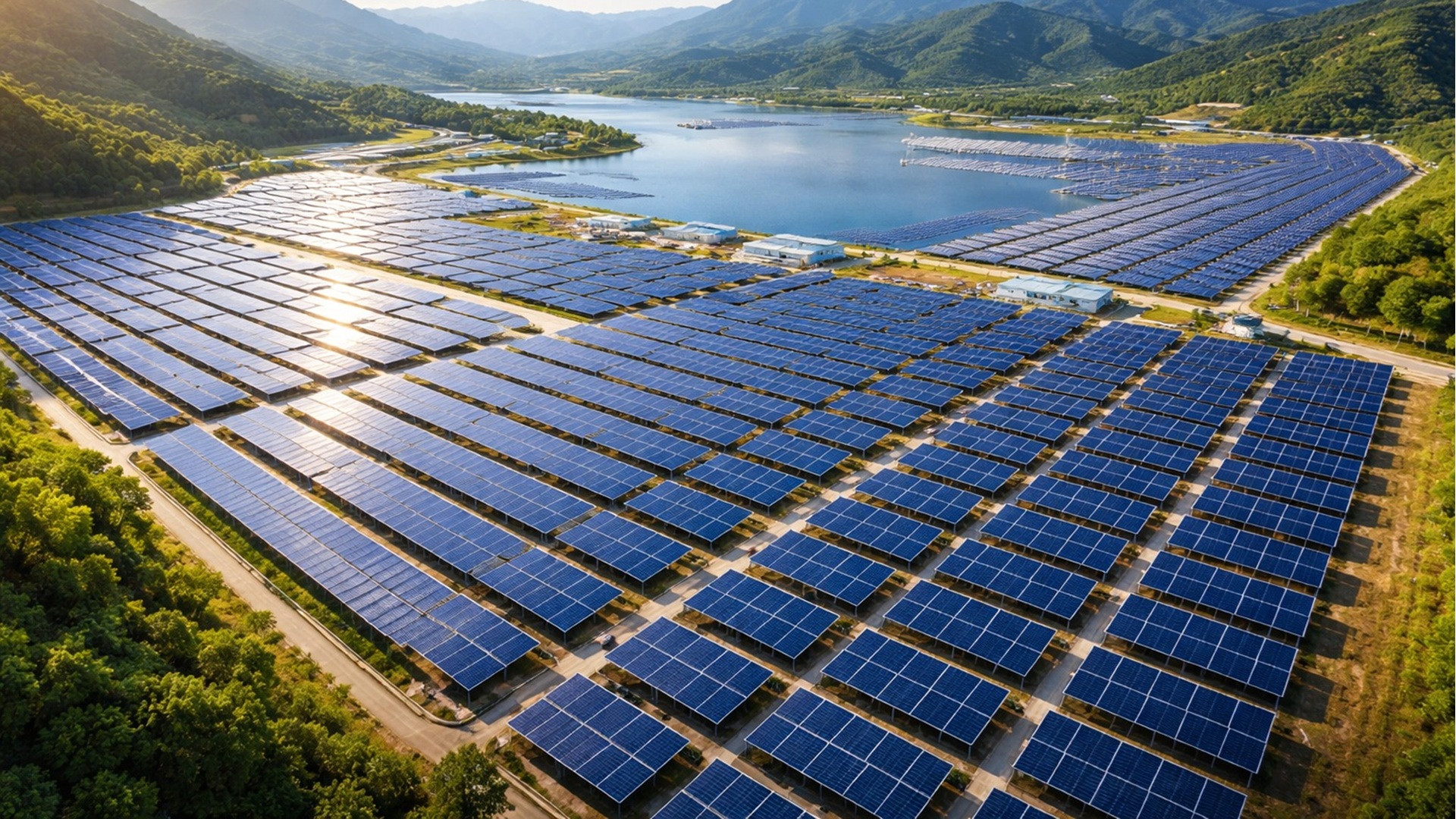
The Gigantic Solar Power Complex Located on the Tibetan Plateau Not Only Leads Global Generation With Almost 17,000 Megawatts of Installed Capacity, But Also Positively Transforms the Desert Ecosystem by Increasing Soil Moisture and Local Biodiversity
The largest solar farm complex in the world, located in Qinghai, China, produces nearly 17,000 megawatts of energy and, according to a study by Nature, improves local biodiversity and generates jobs, supporting the market of 11 million electric vehicles.
Generation Capacity and Remote Location
The largest cluster of solar farms in the world is located in Qinghai, China. The facility is situated high on the remote Tibetan Plateau and significantly surpasses the largest solar farm in the United States.
The Chinese government expects projects like this to propel the country toward a renewable future. The Qinghai cluster can produce almost 17,000 megawatts of energy, according to data reported by the New York Times.
-
While water remains limited outside of Earth, scientists are betting on plasma rays to sanitize astronauts’ clothes in future lunar and Martian missions, a technology that could revolutionize the infrastructure needed to colonize other worlds.

-
Red mud mountain in Louisiana could become a strategic U.S. mine: a $67 million project aims to extract up to 1,000 tons of rare earths per year from industrial waste and strengthen its national critical minerals supply chain.

-
End of the drought: revolution in the Atlantic is changing the way of drinking water with a plant that captures water under the ocean and produces up to 100 million liters per day using 340-meter underwater tunnels; Senegal inspires projects in Brazil and other countries.

-
Xiaomi launches 20,000 mAh power bank with integrated USB-C cable, 74Wh approved for air travel, 22.5W fast charging, and support for three devices simultaneously for 149 yuan in China.




Environmental Impact and Biodiversity in the Desert
A study published in the journal Nature states that the miles of panels change the desert environment. The presence of the infrastructure helps improve the biodiversity of the surrounding area by analyzing nutrients and air moisture.
Researchers found that the solar farm helped increase soil moisture levels. This affected the land structure, allowing a greater variety of microbes and plants to thrive in the region.
The improvement in soil conditions allowed for more life within the farm than in the neighboring desert. The panels absorb solar radiation, leading the soil below to lose less water.
Water Retention Mechanisms and Employment
The reduced evaporation from shading is a key factor in increasing soil moisture. Regular washing of the panels was also noted as a potential reason for this higher water content.
In addition to reducing greenhouse gas emissions with clean electricity, the project helps the environment. The study observed unexpected benefits for local nature resulting from the massive installation of the panels.
The solar farm required local workers to operate the immense renewable energy structure. This helped boost jobs in an area where there were few employment opportunities for the resident population.
Electric Vehicle Market and Manufacturing
China has an advantage in creating giant farms, as it dominates the supply of solar cells. The country has a huge domestic demand for electricity, being the largest EV market by a significant margin.
According to the IEA, 17 million electric vehicles were sold worldwide in 2024. More than 11 million of those units were sold in China, representing a massive share of the current global automotive market.
Currently, about 10% of all cars on the roads in China are electric. To power them, the country will need to continue developing massive projects like the solar power cluster located in Qinghai.





-

-

-

5 people reacted to this.