Portuguese
  Spanish


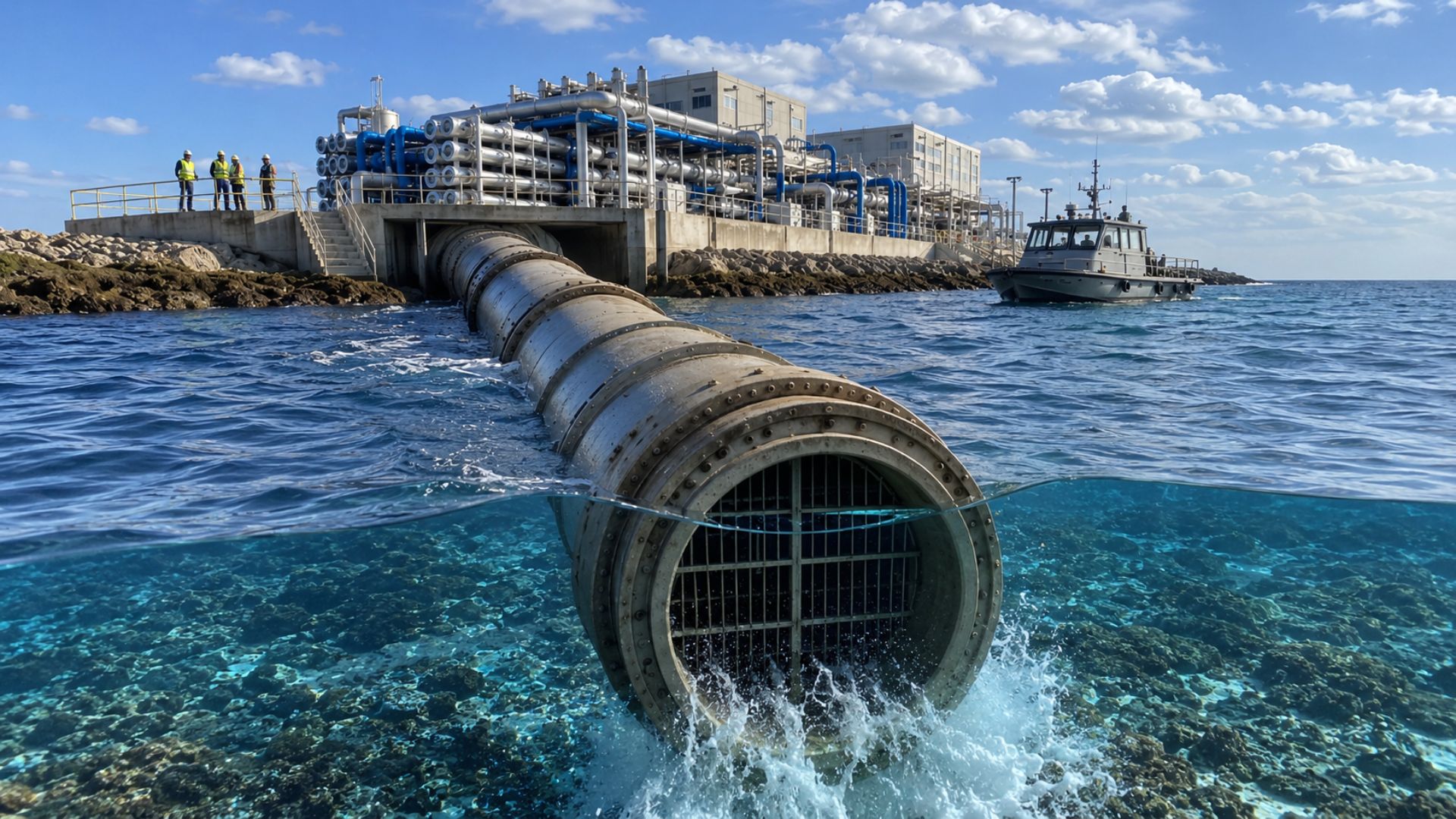

Megaproject in Senegal exposes how desalination advances over the Atlantic, combines underwater tunnels, coastal engineering, and large-scale urban supply, while Brazilian initiatives aim at similar solutions to face droughts, pressure on reservoirs, and the search for new sources of drinking water.
The Mamelles desalination plant in Dakar advances as one of the most relevant works in West Africa to reinforce the supply of drinking water in a region pressured by urban growth and water scarcity.
The project in Senegal foresees an initial production of 50 million liters per day, with planned expansion to 100 million liters daily, a volume equivalent to 100 thousand cubic meters.
The structure was designed to capture water directly from the Atlantic Ocean through underwater works executed with microtunneling, a technique used to install pipelines under the coastal strip with less surface interference.
-
3,000-Ton, 81-Meter Attack Submarine Begins Sea Trials, Equipped with Heavy Torpedoes and Anti-Ship Missiles

-
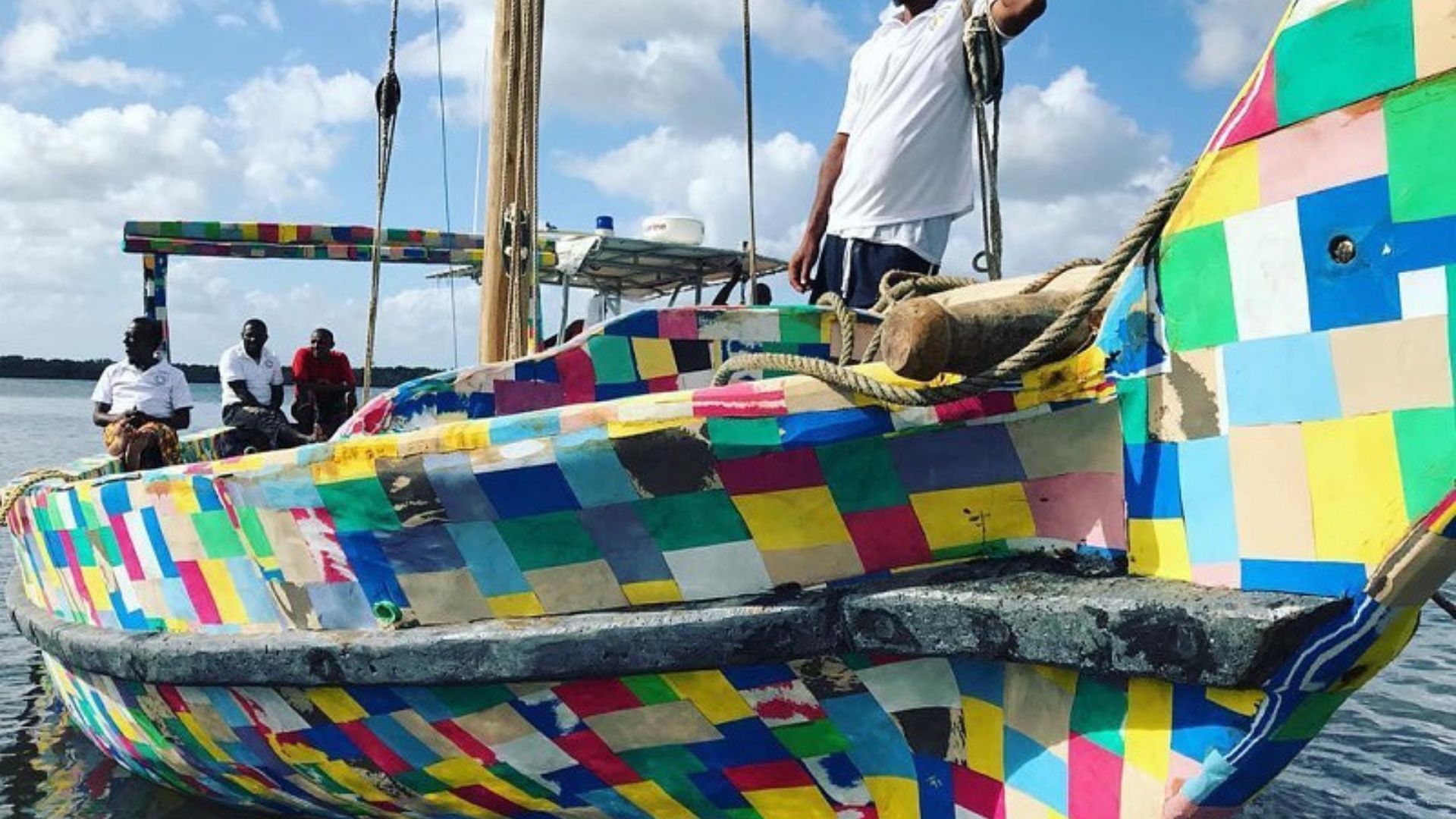
Boat Made from 10 Tons of Plastic and 30,000 Discarded Flip-Flops Sails Along African Coast, Serving as a Floating Classroom on Ocean Pollution
-
Welder Discovers 16th-Century Diamond Ring in England After 7 Hours with Metal Detector; Gold Jewel Linked to Edward I Pattern Auctioned for £17,000
-
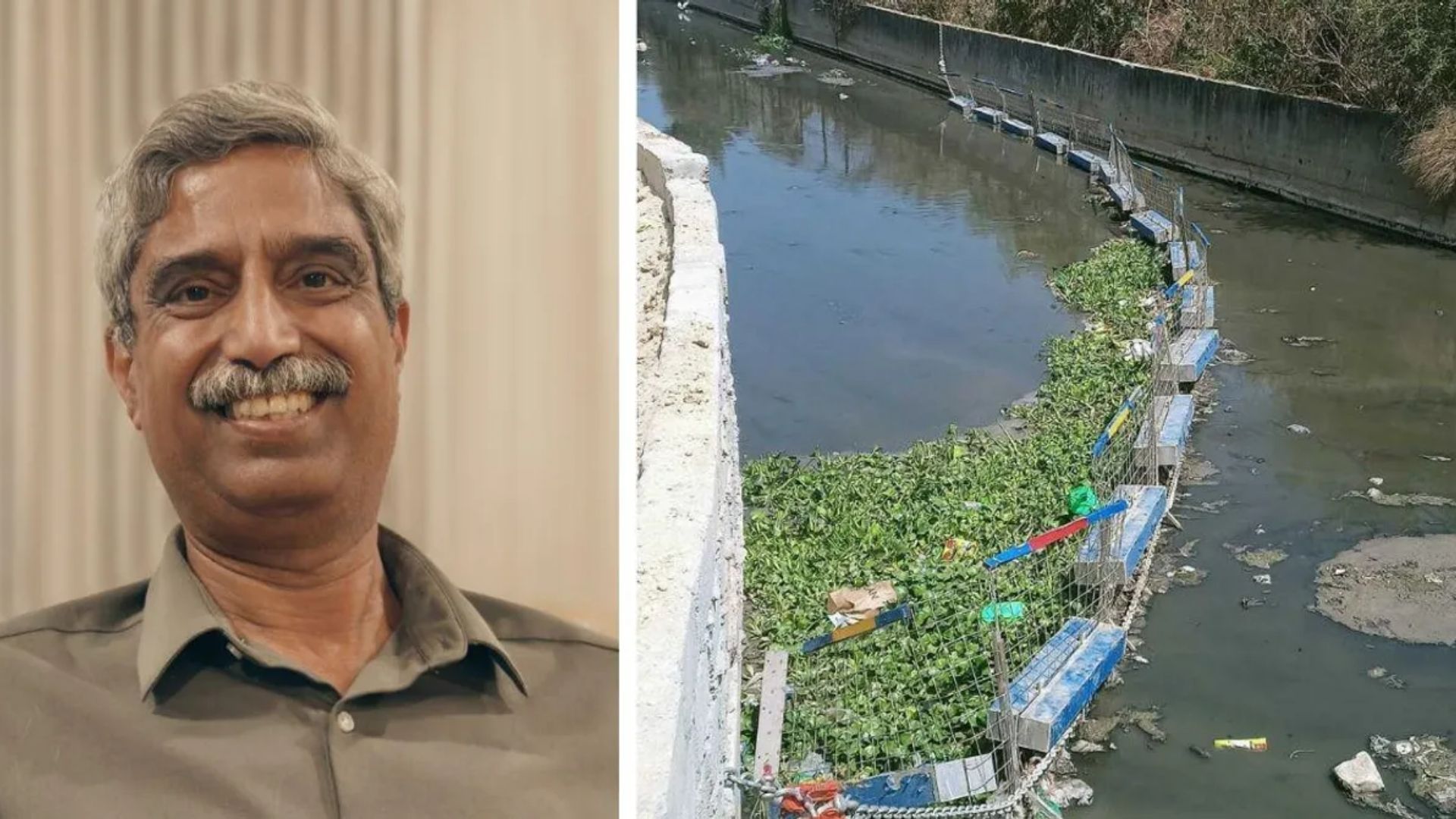
Former Merchant Marine Captain Invents Fuel-Free Barrier, Removes 20,000 Tons of Trash from Chennai Rivers


According to companies involved in the work, two underwater outfalls of 340 meters were built for the capture of seawater and the controlled return of brine.
The Senegalese initiative draws attention because it combines coastal engineering, water security, and large-scale treatment in a single operation.
Instead of relying solely on rivers, reservoirs, or wells, Dakar now incorporates the sea as a complementary source of supply, in a model that already sparks interest in countries subject to prolonged droughts.
Desalination plant in Senegal uses underwater tunnels in the Atlantic
The Mamelles system uses pipelines installed under the seabed to bring the saltwater to the station on land.
After capture, the liquid goes through pre-treatment and desalination stages, a process that removes salts and impurities until it reaches potable standards suitable for human consumption.
The underwater work was designed to cross the coastal zone without opening large trenches on the surface, reducing direct impacts on the beach and nearby urban areas.
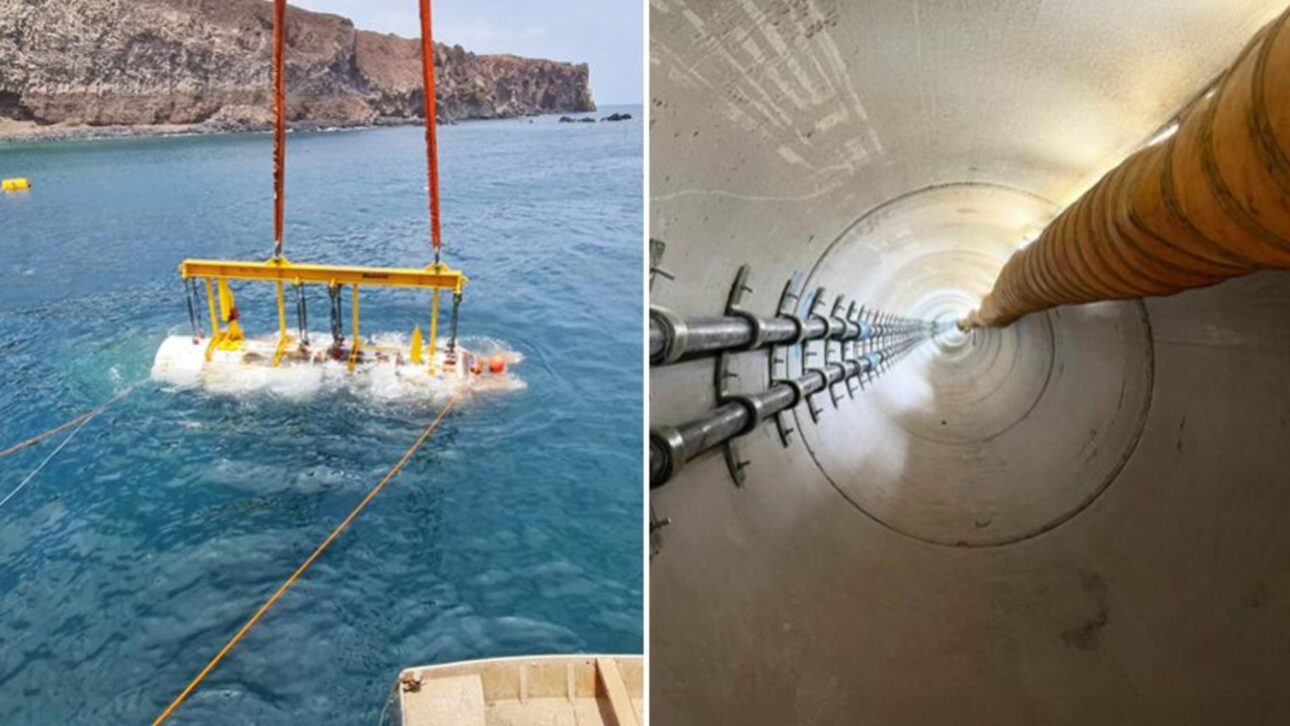
In microtunneling, equipment excavates the underground path while the pipes are installed in a controlled manner, a common technique in projects that require precision under sensitive areas.
Another central point is the management of brine, a residue more concentrated in salts after the separation of drinking water.
In projects of this type, disposal must follow licensing and environmental control, because improper return to the sea can alter local salinity conditions and affect marine organisms.
The production planned for Dakar places the enterprise on a much larger scale than the desalinizers used in small communities.
Even so, the technical logic is the same: capture saline water, remove the excess salts through physical processes, and return to the supply system water suitable for consumption.
Brazil expands desalination projects in dry areas and on the coast
In Brazil, desalination appears on two distinct fronts.
The first consists of smaller systems, mainly aimed at the semi-arid region, where wells with brackish water can be treated to supply rural communities.
The second involves larger coastal projects, designed to reinforce metropolitan regions near the sea.
The Água Doce Program, coordinated by the Ministry of Integration and Regional Development, uses desalination systems to treat brackish water from wells and expand access to drinking water in areas with scarcity.
By 2025, the program had implemented more than a thousand systems in states of the Brazilian semi-arid region, according to data released by the federal government.
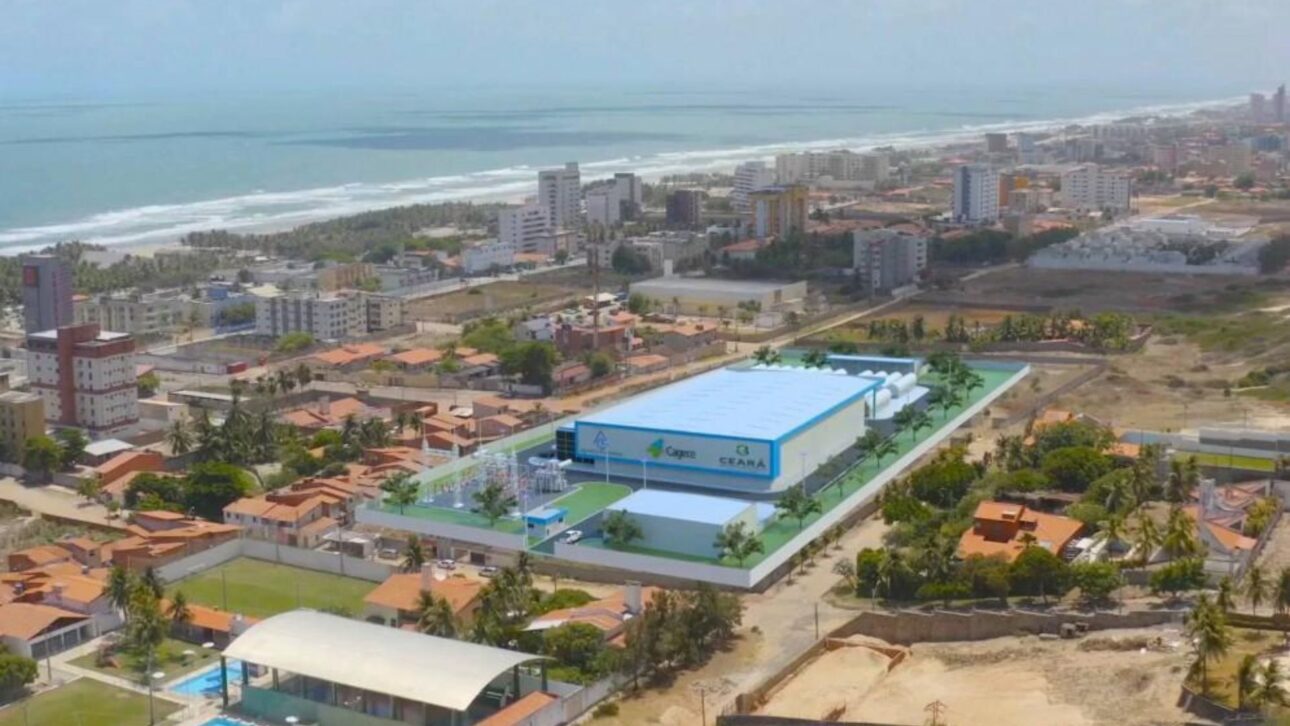
On an urban scale, Ceará leads the most ambitious project underway in the country.
Dessal Ceará, planned for Praia do Futuro, in Fortaleza, will have the capacity to produce one thousand liters of water per second, equivalent to one cubic meter per second, to reinforce the supply of the Metropolitan Region of Fortaleza.
The Ceará enterprise went through stages of environmental licensing and has an estimated cost of around R$ 3 billion, considering construction and operation over 30 years.
The proposal seeks to reduce dependence on reservoirs subject to irregular rainfall, a recurring problem in the Northeast and aggravated in periods of prolonged drought.
Fernando de Noronha also shows how desalination can become essential in isolated areas.
The production of drinking water in the archipelago depends on a system that transforms seawater into water suitable for consumption, using reverse osmosis and specific pressurization equipment for this type of operation.
Environmental licensing defines the future of plants on the Brazilian coast
Seawater has come to be seen as a strategic alternative, but the implementation of plants requires technical and environmental care.
Even when there is no requirement for grants in the same way applied to rivers and aquifers, the projects need to undergo licensing and present studies on capture, pipelines, energy consumption, and brine disposal.
This debate is especially important in coastal cities, where tourist areas, coastal ecosystems, submarine cables, and urban infrastructure compete for space.
In Fortaleza, for example, the desalination project has already been associated with technical discussions involving the location of maritime structures and the protection of equipment installed on the coast.
In Baixada Santista, the current focus is more on the modernization of sanitation and conventional supply than on a large desalination plant.
The region is expected to receive R$ 7.5 billion in investments from Sabesp by 2029, including water and sewage works in the nine municipalities of the Baixada.
Santos stands out in the 2026 Sanitation Ranking, prepared by the Trata Brasil Institute based on Sinisa data from 2024.
The city was ranked as the fourth best among the 100 most populous municipalities in the country, a result that reinforces the importance of efficient networks before adopting more expensive and complex solutions.
Cruises show practical use of desalination at sea


Desalination in a maritime environment is not new for large cruise ships.
These vessels function like small floating cities and usually produce a significant portion of their own potable water on board, using systems such as reverse osmosis and evaporation to transform seawater into fresh water.
Royal Caribbean claims to use onboard reverse osmosis and steam evaporation systems to produce fresh water during voyages.
This model reduces the dependency on resupply at ports and allows for the maintenance of hospitality, food, laundry, and cleaning operations on long crossings.
In the reverse osmosis process, saltwater is pressed against semipermeable membranes that retain salts and other impurities.
In thermal systems, the water is evaporated and then condensed, separating the salt from the liquid that will be stored for onboard use.
The experience of cruises helps explain why technology has advanced in efficiency, operational control, and reliability.
The difference, in urban plants, is in the scale and the need to integrate production into the public system, with distribution networks, environmental licensing, and continuous water quality monitoring.
In countries with populous coastal regions and reservoirs vulnerable to drought, desalination tends to gain space as a complementary source, not as an immediate replacement for traditional supply forms.
The challenge is to combine cost, energy, environmental protection, and long-term planning so that the sea is used without increasing pressures on coastal ecosystems.