Portuguese
  Spanish


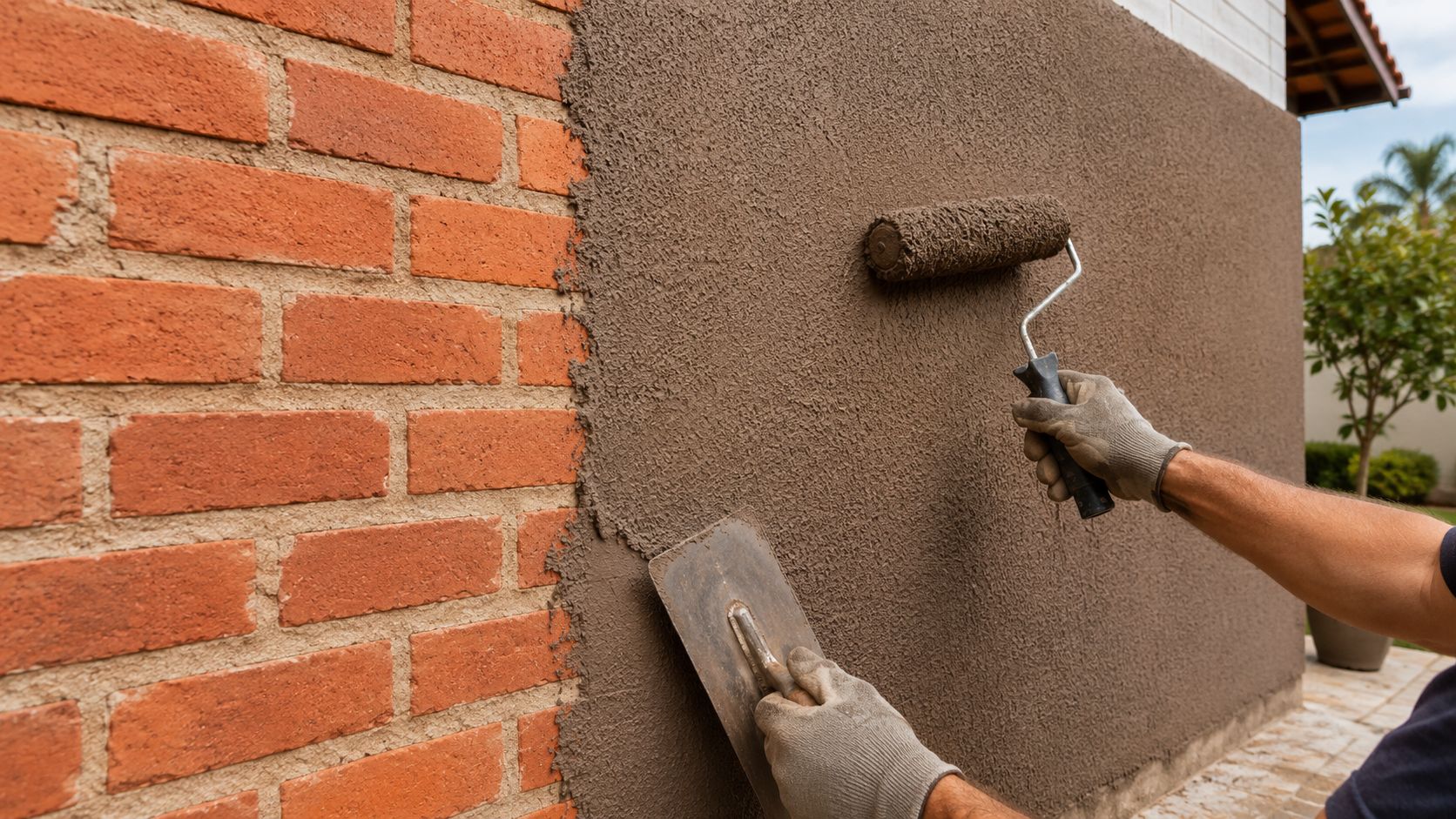

Technique with pigmented AC2 or AC3 mortar transforms exposed bricks in external area, creates decorative texture, improves protection against moisture, sun, and rain, and can cover 3 to 4 square meters per 20 kg bag.
Exposed bricks in an external area can receive simple protection with pigmented AC2 or AC3 mortar, applied directly to the wall to reduce exposure to moisture, sun, and rain, creating a finish.
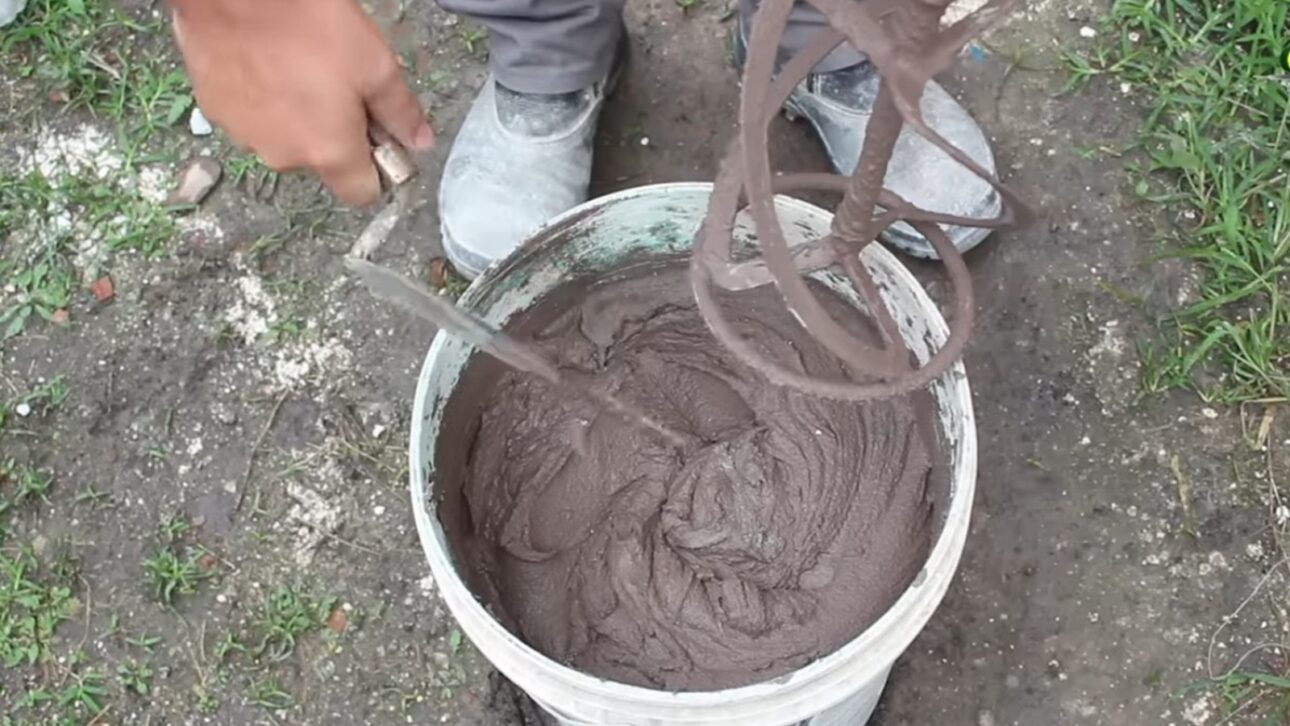
The guidance presented by SOS in Construction starts with the preparation of the mortar according to the manufacturer. For a 20 kg bag, the mentioned mixture uses 3.5 to 4 liters of water, until reaching the appropriate point.
Protected wall starts with mortar
The recommendation for AC2 or AC3 is because these types enhance adhesion and flexibility, an important characteristic in an external area. After the initial mixture, brown dye is added, in the proportion of 250 grams for 20 kg.
-
China to Drill 90 Kilometers Under the Sea to Connect Two Cities Currently Linked Only by Ferry

-
18 m² Home Built in Two Days by Teto Volunteers Provides Shelter from Insects and Cold for Resident in Brazilian Community; 43 Delivered in 2026

-
$134.7 Million Project in São Paulo Installs Over 5 Kilometers of Pipes, Creates New Underwater Crossing to Boost Water Supply for Over 450,000 People

-
At 61, Former Homeless Wheelchair User Receives Key to Container Home in Brazil, Declares Independence



After incorporating the pigment, the mixture should rest for 10 to 15 minutes, as per the manufacturer’s recommendation. This interval helps to get the material ready before applying it to the exposed bricks.
Base moisture helps with adherence
Before receiving mortar, the wall should be wetted, especially on very hot days or when the surface is heated. This measure improves adherence and helps prevent rapid water loss from the mixture.
The procedure is also cited as a useful care in plasters, as it reduces the risk of cracks and fissures. The application starts in parts, with the wall moistened and the mortar workable.
Texture replaces exposed brick
The first layer can be done with a steel trowel to fill spaces and avoid flaws. The indicated protection needs to reach at least 5 millimeters thick to cover the surface well.
Next, the finish can be done with a specific roller, without waiting for the first layer to dry. The technique creates an appearance similar to rolled roughcast, already colored, with an estimated yield between 3 and 4 square meters per bag.
To reinforce the barrier against rain, the guidance suggests resin over the dry mortar.