






 Portuguese
  Spanish


The story of Vânia’s house is proof that the simplest dreams sometimes carry the deepest struggles. In just 24 m², without a window and without ventilation, in the Jardim Colombo neighborhood, in the Paraisópolis region, south of São Paulo, the cleaner raised her three children alone and lived for two decades. It was small, dark, and cramped, but it was the home she managed to build with great effort, and for that reason, every square meter had immense value.
Even in difficulties, Vânia never stopped helping others, and it was this gesture that turned the story of her house around. She lent the property to a pregnant young woman who had been expelled from her home by her own family and went to live in a rental. When she asked for the space back, she received the house vandalized, a victim of acts of vandalism. It was at this moment of discouragement that Vânia’s path crossed with that of the architect Ester, who would transform not only the home but her life.
The house that was a dream and became a concern
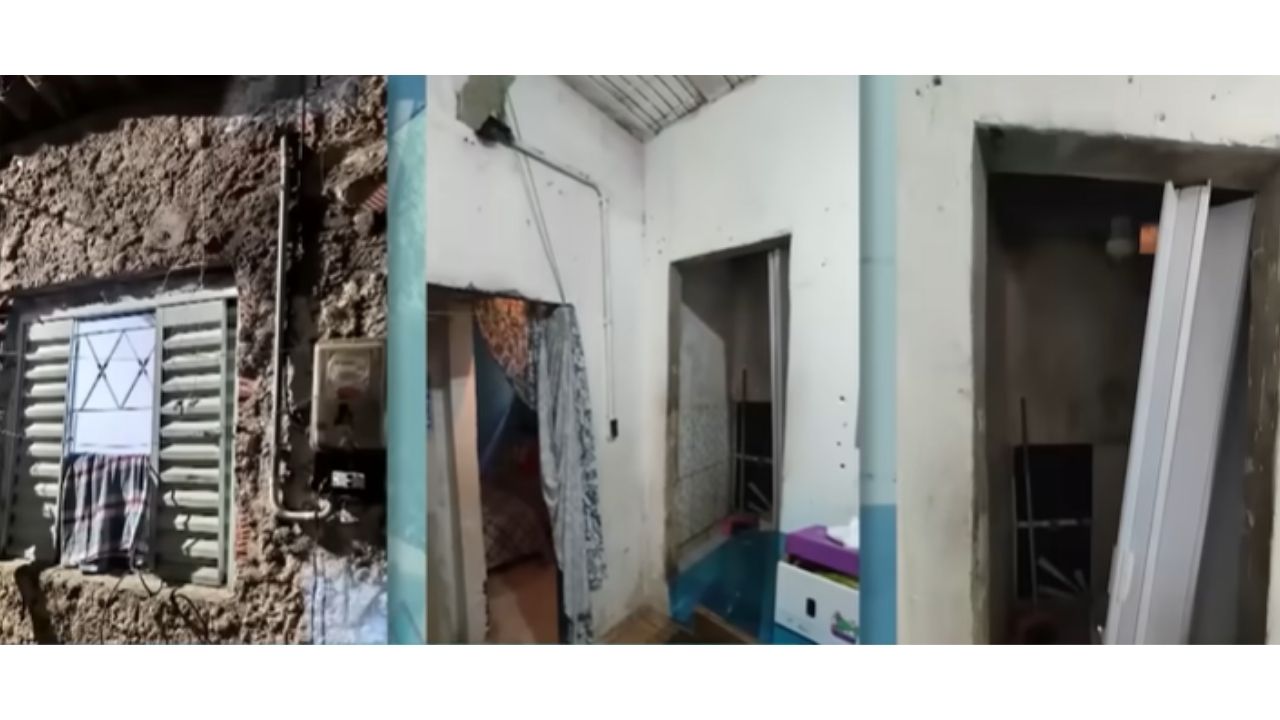
For 20 years, that 24 m² house was the shelter and stage of Vânia’s family history. It was there that she raised her three children, facing a space without comfort, with dark and cramped rooms. The structure barely accommodated the family: there was a bunk bed where the two boys slept and another bed shared between Vânia and her daughter, in a scenario of very little space.
-
São Paulo Beach Ranked Among World’s Best, But Access Requires Challenging Hike

-
Brazilian TV Host Disguised as Homeless in São Paulo’s Drug District Recognized and Nearly Attacked During Filming
-
10-Year-Old Brazilian Girl Develops Method to Analyze Colonial Counterfeit Coins, Published in Science Magazine for Children
-
Bizarre “tentacled” rabbits with dark horns and giant warts reappear in the U.S., prompting officials to explain the real Shope papilloma virus.




The difficulties went beyond size. When it rained, water would seep through the tiles, forcing the family to sleep with a blanket and even cover themselves with plastic to avoid getting wet. The house also had leaks, and the wall was constantly damp, which affected the family’s health, as one of the daughters had bronchitis. The dream of renovating that home had accompanied Vânia for years, always postponed by the financial reality of someone working as a domestic worker.
The act of generosity that ended in destruction
Generosity has always been a hallmark of Vânia, and it was what motivated her to lend the house. After managing to rent a slightly better home, she offered the old one to a young pregnant woman in a precarious situation, who had been expelled from her home by her family and had nowhere to go with the baby she was expecting. For Vânia, helping was something natural, part of who she is.
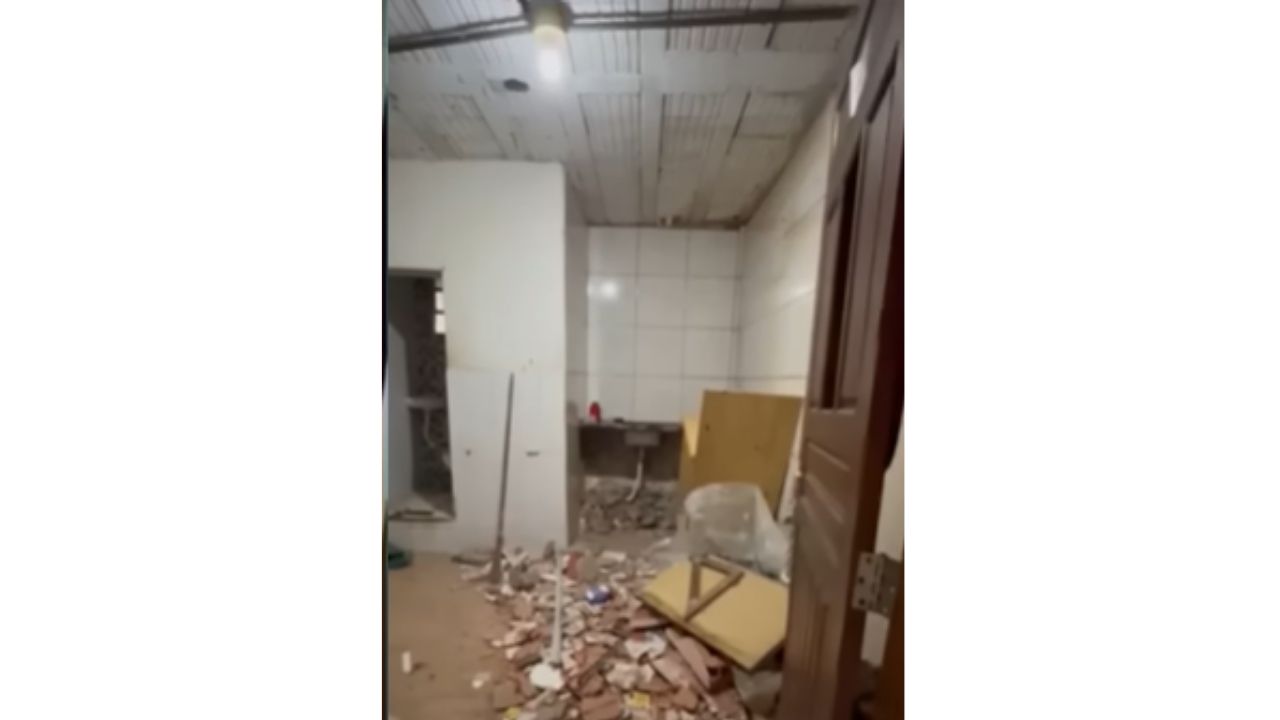
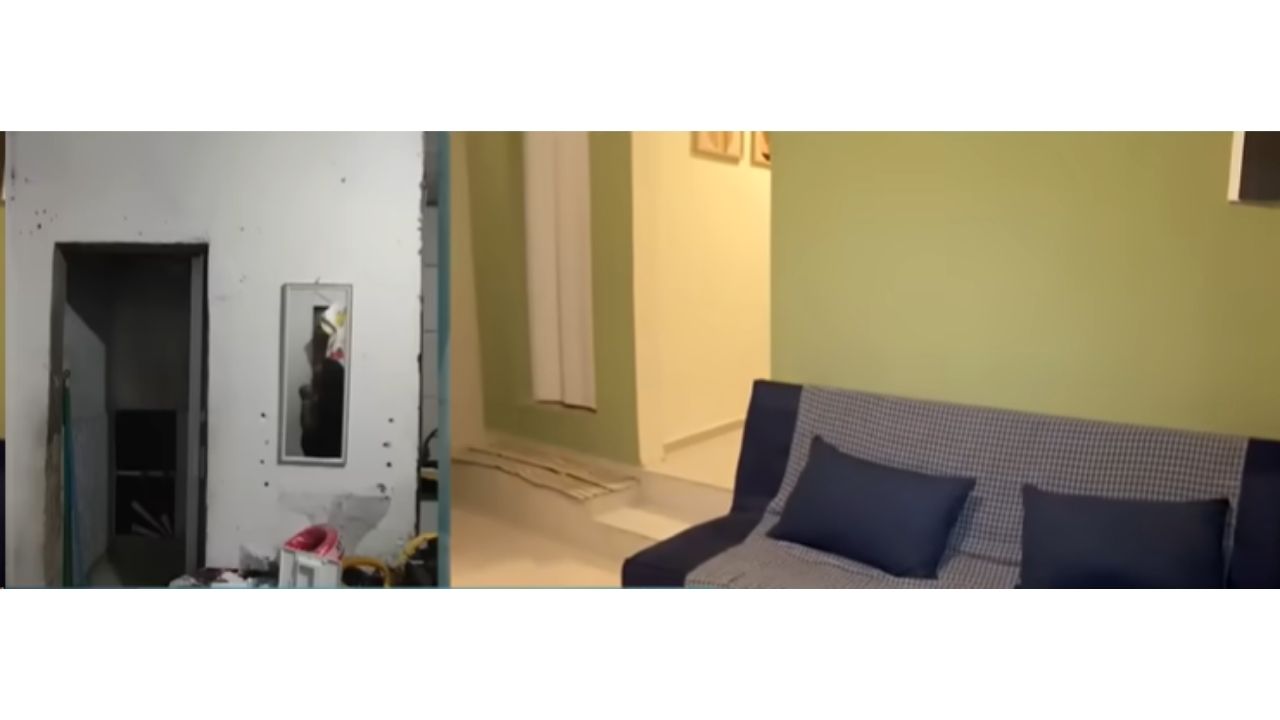
The return, however, came in the form of ingratitude. Over time, Vânia asked for the house back, and the young woman returned the property, but not in the condition she had received it. The house was vandalized, with broken windows and signs of vandalism. What was meant to be an act of solidarity turned into yet another pain for someone who was already facing so many, and the house that was her refuge became a source of sadness.
The meeting with the architect who transforms lives
The turning point came when Vânia met Ester, an architect born and raised in Jardim Colombo, known for renovating houses in her own community. Through a social project that trains women in areas such as gastronomy, crafts, and especially civil construction, the two became close. Ester was touched by a dream that Vânia shared: to create a cooperative formed only by women.
In the last nine years, the architect has transformed tiny houses into dignified homes, totaling more than 600 renovated spaces, with three just in Vânia’s alley. She has already restored properties of 7 m² without a bathroom, kitchen, or window, and helped people who even lived on the streets to regain their dignity. Working with social architecture is challenging precisely because of the always limited resources, but the results show the impact of thinking big in small spaces.
Vânia got hands-on while waiting
While waiting on the waiting list for her own house renovation, Vânia decided not to stand still. She joined the project and started to get hands-on, learning to renovate houses and becoming skilled in the art of laying floors and coverings. The dream of seeing her own house transformed went hand in hand with the desire to learn and help other people.
This learning also changed Vânia’s professional path. She left her job as a domestic worker to work in construction, and even laid porcelain tiles at major industry events, showcasing what she learned. It was a turning point that united the dream of a new house with a new way of making a living, proving that the transformation went far beyond the walls of the property.
The 50-day transformation that expanded the house
When it was finally Vânia’s turn, the challenge was clear: think big in a tiny and improvised space. The house structure was not compromised, but the place was cramped, dark, and poorly ventilated, surrounded by narrow streets and houses stacked on top of each other. Ester’s strategy was to increase the ceiling height to improve ventilation, replace the tiles, and redo the floor, in a complete transformation.
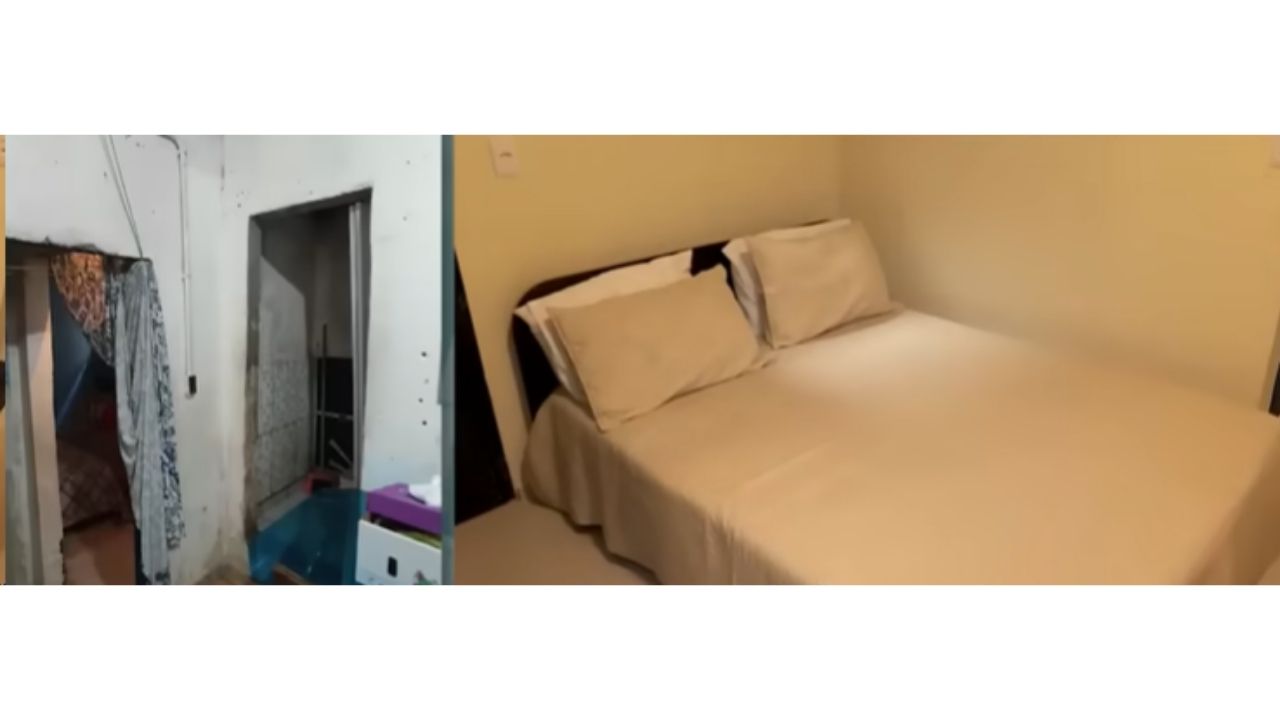
The result exceeded expectations. In 50 days of work, the dark and cramped property gained color, light, and ventilation, and the small space began to feel much larger. The new room distribution made circulation more comfortable, with an equipped kitchen, dining table, bathroom with electric shower, and the item Vânia most desired: a cozy bedroom, with a comfortable bed and mattress, even designed for her back health.
From 24 to 27 meters: the detail that made the difference


One of the biggest surprises of the renovation was the gain in space. The house, which was 24 m², became 27 m², and this was not magic nor just planning. The secret was in utilizing an area that was previously unused, under a staircase that leads to another family’s house, and which had no use for Vânia.
In this space, Ester created a complete laundry room, with a washing machine and sink, using a cobogó that ensured ventilation and charm to the environment. Previously, the washing machine was inside the house, taking up space and reducing comfort. With the change, the main access was rethought and the area gained enormous utility, transforming a lost corner into a functional domestic work area.
A new beginning that brings hope to other families
The new house gave back to Vânia much more than comfort: it returned the right to call that space a home once again. In every corner, she remembers her children’s childhood and the difficulties overcome, now replaced by the relief of living with dignity. Fulfilled, she says the result came out much better than she imagined, and that the smile on her face speaks for itself.
Ester’s mission, however, doesn’t stop there. The architect plans to expand and even triple the number of renovations, advocating that the basic right to the city is to have a decent home. For those still in the waiting line, Vânia leaves a message of patience and hope: the time will come, just as it did for her. The story of the two shows how small transformations in minimal spaces can change entire lives.
Were you moved by Vânia’s story and the transformation of her house in just 50 days? What impressed you the most: the gain in space from 24 to 27 m², the new ventilation, or her generosity in lending her home? Do you know someone who deserves a renovation like this? Leave your comment and tag that person who needs to see this story of overcoming!


