





 Portuguese
  English
  Spanish
  7 min of reading
  1 comment


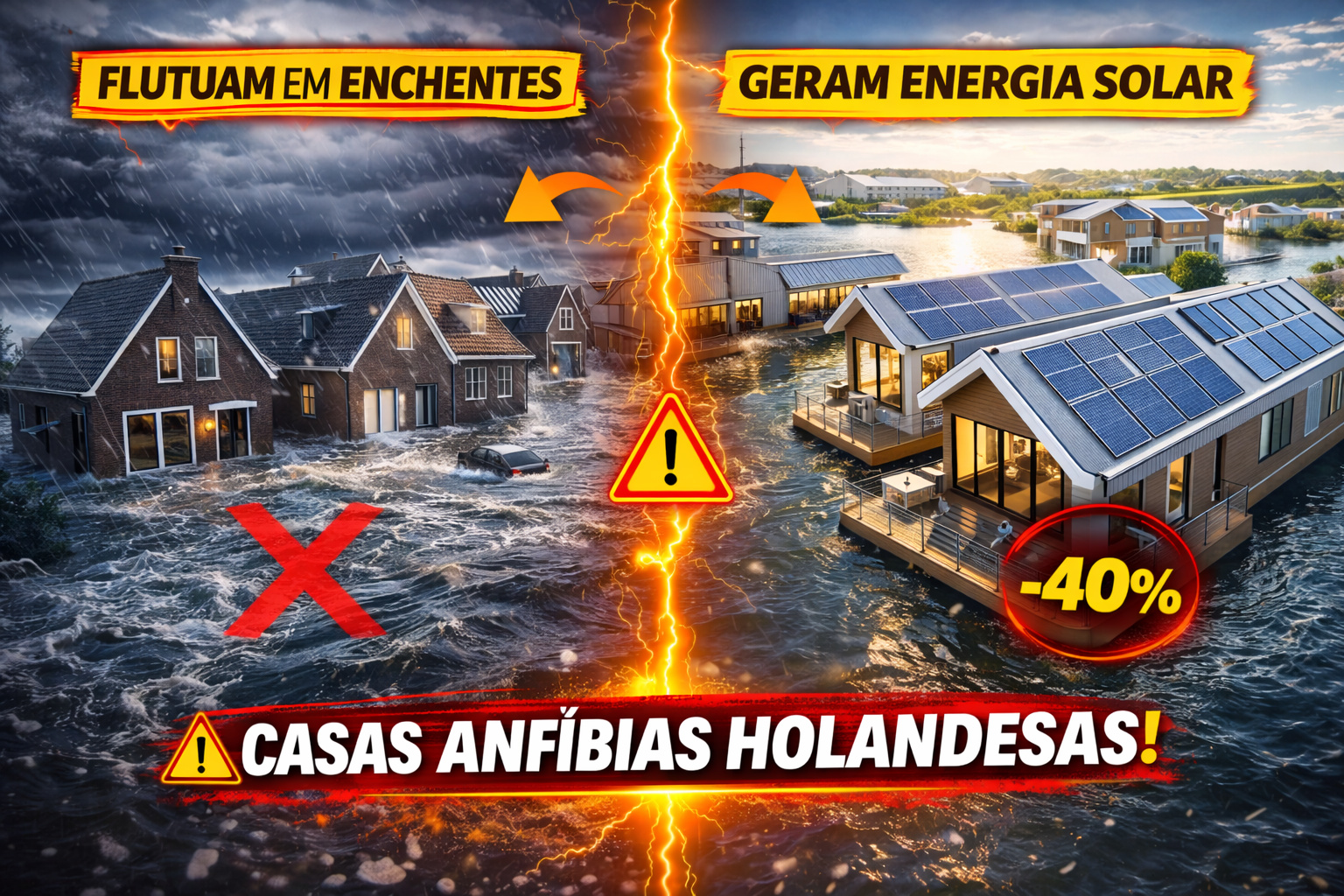


How The Netherlands Is Revolutionizing Urban Architecture With Homes That Rise With The Water And Function As Sustainable Micro Power Plants
While cities around the world are building increasingly high walls to contain floods, the Netherlands has chosen a different path: building floating houses. In Amsterdam, entire neighborhoods already live above the water, proving that it is possible to coexist with climate change without fighting against it. These amphibious homes rise and fall with the sea level, generating their own energy through solar panels and sharing electricity among neighbors.
The most emblematic project of this architectural revolution is Schoonschip, a floating neighborhood in northern Amsterdam consisting of 46 homes on 30 aquatic lots, connected by piers and equipped with decentralized systems for energy, water, and waste management. Launched in 2010 and completed in 2021, the housing complex accommodates more than 100 residents and has become a global reference in resilient architecture.
The Engineering Behind The Floating Houses
The houses are not boats, but complete constructions raised on large concrete boxes that serve as floating foundations, anchored to flexible steel posts driven into the canal bed. This structure allows the entire neighborhood to rise and fall as the tide varies, without ever shifting horizontally.
-
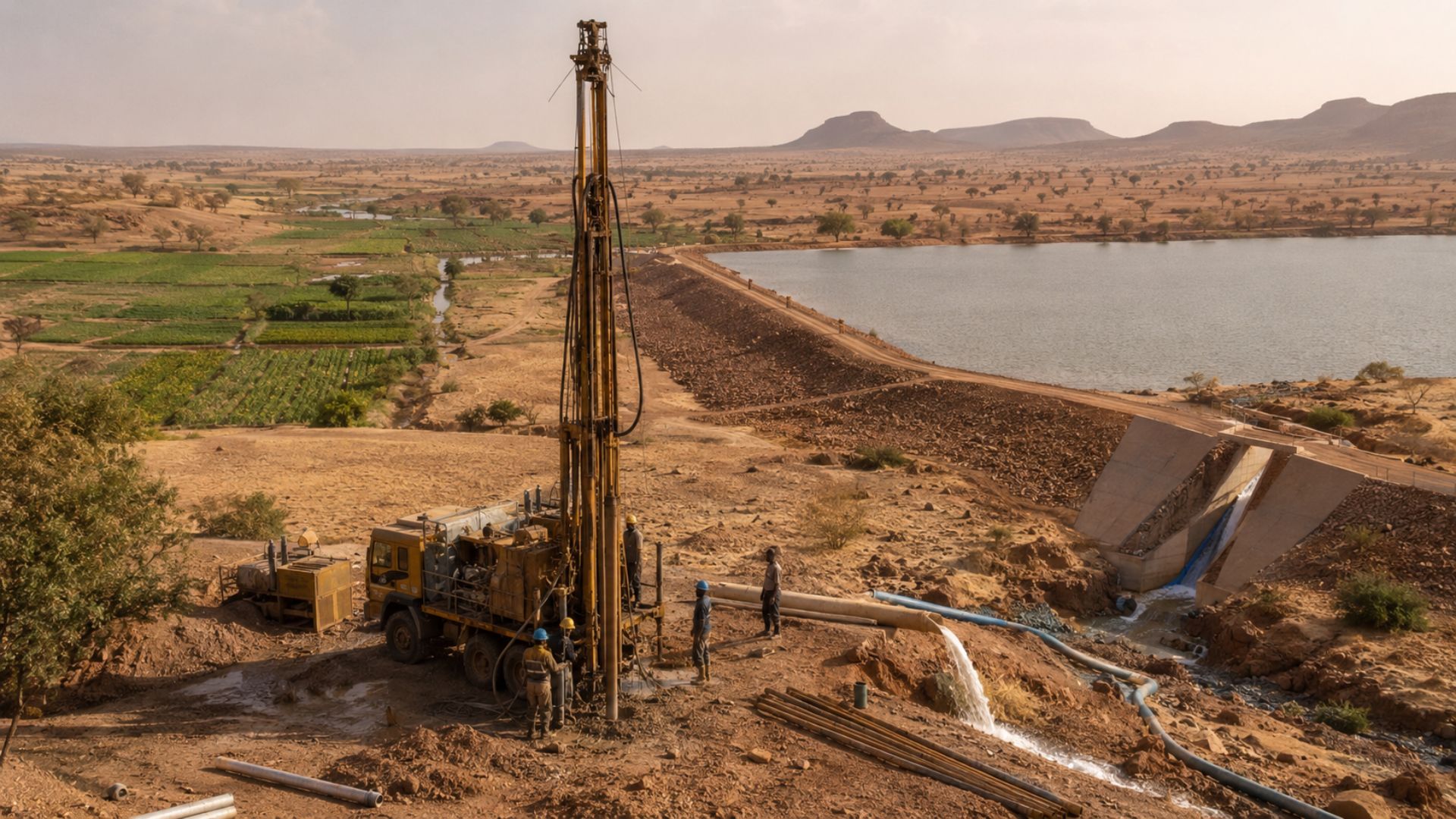
African country launched a $145 million project to rehabilitate 35 dams and drill deep wells seeking water stored for millennia beneath the desert, a plan that Captain Ibrahim Traoré’s government presents as a path to the country’s water sovereignty.

-
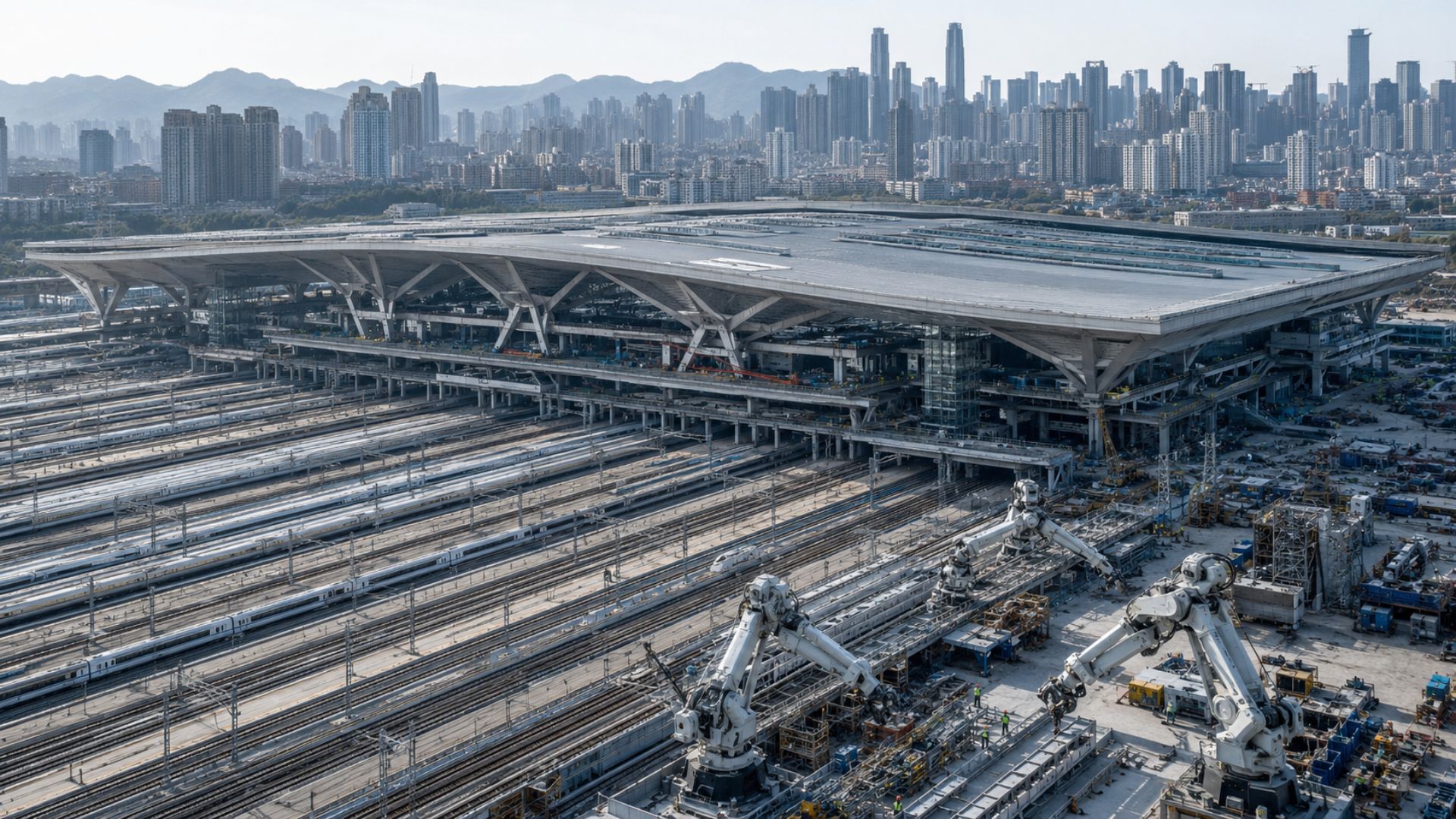
An eight-story railway colossus with a 16,500-ton roof, Chongqing East Station was built in 38 months with the help of robots and has become one of the largest passenger terminals in the world, with 15 platforms and 29 tracks.
-
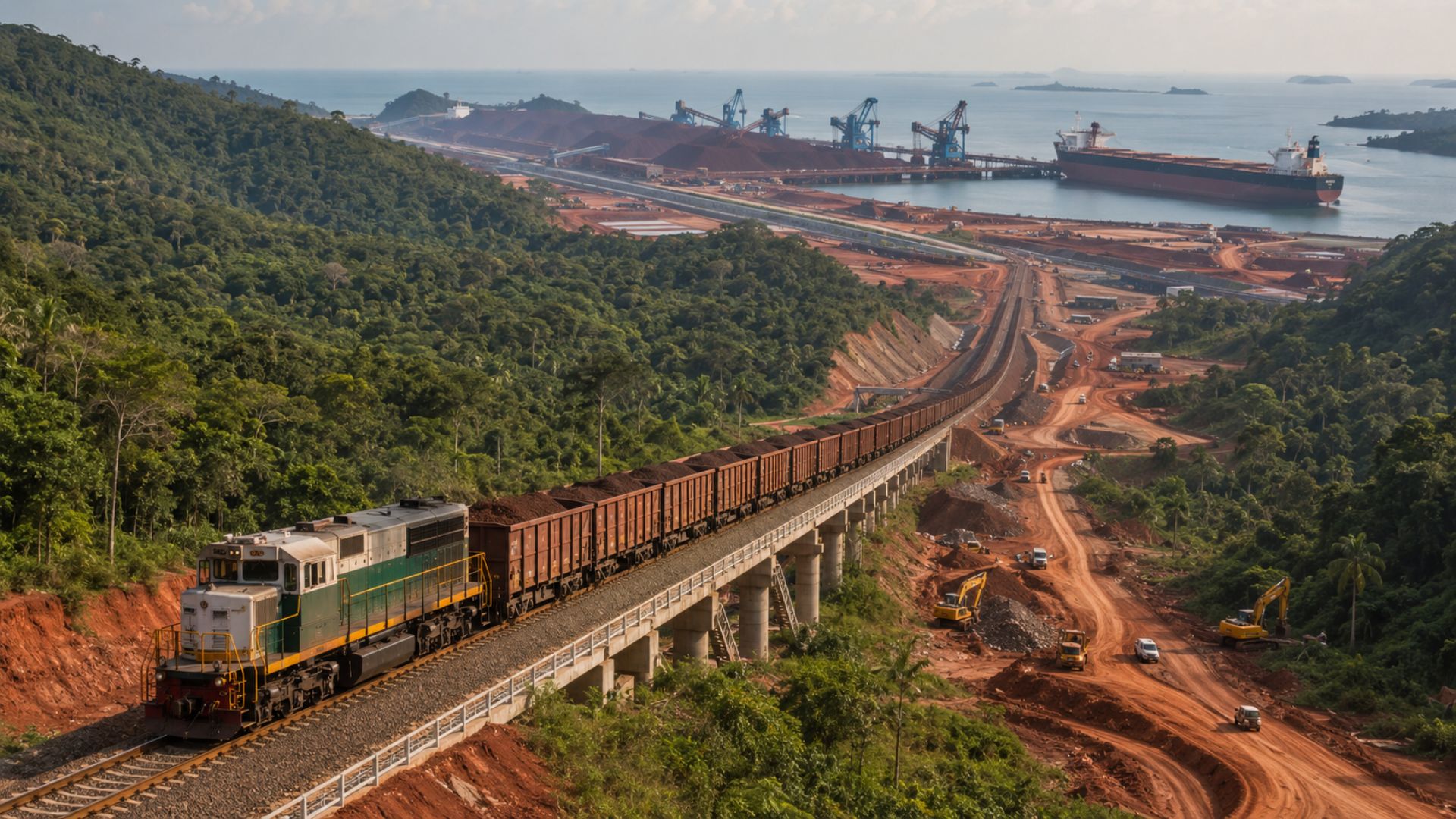
More than 20 billion dollars and 600 km of railway were built in record time in Africa to extract the hidden iron ore from Simandou from the forest, now the first ships are arriving in China and the IMF predicts a 25% jump in Guinea’s GDP.
-
A new plastic tile that perfectly mimics traditional clay ones is gaining popularity on Brazilian roofs, being lighter, quicker to install, and capable of reducing both construction time and the weight on the house structure all at once.
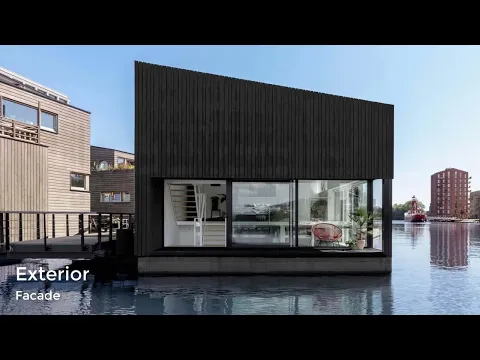

The technology is not new, but its large-scale application represents a paradigm shift. The aquatic residences reflect the new Dutch strategy called ‘Leven met water’ (Living with Water): no longer fighting the water, but coexisting with it.
Architect Koen Olthuis, founder of the Waterstudio office specializing in floating architecture since 2003, has designed more than 300 structures over water in various countries. ‘Now we have the technology and the possibility to build on water,’ states the expert who also leads projects in the Maldives and French Polynesia.
Energy Self-Sufficiency And Circular Economy
The difference of Schoonschip goes beyond the ability to float. Each house has solar panels on the roof and a battery in the basement, and all are interconnected through a smart grid. When a resident produces more energy than they consume, the surplus is automatically transferred to the neighbor in need or stored for nighttime use.
The neighborhood operates with 516 solar panels, 30 heat pumps, and 60 thermal panels. The houses use heat pumps that extract thermal energy from the canal water itself for heating, completing an impressive sustainability cycle.
In addition to energy generation, the project incorporates rainwater harvesting systems and local gray water treatment, reducing pressure on traditional urban infrastructure. The community also aims to close local resource cycles, including shared purchasing of food from nearby organic farms and floating gardens that serve as habitats for birds.
Cost: More Accessible Than It Seems
Contrary to what one might imagine, floating houses are not necessarily more expensive. The cost of homes in Schoonschip ranges from approximately €300,000 to €800,000 (about R$ 1,350,000 to R$ 3,600,000 at current exchange rates).
According to academic research published on the project, floating houses cost about 20% more than a comparable construction on solid ground. However, when compared to real estate prices in Amsterdam – one of the most expensive cities in Europe – and considering future appreciation, the investment proves to be competitive.

Sascha Glasl, co-founder of the Space & Matter office that developed the project, emphasizes that it is also possible to create affordable housing this way. To make the homes more accessible, half of the units in Schoonschip were designed as semi-detached houses, where two families share the same floating platform.
In the Maldives, where Koen Olthuis is designing a complete floating city, prices are even more competitive: starting at US$ 150,000 for a studio or US$ 250,000 for a family house.
Why The Netherlands Leads This Revolution
Need drives innovation. One-third of the Netherlands is located below or exactly at sea level, and experts predict that this will rise by 1.30 meters over the next 100 years and up to four meters in 200 years.
The country also faces what are called ‘inland floods’: due to climate change, rivers are starting to carry a larger volume of water. The national flood prevention program
‘Ruimte voor de Rivier’ (Room for the River) includes 39 projects costing 2.3 billion euros, aimed at protecting 4 million inhabitants in the basins of the Rhine, Meuse, Waal, and IJssel rivers.
Pavel Kabat, a researcher at Wageningen University and a member of the Delta Commission, proposes a change in mindset: ‘Dikes alone are not enough, we need to rethink everything radically. We must see water not just as a threat, but as an opportunity, a challenge.’
History And Evolution Of Floating Houses
After World War II, the demand for housing was so great that to meet the needs of the Dutch, an innovative solution was created: working-class families who could not afford rent began living in old boats anchored in the canals.
What started as an emergency solution became a trend. Amsterdam currently has more than 2,500 officially registered floating houses along its canals. Each owner has a ‘ligplaatsvergunning,’ the official permit that serves as a fixed address.
The first residents were hippies and artists. Over time, as the beauty of living on the water was rediscovered, values increased, and the houses modernized. The old boats from the 1960s and 1970s were dark, cold, and lacked adequate air circulation. The modern constructions are completely different: equipped with cutting-edge technology, sophisticated architectural design, and comfort comparable to or better than traditional houses.
Expansion To Other Cities
Among the most well-known cases is the floating neighborhood of IJburg in Amsterdam, developed in stages since the early 2000s, where part of the district was built on artificial islands and another fraction houses floating homes integrated with marinas, bike paths, and parks.
But the Dutch experience is not limited to Amsterdam. Cities like Haarlem, Utrecht, and Rotterdam have also developed floating communities. And the concept is expanding globally.
Delegations of experts from Thailand, Vietnam, Australia, and the United States come to the Netherlands in search of guidance. Cities like New York and New Orleans seek help from Dutch hydraulic engineers to protect against flooding.
Ambitious projects are under development: in the Maldives, there are plans for 20,000 affordable floating houses; in the Baltic Sea, a project envisions islands for 50,000 people connected by a railway tunnel with an investment of US$ 16.9 billion; in French Polynesia, floating communities are being planned in response to rising sea levels.
Challenges And Criticisms
Not everything is perfect (or solar panels). Residents report specific challenges of living on the water. A pioneer resident of Steigereiland, a complex of 43 floating houses completed in 2011, admits: ‘Architects and manufacturers assure that water houses never sway. Believe it or not. When the storm is really strong, it rocks quite a bit. But you get used to it.’
Maintenance costs are also higher. Owners must take the boat to the shipyard for a complete review every three or four years, a process that can take about a week. Additionally, there are specific fees: rental for boat parking, special taxes, and insurance that is more expensive than that of a normal house.
Researchers also express concerns about the impact that a floating city could have on the oceanic ecosystem, although projects like Schoonschip have implemented floating gardens and nesting areas for birds as a way to mitigate environmental impacts.
The Future Of Urban Housing
The model can be used in coastal cities that already face flooding. Since the houses are built off-site and then quickly towed, a version of the project could also be used in disasters. If a disaster happens in an area and the city has these houses in stock, overnight, a neighborhood could emerge.
The proposal goes beyond mere climate adaptation. Floating neighborhoods provide a response to the scarcity of space in large cities and the need for more sustainable housing solutions. Instead of trying to push water away, urban planners and engineers have started to view it as an ally in city planning.
Koen Olthuis, who now advises governments around the world, sees floating houses no longer as ‘bizarre architecture’ for the super-rich, but as a practical and accessible response to climate change and urbanization. ‘If I, as an architect, want to make a difference, we have to raise the level – above sea level and above work,’ he states.
Lessons For Brazil And The World
Brazil, with its recurring floods in cities like Rio de Janeiro, São Paulo, Porto Alegre, and several capitals in the Northeast, could benefit from this technology. Mangrove areas, urban lakes, and coastal regions could host floating communities as an alternative to occupying risk areas. The Dutch experience shows that floating architecture offers multiple advantages:
- Climate Resilience: Homes simply rise with the water, eliminating the risk of flooding.
- Energy Sustainability: Distributed solar energy generation combined with smart grids reduces reliance on the traditional power grid.
- Urban Flexibility: Buildings can be moved or reconfigured as needs change.
- Environmental Preservation: Freed land areas for the preservation of native vegetation.
- Circular Economy: Encourages closure of community resource cycles.
Coexisting With Water, Not Against It
The Netherlands is showing the world that it is possible to transform one of the greatest challenges of the 21st century – rising sea levels and more frequent flooding – into an opportunity to reinvent urban life. With global warming and rising oceans, coastal cities around the world are seeking solutions. Schoonschip proves that it is possible to live over water with comfort, technology, and positive environmental impact.
The Dutch amphibious houses are not just an ingenious technical solution – they represent a fundamental philosophical shift in the relationship between humans and water. Instead of building increasingly higher walls in a lost battle against nature, the Dutch have chosen to float, adapt, and thrive.
With competitive costs, sustainable technology, and proven viability on a large scale, this housing model has moved from being a futuristic experiment to becoming a real and immediate alternative. As climate change accelerates and cities around the globe face devastating floods, the Dutch lesson resonates louder: perhaps it is time to stop fighting against the water and learn to live with it.






Me hospedei numa dessas casas flutuantes quando estive em Amsterdã. Simplesmente amei! Ela tinha uma pequena varanda e os patinhos vinham a noite buscar miolo de pão.