Portuguese
  Spanish




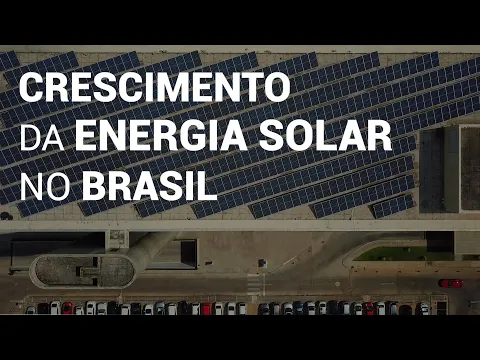
Solar Energy Financing Surges in Brazil in 2024, Boosting Distributed Generation and Strengthening the National Renewable Matrix.
In recent years, the renewable energy sector in Brazil has undergone significant transformations. Moreover, the country’s energy matrix, traditionally based on hydroelectric power, has begun to diversify, incorporating sources such as solar and wind energy.
This movement reflects the increasing pursuit of sustainability, energy security, and cost reduction associated with electricity production.
In 2024, a remarkable phenomenon caught attention: solar energy financing surges in Brazil, while centralized wind energy lost strength in investments. Historically, Brazil has heavily relied on hydroelectric power, taking advantage of its abundant rivers.
-
Giant Batteries Take Center Stage in Chile Auction as Company Offers 960 GWh of Solar Energy for Nighttime Use, Aiming to Stabilize Solar Power Supply

-
World’s Largest Engie Solar Plant in Brazil Highlights Billion-Dollar Energy Waste Issue: Company Considers Batteries and Bitcoin Mining to Avoid Wasting Production

-
Over 60 Tractors Take to the Streets in Lopera as Solar Parks Compete with Olive Groves, Affecting 13,000 to 100,000 Trees According to Conflicting Reports
-
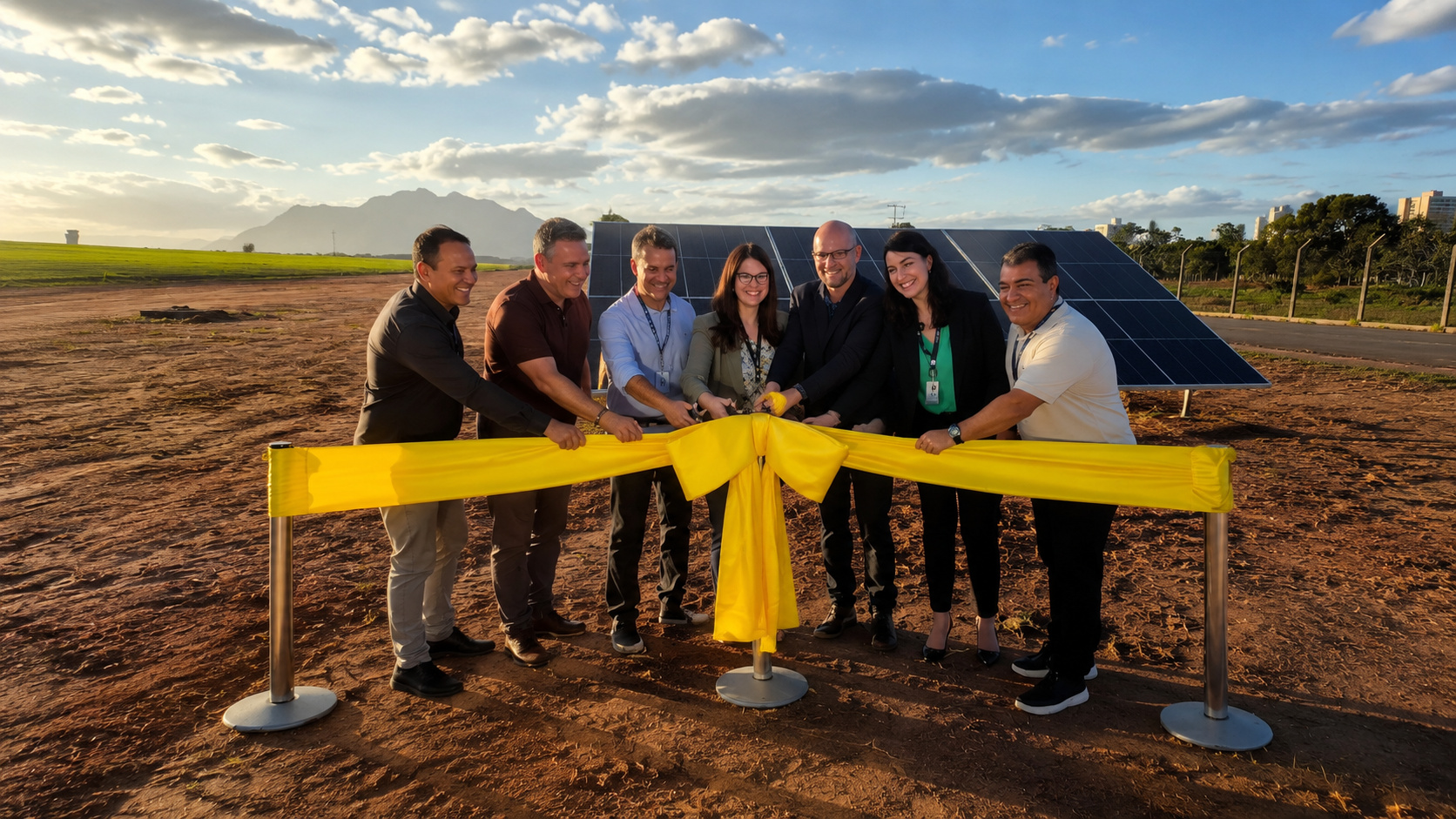
Brazil’s Vitória Airport to Launch Solar Plant Covering Area of 10 Soccer Fields, Boosting Clean Energy and Cutting Costs


However, events such as prolonged periods of drought and the need to diversify the matrix have led investors and the government to encourage renewable alternatives.
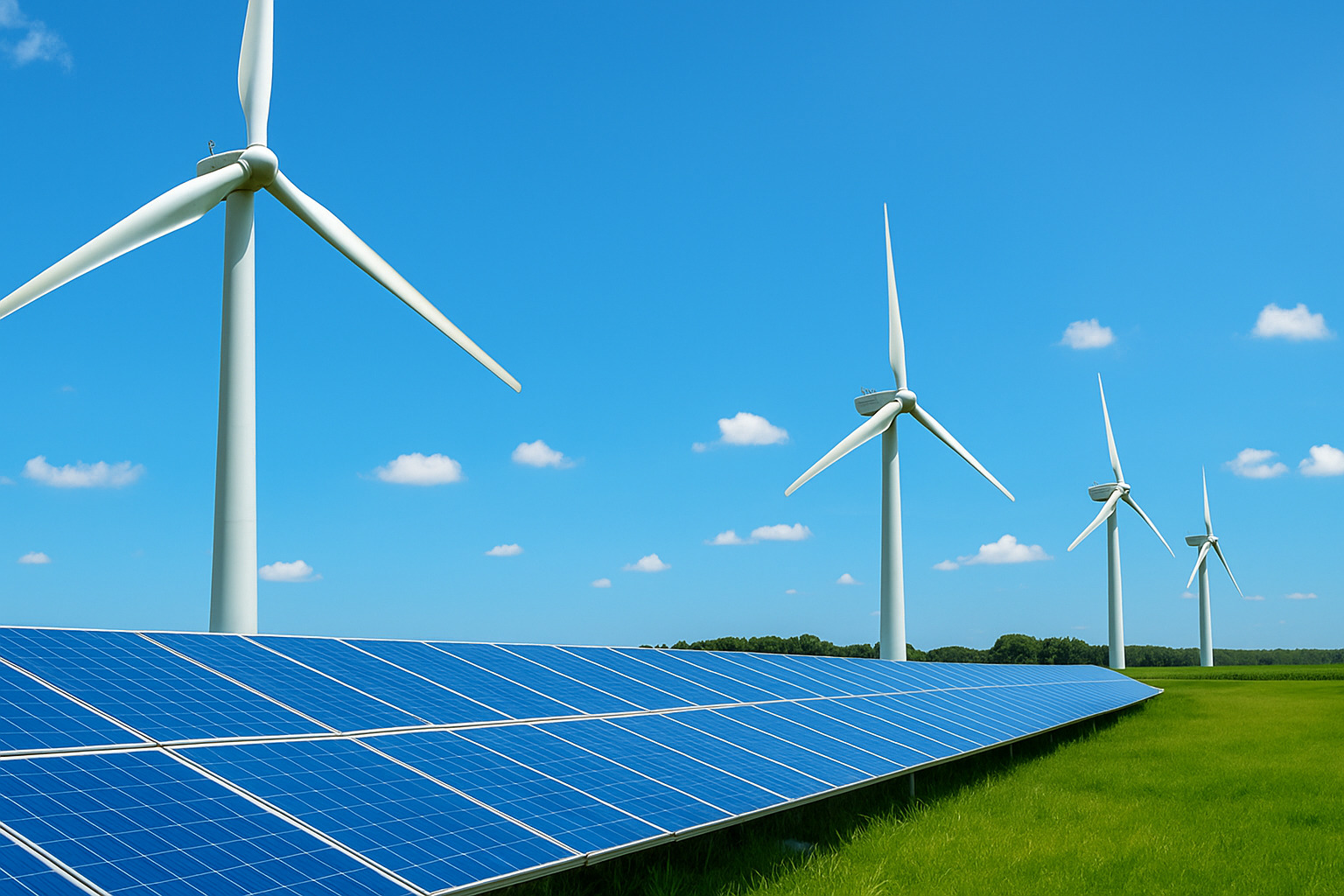
Solar energy, due to its modular and flexible nature, has begun to gain ground in both distributed generation — with panels installed on the roofs of homes, businesses, and industries — as well as in centralized generation, with large photovoltaic plants.
Furthermore, the gradual growth of solar energy also reflects previous public policies, which included tax incentives and technological innovation support programs in the sector.
Significant Growth of Solar Energy Surges in Brazil
The solar sector experienced significant growth in 2024, as evidenced by the numbers: financing for renewable energy projects totaled R$ 32.5 billion.
Notably, disbursements for solar energy increased by 30% compared to the previous year. Moreover, the increase primarily came from the capital markets, with the issuance of debentures and real estate receivable certificates.
This shows that investors increasingly trust in the profitability and stability of the solar sector.
Meanwhile, centralized wind energy experienced a decline of almost 30%, with R$ 8.7 billion financed, indicating a redistribution of resources in the renewable sector. Thus, wind energy, which traditionally benefited from investments from development banks like BNDES and BNB, suffered from a decrease in these contributions in 2024.
This performance difference between solar and wind highlights not only the economic attractiveness of solar energy, but also its ability to adapt to various types of enterprises.
These enterprises range from small residential systems to large photovoltaic parks. Additionally, the current scenario reflects changes in market preferences and technology.
Photovoltaic solar energy has become more accessible due to the decrease in the cost of modules and inverters, as well as the greater efficiency of the equipment. Consequently, government incentive programs and credit lines have facilitated the installation of systems in homes and businesses.
This stimulated distributed generation. These factors, combined with the growing environmental awareness, explain the rapid advancement of the sector.
Distributed Generation, Shared Generation, and Remote Self-Consumption
Distributed generation grew by 47% in 2024, with disbursements reaching R$ 6.9 billion, showing the relevance of self-consumption in the sector’s expansion strategy.
Furthermore, another important point is shared generation and remote self-consumption, which increased by almost 8%, totaling R$ 5.6 billion in financing.
This model allows consumers to participate in renewable energy production, even without physical space to install solar panels in their homes.
They acquire credits from solar plants installed in other locations. Therefore, this concept democratizes access to clean energy, strengthens the market, and reduces the country’s carbon footprint.
The impact of financing on the growth of solar energy also brings socioeconomic relevance. Consequently, by investing in solar energy, Brazil reduces dependence on fossil fuels and creates job opportunities and technological development.
From the manufacturing of photovoltaic modules to the installation and maintenance of systems, the sector generates a growing ecosystem of companies and specialized professionals, strengthening the local and regional economy.
Historically, the energy transition in the country has always relied on public policies for encouragement, and the solar sector is a recent example of this successful strategy.
Moreover, throughout the last decade, research laboratories and professional training have helped form a skilled workforce, increasing the efficiency and quality of solar projects.
Role of the Capital Market and Environmental Awareness
The capital market has been crucial for the leap in the solar sector in 2024.
According to data from the consultancy Clean Energy Latin America (Cela), 43% of the total financing allocated to renewable energies came from capital market operations. Development banks accounted for 32% and private banks for 25%.
Therefore, this diversification of funding sources indicates sector maturity and a lower reliance on traditional credit lines, reinforcing the economic sustainability of solar projects.
Beyond the financial aspect, the growth of solar energy is linked to environmental awareness and the search for low-impact solutions.
The emission of greenhouse gases remains one of the primary global challenges. Brazil, with its increasingly clean energy matrix, seeks to contribute to international carbon reduction targets. In this context, the expansion of solar energy becomes strategic, as it combines reliable energy production with environmental sustainability.
This makes it a priority for investors, governments, and consumers.
Additionally, environmental education programs and awareness campaigns on energy efficiency have encouraged households and businesses to adopt solar energy, broadening the reach and consolidating the sector as a reference in clean energy in Latin America.
Cultural and Social Transformations and Contrast with Wind Energy
The trajectory of solar energy in Brazil also reflects cultural and social changes. Thus, companies and households seek solutions that ensure savings and environmental responsibility.
The adoption of photovoltaic systems has come to be seen not just as a financial investment, but also as a contribution to a more sustainable future.
This perception strengthens the market and creates a positive cycle, where the demand for clean energy encourages new projects and increases technological competitiveness.
The contrast with wind energy shows that, despite its potential, some renewable sectors face specific challenges. Wind energy relies on large initial investments and often on government financing lines, making it more sensitive to changes in credit policy.
On the other hand, solar energy, with its flexibility and lower initial cost, can attract resources from different sources and adapt to market needs.
Moreover, the expansion of solar energy promotes greater social inclusion, allowing families from different economic classes to access clean energy through incentive programs and shared generation cooperatives.
In summary, the phenomenon of solar energy surging in Brazil in 2024 highlights a significant change in the national energy matrix and in investment profiles.
Future Perspectives and Sector Consolidation
The sector is growing consistently, supported by technology, diversified financing, and environmental awareness. Thus, solar energy transforms the way the country produces electricity and drives economic and social development.
This strengthens Brazil in the global renewable energy landscape.
The expectation is that this trend will continue in the coming years, with an increase in distributed generation, new self-consumption models, and a greater role of the capital market.
Moreover, the experience gained in the solar sector can serve as a reference for other renewable sources, creating a cycle of learning and innovation that benefits society as a whole.
Therefore, the expansion of solar energy in Brazil is not just a financial outcome, but a strategic milestone for the country’s energy future.
Consequently, the trajectory of steady growth and the increase in investor interest indicate that the sector will continue to strengthen, consolidating itself as a key player in the construction of a modern, sustainable, and efficient energy matrix.
Brazil demonstrates that public policies, private investment, and technology can work together to create lasting solutions.
Thus, solar energy, now established as a strategic sector, has the potential to transform not only the energy matrix but the entire Brazilian economy and society.