Portuguese
  Spanish


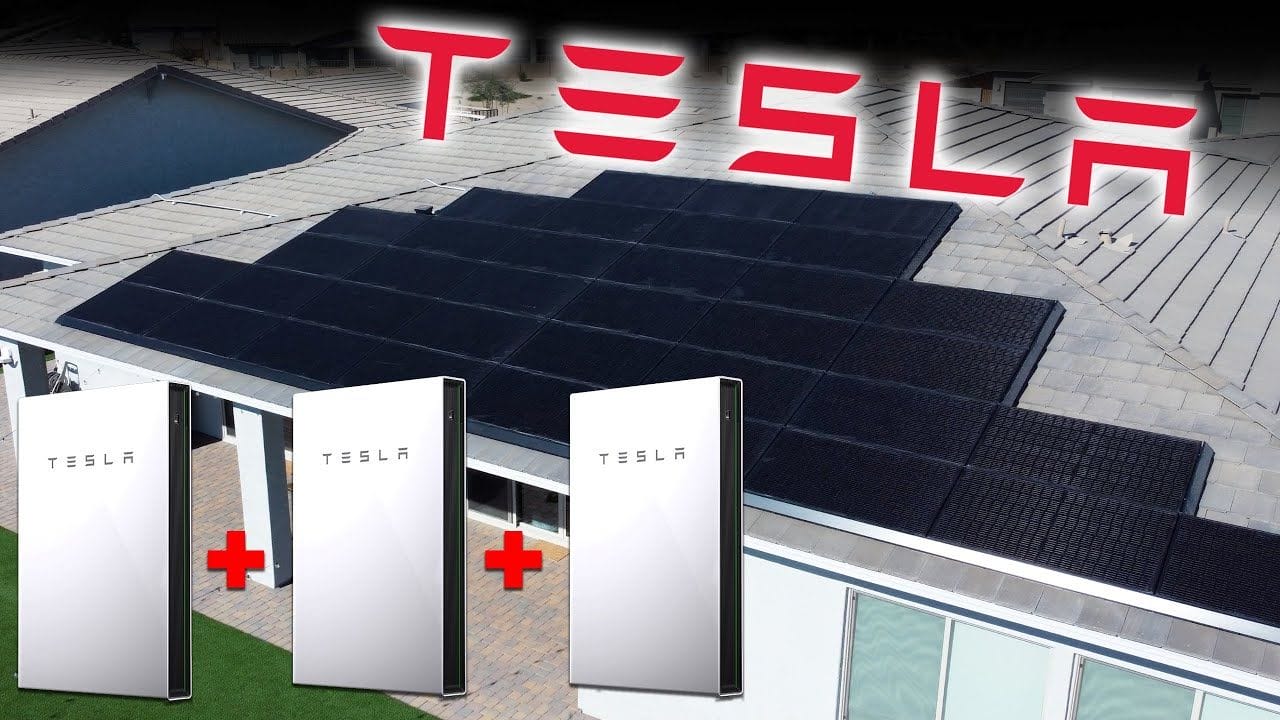

Tesla Is Transforming The Residential Energy Sector With Its Innovative Solar Neighborhood Initiative And The Growing Dominance Of The Powerwall, Integrating Solar Energy Into New Residential Constructions And Promoting A Sustainable Lifestyle.
Tesla, known for its advancements in the electric automotive sector, is now revolutionizing the residential energy sector with the Solar Neighborhood initiative and the Powerwall, its energy storage system. This comprehensive approach involves collaboration with builders to develop 600 solar neighborhoods, providing a complete solar energy solution for new homes.
The central concept behind the initiative is to equip new homes with a complete Tesla energy ecosystem. This includes solar roofs, Powerwalls, and electric vehicle chargers. The idea is for homeowners to generate, store, and use solar energy continuously, reducing their dependence on the traditional power grid and promoting a more sustainable lifestyle.
Powerwall: An Effective Energy Storage Solution
Tesla’s Powerwall, a sleek wall-mounted battery, allows homeowners to store excess solar energy or charge from the grid when rates are low. With a capacity of 13.5 kWh, a single Powerwall can power essential household appliances for a day. Larger homes or those with higher energy needs can combine multiple Powerwalls. When paired with solar panels or a solar roof, the Powerwall ensures a constant energy supply, maximizing solar energy use and minimizing grid reliance.
-
California Project Aims to Store Heat Underground in Former Oil Reservoir to Generate 100 kW of Electricity for Over 12 Hours

-
French Port Harnesses Industrial Waste Heat to Power Up to 30,000 Homes
-
Belgian Port to Install Shore Power for Cruise Ships by 2027, Cutting Dock Emissions by Up to 5% and Meeting EU Regulations
-
Canadian Project Converts Hot Water from Mature Oil Fields into Electricity, Repurposing Existing Wells and Infrastructure






Change in Energy Use
Tesla’s approach to residential energy represents a fundamental shift in how we view and use energy. The Solar Neighborhoods and the Powerwall are steps towards self-sufficiency, sustainability, and resilience in the face of changing energy landscapes. These initiatives are part of Tesla’s larger vision for a sustainable future and energy independence.
As these technologies become more accessible and widespread, a significant shift in the dynamics of residential energy is expected. Tesla is paving the way for a greener and more sustainable world, where homes not only consume energy efficiently but also generate and store it, contributing to a reduction in carbon footprints and encouraging more sustainable lifestyles.
Tesla’s Solar Neighborhood initiative and Powerwall represent more than just technological advancements; they are emblems of an emerging era of energy independence and environmental awareness. This is a crucial moment in the history of residential energy, and Tesla is at the forefront, redefining what it means to be a modern, energy-efficient home.