Portuguese
  Spanish


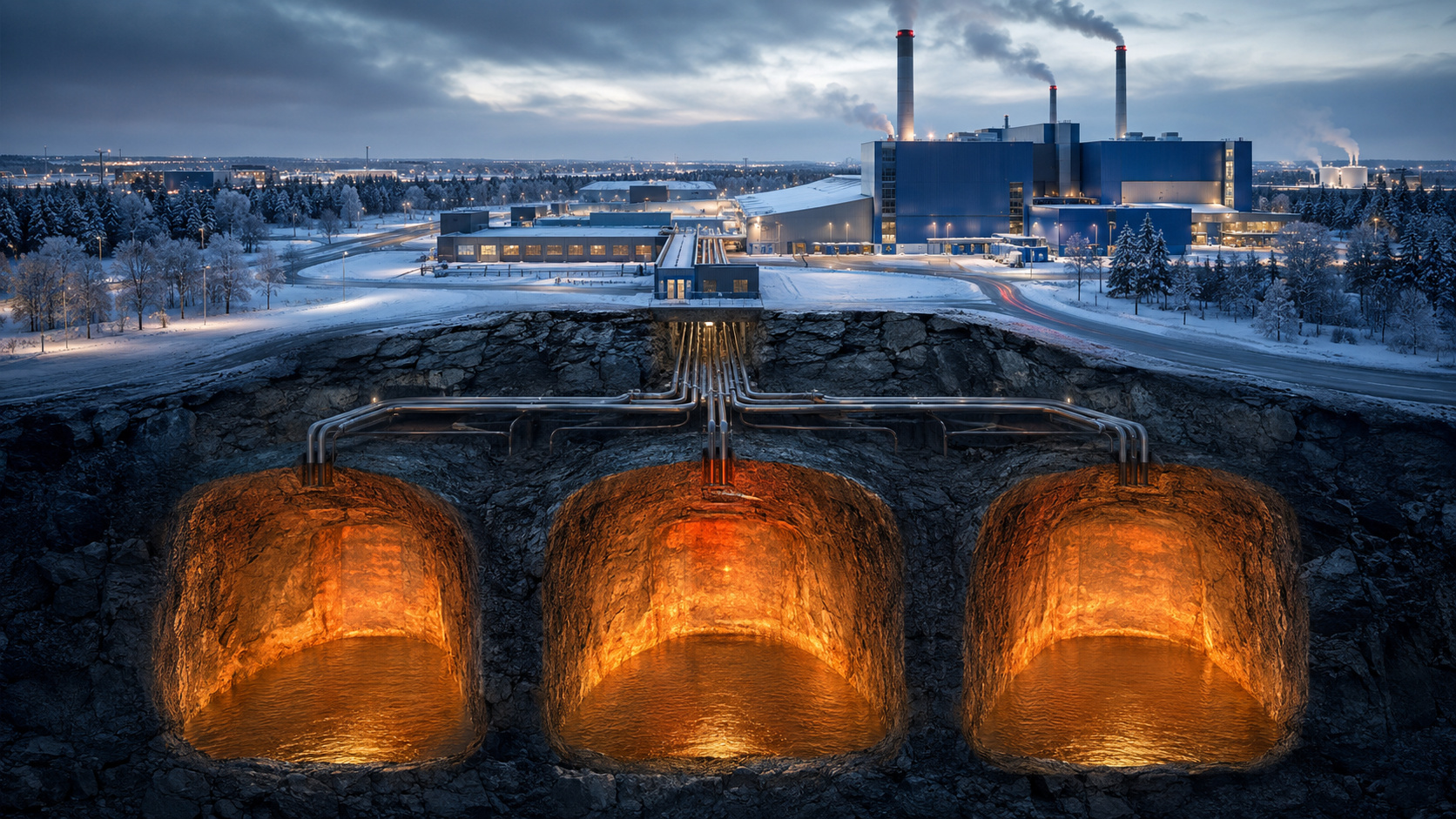

In Vantaa, thermal energy storage will be done with hot water stored in three underground caves, a reserve of 90 GWh of heat designed to strengthen the urban heating network during the coldest periods and reduce the need to produce energy at peak consumption times
A city in Finland is opening three caves under the rock to store 90 GWh of heat by 2030. In Vantaa, the Varanto project will use thermal energy storage to transform hot water into a reserve that can supply the urban heating network when winter increases consumption.
Varanto is in the execution phase and is scheduled to operate by 2030. The information was released by Vantaan Energia, a Finnish company responsible for energy and urban heating.
In practice, the system will not store electricity like a battery. It will store heat, which allows energy produced at another time to be reserved and used when there is a greater need to heat buildings and homes.
-
Brazil Aims to Become a Global Exporter of Green Hydrogen, the Clean Fuel Set to Generate Billions

-
Brazil to Hold First Offshore Wind Energy Auction, Aiming to Become the Country’s New Hydropower
-
Brazil to Hold First Auction for Batteries to Store Solar and Wind Energy from the Northeast
-
Brazilian scientists are simultaneously advancing two research projects on clean hydrogen and driving solutions that could transform the energy matrix, enhance industrial competitiveness, and accelerate large-scale emission reduction targets.


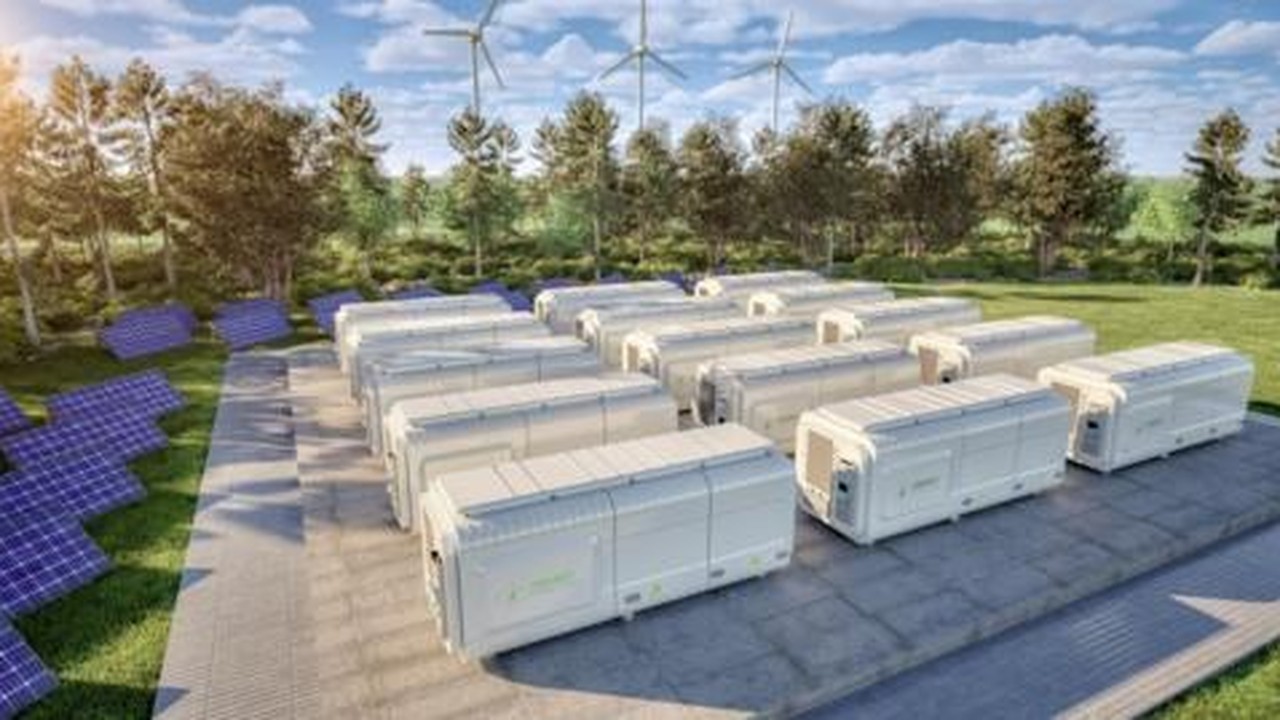

Three giant caves will become a hot water reserve
Varanto will have three underground caves excavated in the rock of Vantaa. Each space is expected to be about 20 meters wide, 300 meters long, and 40 meters high.
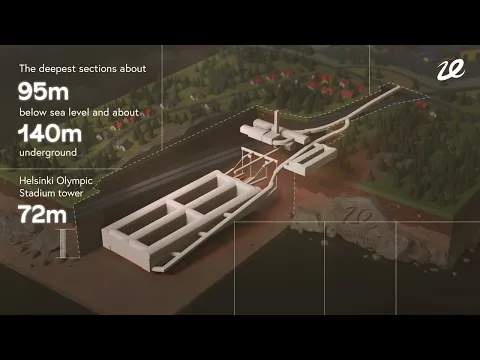

The set will have a volume of 1.1 million m³, including the areas necessary for operation. The bottom of the caves is expected to be 100 meters below ground, and the hot water will fill the part reserved for storage.
The pressure inside the system will allow the water to reach up to 140 degrees Celsius without boiling or evaporating. Thus, a large amount of heat can be concentrated underground, where it will be used later.
Thermal energy storage stores heat, not electrical charge
A battery receives electricity and returns electricity. Thermal energy storage uses another logic: it stores heat in a substance, like water, to release that heat later. In Vantaa, water will be used as this reserve.
This matters because the heat can be used directly by the urban network. Instead of generating everything at the peak demand moment, the city will be able to rely on a hot water reserve that has already received energy at another time.
The measure of 90 GWh shows the amount of energy that can be stored. This capacity can heat a medium-sized Finnish city for up to a year, within the intended use for the urban heating network.
Heat produced in the summer can serve the city in the winter
Vantaan Energia, the Finnish company responsible for energy and urban heating, detailed that the Varanto will be able to store heat produced in the summer to be used in the winter. The idea is to prevent part of the available energy in one period from going unused when demand is low.
The project plans to store waste heat, the name given to heat that remains from an activity and could be lost. This volume can come from thermal waste treatment, processes that use electricity during lower price times, and other existing heat sources.
Two 60 MW electric boilers each are expected to raise the temperature of the stored water. These are devices that use electricity to heat the water and can also provide heat directly to the network during periods of lower electricity costs.
Urban heating network delivers hot water to buildings and houses
The urban heating network works with pipelines that carry hot water to buildings. It replaces part of the work that would be done by separate equipment in each property to produce heat.
The Varanto was planned to supply this network in Vantaa. When demand increases, the heat stored in the caverns can be sent to the system through the pipelines, helping to organize energy use throughout the seasons.
The underground reserve does not create new energy. Its role is to store heat for later use, reducing the need to produce everything exactly during the peak consumption period.
Brazil can take advantage of industrial heat, but should not copy the solution without study
The Finnish project can inspire Brazilian companies that discard heat during production. In factories, industrial waste heat can escape from equipment and processes without being reused.
But the structure in Vantaa is not a ready-made copy for Brazil. The intense cold in Finland increases the need to heat buildings for many months, while the climate and Brazilian cities require a different type of calculation.
To operate in Brazilian territory, such a solution would need to assess where the heat is generated, who can use this heat, the existence of a pipeline network, and the safety of the storage location. In some cases, using the heat may make more sense within the industry itself or in nearby facilities.
With three caves, 1.1 million m³ of space, and 90 GWh of heat, Vantaa bets on storing energy when it is available to use at another time. The operation of Varanto is scheduled for 2030.
Which Brazilian industry would benefit most from storing the heat it currently loses? Comment and share.