Portuguese
  Spanish


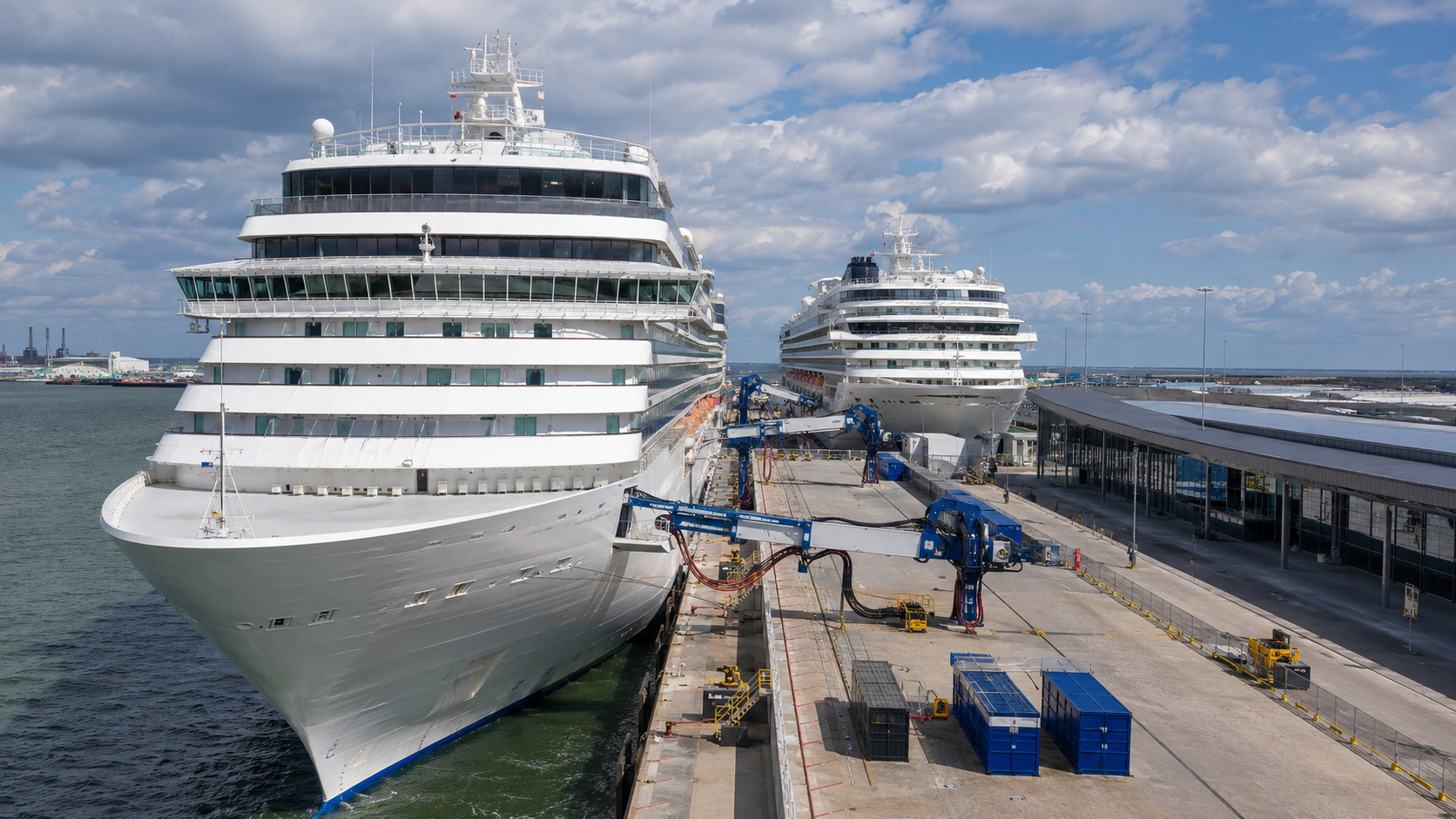

Onshore power at the Port of Zeebrugge will deliver electricity directly to the ship, reduce the use of diesel generators during docking, decrease smoke and odor near the city, accommodate two cruises at the same time in 2027, and prepare the terminal for a European requirement expected for 2030, with less emissions at the dock
On August 26, 2025, the Port of Zeebrugge, in Belgium, began the onshore power project that will allow connecting two cruise ships at the same time starting from the first half of 2027. The information was released by Port of Antwerp Bruges, the port authority managing the ports of Antwerp and Bruges.
A ship docked at the pier does not stop consuming energy. Cabins, kitchens, refrigeration, lighting, and other systems continue to operate throughout the docking period. To keep this structure active, vessels use diesel generators, even without sailing.
The new installation aims to change this routine at the Zweedse Kaai terminal. Instead of producing electricity within the ship, cruises will be able to receive power supplied by the dock itself.
-
Canadian Project Converts Hot Water from Mature Oil Fields into Electricity, Repurposing Existing Wells and Infrastructure

-
Finnish City to Store 90 GWh of Heat in Underground Caves by 2030 to Reduce Winter Reliance on Batteries and Immediate Energy
-
Post-Katrina Engineering System Uses Steel Frames, Floating Blocks, and Guide Posts to Elevate Homes During Floods
-
1910 Sailing Ship Restored After Seven Years Sets Sail for the UK

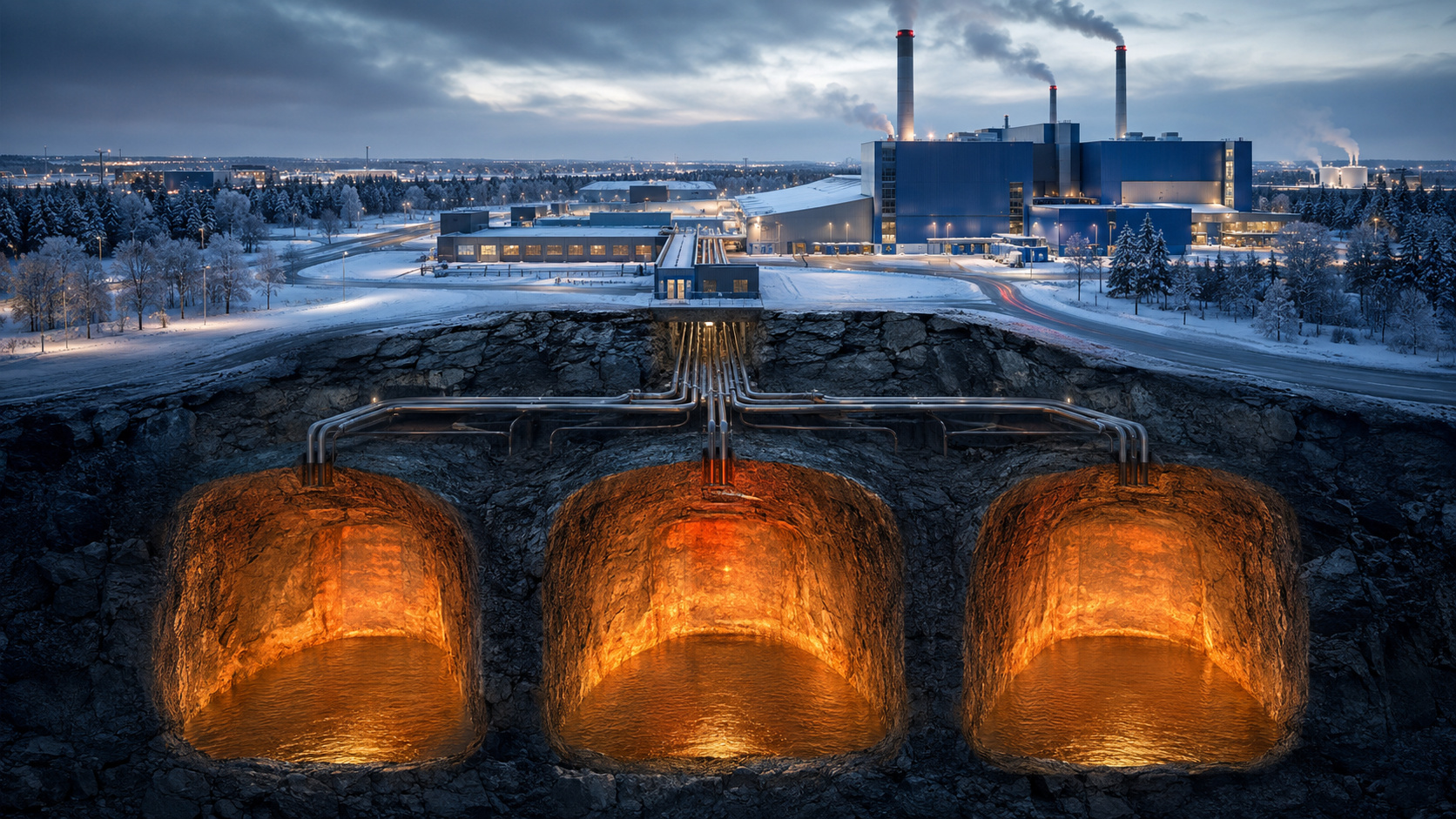


Onshore power delivers electricity from the port to the ship’s systems
Onshore power allows the vessel to be connected to the electrical grid while docked. It’s like connecting the ship to a large socket prepared to support the consumption of a floating city.


Before reaching the ship, the electricity passes through a substation. This structure adjusts the correct power strength so that the onboard systems operate without risk of incompatibility.
The connection will be made by a movable arm installed on the dock. After the connection, the ship can turn off the generators used during the stop and use the power supplied by the port.
Two cruise ships can be connected in the first half of 2027
The work is underway at the cruise terminal of Zweedse Kaai, in Zeebrugge. The first ships will be able to use the structure in the first half of 2027.
The planned capacity is to accommodate two cruise ships simultaneously. This allows more than one vessel to reduce reliance on diesel generators during docking.
The schedule places the terminal three years ahead of the European obligation set for 2030. The requirement aims to increase the use of shore power in ports that receive large vessels.
Docked ship still burns diesel to maintain life on board
A passenger may look at a docked cruise ship and imagine that the engines are off. In practice, the ship still needs electricity to maintain rooms, restaurants, kitchens, refrigeration systems, and internal equipment.
The diesel generators meet this need when there is no electrical connection available at the dock. They produce energy but also release smoke, smell, and gases that affect the area around the terminal.
Shore power reduces this problem at the point where the ship is docked. The electricity is no longer generated within the vessel and instead comes from the structure installed at the port.
Zweedse Kaai Terminal accounts for about 5% of ship emissions at the docks
The Zweedse Kaai area accounts for about 5% of CO₂ emissions from all ships docked at the Antwerp and Zeebrugge docks. This volume comes from cruises that keep diesel generators active during their stay at the port.
Port of Antwerp Bruges, the port authority managing the ports of Antwerp and Bruges, detailed that shore power can eliminate emissions from these vessels at the dock itself, as well as reduce smoke, smell, and visual nuisance for residents, passengers, and crew.
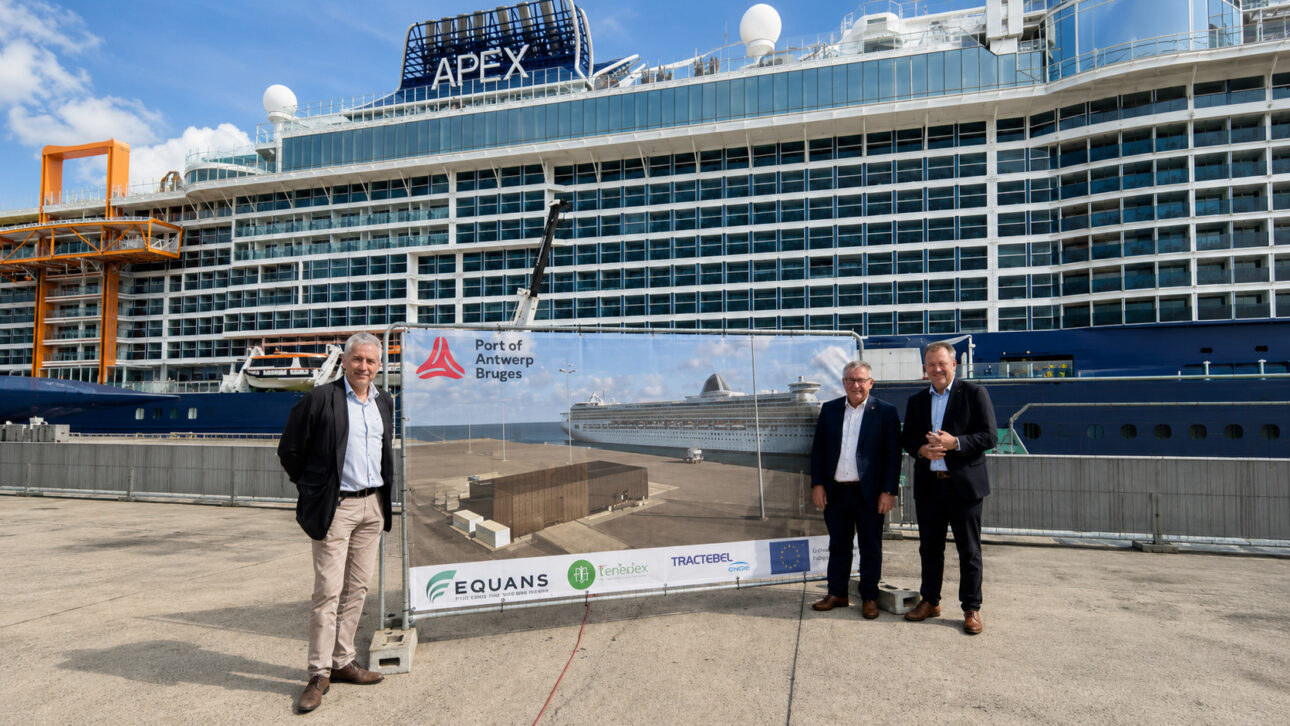
The percentage does not represent all port emissions in Belgium. It refers to ships docked at the Antwerp and Zeebrugge docks, where diesel electricity generation is still part of the routine for many cruises.
Substation and electrical compatibility are decisive parts of the work
The installation does not work with just a cable connected to the ship. The terminal needs a high voltage substation, safety equipment, and a connection capable of delivering power to the vessel.
The ship also needs to accept the electricity received from the dock. Voltage and frequency are characteristics of the electrical grid that must be suitable for onboard systems.
This detail explains why shore power requires changes at the port and within the ship. The structure needs to function in an integrated manner so that generators can be turned off during the stopover.
The Belgian case helps to understand the challenge of Brazilian ports
Brazilian cruise and cargo terminals would also need a prepared electrical grid, substation, connection equipment, and compatible ships to use shore power.
The technology is not an automatic solution for any port. Each terminal needs to assess the capacity of its network, the type of vessel received, and the necessary infrastructure to handle stopovers without interrupting operations.
In Zeebrugge, the work is not yet completed. The first connection is scheduled for the first half of 2027, when two cruise ships will be able to receive electricity from the dock simultaneously.
The initiative shows that reducing port pollution does not depend solely on switching fuels. Delivering power to the ship during the stop can reduce smoke, odor, and emissions in areas close to cities.
Do you believe that major Brazilian ports should invest in shore power to reduce ship smoke near residents and workers? Share your opinion in the comments.