Portuguese
  Spanish


The geothermal energy project in Canada uses hot production water, repurposes mature wells, limits new constructions, and shows another solution for disposal costs.
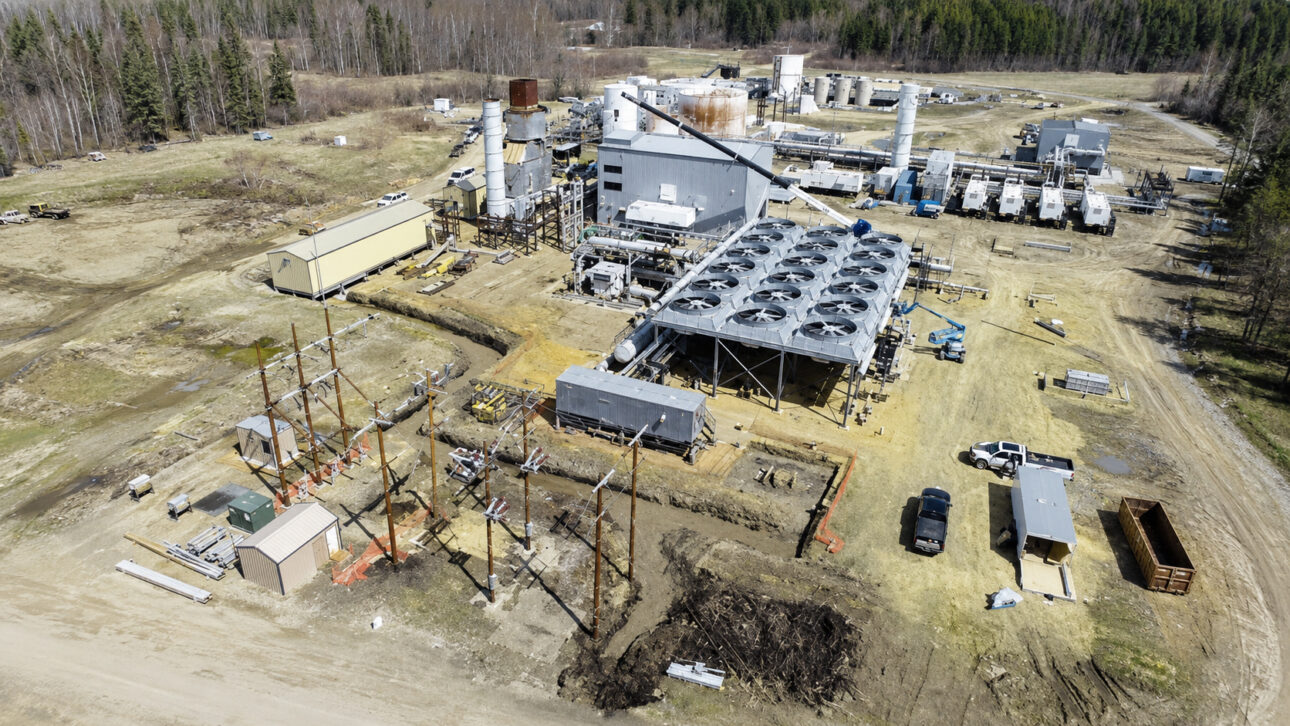
In Swan Hills, Canada, an oil and gas operation uses hot production water to support the generation of geothermal energy. The fluid, which previously only entered the routine of separation, treatment, and return to the underground, now has an additional function.
The information was released by Natural Resources Canada, the federal Canadian body responsible for natural resources and energy. The initiative takes advantage of an active oil and gas operation to obtain heat from the underground without interrupting oil and gas production.
In practice, the case shows how a structure created to extract fuels can gain another function. Mature wells, pipelines, and already installed equipment also gain value in electricity production.
-
Finnish City to Store 90 GWh of Heat in Underground Caves by 2030 to Reduce Winter Reliance on Batteries and Immediate Energy

-
Brazil Aims to Become a Global Exporter of Green Hydrogen, the Clean Fuel Set to Generate Billions

-
Brazil to Hold First Offshore Wind Energy Auction, Aiming to Become the Country’s New Hydropower
-
Brazil to Hold First Auction for Batteries to Store Solar and Wind Energy from the Northeast


Production water needs control before returning to the underground
Production water is the water extracted along with oil and gas during the operation of a field. It is not suitable for consumption and may carry oil, salts, and other materials from the underground reservoir.
Therefore, this fluid undergoes treatment and separation before proceeding to its destination. In many fields, the water returns to the underground through reinjection, which is the return of the liquid to an underground formation.
Reinjection is part of the routine of various oil and gas operations. It requires monitoring, appropriate equipment, and care to ensure the water is moved within the conditions provided for each field.
Geothermal energy uses the heat of the water before reinjection
Geothermal energy harnesses the heat present below the Earth’s surface. In Swan Hills, hot water carries this heat to the structures used by the oil and gas operation.
The project extracts part of the heat from the fluid to contribute to the generation of electricity before the water returns underground. Thus, the same volume that already circulates through the field can have another use.
The operation functions as a hybrid system, as it combines the geothermal utilization of hot water with generation linked to natural gas. This avoids the misconception that all electricity comes solely from the heat of the produced water.
Mature wells, pipelines, and equipment take on a new function
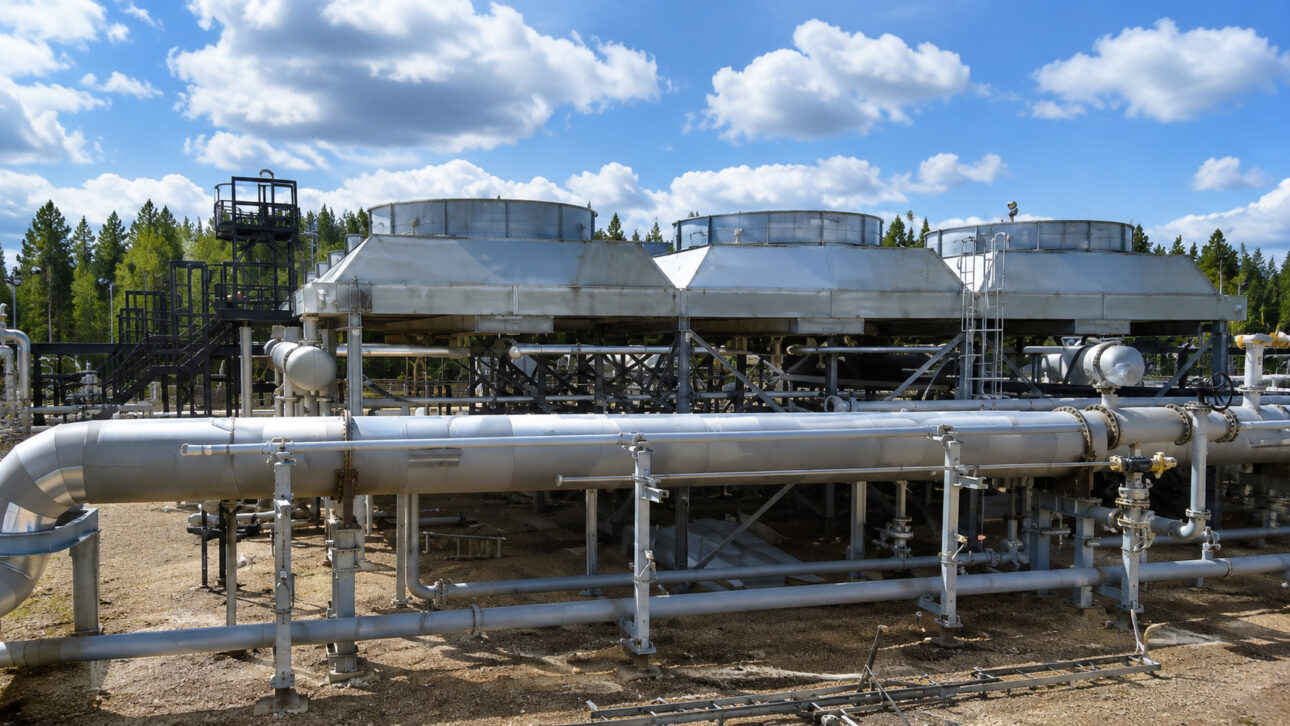
The utilization of hot water does not start from scratch. The field’s structure already has mature wells, pipelines, fluid movement systems, and treatment units that are part of the oil and gas activity.
These assets can help reduce the need to create a completely separate structure to capture and transport the heat. The pipelines and separation systems continue to serve the main operation but can also support electricity generation.
Natural Resources Canada, the Canadian federal agency responsible for natural resources and energy, describes the project as a geothermal coproduction linked to an active oil and gas operation.
Coproduction occurs when oil, gas, and heat from the underground are utilized within the same industrial area. The existing infrastructure gains an additional function, without automatically transforming any field into a geothermal plant.
Temperature, water volume, and costs determine if the idea works
Having hot water in an oil field does not guarantee electricity generation. The temperature of the water, the volume of fluid available, and the quality of this material directly influence the outcome.
It is also necessary to consider the state of the equipment, the need for maintenance, and the distance to the electrical grid. Each of these points can increase costs or limit the utilization of the heat.
The produced water can cause scaling and wear on parts of the system. The environmental rules and technical care also need to be followed before the heat is used to generate energy.
Brazilian onshore fields would require their own analysis
Brazil has onshore fields with wells, pipelines, and separation units, but this does not mean that all can replicate the Canadian model. Each area has different temperature, water volume, and infrastructure conditions.
A similar application would depend on studies about technical feasibility, safety, electricity destination, and adaptation cost. The available heat would need to justify the necessary investments to integrate the generation into the field.
Swan Hills shows a possible alternative to look beyond oil and gas extraction. But the result depends on local conditions and does not replace a detailed assessment of each operation.
In Swan Hills, the water accompanying oil and gas production is no longer seen just as a fluid that needs treatment and reinjection. Its heat starts to support geothermal energy within an already existing structure.
The main lesson is in the possibility of giving a second industrial function to wells, pipelines, and equipment, provided the field has the technical, economic, and environmental conditions for it.
In your opinion, should mature oil fields evaluate the heat of production water before treating this fluid only as a cost? Comment and share this publication.