






 Portuguese
  Spanish


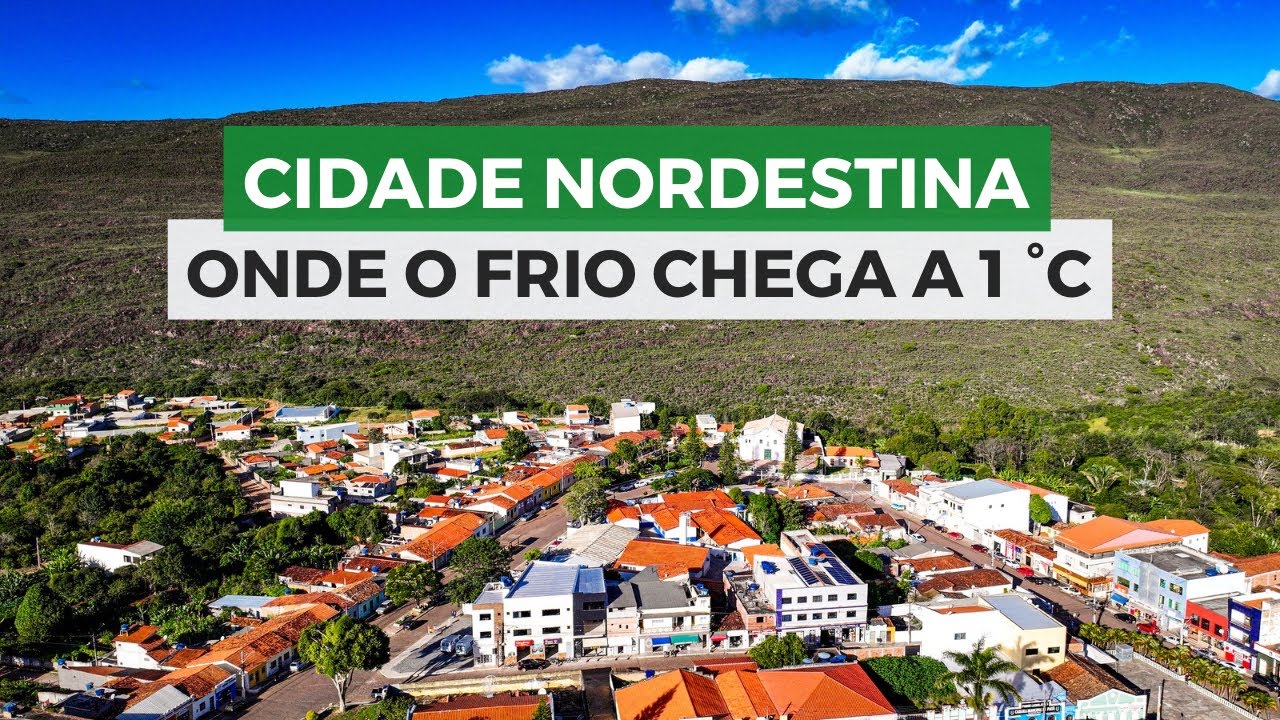


The Highest City in the Northeast Is Over 1,280 M, Has Mild Climate, Award-Winning Coffee, and Unique Economic Challenges in the Interior of Bahia.
In popular imagination, the Brazilian Northeast is associated with intense heat, long periods of drought, and low altitudes. But there is a municipality that completely breaks this pattern. In the heart of Chapada Diamantina, in the interior of Bahia, lies Piatã, recognized as the highest city in the Northeast, with its urban center located at about 1,280 meters above sea level.
This altitude places the municipality in a rare climatic and geographical category within the region, creating a reality much closer to the mountain cities of the Southeast than to the northeastern sertão.
Piatã and the Climate That Surprises Even Those Who Live Nearby
The high altitude results in significantly lower average temperatures than in the surrounding areas. While neighboring cities experience intense heat, Piatã records:
-
Bruno Guimarães, 28, Misses Crucial Penalty Against Norway in World Cup After Replacing Vinicius Jr.

-
Inspired by a school lesson on Africa’s water crisis, a young boy raised money through chores to fund a well that transformed a Ugandan community.

-
Brazilian Construction Worker Moves to France, Earns Up to €2,500 Monthly with Home Renovations, Gains Social Media Attention

-
US Navy Sinks USS Oriskany with 230 kg of C-4, Creating World’s Largest Artificial Reef in 37 Minutes







- cool mornings
- mild-temperature nights
- winters with unusual thermal sensations for the Northeast
During certain times of the year, thermometers can register less than 10 °C, a rarity in the region. This cooler climate directly influences the daily life of the population, from the type of clothing to the architecture of the houses.
An Agriculture That Does Not Seem Northeastern
The mild climate and altitude have created unique conditions for altitude agriculture, something uncommon in the Northeast. Piatã has become nationally known for its production of specialty high-quality coffee, cultivated in areas above 1,200 meters.
These coffees have already won national and international awards, putting the municipality on the global map of mountain coffees. The altitude, combined with cold nights and the slow maturation of the beans, results in sensory profiles valued in the premium market.
Besides coffee, other crops have adapted better to the milder climate, creating an agricultural economy different from the regional standard.
Living High Also Costs a Lot

Despite the climatic and productive advantages, living in the highest city in the Northeast brings significant economic challenges. The geographical isolation typical of Chapada Diamantina makes logistics difficult, increases transportation costs, and limits quick access to large centers.
The local economy heavily relies on:
- agriculture
- public service
- a tourism sector still under development
The cost of agricultural production is higher, and job generation outside the rural sector is limited, forcing part of the population to seek opportunities in other cities.
Tourism With Potential, But Still Restricted
The altitude, unique climate, and natural landscapes position Piatã as a tourist destination with potential, especially for those seeking experiences outside the northeastern standard. Trails, mountains, cool climate, and a distinct cultural identity are clear attractions.

However, tourism still faces obstacles:
- limited infrastructure
- low accommodation availability
- restricted road access
This causes the tourism economy to grow slowly, despite the great potential.
Comparison With Other High Cities in the Northeast
To understand how out of the ordinary Piatã is, one only needs to compare its altitude with other well-known cities in the region.
| City | State | Approximate Altitude |
|---|---|---|
| Piatã | BA | ~1,280 m |
| Triunfo | PE | ~1,010 m |
| Guaramiranga | CE | ~865 m |
| Gravatá | PE | ~447 m |
| Pombal | PB | ~450 m |
The difference is clear. Piatã clearly leads, consolidating the title of the highest city in the Northeast.
A Northeast That Few Know
Piatã is proof that the Brazilian Northeast is not homogeneous. In a continental country, even regions marked by climatic stereotypes hide completely different realities.
The city lives above the northeastern clouds, with its own climate, agriculture, and challenges, shaped by altitude and isolation. It is not just a geographical curiosity, but an example of how Brazilian territory houses profound contrasts.
Piatã shows that altitude can redefine everything: climate, economy, agriculture, and local identity. In a Northeast associated with extreme heat, it has built its own reality, colder, higher, and full of particularities.
And you, reader: did you imagine that the highest city in the Northeast was so close to the mountains of the Southeast in terms of climate and challenges?





Não sei qual é mais fria. Frequento essas cidades todas a muito tempo, e a menor temperatura que peguei em Piatã, foi 6° C. Conquista no inverno realmente é muito fria, especialmente nas extremidades da sede, mas nunca peguei abaixo de 10° lá. Mas peguei 8° em Morro do chapéu, e 9° na parte alta de Jacobina. Enfim, um dia vou morar na chapada😁 PS.: A menor temperatura que peguei, foi em Cuzco, no Peru, 2° no inverno. Que saudade daquele lugar!!
Caro Valdemar, o nosso turismo não está “em desenvolvimento”. Está em estado de aborto pré – natal. Porque temos administrações que não administram, muito menos incentivam, mas destroem tudo que outrora tivemos de belezas. Tanto naturais (mineradoras e agronegócio ao invés de preservação) como culturais (acervo de casa coloniais derrubado).
E com tanta agressão contra a Natureza o clima que você descreve também está mudando: cada vez mais seco e quente.
Deve ser ****, eles entran com Uma única finalidades, destruir
**** é Canindé no Ceará.