





 Portuguese
  English
  Spanish
  4 min of reading
  0 comments


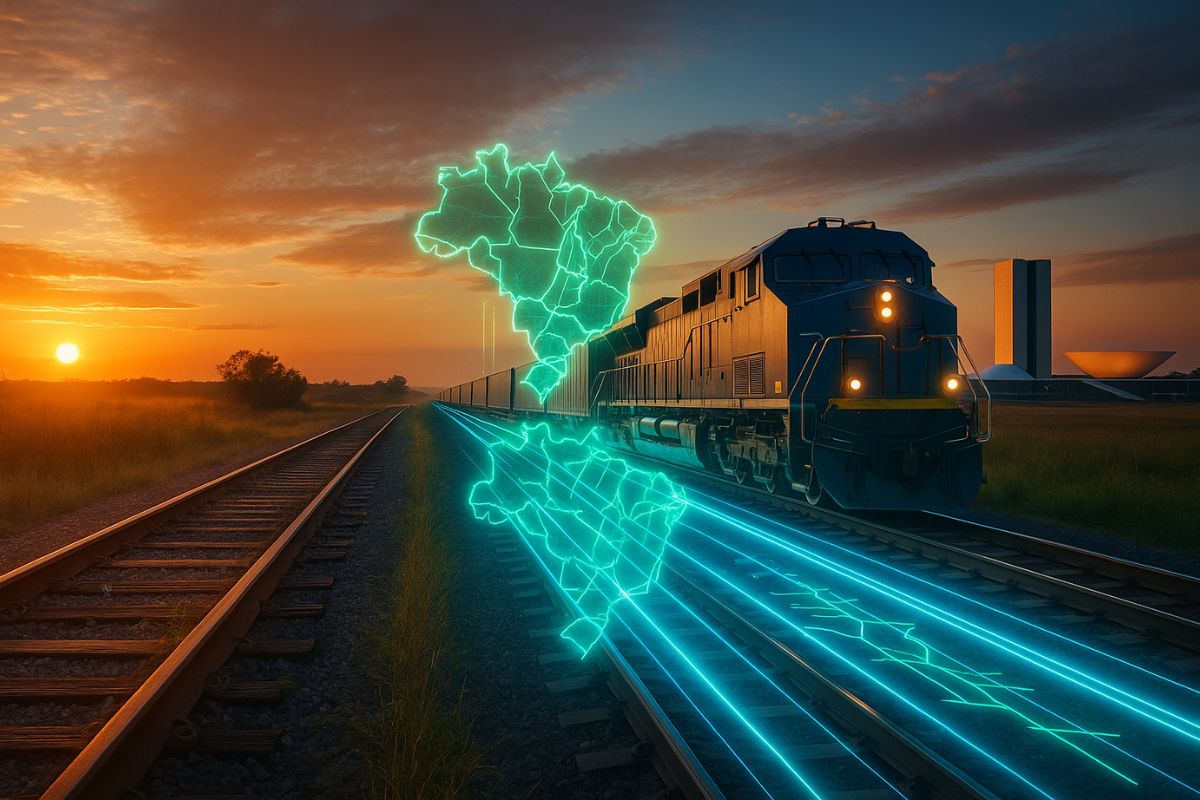
According to NeoFeed, the smart railways plan aims to transform abandoned segments of the federal rail network into strategic logistics assets, with an unprecedented model that mixes concession and railway authorization, R$ 500 million already guaranteed for Fiol 2 and seven auctions scheduled for 2026.
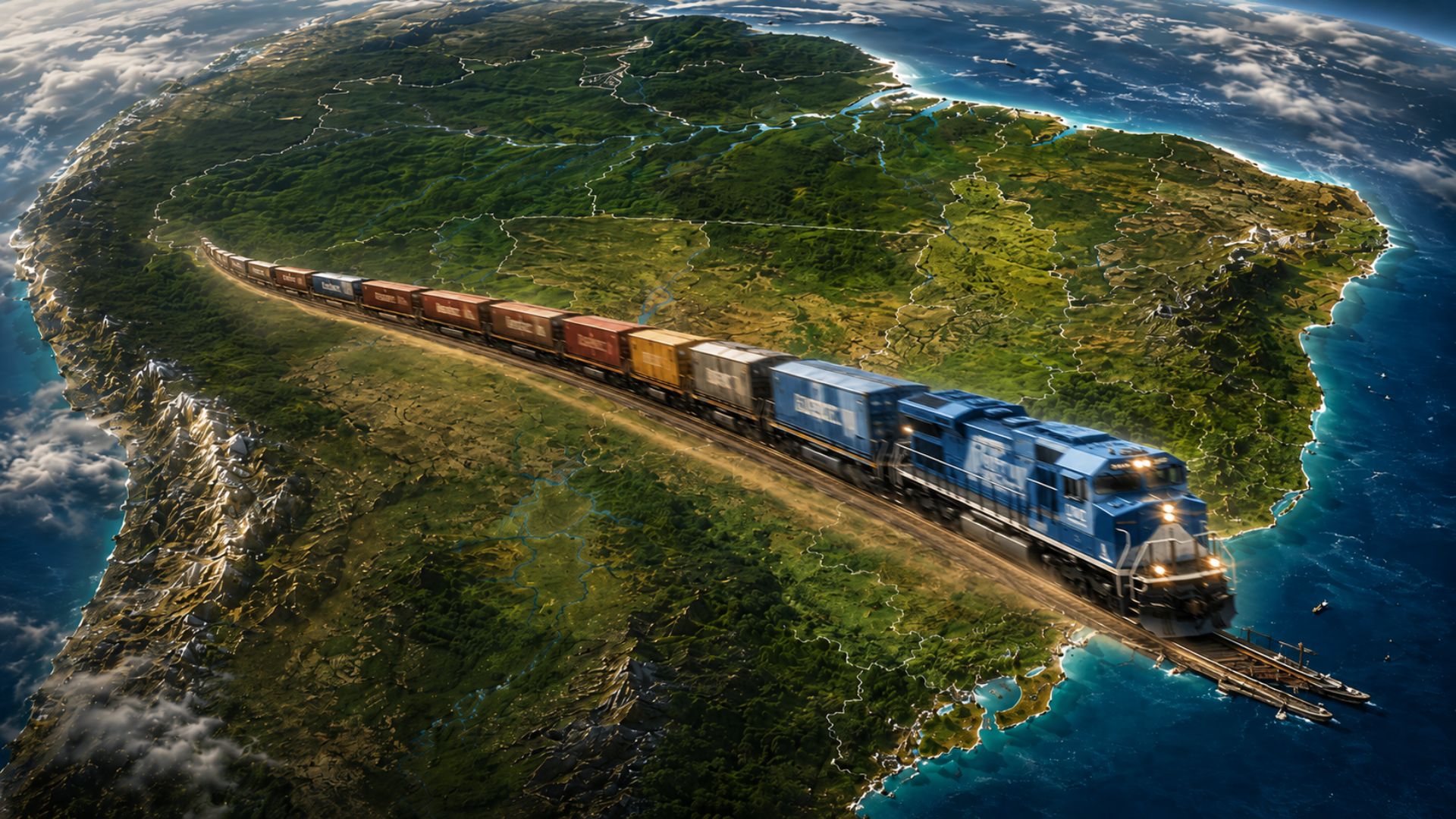
The smart railways plan is the new bet of the federal government to unlock the logistics sector and make use of 10,000 km of currently idle tracks in the federal network. The proposal, presented by the national secretary of Railways, Leonardo Ribeiro, to NeoFeed, brings a regulatory innovation: the use of hybrid PPPs, a model that combines features of traditional concession with simplified authorizations.
In practice, this format allows attracting private companies with less bureaucracy and lower regulatory costs, without giving up legal certainty. The idea is to give utility to returned or abandoned sections, increasing the capacity for cargo and even passenger transport. The government expects to publish the first public call in March 2026, with an expectation of seven auctions in the same year — a bold and decisive move, as it will be the last year of the current term.
The Challenge of Recovering 10,000 Km of Idle Tracks
According to the Ministry of Transport, Brazil has thousands of kilometers of railways underutilized or underused by private concessionaires.
-
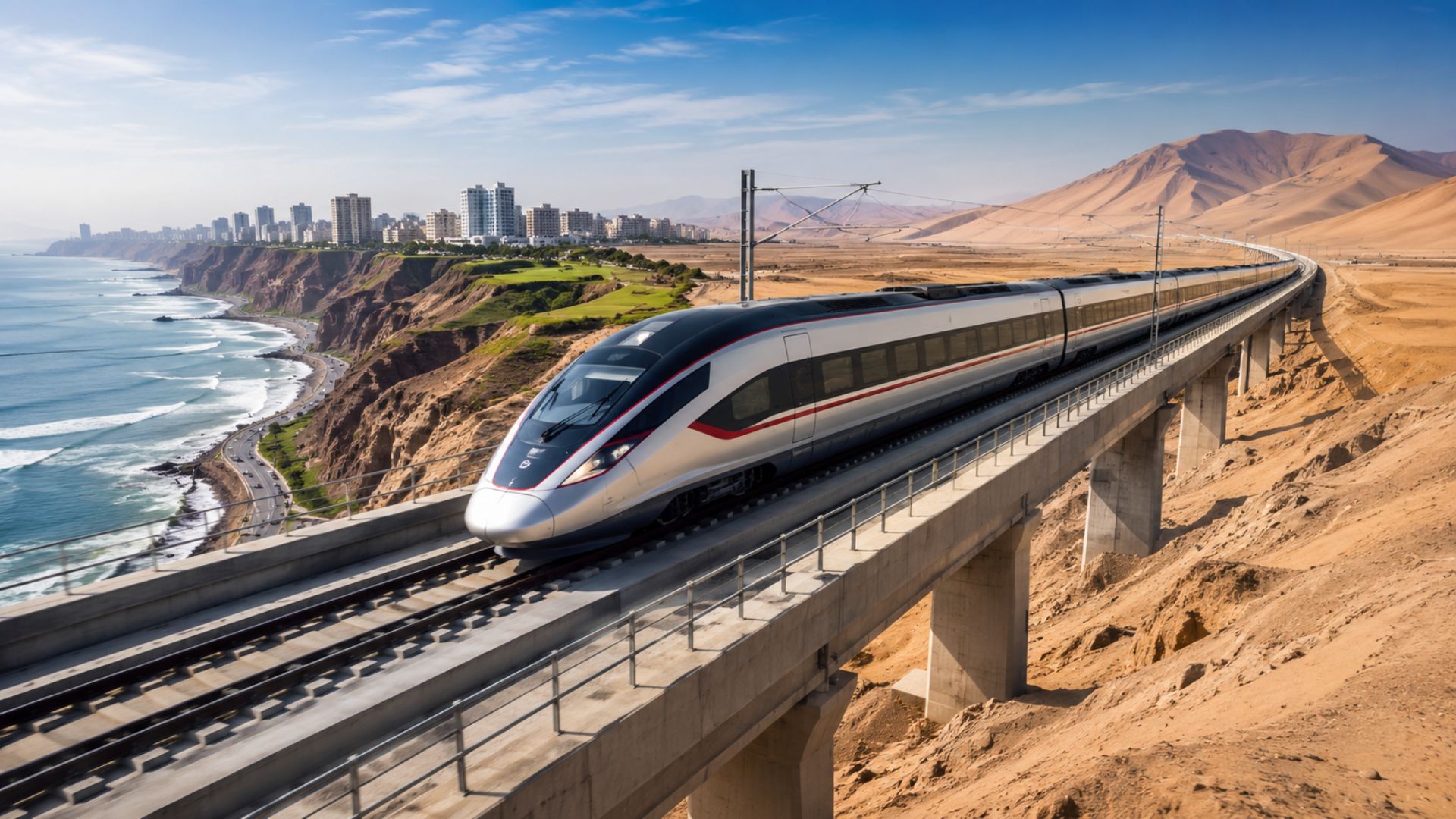
Peru plans to build, with Chinese technology and capital, what is intended to be the fastest train in South America, a high-speed line between Lima and Ica at up to 200 km/h, but the $6.5 billion project is only expected to be completed around 2032.

-
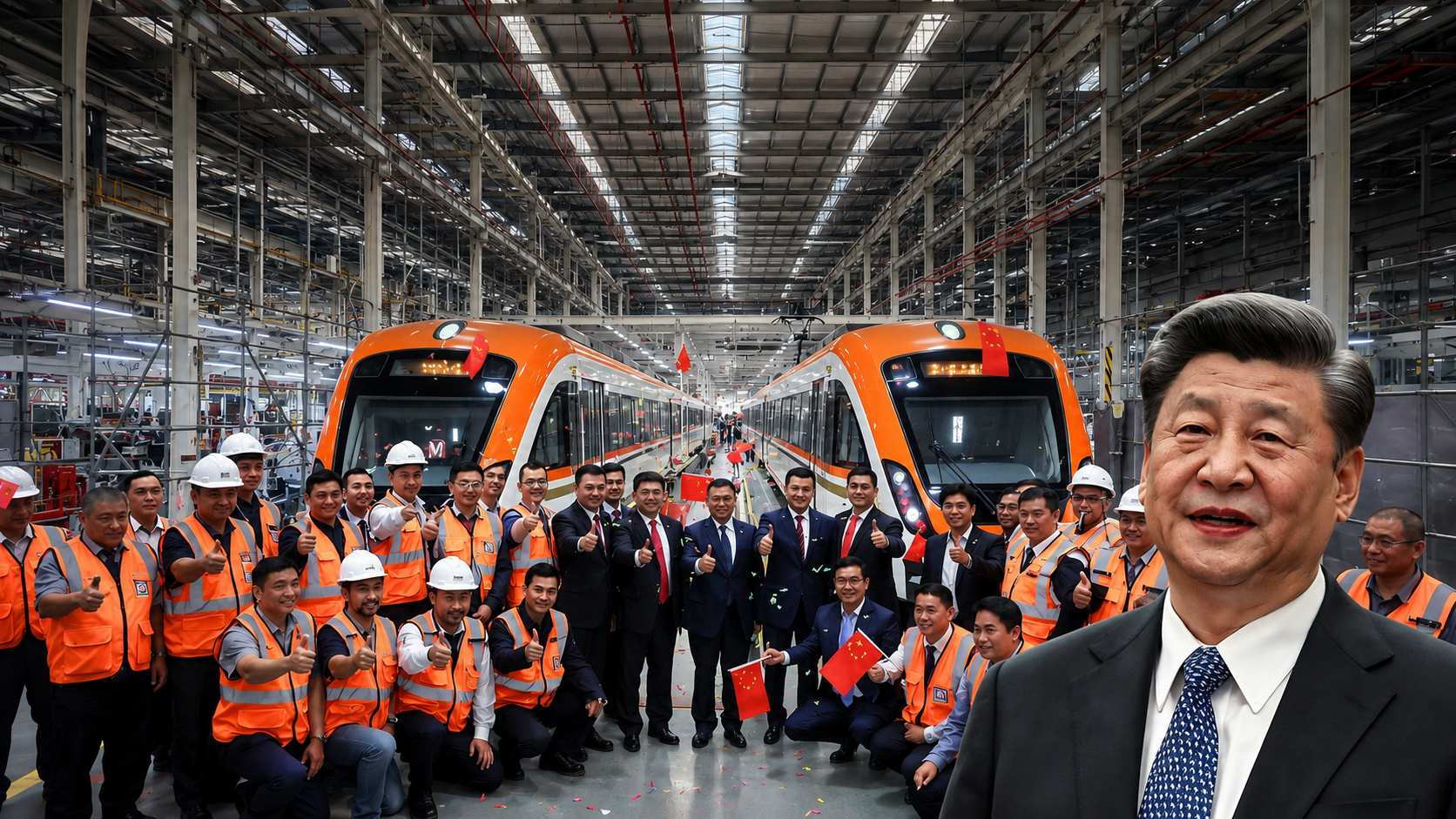
China modernizes the oldest metro line in Mexico City, taking on the renovation of 18.83 km, 20 stations, new trains, signaling, and maintenance for 19 years in one of the most crowded systems in Latin America.

-
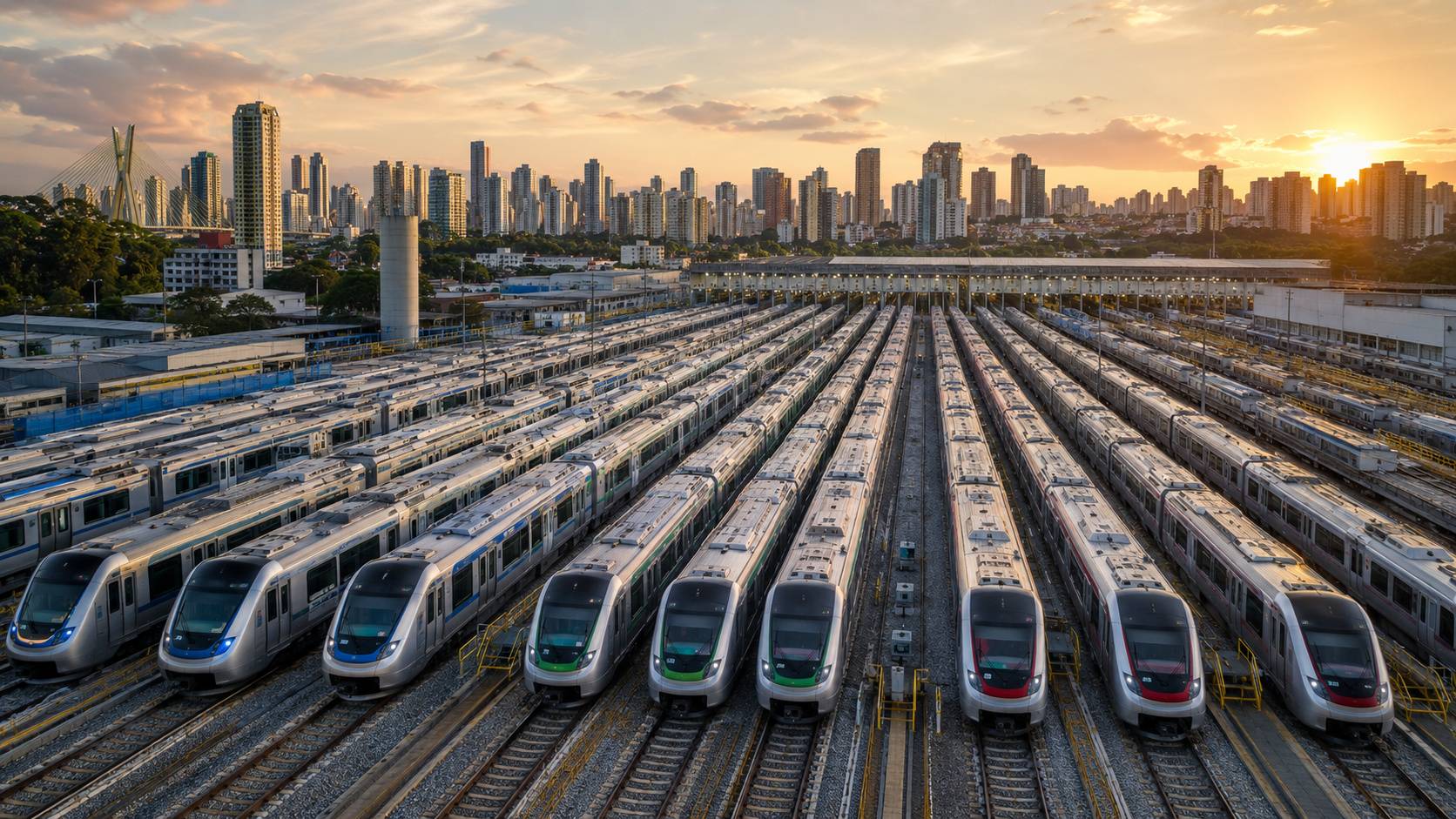
São Paulo purchased 44 Chinese trains for R$ 3.1 billion and deployed them on the Blue, Green, and Red metro lines, accelerated the expansion of the Green Line 2, and made CRRC a central piece in the largest railway renovation in the capital in decades.
-
The Union will invest R$ 3.6 billion to revive the Malha Oeste, a 1,625 km abandoned railway that connects Corumbá to São Paulo, in a concession project recently approved by ANTT that promises to reconnect the Midwest to the Port of Santos and the borders with Bolivia and Paraguay.
Among the examples is the Minas-Rio corridor, with about 500 km between Arcos (MG) and Barra Mansa (RJ), returned by VLI Logística.
This will be the first section tested under the new model, opening the way to turn liabilities into strategic assets.
The logic is clear: without recovering the existing tracks, it is impossible to advance in logistical efficiency.
The central objective is to reduce dependence on road transport, which accounts for more than 60% of the national matrix, drives up freight costs, and increases greenhouse gas emissions.
Seven Auctions in 2026: From Ferrogrão to Urban Lines
The schedule for the smart railways plan already lists seven strategic projects for 2026.
Among them, the Ferrogrão, a 933 km line between Sinop (MT) and Miritituba (PA), stalled for more than a decade due to environmental deadlocks. Other projects in the package include:
Brasília–Luziânia Line (70 km), aimed at passenger transport;
Salvador–Feira de Santana Line (115 km), another bet on urban mobility;
Vitória–Rio Railway (EF-118), with potential for cargo and passengers;
West Network, currently being re-bid after the return of Rumo Logística;
Minas-Rio Corridor, cited as the pilot project of hybrid PPPs;
Fiol 2, an essential stretch of the Fico-Fiol corridor, in the final stage of construction.
This set covers from agriculture in the Midwest to urban mobility in the Northeast, in addition to connecting the industrial Southeast and paving the way for the bi-oceanic route to Peru.
Fiol 2: The Showcase of the New Model
Among the planned auctions, the Fiol 2 is considered a priority.
The 500 km stretch in Bahia has 70% of the works completed and requires R$ 500 million in private investment to finish just 35 km between Guanambi and Caetité.
Fiol 2 integrates the Fico-Fiol corridor, which will have 2,700 km connecting Lucas do Rio Verde (MT) to the port of Ilhéus (BA), crossing Brazil from east to west.
The project is connected to the bi-oceanic route to the port of Chancay in Peru, controlled by the Chinese Cosco, with the potential to move up to 50 million tons of grains and minerals per year.
The completion of this stretch is vital for the flow of agriculture and for the country’s logistics integration strategy.
Financing: Linked Accounts and Cross Investment
One of the biggest obstacles to the rail sector has always been long-term financing.
To enable the smart railways plan, the Ministry of Transport is betting on two new mechanisms:
Linked accounts, which allow for reinvestment of concession and authorization revenues directly into new railway projects;
Cross investment, in which concessionaires renegotiate contracts and invest resources in priority works, instead of passing amounts directly to the Treasury.
These solutions aim to reduce dependence on the public budget, increasing liquidity and providing predictability to the private sector.
Expected Impacts and Risks of the Project
If executed, the plan could generate thousands of regional jobs, improve the logistics competitiveness of agriculture, and reduce transportation costs in the medium term.
Passenger projects may bring positive impacts on urban mobility, real estate development, and quality of life in metropolitan areas.
But the risks are clear.
The slow financial return may deter investors, and the execution of seven auctions in a single election year raises doubts about deadlines and delivery capacity.
Another challenge is the supporting infrastructure: the port of Ilhéus, for example, still needs robust investments after the failure of the previous concession.
The smart railways plan symbolizes the attempt to transform 10,000 km of idle tracks into new cargo and passenger corridors, while also rescuing megaprojects like Ferrogrão and Fiol 2.
Whether it will succeed or not, will depend on private sector engagement and execution within a tight schedule.
And you, do you believe that this hybrid model can finally unlock the Brazilian railway network? Or do you think that the risks and the sluggishness of the sector could compromise the plan? Leave your opinion in the comments — we want to hear from those closely monitoring the impact of logistics in Brazil.





-

-

2 people reacted to this.