






 Portuguese
  Spanish
  3 min of reading
  0 comments


With High Autonomy, Low Operating Cost, and Total Focus on Efficiency, the Kia PV5 Anticipates a New Standard for Electric Vans Used in Deliveries, Services, and Professional Urban Transport
Electric vans are beginning to show where electrification makes the most economic and operational sense. The Kia PV5 emerges as a clear example of this change by combining autonomy compatible with urban routines, extremely low operating costs, and a design conceived from the start for daily work.
With a focus on efficiency, comfort, and functional technology, the model presents solutions that reduce spending on fuel, maintenance, and mechanical wear, while improving the experience for those who spend all day behind the wheel in delivery and service operations.
Electric Vans and the Logic of Urban Use

The concept of the Kia PV5 clearly shows why electric vans fit better in predictable and urban routes. With defined routes, scheduled recharges, and intensive daily use, the model precisely exploits the strong point of electrification: driving a lot while spending little.
-
New Honda HooRide 125 scooter debuts in China with ADV styling, 17-inch wheels, TFT panel, Smart Key, and fuel consumption of up to 47.17 km/l, aiming to resemble an urban X-ADV with a 125 engine, CVT transmission, and an economical proposal for cities.

-
Volkswagen focuses on ethanol and tests a Saveiro 100% alcohol-powered with a recalibrated engine; the project may ensure tax reduction, targets corporate fleets, and revives technology that lost ground since the arrival of flex-fuel vehicles in 2003.

-
Keeping your foot lightly on the brake pedal while driving may seem harmless, but mechanics warn: this habit generates constant heat, wears out the pads too quickly, and can warp the discs, making braking expensive and dangerous.

-
The YouTuber Mark McCann bought a Bugatti Veyron for almost $1.2 million, but discovered that the supercar’s gearbox is so damaged that even Bugatti itself won’t accept to repair it, and the repair could cost a fortune.


The reported autonomy varies between 400 and 600 km, depending on measurement and load carried, which comfortably meets the daily average of companies that cover between 200 and 300 km per day. This eliminates range anxiety and allows for vehicle operation with overnight charging at the company.
Operating Cost That Changes the Calculation
One of the most striking aspects of the project is the estimated operating cost. The PV5 can travel hundreds of kilometers with around R$ 70 in electricity, a much lower amount than the equivalent spent on diesel or gasoline.
This point is decisive for companies analyzing payback and total cost of ownership. Each kilometer traveled weighs on the finances, and electric vans begin to offer a financial equation that’s hard to ignore compared to traditional options.
Load Capacity and Versatility
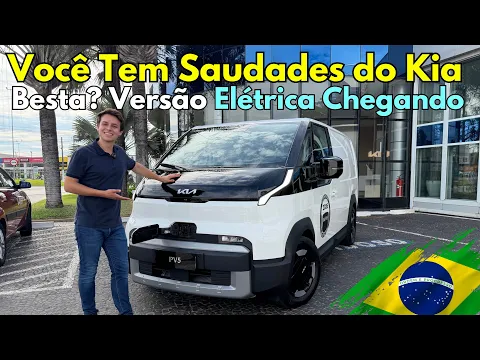

The cargo space of 4,400 liters positions the Kia PV5 as a true working tool, not just a futuristic concept. The dedicated platform allows for battery accommodation in the floor without compromising useful volume, maintaining a flat floor and easy access.
This same base enables cargo or passenger versions, reinforcing the project’s flexibility. It is a vehicle designed for multiple professional applications, from urban deliveries to corporate transport.
Technology Applied to Work
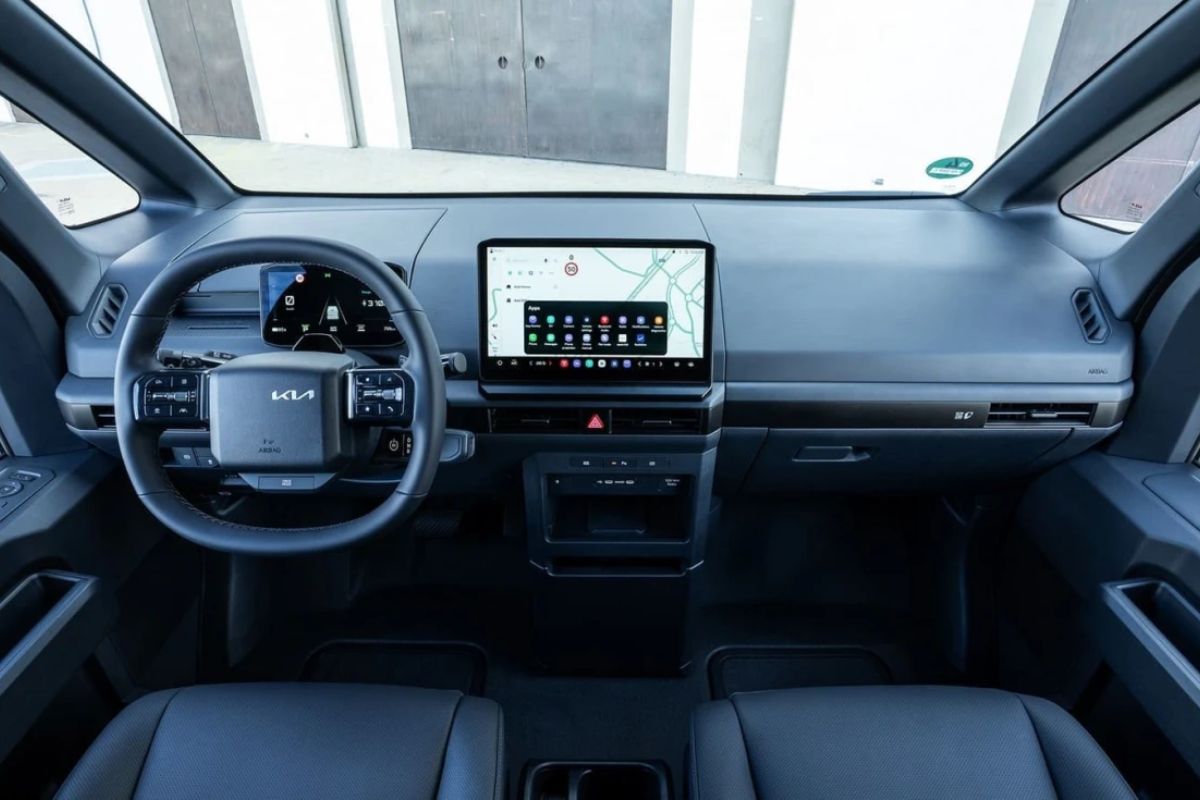
Even as a van, the PV5 incorporates features that were previously rare in this segment. Driving assistance systems, 360 cameras, lane reading, collision detection, and semi-autonomous driving show that electric vans have also advanced in safety and comfort.
The 163 hp electric motor delivers instant torque, eliminating gear shifts, vibration, and noise. This reduces driver fatigue and improves productivity, especially on long journeys and in heavy traffic.
Efficiency, Silence, and Less Wear

The energy regeneration via paddle shifters allows braking using the electric motor, recovering charge and reducing the use of the conventional brake system. Less wear on brake pads, less maintenance, and greater energy efficiency.
The silent and vibration-free operation also improves the work environment, which is relevant for those who spend hours inside the vehicle daily.
A Clear Indicator of the Future of Electric Vans

Although still without a defined price and in the pre-certification stage, the Kia PV5 makes it clear that the future of electric vans involves realistic autonomy, low operational costs, and functional technology, not unnecessary luxury.
The model points toward a scenario where electric work vehicles cease to be exceptions and become the logical choice for companies focused on efficiency and long-term savings.
And you, do you think electric vans are ready to completely replace diesel versions in urban work transport?



-

1 person reacted to this.