






 Portuguese
  Spanish


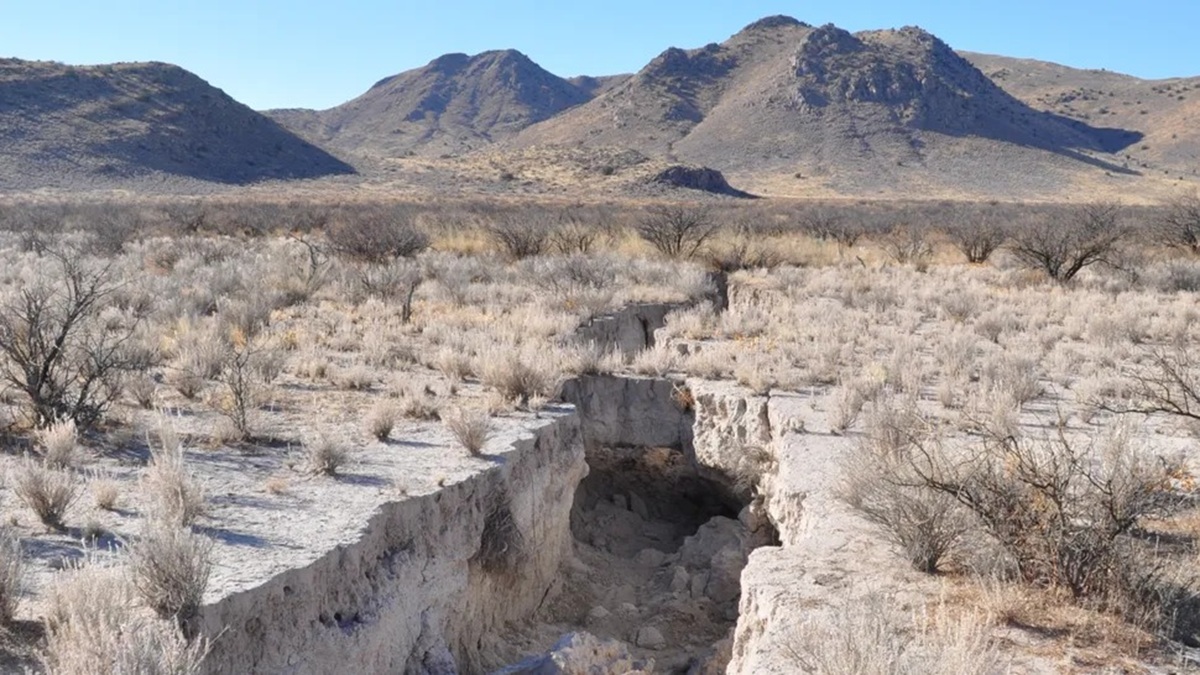


Regions In Arizona Are Experiencing Accelerated Subsidence Caused By Intense Groundwater Extraction, Opening Cracks, Drying Wells, And Compromising The Natural Recharge Capacity Of The Aquifer.
Parts of Arizona are facing an accelerated land subsidence process. Satellite records indicate that areas in the Willcox Basin are sinking more than 15 centimeters per year, a rate considered the fastest in the state.
The situation arises from intense groundwater withdrawal used to sustain agricultural activity and compromises both the land and the aquifer’s replenishment capacity.
Continuous Subsidence And Visible Impacts
The data shows a scenario that worsens over the decades. Since the mid-20th century, parts of the Willcox Basin have already subsided by about 3.6 meters.
-
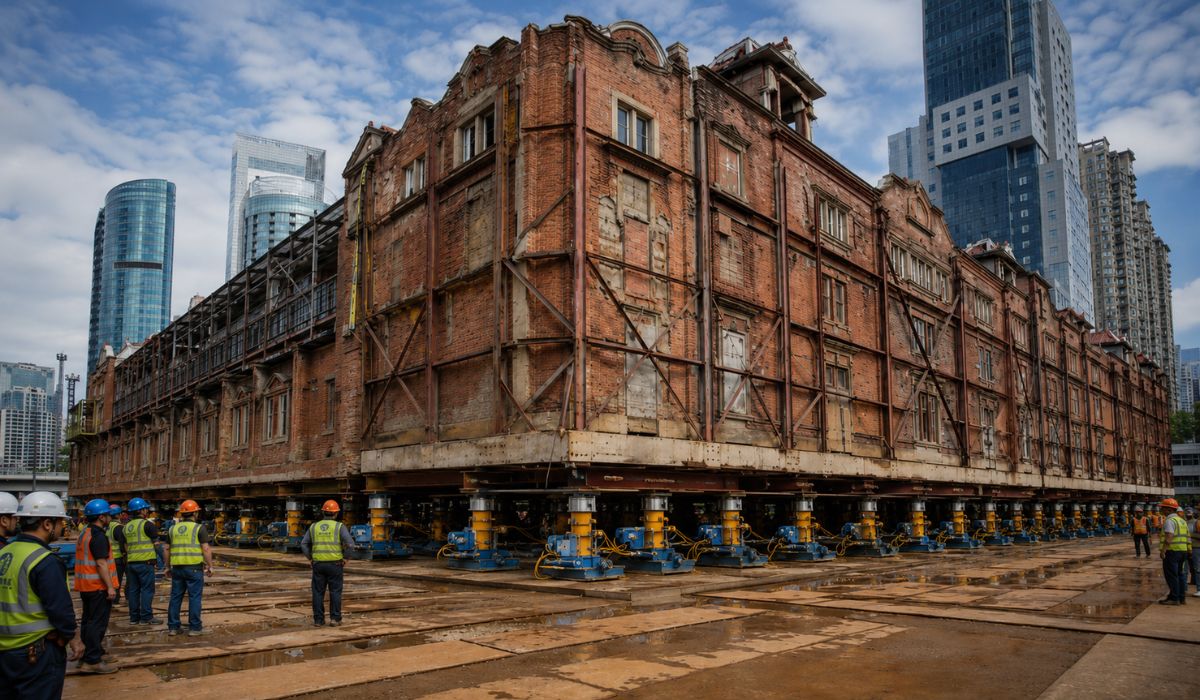
China Uses 432 Robots to Move a 7,500-Ton Historic Building in Shanghai, Preserving Architecture While Creating Space for Underground Center

-
World Cup Ball Chip Uses Technology to Detect Invisible Touches, Confirms Offside, Secures Portugal’s Victory Over Croatia

-
36-Meter Hydrogen-Powered Superyacht Arrives in Brazil to Debut German Engines and Showcase Future of Clean Navigation
-
Indian Students from Jaipur Win Top Prize at World’s Largest Science Fair with EcoFog, an Affordable Mesh to Harvest Fog Water Without Energy




The constant extraction of water lowers the groundwater level and drags the surface of the soil. As a result, wells dry up, and deep cracks appear in the land. The information was presented on October 20 at the Connects 2025 conference of the Geological Society of America, held in San Antonio.
The process occurs because groundwater occupies the spaces between dust and sediment particles. When the water is removed, these spaces collapse, as the material cannot support its own weight. As these voids cease to exist, the change becomes permanent, and the basin loses part of its capacity to store water.
Geophysicist Brian Conway explained that, over time, the pressure that kept these spaces open disappears, leading to internal collapse and surface subsidence.
Satellite Data Reveal Progression Of The Problem
Researcher Danielle Smilovsky from the Conrad Blucher Institute at Texas A&M University in Corpus Christi used synthetic aperture interferometric radar technology, known as InSAR, to measure changes in surface elevation in the basin between 2017 and 2021. The tool compares repeated measurements taken by satellites and identifies small variations in ground elevation over time.
The survey detected areas that subsided by nearly 1 meter during the study period. Even the heavy rains of 2022 and early 2023 could not halt the process.
Despite the temporary rise in groundwater levels due to precipitation and snowmelt, subsidence continued. In some areas, the rate even intensified, indicating that natural recharge cannot compensate for the extraction carried out over the years.
Regulations Aim To Reduce Future Damage
The adoption of stricter rules could slow the progression of the problem. In 2024, authorities classified the Willcox Basin as an active management area, paving the way to limit groundwater withdrawal and attempt to preserve the basin’s storage capacity.
Although the details are still being worked out, similar initiatives have already shown positive results in other parts of Arizona.
Conway noted that areas like Phoenix and Tucson are experiencing recovery of groundwater levels and a significant decrease in subsidence rates. In Tucson, in fact, this process has now ceased due to implemented management measures.
However, Smilovsky emphasized that the future requires caution. She stated that subsidence is unlikely to be completely halted, but she believes that the new management model could slow the process over the coming years.




Isso tudo é culpa do insquecimento grobau e falta de vigilância na terra e os aliens estão roubando a água para outros planetas kkkkk
Está ruin,o teu PORTUGUÊS hein cidadão..
Eu quero ver quando o mega vulcao de Yellowstone explodir.