Portuguese
  Spanish


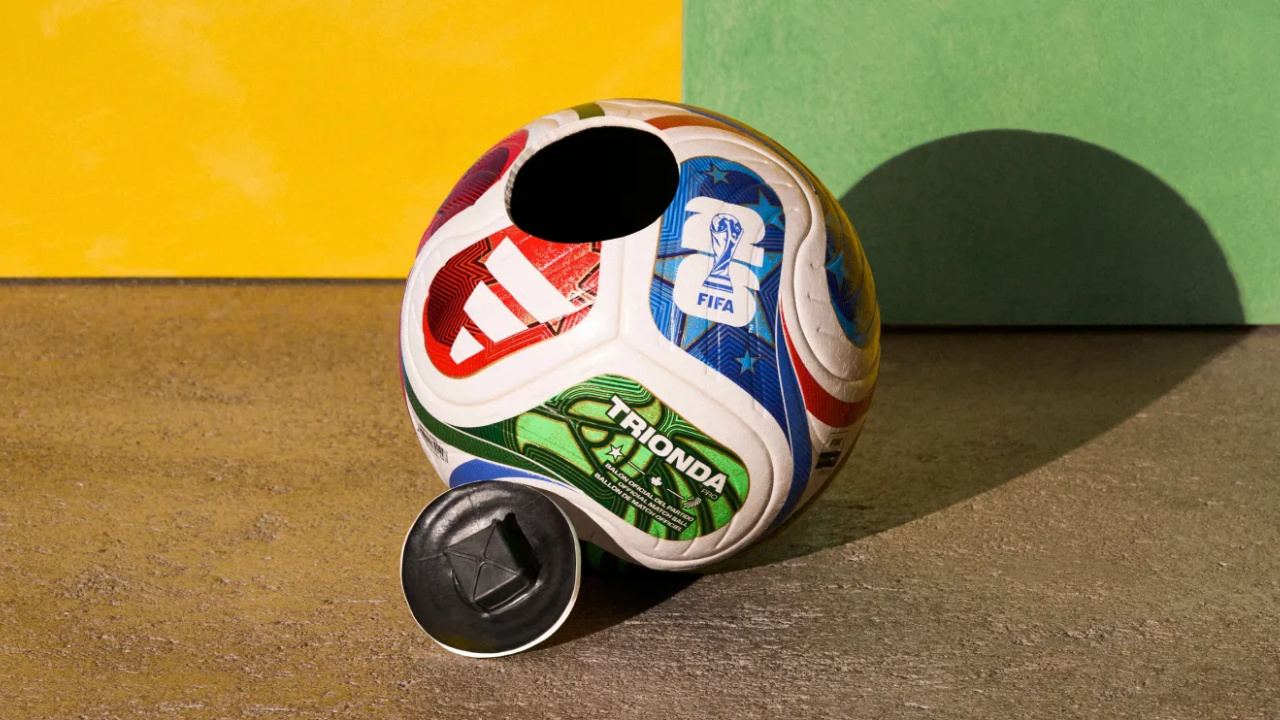

Learn how World Cup ball technology and new AI and 3D systems defined the game between Portugal and Croatia, changing how football is judged today.
The fate of the Croatian team in the 2026 World Cup was sealed not by a human decision, but by the absolute precision of a piece of engineering. Last Thursday (July 2, 2026), during the end of extra time, a play that seemed to guarantee a draw and the survival of the Croatians was annulled.
A sensor present in the World Cup ball, known as Trionda, detected a subtle touch and the VAR confirmed the offside, annulling the goal by Croatian striker Matanovice, securing Portugal’s victory by 2 to 1.
The episode illustrates the new reality on the pitch. The official sphere, developed by Adidas in collaboration with Kinexon, has ceased to be a simple sports item to become the epicenter of a complex data network.
-
36-Meter Hydrogen-Powered Superyacht Arrives in Brazil to Debut German Engines and Showcase Future of Clean Navigation

-
Indian Students from Jaipur Win Top Prize at World’s Largest Science Fair with EcoFog, an Affordable Mesh to Harvest Fog Water Without Energy

-
Italy Sinks Massive 11-Story Concrete Structures in the Ligurian Sea to Create a 6.2 km Barrier, Clearing the Way for 400-Meter Ships in Genoa
-
Wireless Charging Roads for Electric Vehicles: Detroit Implements Coil Technology, France Successfully Tests 300 kW Transfer Near Paris


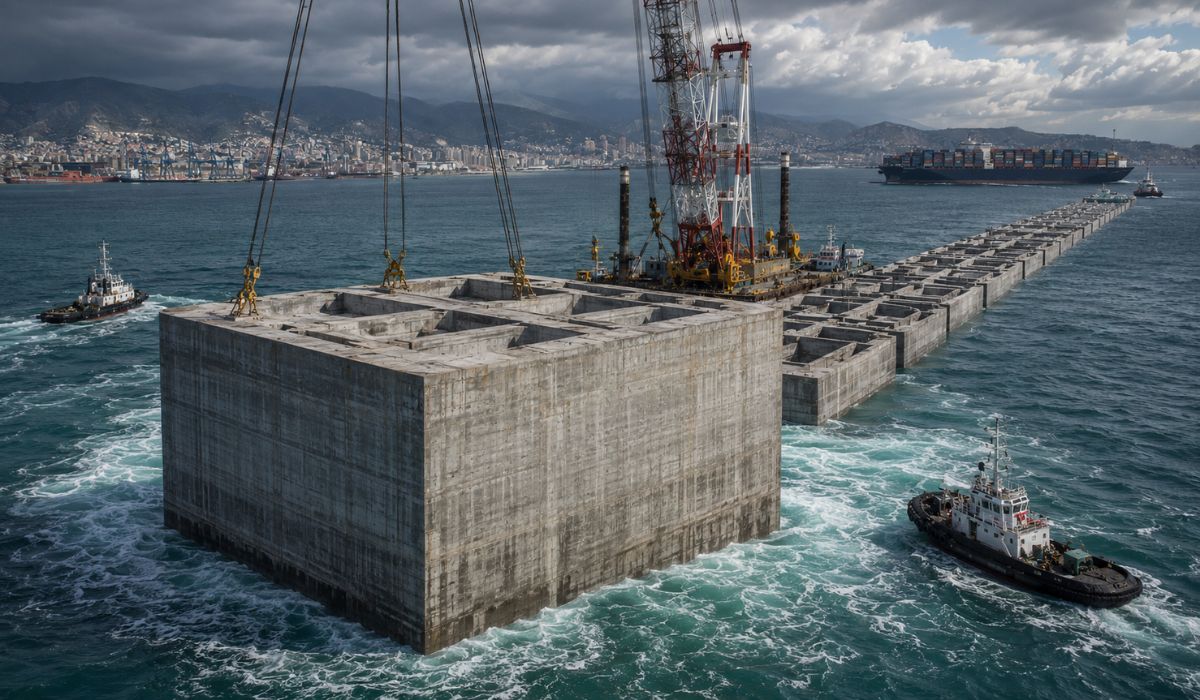

Equipped with motion sensors and artificial intelligence, it sends information 500 times per second to the refereeing team, operating as an uninterrupted sensor of everything that happens within the four lines.


Chip in the World Cup ball: The new technological ecosystem of football
The technology on the field is just one part of the scenario. In 2026, FIFA implemented an extra layer of precision through the 3D digitization of all athletes. With support from Lenovo, each player has a digital “avatar.”
At the moment of an offside review by VAR, referees do not rely solely on camera images; they use the overlay of these avatars on the real field to determine, millimetrically, the position of each body part at the moment of contact with the World Cup ball.
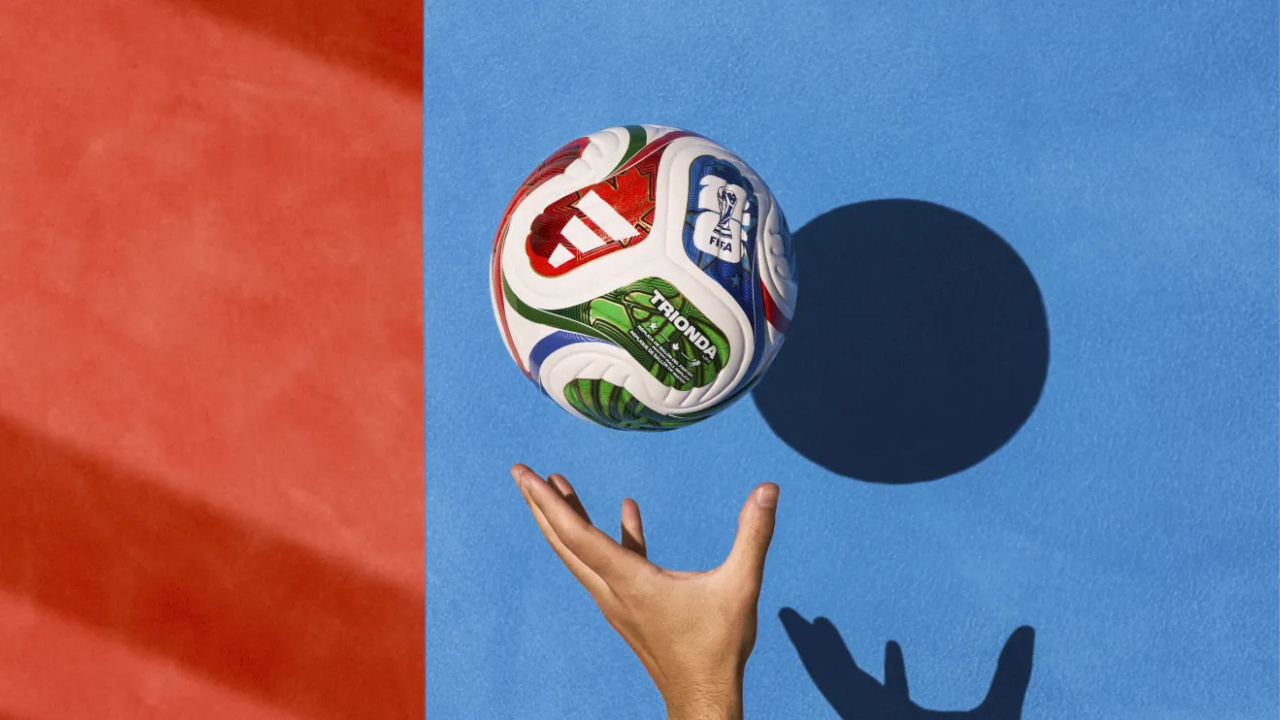
Additionally, post-game tactical analysis has been revolutionized by Football AI Pro. This artificial intelligence tool synthesizes the mountain of data collected during the 90 minutes to offer technical teams clear reports on tactical patterns, physical performance, and passing efficiency.
According to the entity, the goal is to accelerate the analysis work and help teams extract information more quickly and organized.
Precision Engineering
For the sensor to deliver such precise data without altering aerodynamics, the manufacturer had to completely redesign the structure of the World Cup ball.
Unlike the Al Rihla, used in Qatar in 2022, which housed the chip in a suspended support in the center, the Trionda embeds the technology directly into one of its four panels.
To maintain the center of gravity, the other panels received strategic counterweights.
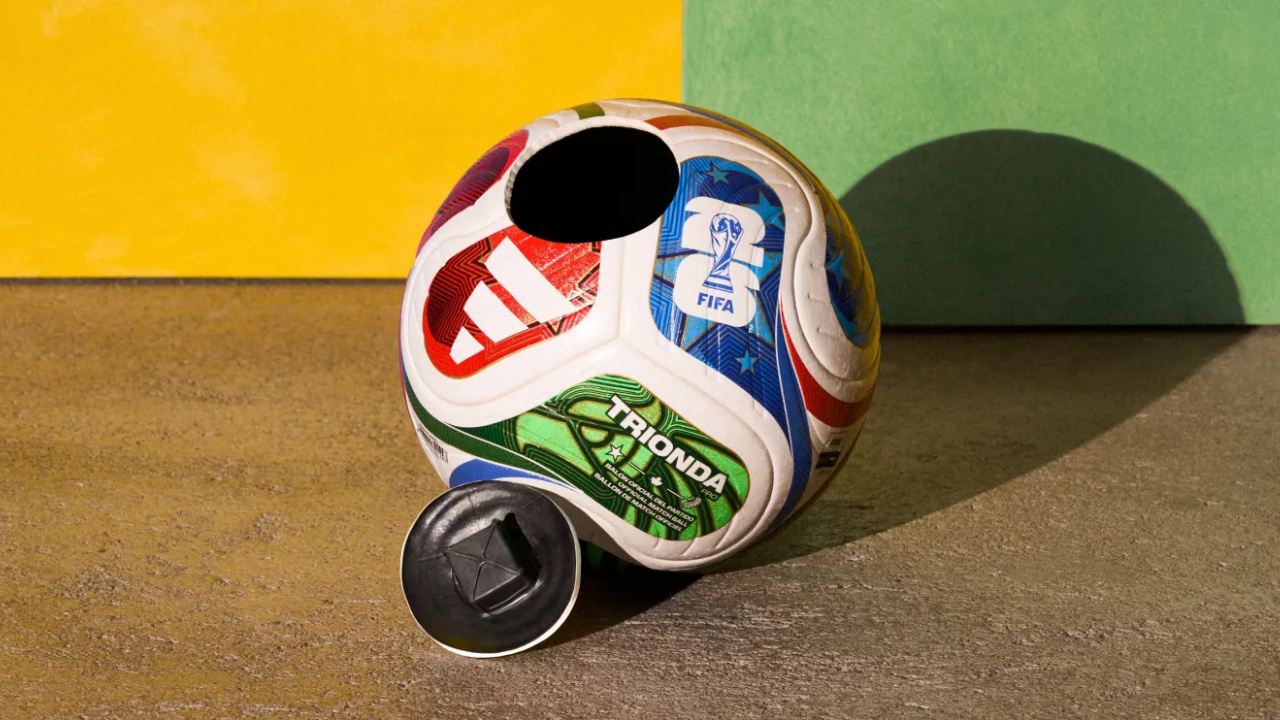
This technical change not only ensures that the internal “computer” does not impair the shot’s trajectory but also reduces the structural complexity of the piece.
The number of panels, for example, plummeted from 20 to just four, simplifying the design while enhancing the internal technology.
Like previous models, the sphere has an internal battery, requiring it to be periodically connected to power to continue monitoring every detail of the game.
A New Paradigm for Sport
The impact of this total digitalization is profound. When an athlete sees their goal annulled by a deflection detected by the World Cup ball, the frustration is real, but the technical criterion becomes unquestionable.
Hannes Schaefke, Adidas’ football innovation leader, emphasized the goal of the technology in an interview with The Athletic in 2025: “One of our main focuses was to help referees make correct decisions as quickly as possible, because any VAR review interrupts the flow of the match.”
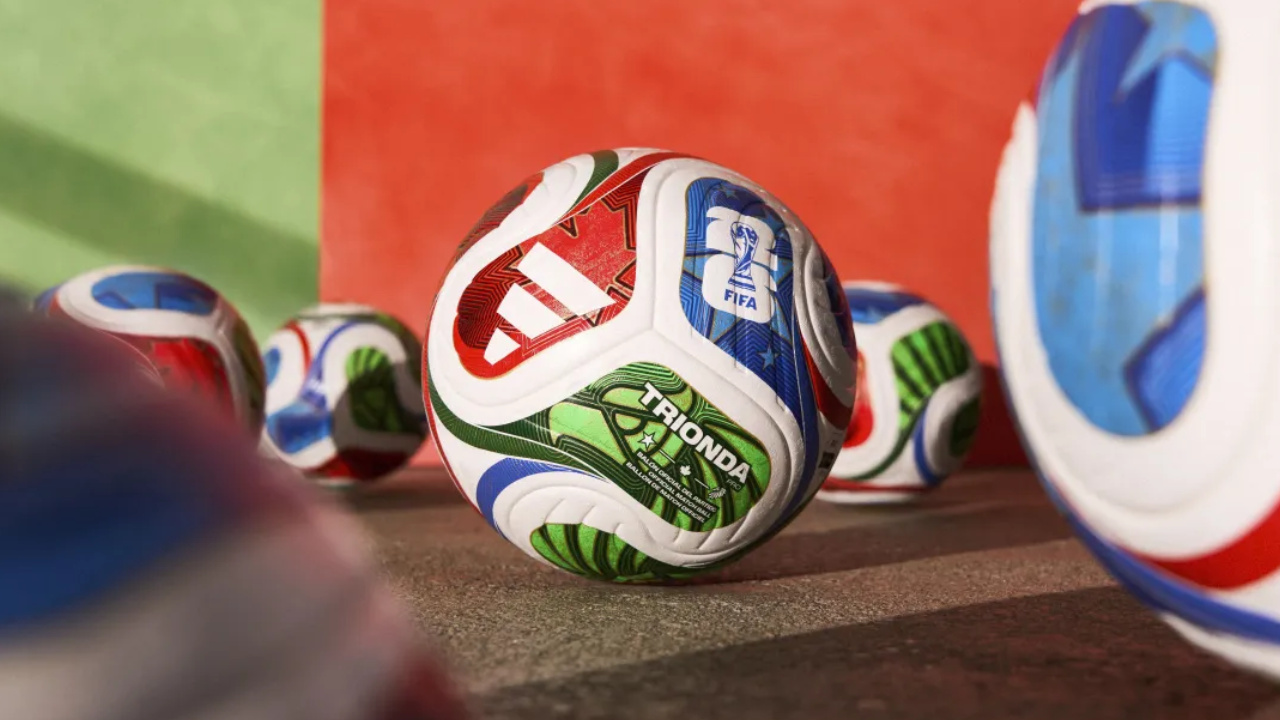
The match between Portugal and Croatia will be remembered for the consolidation of technology as one of the tournament’s most influential “players.”
By transforming offside, handball, and ball trajectory into processable data, the 2026 World Cup inaugurates a chapter where uncertainty gives way to technology.
Source: g1