






 Portuguese
  Spanish
  4 min of reading
  0 comments


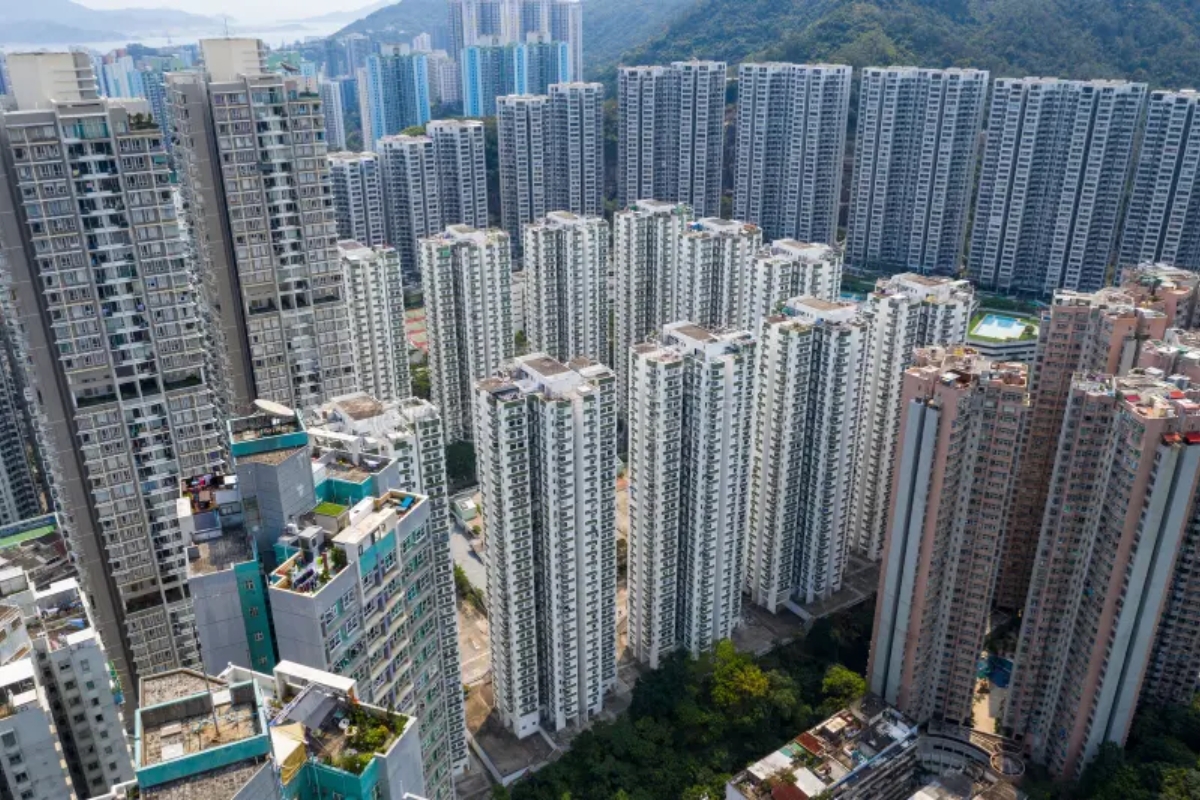
In Hong Kong, Interconnected Complexes Connect Housing, Services, and Transport in an Urban Model That Changes the Routine of Millions.
Hong Kong hosts a seemingly unlikely scenario that is already part of everyday life. Over 1 million people live in large complexes of interconnected buildings, with internal routes that reduce the need to walk through the streets.
The impact appears in daily routines: it is possible to move between housing, commerce, and services through integrated passages, often with direct access to transport. The city brings together more than 7.5 million inhabitants in a limited territory surrounded by mountains and the sea, which has pushed growth upwards and also inwards.
This model combines residential towers, commercial areas, and connections that facilitate daily commuting. In moments of heavy rain, intense heat, or weather alerts, internal circulation becomes a practical advantage.
-
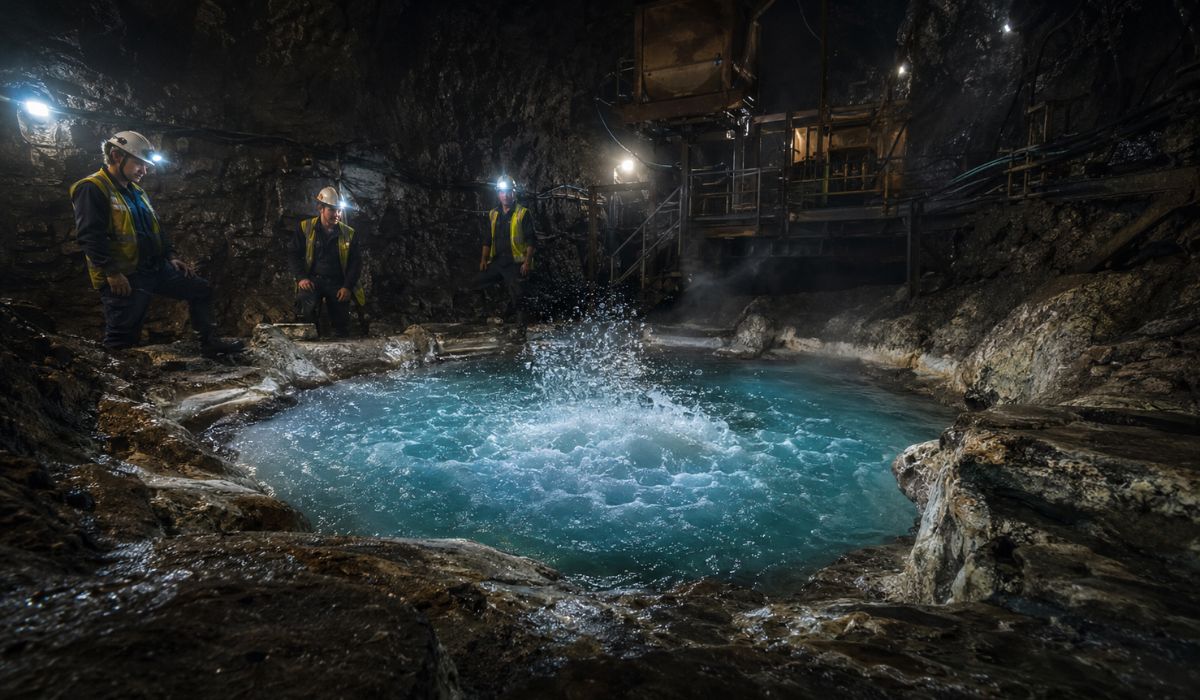
Almost 1 km beneath Albania, miners find an underground “jacuzzi” of nearly pure hydrogen, with bubbles emerging from a pool inside a chrome mine and the potential to reveal a rare natural reservoir beneath Europe.

-
After working as a waiter for ten years, he borrowed R$ 500 from his brother, created 40-minute lines with an açaí cart on the street, and today runs a farm with 600,000 trees in Pará and a network worth R$ 45 million.

-
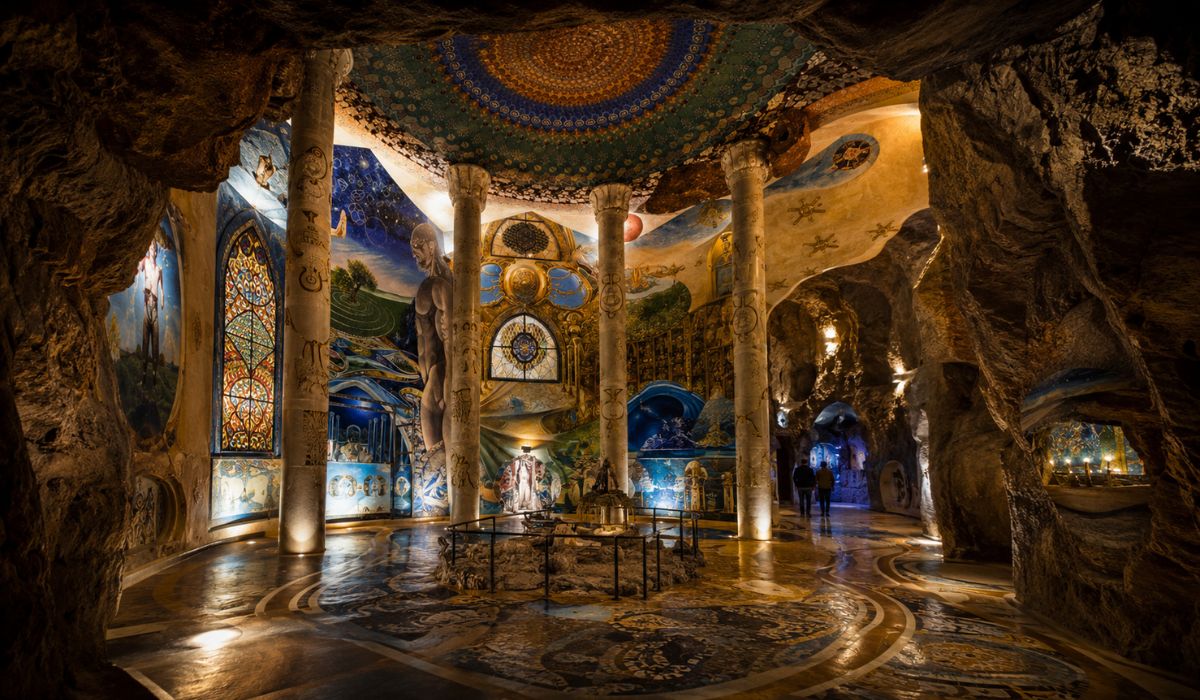
Italian community secretly excavated an 8,500 m² underground temple 30 meters deep for 16 years, opened decorated halls under a mountain, and was only discovered after a tip-off and police entry.
-
After becoming a craze among amateur builders, an American microjet measuring just 3.7 meters enters the Guinness World Records as the smallest manned jet in the world, weighing 162 kg and reaching 483 km/h.


What Happened and Why It Got Attention
What stands out is the scale and the way the city operates. Instead of relying solely on sidewalks and intersections, part of daily mobility occurs through internal passages, elevated walkways, and connections between buildings.
The logic is simple: concentrate everything in one urban ecosystem. Living, working, studying, and seeking medical care can happen within an integrated set, without the same exposure to traffic and weather.
This format is not a one-off exception. It spreads across areas where density is high, and verticality dominates the landscape.
How These Connected Complexes Function in Daily Life

Integrated complexes combine residential towers, offices, shopping malls, schools, clinics, and access to the subway. In many places, circulation occurs through internal corridors and connections between buildings.
The connections may include enclosed passages and elevated levels. The result is a mesh of movement that spans blocks and shortens routes that would be longer or more uncomfortable on the street.
For residents, the experience translates into direct and repeatable routes. Elevator, corridor, walkway, and access to services form a predictable path, useful in a fast-paced city.
Where This Model Appears Most Strongly in Hong Kong
Some regions concentrate this type of urban integration, such as Central, Admiralty, and Quarry Bay. In these areas, corporate, residential, and shopping buildings connect and create continuous paths.
The system of elevated walkways spans kilometers and connects dozens of buildings. This reduces direct contact with traffic and keeps part of the movement at levels above the streets.
The integration also reinforces the use of public transport, as access to the subway can be incorporated into the very mesh of buildings and shopping centers.
Why Hong Kong Adopted This Format of City Within a City
Hong Kong faces clear space limitations. The territory is small, and the geographical conditions restrict horizontal expansion, consolidating verticality as the norm.
The city also contends with a humid climate and frequent rains, as well as intense heat in summer. Internal circulation, and in many cases climate-controlled, reduces discomfort during daily commutes.
The combination of urban density, limited space, and climatic conditions helped consolidate a model that prioritizes direct connections and integrated structures.
What Changes in Practice for Those Who Live in These Complexes
The main change is the concentration of services. Supermarkets, schools, clinics, recreation, and transport can all be within the same circulation circuit, altering the resident’s relationship with the street.
In some complexes, tens of thousands of people live, with infrastructure comparable to that of a medium-sized city. This includes recreation areas, markets, childcare centers, clinics, and access to public transport.
The consequence is a routine with less travel time and more predictability. Conversely, part of urban life shifts to private and semi-private spaces.
Points of Attention and Common Questions
This model also generates discussions. One point is the risk of reducing spontaneous social contact, as circulation becomes concentrated in internal environments and standardized routes.
Another point involves the power of large real estate and commercial groups, which begin to influence not only housing but also circulation and consumption within these ecosystems.
Still, for many residents, efficiency speaks volumes. In an intense and compact city, the ability to traverse entire areas through internal connections has become part of urban functioning.
The city of Hong Kong has transformed limitations into a unique way of operating. With over 1 million people living in connected buildings and more than 7.5 million inhabitants in the territory, integration has become a practical response to limited space and vertical life.
The result is a model where streets still exist, but are no longer the only way to work, study, seek services, and follow routines in one of the densest areas on the planet.




-

2 people reacted to this.