






 Portuguese
  Spanish


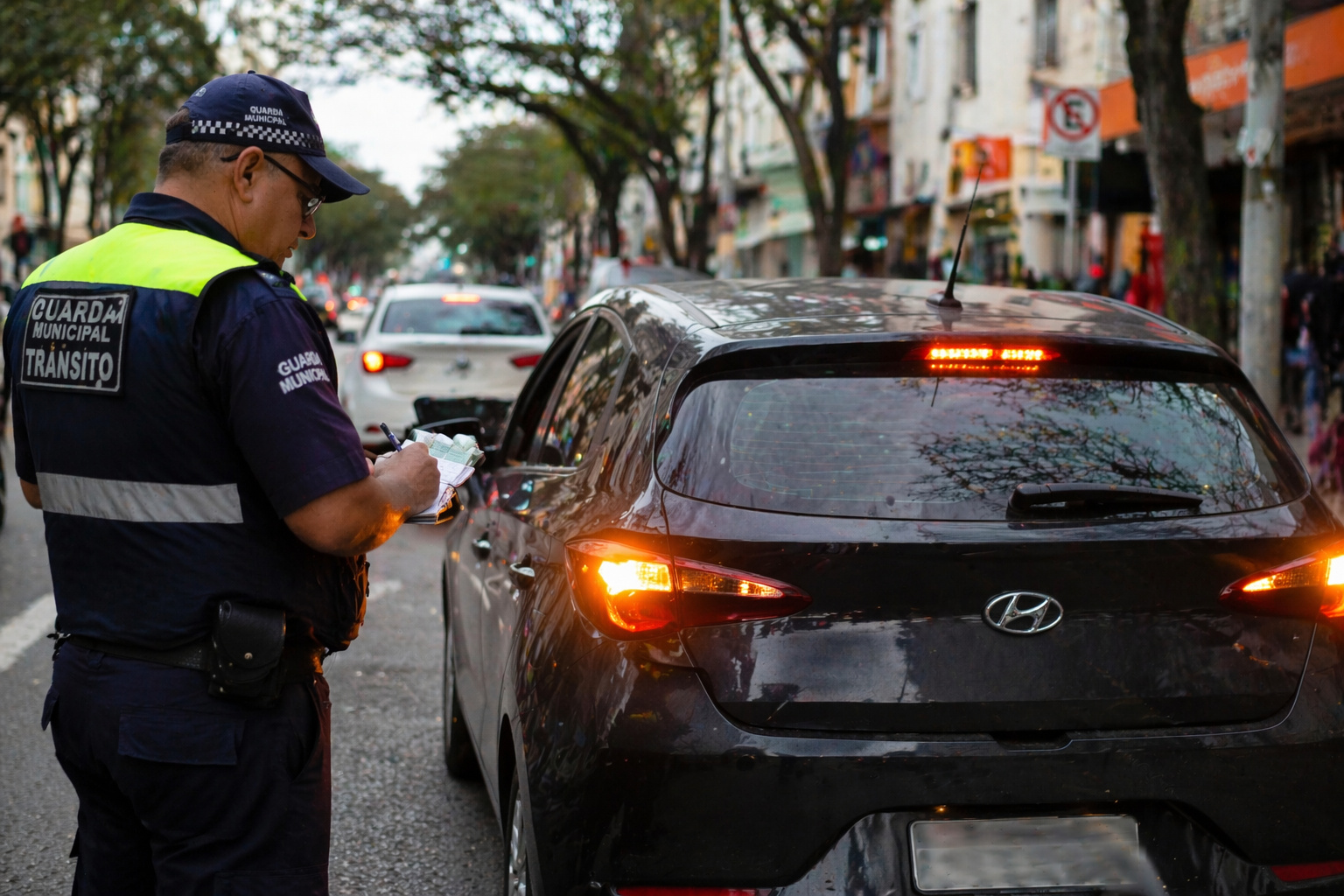


Understand when the use of the hazard light is permitted, which offenses are still valid, and how to avoid penalties in traffic
The hazard light, a common resource among drivers, follows clear rules from the Brazilian Traffic Code (CTB). Incorrect use generates fines, points on the driver’s license, and even vehicle removal.
The activation of the device, although frequent, does not authorize disrespecting stopping, parking, or circulation rules. The driver must comply with all rules, even with the lights on.
The CTB, in effect since 1997 and updated by agencies such as Contran and Denatran, defines that the hazard light is used exclusively for emergency situations. Outside of this scenario, the driver commits an offense.
-
2027 Toyota Corolla Cross Unveiled: New Design, Enhanced Fuel Efficiency, Reduced Maintenance Costs, Advanced Technology, Connected Services, and Up to 10-Year Warranty

-
Fiat Cronos Precision 2018: Affordable Sedan with Spacious Trunk and Reliable Maintenance
-
Volkswagen to Cut Production by 1 Million Cars by 2030, Reducing Jobs and Platforms, Focusing on More Profitable Models

-
Toyota Launches First 100% Electric Car in Brazil: bZ4X with 343 HP, All-Wheel Drive, 361 km Range, Priced at $419,990 BRL, Limited to 99 Units



When the hazard light should be used
The driver should activate the device only in specific situations. The goal is to alert other drivers about an out-of-standard condition.
Among the main cases are:
• Mechanical or electrical failure, which prevents circulation
• Accidents, which pose immediate risk
• Emergency stops on the shoulder, common on highways
• Stalling in dangerous locations, such as curves or areas with low visibility
In these situations, the hazard light reduces the risk of collisions. Correct use increases safety on the road.

Use of the hazard light does not nullify offenses
The driver cannot use the hazard light as a justification for disregarding rules. Prohibited locations remain prohibited.
See common examples:
• Parking in double lines, even for a short time
• Blocking garages or access, harming third parties
• Stopping on pedestrian crossings, putting people at risk
• Occupying special parking spaces without authorization, such as for the elderly or people with disabilities
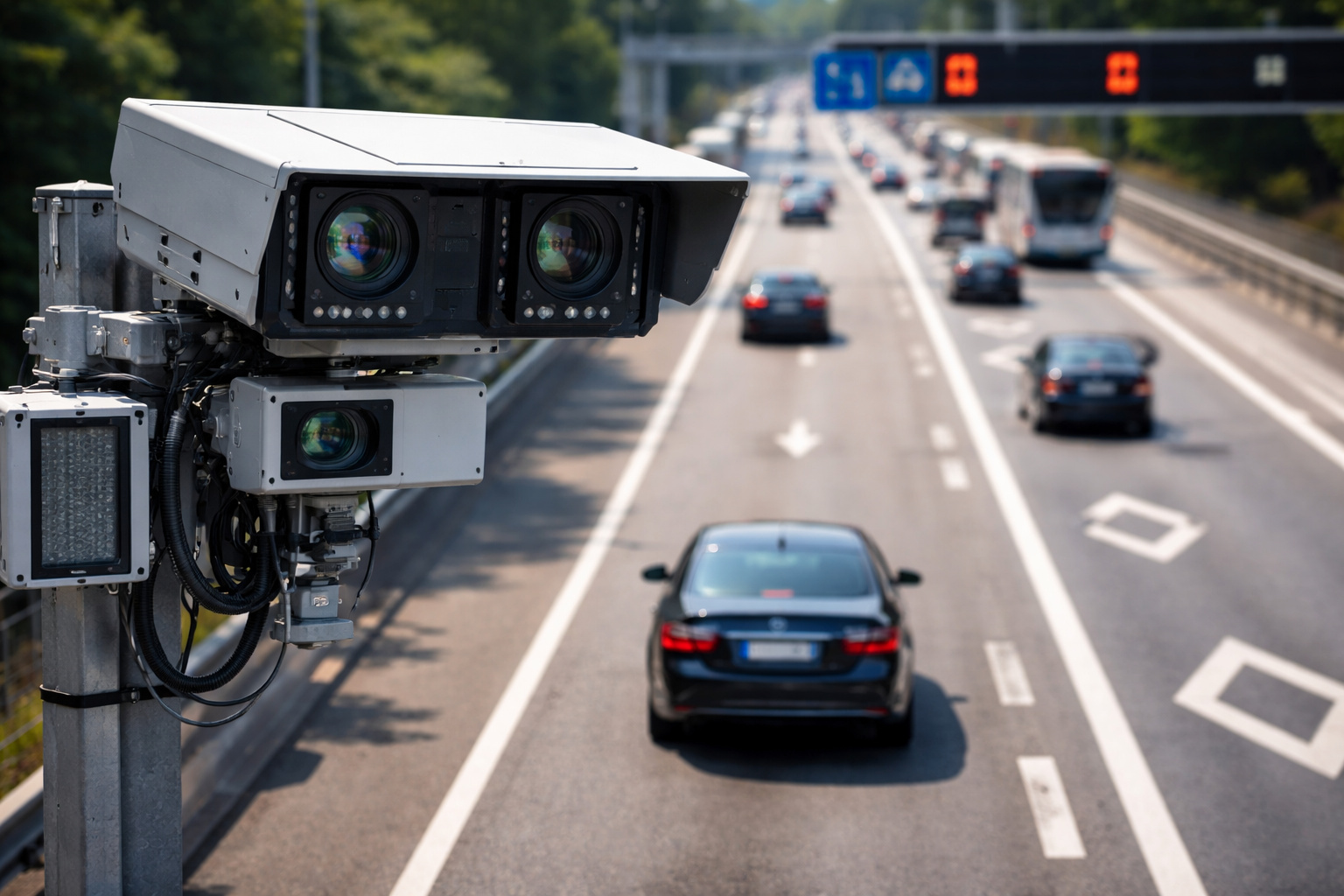
The inspection analyzes each situation. The agent can impose a fine for irregular stopping, obstruction of the road, or illegal parking.
Fines, points on the driver’s license, and vehicle towing
The improper use of hazard lights generates a fine of R$ 130.16 and four points on the driver’s license, according to the CTB.
In some situations, the authority also tows the vehicle to the impound lot. The loss is not limited to the fine amount.
The driver also commits an infraction when failing to use hazard lights in mandatory situations. In this case, fines range from R$ 88.38 to R$ 195.23, in addition to points on the license.
Improper use can increase the risk of accidents
Experts warn of direct risks on the road. Situations of heavy rain or fog require more attention.
Improper use can confuse other drivers, who may think the vehicle is stationary. This increases the risk of collisions.
The driver also makes a mistake by keeping the hazard lights on while the car is in motion. In traffic jams, this practice hinders communication on the road.
Other drivers have difficulty understanding the vehicle’s intentions.
Official guidance for correct use
Organizations such as Contran and the Detrans advise the use of hazard lights as a safety tool, not as a convenience.
In low visibility, the driver should reduce speed and use headlights correctly. This behavior keeps driving predictable.
Following the rules avoids penalties and increases safety — do you use hazard lights correctly?








