






 Portuguese
  Spanish
 3 min of reading
  0 comments



ANEEL Highlights Brasília as a Hub for Solar Energy, While the Midwest Excels in Solar Radiation Leadership.
São Paulo, October 2023 – The Midwest of Brazil presents itself as a fertile territory for the future of solar energy. The region not only benefits from impressive solar radiation levels, but also has vast areas suitable for the rollout of solar plants and photovoltaic systems. The Brazilian Solar Energy Atlas reports that the average annual radiation in the Midwest ranges from 5.2 to 6.5 kWh/m², surpassing the Brazilian average of 5.4 kWh/m². This scenario has led to a 60% growth in photovoltaic installations from 2021 to 2022.
Dominating the National Solar Energy Landscape
In terms of distributed generation, the Midwest ranks fourth nationally, generating a robust mark of 3.6 GW, which corresponds to 15% of Brazil’s total capacity. Mato Grosso, with its impressive 1.3 GW, leads within the region. Following closely are Goiás (1 GW), Mato Grosso do Sul (887 MW), and the Federal District, the latter boasting 289 MW, making it the second largest solar producer among Brazilian municipalities. Notably, the largest portion of installed systems is aimed at residential and commercial consumption.
-
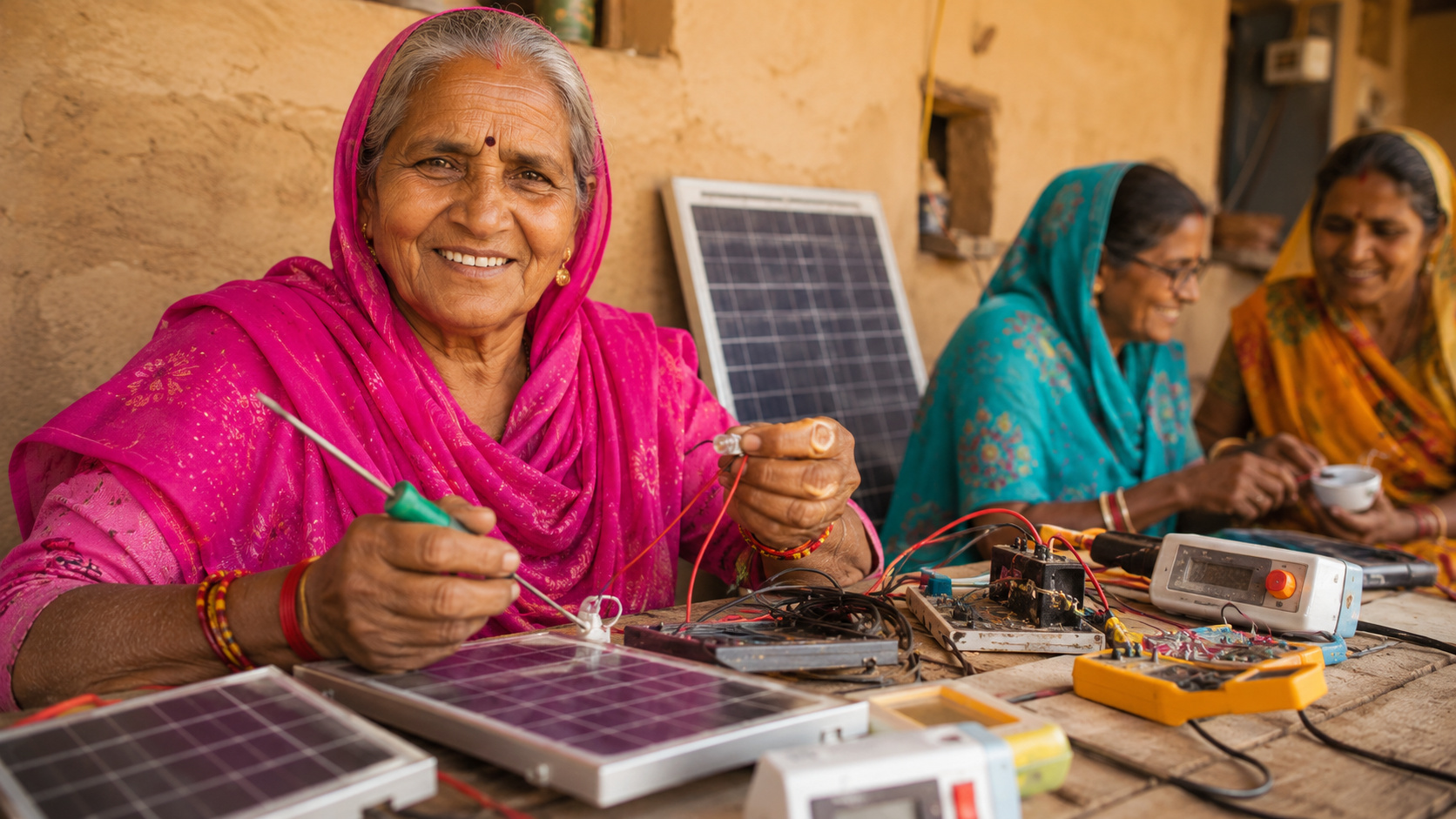
Illiterate or semi-literate grandmothers were trained to repair solar systems, open rural workshops, and light up homes that still depended on kerosene.

-
Solar and wind energy surpass natural gas for the first time in the world and accelerate energy revolution

-
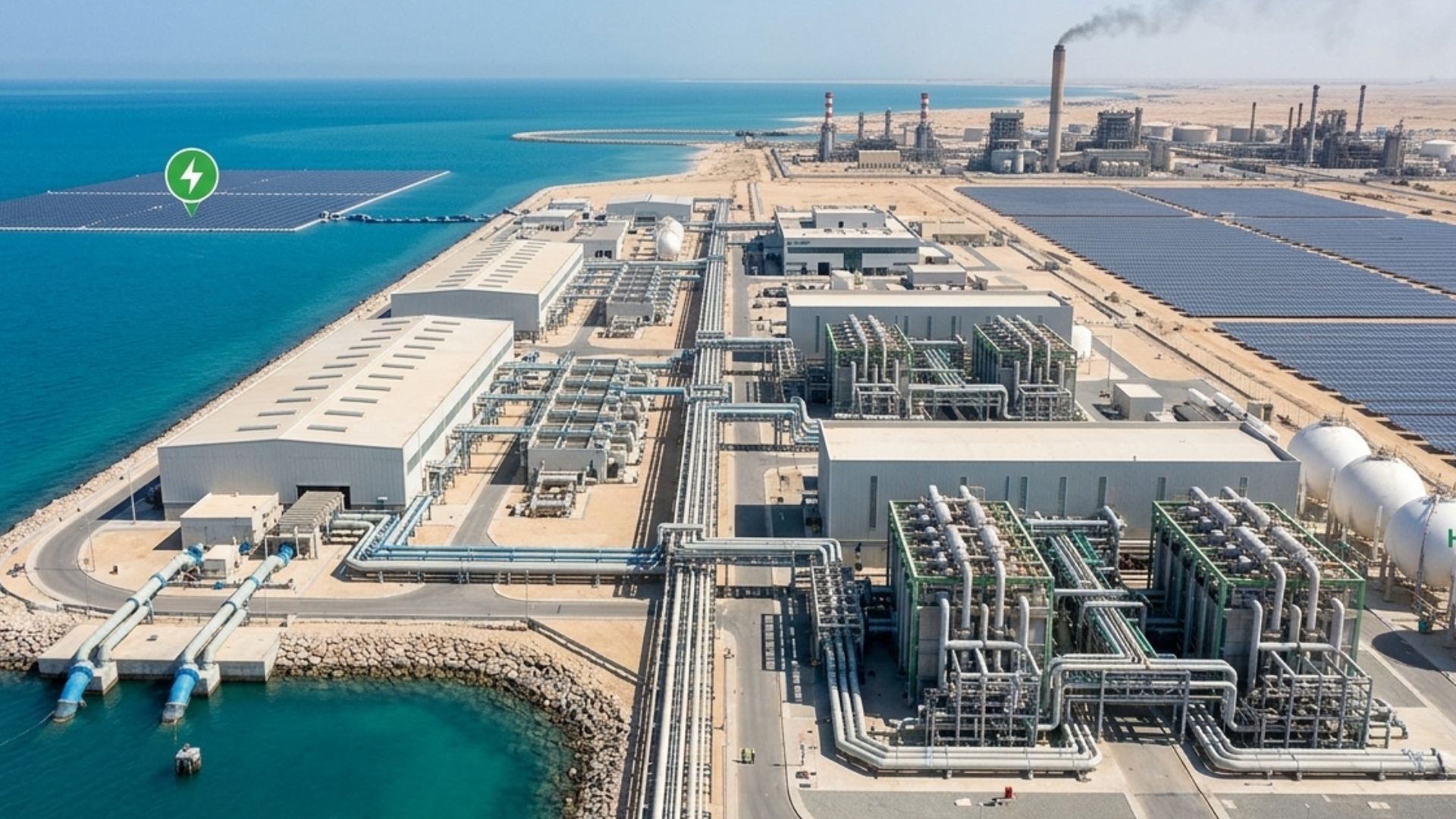
The world has bet on green hydrogen as the fuel of the future, but now faces the side effect: producing 1 kilogram requires about 9 liters of ultrapure water, and the largest projects on the planet are precisely in the driest regions of the Earth, where water is already scarce for people.

-
Africa has about 500,000 cell towers and most still burn diesel to operate, while companies rush to cover antennas with solar energy and avoid signal blackouts.


Túlio Fonseca, CEO of Energy Brasil – renowned in the energy efficiency sector – views the regional growth as a result of a harmony of factors: favorable climate, geography, a thriving economy, and aligned policies. “We see an even brighter future for solar energy in the Midwest. It is a renewable, clean, and advantageous source, both for consumers’ wallets and for the country’s economy,” he emphasizes.
Government Incentives and Alliance with Agribusiness
2023 was a milestone for the Brazilian solar sector. The Federal Government launched the “More Solar Energy Program”, which proposes cuts in taxes such as IPI and Import Tax for equipment and components aimed at solar energy. Additionally, the program guarantees funding with more favorable rates and extended terms for generation initiatives.
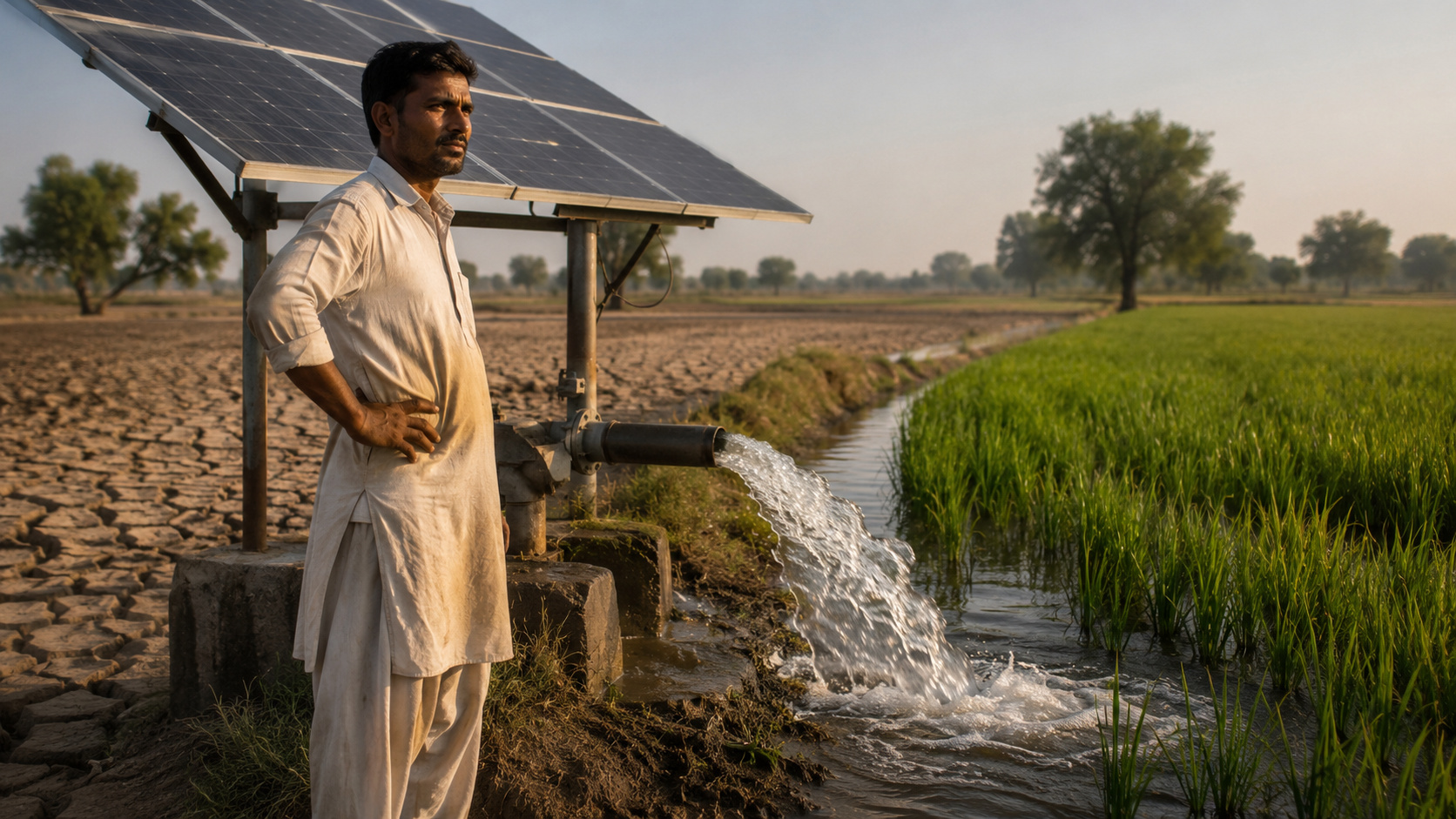
Tarcísio Fonseca, Operations Director at Energy Brasil, reinforces the symbiosis between solar energy and the giant agribusiness sector in Brazil. “Agribusiness, which already has great relevance in the national GDP, can further enhance its results by achieving autonomy in energy generation. Solar energy is an economic, clean, and sustainable response that drives the country’s progress.”
This vision is corroborated by the CEO of Energy Brasil: “Rural producers can, with solar energy, reduce expenses, increase productivity, and still contribute to the environment. Our commitment is to offer tailored solutions, ensuring project effectiveness and return on investment.”
About Energy Brasil:
Founded in 2019, Energy Brasil stands out as a Brazilian icon in the solar energy universe. Focusing on the development, construction, operation, and management of green projects, the company has already registered over 160 MWp in generated energy and a reduction of more than 90,000 tons in CO2 emissions. With over 10,000 projects completed, Energy Brasil has diversified its offerings in the market, establishing itself as a comprehensive ecosystem in energy solutions for both B2C and B2B segments.
Source: Gustavo Brito – Dezoito Comunicação.







Be the first to react!