






 Portuguese
  Spanish


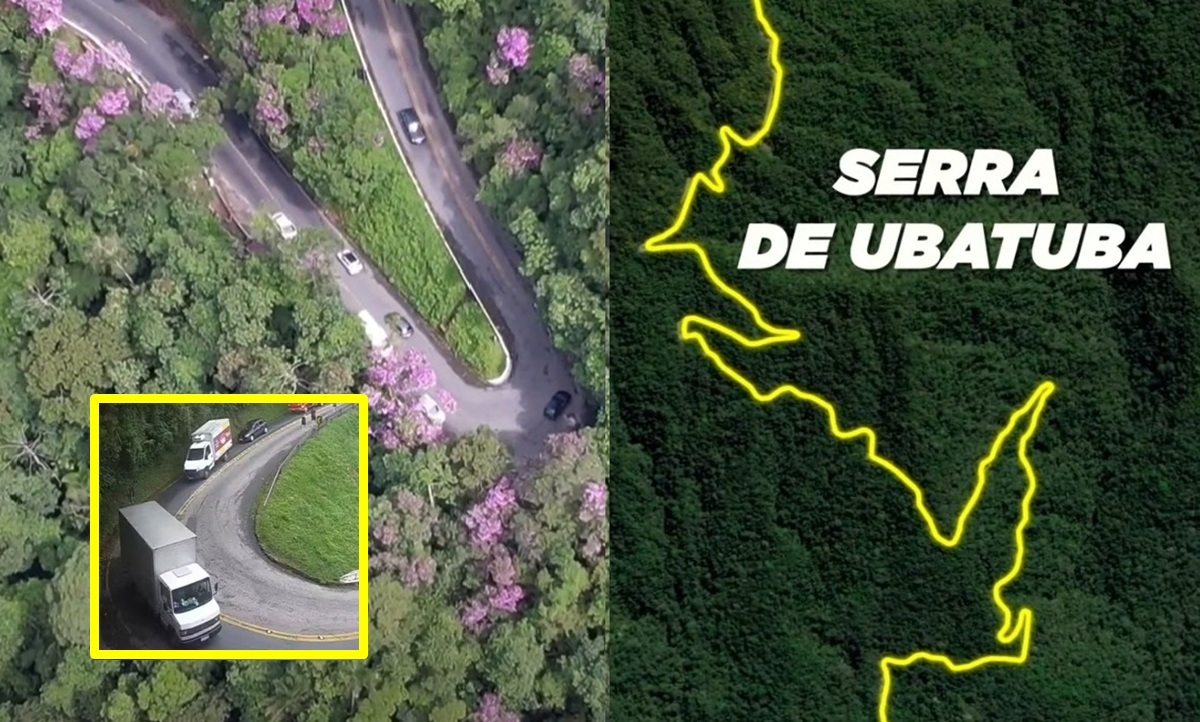


Between the Sierra Highlands and the Paulista Coast, the Oswaldo Cruz Highway Offers Challenging Curves and Landscapes That Reveal the Splendor of the Serra do Mar
Descending the Sierra of Ubatuba is an unforgettable experience, both for its natural beauty and the challenges posed by the tight curves and steep sections of the Oswaldo Cruz Highway. But for those driving, the enchantment must be accompanied by caution and technique.
The choice of the right gear makes all the difference in ensuring a safe, stable descent without unnecessary wear on the braking system.
The Ideal Gear for Those Driving a Manual Transmission
In vehicles with a manual transmission, the golden rule is simple and effective: use the same gear that would be used for climbing.
-
Unfinished 150-Year-Old Church in Brazil’s Bahia Stands Without a Roof After Railway Shifted Alagoinhas’ Center

-
Viking Textile Factory Unearthed in Denmark Reveals Ancient International Trade Links

-
Bruno Guimarães, 28, Misses Crucial Penalty Against Norway in World Cup After Replacing Vinicius Jr.
-
Inspired by a school lesson on Africa’s water crisis, a young boy raised money through chores to fund a well that transformed a Ugandan community.




This means that, on steeper sections, keep the second or third gear engaged, depending on the incline and speed.
This practice helps to utilize the engine brake, a feature that reduces the vehicle’s speed naturally, without requiring constant use of the brake pedal.
This strategy is essential on long mountain roads like Ubatuba’s, where the descent reaches about 17 km, with curves ranging from 40° to 180°.
If the driver descends in higher gears, the car tends to gain too much momentum, forcing the continuous use of the brakes — which increases the risk of overheating and loss of efficiency.
The Behavior of Automatic Transmissions When Descending
On the other hand, automatic vehicles usually make this downshift independently. The system is designed to identify the incline of the road and automatically adjust the gears, ensuring a more stable drive.
However, if the car is maintaining very low RPMs, the driver should intervene manually.
In these situations, it is recommended to use the manual downshift mode — either through the gear lever or the paddles on the steering wheel.
This keeps the engine at higher RPMs and enhances the natural braking effect, reducing the need to press the brake all the time.
Advantages of Keeping the Gear Engaged
By keeping the vehicle always engaged, the driver gains more control and stability throughout the descent.
The correct use of the engine brake prevents overheating of the braking system, reduces wear on the brake pads, and ensures greater safety, especially in long curves and mountainous sections with high humidity — common in the Serra do Mar region.
Additionally, the feeling of control is much greater. The car responds better to trajectory corrections and maintains a constant speed without requiring abrupt braking. This combination of safety and efficiency makes the journey through the Sierra of Ubatuba more relaxed, enjoyable, and safe.
Now that you know what the best gear is for tackling the descent of the Sierra of Ubatuba, tell us: have you ever driven through this stretch?






Já desci e subi, várias vezes, não tem segredo, freio motor tem que usar sempre, não só em serras, pois, como comentado, reduz o desgaste do sistema de freios e na medida certa não prejudica o consumo e muito menos o motor.