Portuguese
  Spanish


Stone monument, ancient legend, and a project halted since the 19th century help explain how the arrival of the railway shifted the urban heart of Alagoinhas and left behind one of the city’s most well-known constructions.
The so-called Unfinished Church of Alagoinhas, in Bahia, has once again drawn attention due to a story repeated for decades among residents and visitors. The popular version claims that the construction used ox blood and whale oil in the mortar, but local researchers point out that there is no historical record to support this explanation.
What exists, according to studies on the city’s formation, is a much more concrete combination of factors.
The church began to be erected at a time of growth for the old urban core, but lost practical meaning when the railway drew residents, commerce, and services to another area.
-
Viking Textile Factory Unearthed in Denmark Reveals Ancient International Trade Links

-
Bruno Guimarães, 28, Misses Crucial Penalty Against Norway in World Cup After Replacing Vinicius Jr.

-
Inspired by a school lesson on Africa’s water crisis, a young boy raised money through chores to fund a well that transformed a Ugandan community.
-
Brazilian Construction Worker Moves to France, Earns Up to €2,500 Monthly with Home Renovations, Gains Social Media Attention





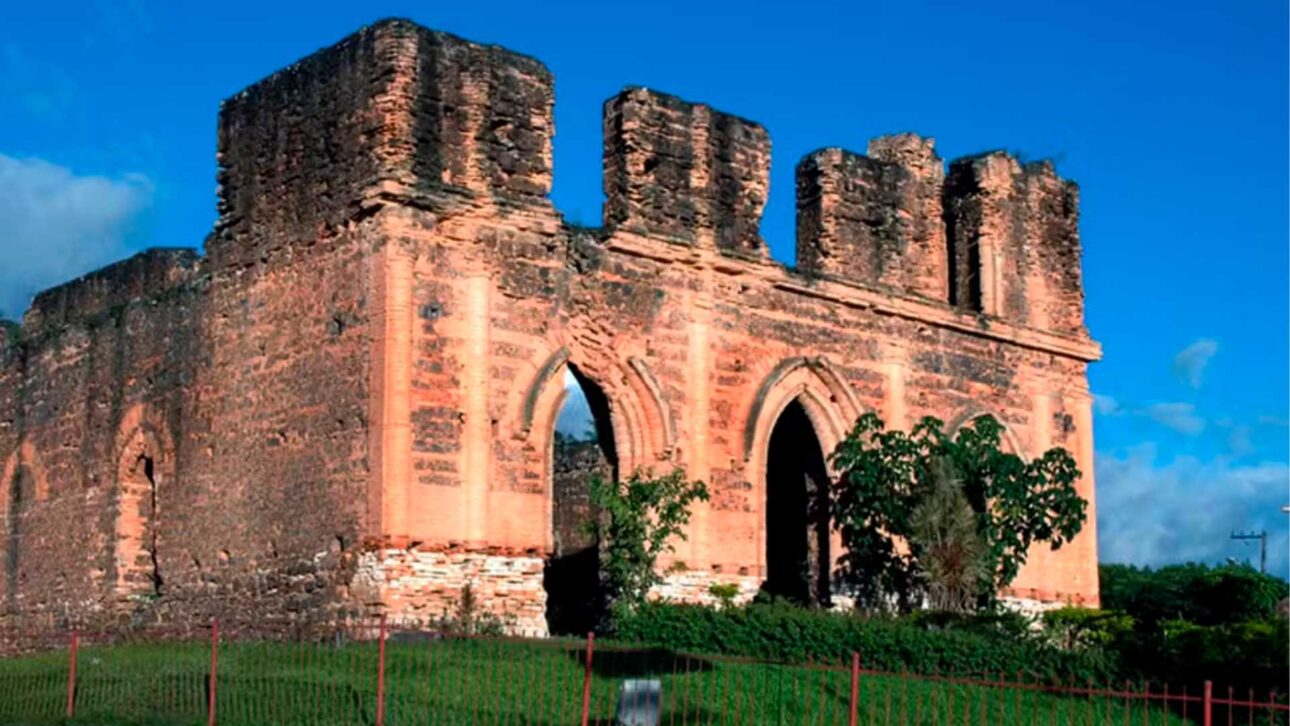
The project, initiated in the 19th century, was left without a roof, without finishing, and without regular religious function. Even so, its stone walls have withstood for over 150 years and have become one of the strongest symbols of Old Alagoinhas.
The legend about ox blood has crossed generations, but does not appear in historical research
The story of ox blood is part of the city’s oral tradition, but finds no support in the surveys cited by researcher Iraci Gama in the investigation published by g1 on July 2, 2026. According to her, the church was built with materials used in constructions of the time, such as clay, sand, and water from the region.
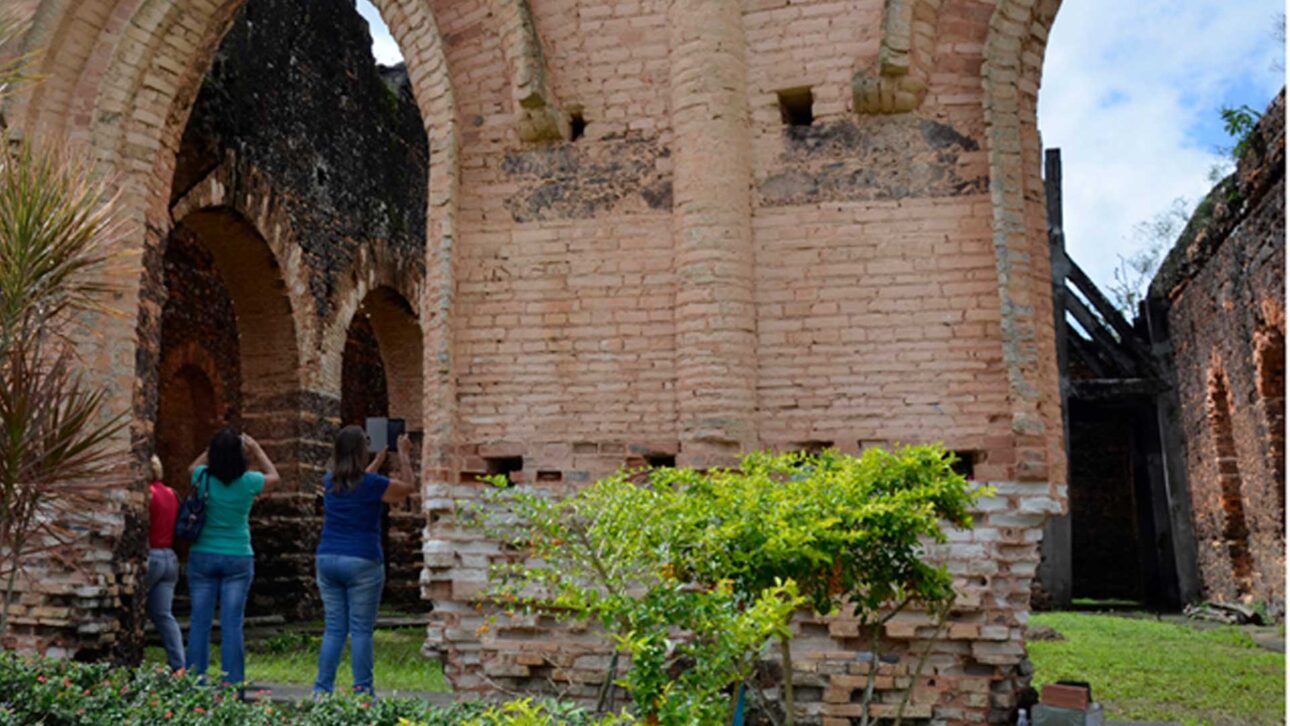
The confusion gained strength because ancient monuments often generate popular explanations when accessible documents are lacking. In the case of Alagoinhas, the image of the church without a roof, with high walls and the appearance of a monumental ruin, helped to fuel more mysterious versions.
The ox blood thesis also appears in tourist texts and informal accounts, but historical research follows another path. The central point is not in the mortar, but in the moment when the city shifted its axis.
The city was born near the water and grew around Saint Anthony
The origin of Alagoinhas is linked to the lagoons, rivers, and springs that marked the settlement of the region. According to the history of the Alagoinhas City Hall, the first urban nucleus was formed at the end of the 18th century, after the founding of a chapel by a Portuguese priest.
The district was created on October 15, 1816, and belonged to Inhambupe until 1852. Political emancipation was officially declared on July 2, 1853, with the inauguration of the first City Council, according to records cited by the municipal administration based on IBGE.
The Memory Station, a project dedicated to the local railway history, also relates the growth of the settlement to the so-called “Fonte dos Padres” (Fountain of the Fathers), known for the quality of the water and the presence of religious figures in the region. The place was elevated to the Parish of Saint Anthony in 1816 and later to the status of a village, before consolidating as a municipality.
This first urban center was located in the area now known as Old Alagoinhas. It was there that the Unfinished Church began to take shape.
The ambitious construction lost momentum when the railway pulled the city to another point
The church began to be planned at a time when the old temple could no longer accommodate the population. The proposal was to erect a larger main church, capable of keeping up with the growth of the village and providing a more imposing façade to the original nucleus of Alagoinhas.
According to the Memory Station, Father Silva Teles brought to the imperial government the need to build the Main Church of Saint Anthony of Alagoinhas. The work progressed, but the high costs and the relocation of the population near the railway station interrupted the process.
The railway changed the logic of the city. The station was about 3 km from the church’s surroundings, and the movement of people, goods, vendors, and merchants concentrated on the new urban axis. The old village, once bustling, began to lose residents and services.
The City Hall of Alagoinhas records that the city was reorganized in 1868 due to the activities of the Bahia to São Francisco Railway. The installation of the railway increased the flow of products and people and pushed the population towards the vicinity of the station.
The train didn’t just carry passengers, it took the economic center of the old village
The arrival of the tracks was not an urban detail. It defined where commerce would operate, where people would circulate, and where administrative power would make sense.
According to an article presented at the National History Symposium, Alagoinhas entered the so-called “Railway Era” shortly after gaining village status, in a context where the tracks were seen as decisive infrastructure for connecting markets, channeling production, and reorganizing inland cities.
In practice, the church remained in the old place while the city moved to the new place. Without the same concentration of faithful, residents, and public investment, the project lost priority.
This is the point that makes the story stronger. The Unfinished Church was not left halfway due to a construction mystery. It became a ruin because the city moved before the temple was completed.
Why no one finishes the church today
More than a century and a half later, the recommendation is not to complete the construction. The value of the monument lies precisely in the way it survived, without a roof, without a complete nave, and with the facade marking the original design of a church that never fulfilled the role imagined in the 19th century.
The structure has already undergone technical monitoring. On May 27, 2015, technicians from the Institute of Artistic and Cultural Heritage of Bahia visited the Alagoinhas Velha neighborhood to analyze the situation of the Unfinished Church, record images, and assess the possibility of shoring.
The current care involves preservation and safety. Old walls exposed to rain, wind, and urban vibration require monitoring, especially in monuments that have remained open to the elements for so many decades.
The church has also become a point of emotional memory. Even without being completed, it concentrates stories about Saint Anthony, about the old village, about the arrival of the train, and about the formation of a city that went through cycles of water, railway, oil, commerce, and services.
The ruin became an open document about the formation of Alagoinhas
The Unfinished Church functions as a kind of map in stone. It shows where the city began, where faith was organized, where there was an expectation of growth, and the exact point where the railway changed the urban destiny of the municipality.
Alagoinhas completed 173 years of political emancipation on July 2, 2026, a date associated with the installation of the first Municipal Chamber in 1853. In a publication about the city’s anniversary, the City Hall highlighted that the tracks connected the municipality to the rest of Bahia and helped transform Alagoinhas into one of the main railway junctions in the state.
The legend of the ox blood may continue as part of the local imagination, but the historical explanation is more revealing. The monument does not speak only of an abandoned church. It tells how an entire city exchanged the surroundings of a chapel for the movement of a railway station.
Today, the construction remains as a postcard, a point of visitation, and a material reminder of Alagoinhas Velha. What was left unfinished in the 19th century ended up preserving, without planning, one of the best clues about the origin of the city.
Have you ever visited the Unfinished Church of Alagoinhas or know of another old construction surrounded by similar legends? Leave your comment and tell us which version of this story you have heard.