Portuguese
  Spanish


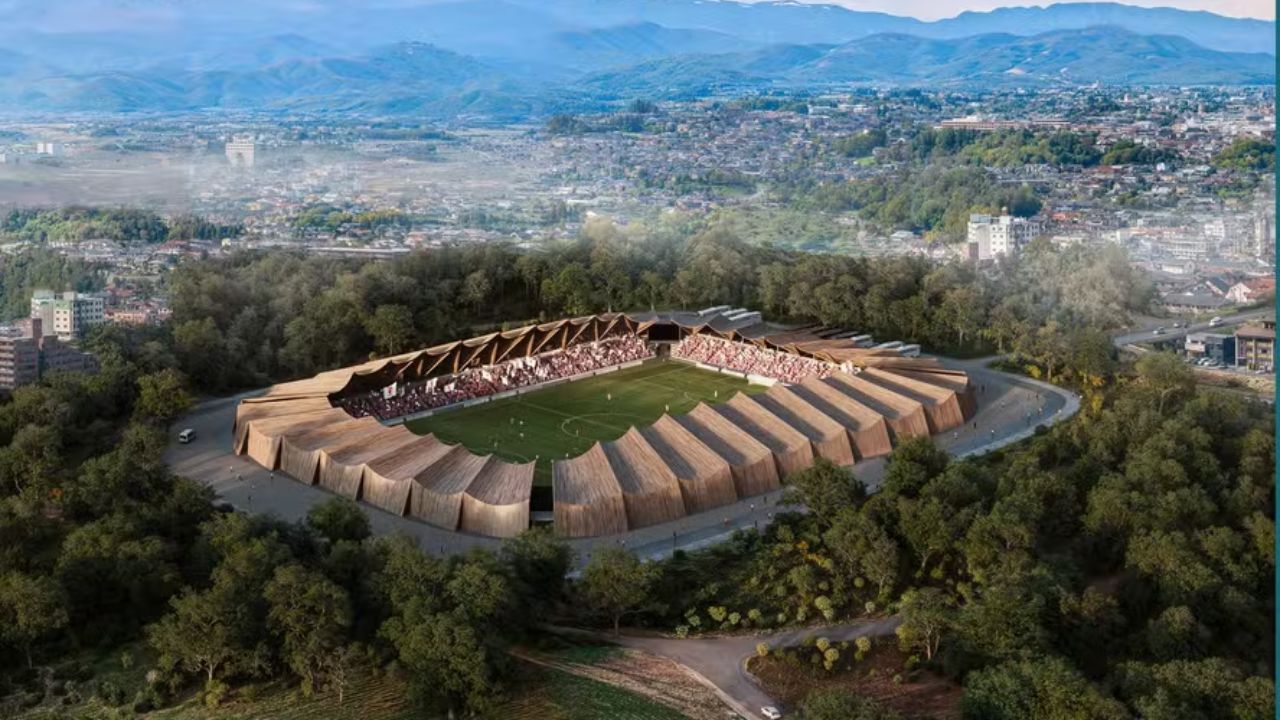


Designed with passive ventilation and water solutions, the new Fukushima United FC football stadium will be made of wood and built by local residents.
Rainwater harvesting systems and fully natural ventilation mechanisms form the technological basis of the new football stadium designed for the Fukushima province in Japan.
Created by the architecture firm VUILD, the project was structured to respond directly to the region’s climatic variations through passive energy solutions, avoiding the excessive energy costs of conventional arenas.
The eco-conscious proposal was presented to the world during the Venice Architecture Biennale and quickly drew attention for its symbolism.
-
13-Year-Old Raises Funds to Build Well, Transforming Lives in Cambodian Community Lacking Clean Water

-
Man with Metal Detector Finds Medieval Silver Seal in England, Uncovers 2,000-Year-Old Roman Gem with ‘Richard’s Secret’

-
Thailand Converts 8 Tons of PET Bottles into 3,500 School Backpacks, Showcasing Circular Economy with Over 40 Factories Involved

-
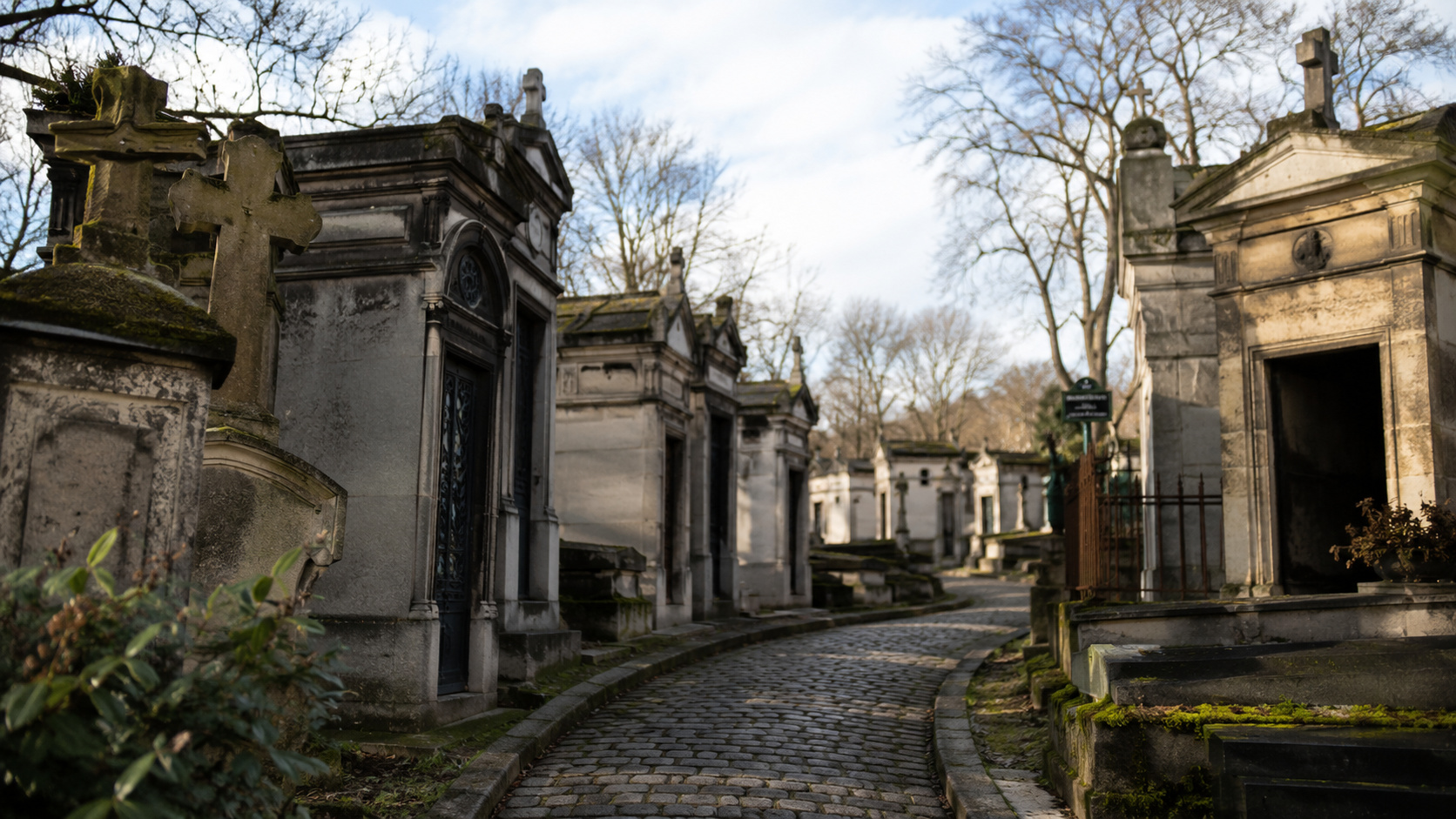
Mysterious Bats Spotted in Paris’s Père Lachaise Cemetery, Drawing Tourists to the “Vampire Cemetery”


More than an architectural project, it serves as a demonstration of how Japan intends to transform past tragedies into sustainable solutions for the future, after years of dealing with the impacts of tsunamis and the nuclear disaster that marked the country.
Ecological solutions of the new football stadium
The engineers’ goal was to create a structure that worked in harmony with the environment, drastically reducing the carbon footprint from the choice of materials to post-construction maintenance.

The engineering of the complex is based on four main sustainable pillars:
- Water autonomy: Structures designed to collect, filter, and store rainwater.
- Passive climate control: Strategic openings that utilize local air currents to cool the stands.
- Renewable raw materials: Exclusive use of recycled wood and trees harvested from surrounding forests.
- Thermal insulation: Use of high-tech glued laminated timber to maintain internal comfort.
Historical Rescue and Inspiration from Chinese Tulou
The visual of the new football stadium breaks the cold aesthetic of modern concrete arenas with 100,000 seats by adopting the design of a two-story house.
The volumetry was inspired by the tulou of Fujian, circular constructions that emerged in the 12th century in rural China, functioning as amphitheaters made with natural resources.

Additionally, the roof pays direct homage to the isolated village of Ouchi-juku in Fukushima, reproducing the style of traditional dwellings of that community.
Therefore, the space assumes a human scale and is much more intimate, with a limited capacity to accommodate only 5,000 spectators per event.
This reduction in size allows the building to blend organically with the surrounding landscape, valuing the heritage and memory of the place.
Participatory Construction and Community Assembly
The execution of the project also innovates by discarding the traditional model of hiring large isolated construction companies.
The VUILD studio planned a project where the wooden components will be fitted and assembled by the fans and residents of the region themselves.
This participatory construction process revives the concept of ancestral Japanese collective work.

In this way, the project consolidates the following social and technical goals:
- Direct engagement of the Fukushima population in the recovery of their own region;
- Valuing wood craftsmanship combined with high-precision cutting machinery;
- Creating a sense of belonging where the community truly owns the space;
- Encouraging the circular economy through the use of local wood suppliers.
With this, the Japanese project ends up changing the way many people view sports architecture.
Instead of betting only on gigantic arenas, full of technology and 360-degree screens, the VUILD office shows that it is also possible to create modern spaces by valuing simplicity, collective work, local history, and the conscious use of natural resources.
With information from Casa Vogue