






 4 min of reading
  0 comments


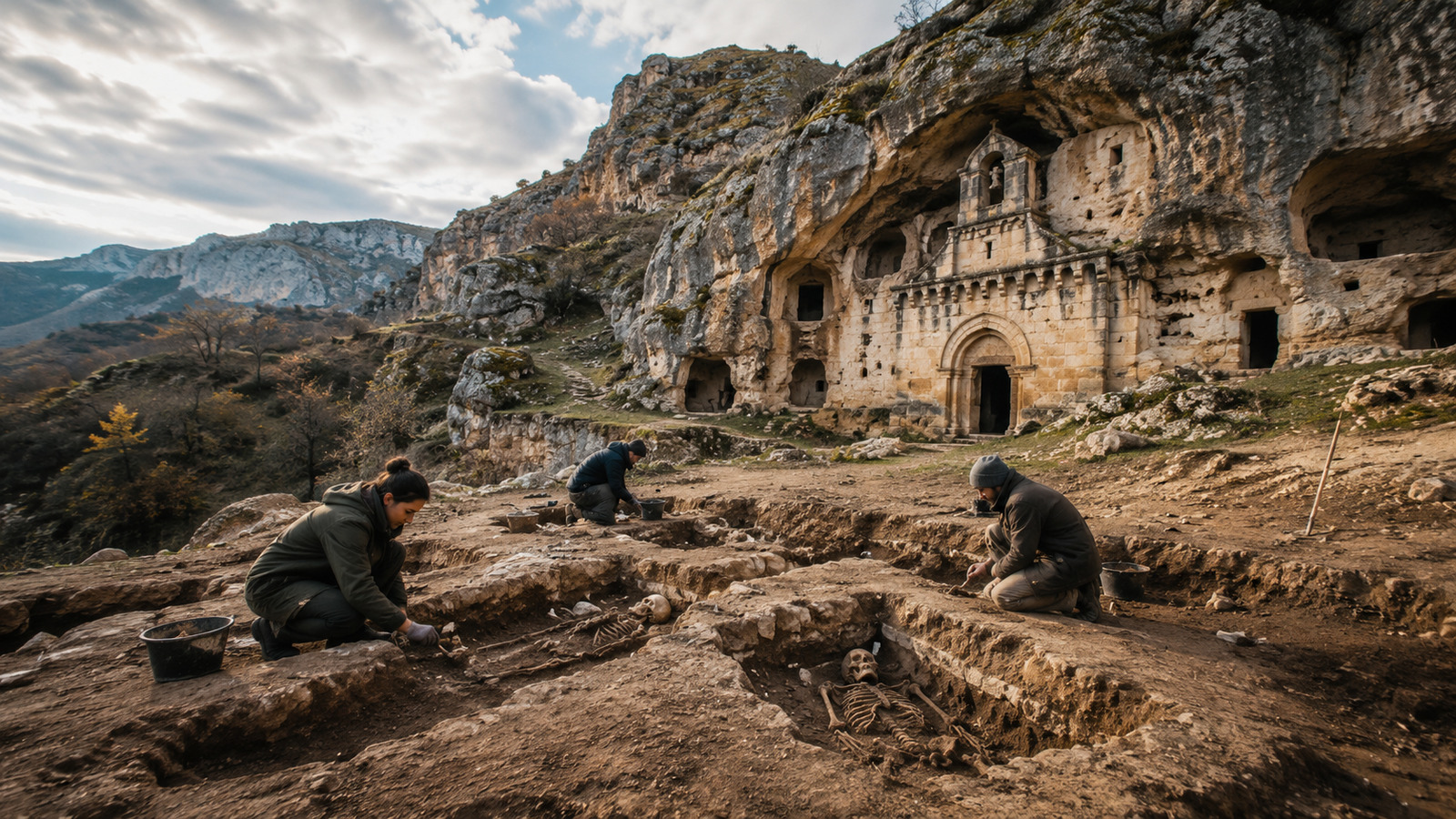
Study published in Science Advances analyzed human remains from Las Gobas and found signs of genetic isolation, animal husbandry, violence, and circulation of smallpox in medieval Europe
Human remains from Las Gobas, a medieval community that lived in caves in the current province of Burgos, in northern Spain, revealed a relatively isolated population for at least five centuries. The study, published in the journal Science Advances, combined ancient DNA, archaeology, and historical data to reconstruct aspects of kinship, health, violence, and disease circulation between the 6th and 11th centuries.


Las Gobas cemetery became key to understanding the community
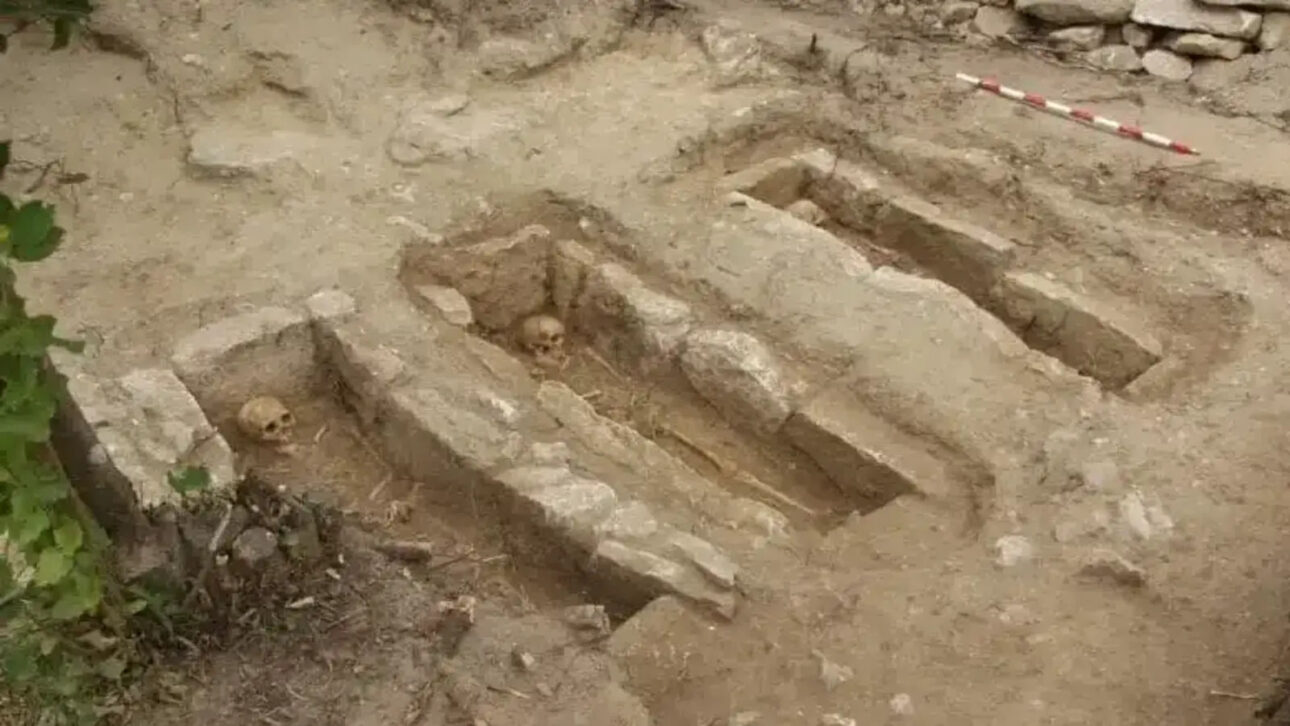
Las Gobas is near the village of Laño and is known for its church and its houses carved directly into the rock. The local cemetery, with dozens of graves, was the focus of the investigation conducted by the researchers.
The team analyzed 39 of the 41 exhumed individuals. From these human remains, the study sought to understand who these people were, how they related, and how they navigated a period of changes in medieval Iberian Peninsula.
-
Brazilian study finds chemical signal indicating stars that have consumed a planet: analysis of twin stars reveals an excess of beryllium resistant to 3.5 million °C, detected by an 8.2-meter telescope, and raises doubts about the rarity of systems like the Solar System.

-
Intense cold arrives with winter on Sunday, threatens frost from the South to the Southeast, and could leave Rio Grande do Sul with negative temperatures starting this weekend.
-
Astronomers find a “fossil” of the Milky Way that survived for 12.5 billion years, remained hidden near the center of the galaxy, and now reveals four different generations of stars.

-
Researchers develop a revolutionary solution capable of cooling chips with up to 10 times greater efficiency, overcoming thermal limits that hindered the advancement of modern computing and enabling faster, more compact, and energy-efficient equipment.





The project was led by Ricardo Rodríguez Varela, from the Center for Paleogenetics in Stockholm. According to him, the results indicate that the community remained relatively isolated for at least five centuries.
DNA points to families formed within the community itself
Genetic evidence shows an endogamous population, meaning families were formed mainly within the group itself over several generations.
This data helps explain the distinct profile of Las Gobas compared to other medieval populations of the Iberian Peninsula.
According to Rodríguez Varela, even being north of regions under Islamic rule, Las Gobas showed relatively low levels of North African and Middle Eastern ancestry.
The researchers also did not observe a significant increase in these ancestries after the Islamic conquest of Iberia.
The result was noteworthy because other areas of the peninsula experienced population mixing and demographic changes during the same period.
In this context, Las Gobas appears as a community that followed a different path, maintaining its own genetic characteristics for centuries.
For the study, this reinforces the importance of analyzing local populations, not just major historical movements.
Ancient bacteria help reveal the settlement’s routine
The research also investigated pathogens preserved in the remains. This part of the study provided clues about the health and daily life of the people who lived in the rock-hewn settlement.
Zoé Pochon, also from the Center for Paleogenetics, stated that the team identified the bacterium Erysipelothrix rhusiopathiae.
This pathogen can cause skin infections when open wounds are contaminated and is often associated with contact with domestic animals.
For the researchers, the presence of the bacterium suggests that animal husbandry played an important role in the local economy and daily routine. The information helps to form a more concrete picture of life in a medieval rural community.
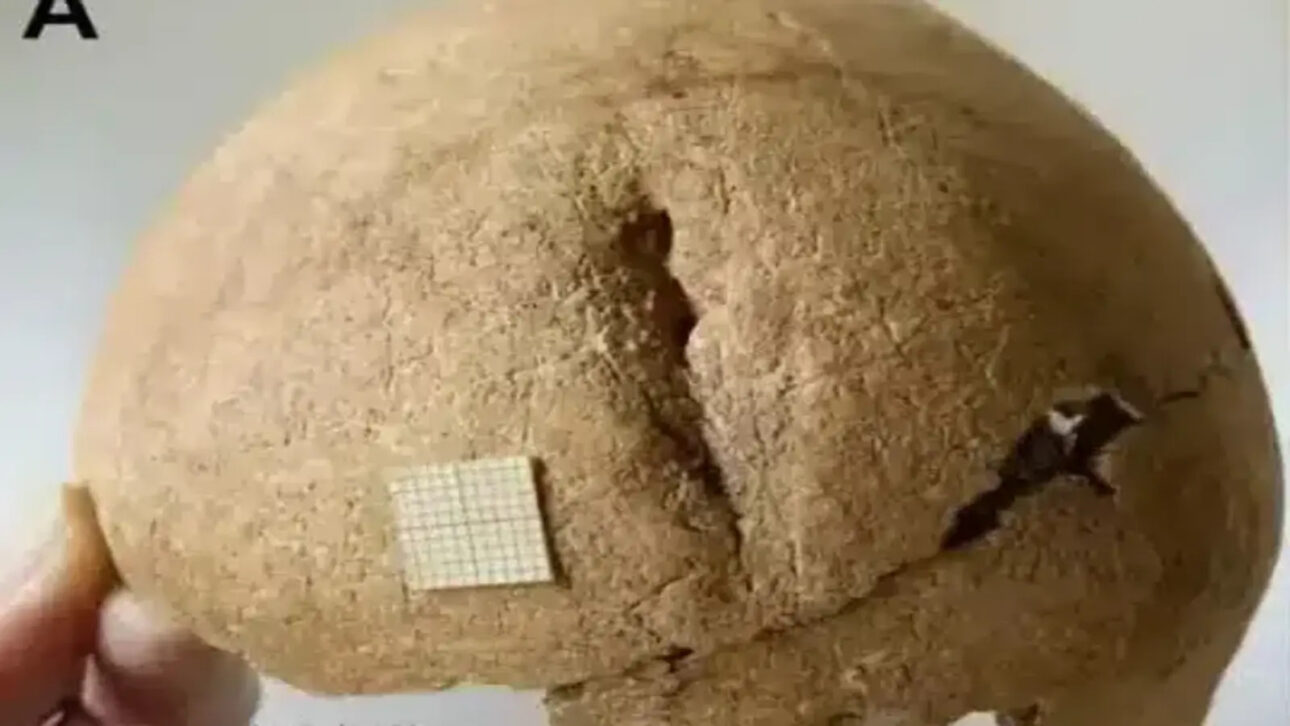
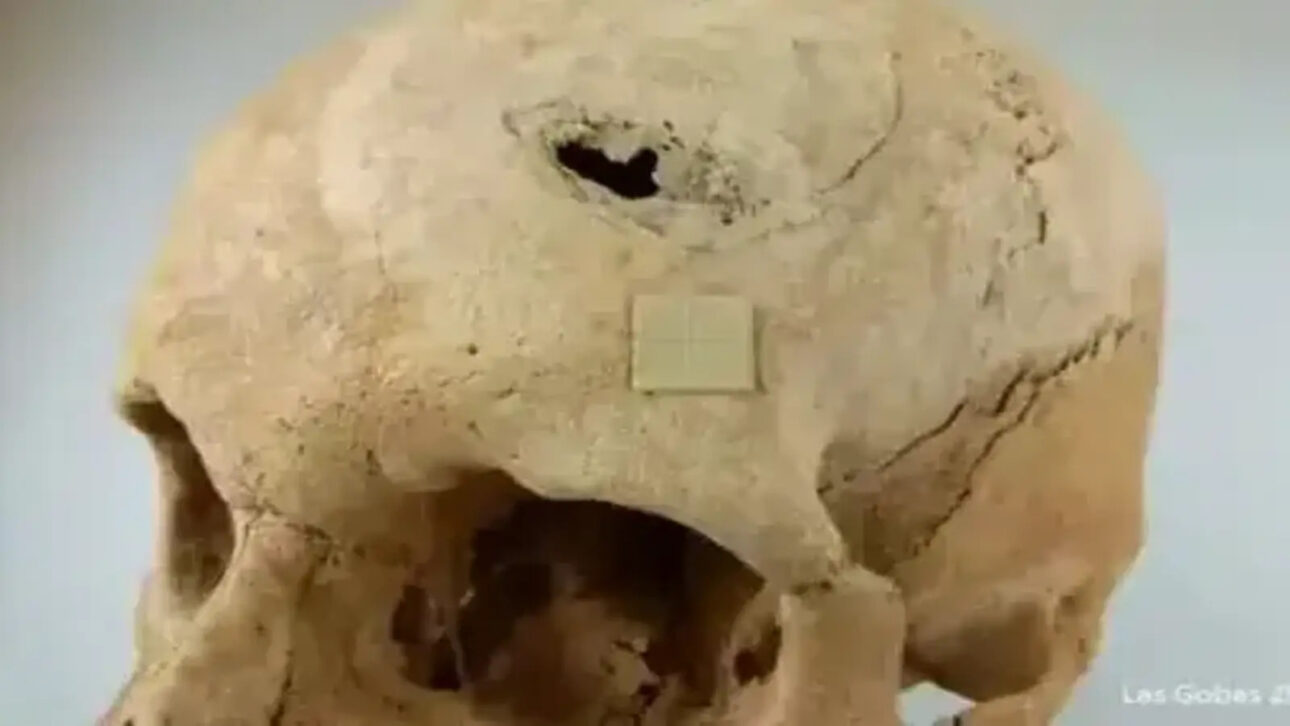
The remains also showed signs of violence. Some individuals had injuries that, according to the study, could have been caused by sword blows.
Smallpox in recent burial points to European connection
One of the most striking discoveries was the detection of the smallpox virus in one of the site’s most recent burials. The pathogen is responsible for the disease known as smallpox.
The strain identified in Las Gobas resembles others previously found in Scandinavia, Germany, and Russia.
For the researchers, this relationship indicates that the disease circulated widely throughout Europe during the medieval period.
The discovery may also change how historians analyze the arrival of smallpox in the Iberian Peninsula. Anders Götherström, the principal author of the study, stated that around the 10th century, the disease seems to have affected Las Gobas.
According to him, smallpox likely spread throughout Europe, and not via Islamic routes, as had previously been theorized for the disease’s entry into the Iberian Peninsula.
This article was prepared based on information from the study published in the journal Science Advances and statements from researchers at the Stockholm Centre for Palaeogenetics, with data, numbers, and statements preserved as per the consulted material.





Be the first to react!