Portuguese
  Spanish


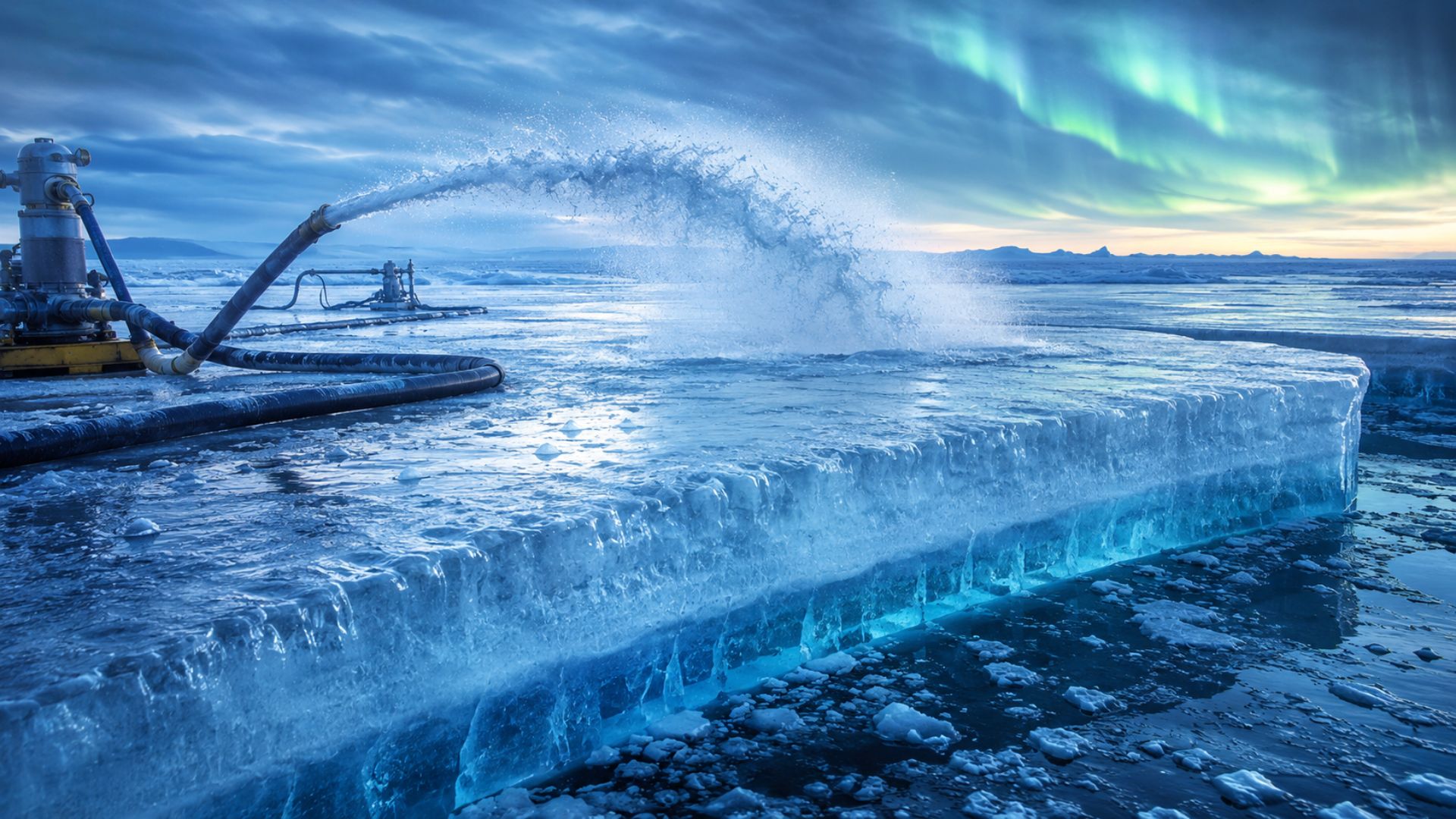


The test, conducted in Cambridge Bay, Canada, by the teams from Real Ice and the Centre for Climate Repair, is the first field evidence that the technique can change the ice cycle. But it is a small experiment, and the environmental impacts in the Arctic are still unknown.
Scientists pumped seawater to the surface of the Arctic during winter and managed to thicken the ice by up to 32 centimeters in the tested areas, a gain they describe as comparable to the thickness lost over the past 50 years. The experiment was conducted by the teams from Real Ice and the Centre for Climate Repair, in the territory of Nunavut, northern Canada, in response to the region’s accelerated melting.
The idea is as simple as it is bold, but it is still in its early stages. According to the teams involved, in the winter of 2024 and 2025, when temperatures are below zero, the seawater beneath the ice layer was pumped to the surface, where it quickly froze and formed a new layer. The treated areas also became 20% to 40% lighter, which may have helped slow the melting, although it is a small test and the environmental impacts are still unknown. Data from NOAA, the United States oceanic and atmospheric agency, shows that Arctic summer ice has been shrinking since 1979.
How seawater pumping works
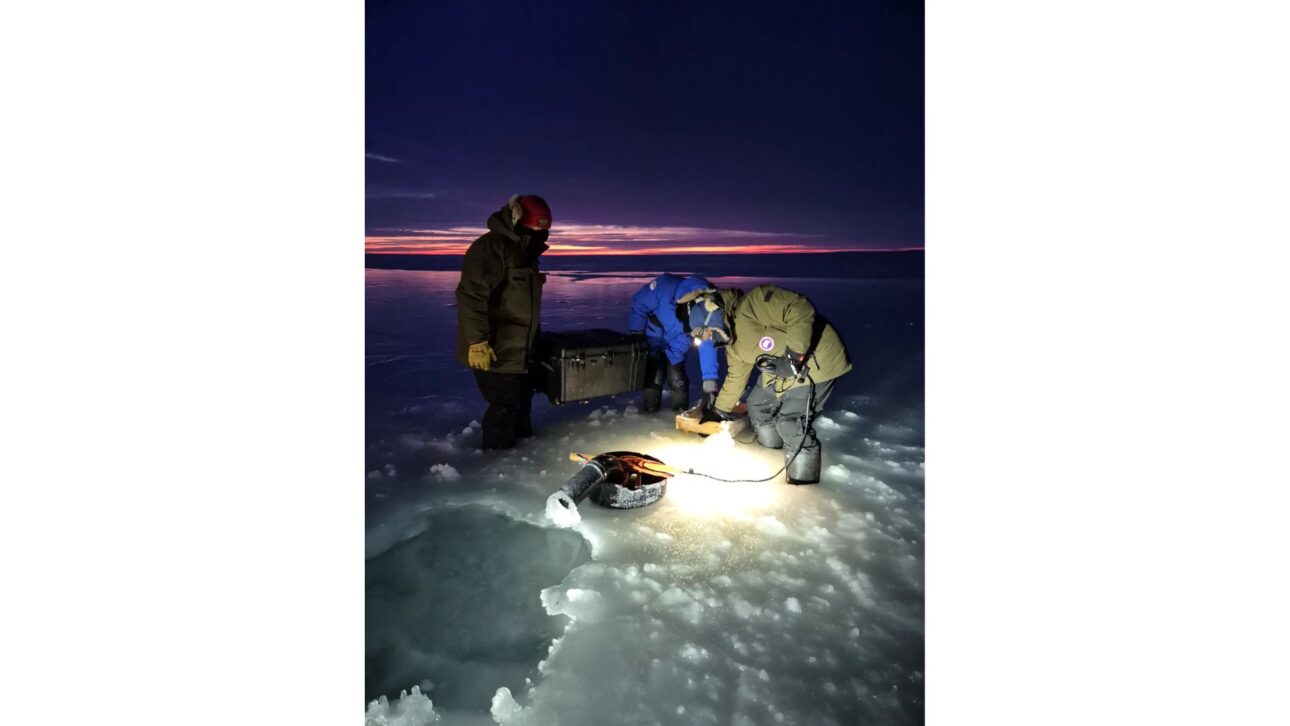
The technique tested in the Arctic starts with a straightforward gesture. In winter, when the region’s temperatures are below zero, scientists from Real Ice and the Centre for Climate Repair pumped the seawater beneath the ice layer to the surface, where, in contact with the extremely cold air, it freezes quickly and forms a new layer of ice.
-
In Brazil’s backyard: Tesla, by Elon Musk, announces official operations in Uruguay, where electric vehicles already make up 20% of new cars but still leaves out the largest market in the region.

-
This Mars rover may finally reveal if life ever existed on Mars.
-
A nearly 70-year-old Chinese inventor has registered 90 patents and created a device that stores water in the roots, helping seedlings survive drought while trying to transform the arid slopes of the Loess Plateau into green areas without relying on heavy irrigation.

-
Researchers want to change the way of producing rare earth magnets, reducing purification steps and making better use of the elements found in Swedish deposits.


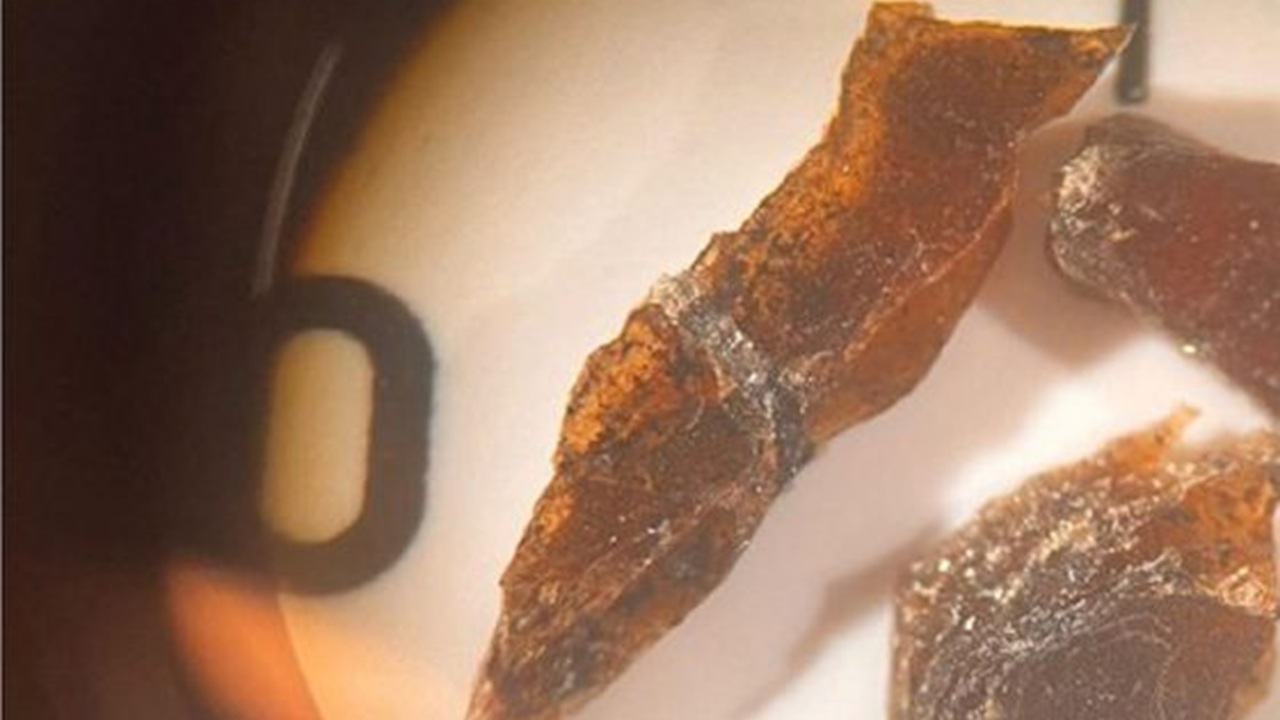
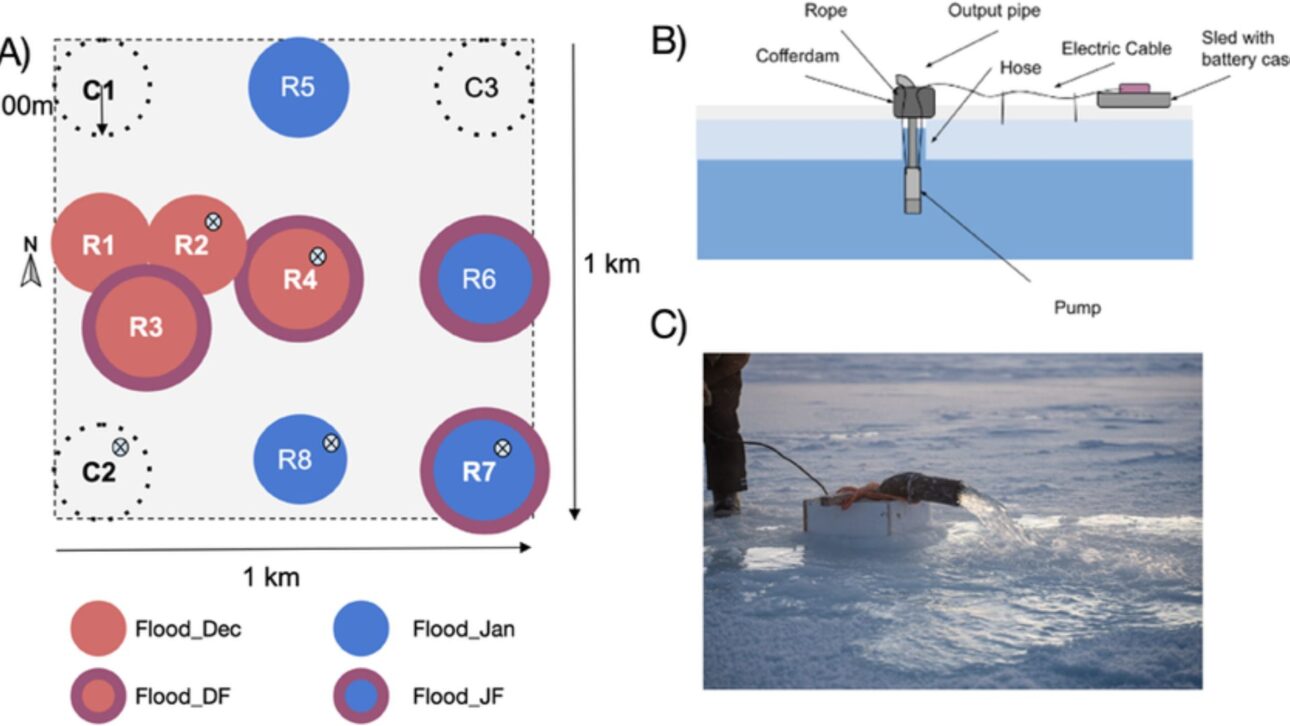
The test numbers are impressive, but require careful reading. The experiment took place during the winter of 2024 and 2025 in Cambridge Bay, in the territory of Nunavut, northern Canada, and in the treated areas, the ice was up to 32 centimeters thicker than in those that were untouched. This gain, according to the researchers, is equivalent to the thickness lost over the last 50 years, meaning it is a mark comparable to decades of loss, not a reversal of all Arctic ice.
The ice became thicker and clearer
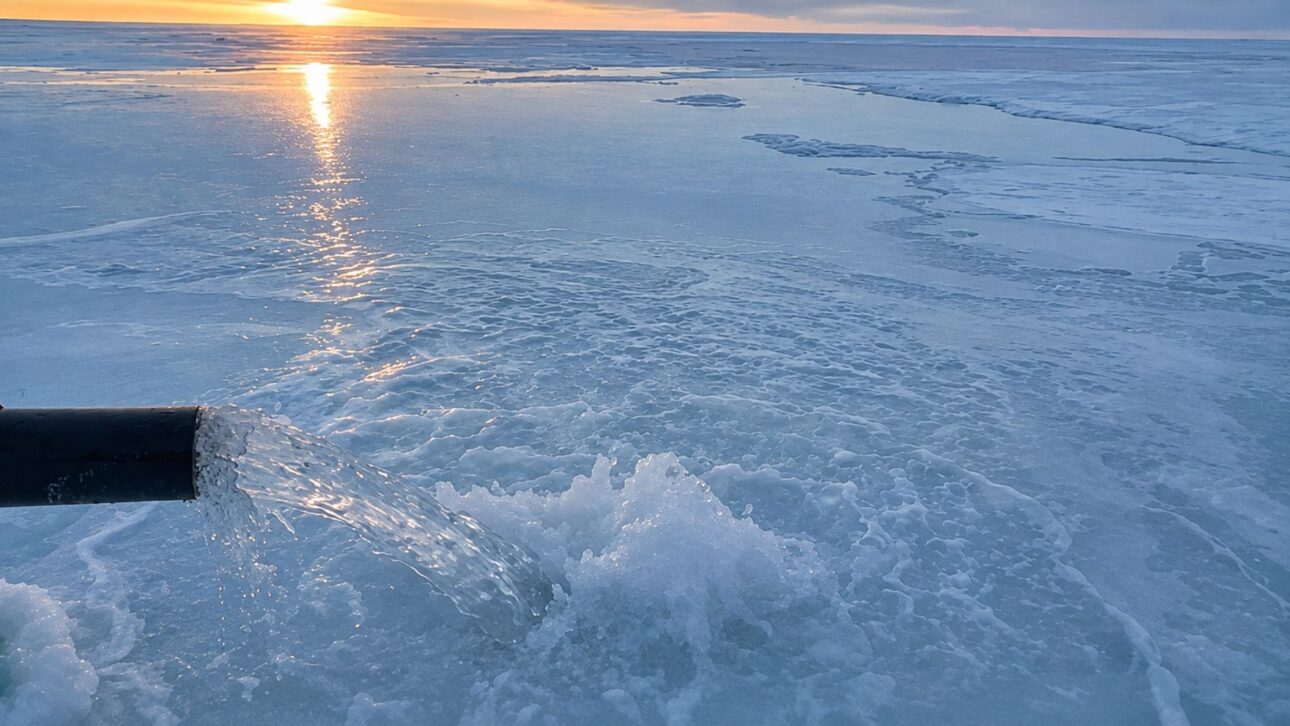
Scientists tested a technique in northern Canada to increase the thickness of Arctic ice
In addition to being thicker, the treated areas changed in appearance. They became 20% to 40% clearer during the melting period, something that may have helped slow down the melting rate, as clearer ice reflects more sunlight back into space.
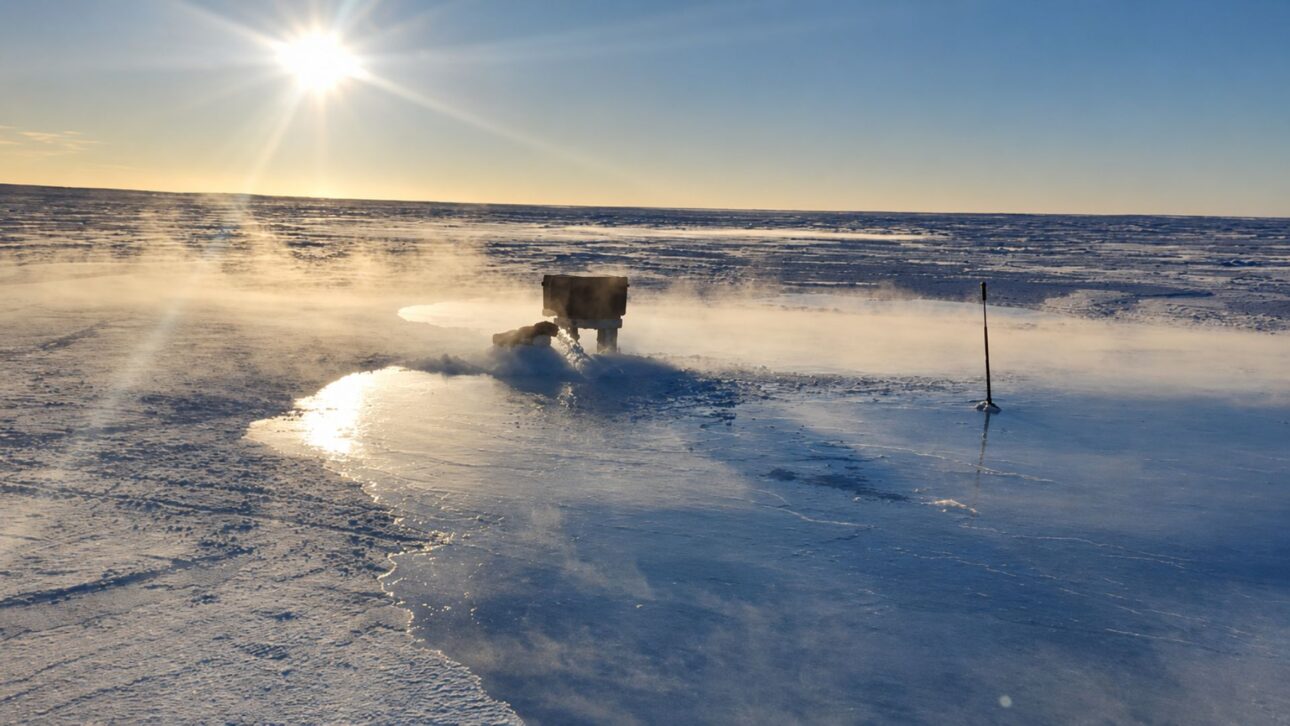
Research site of Real Ice in Cambridge Bay
The effect, however, still lacks a definitive explanation. Researchers are not sure why the treated ice became clearer, and understanding this, in addition to better measuring its ability to reflect light, is one of the next steps. For now, this brightening is a promising observation, but still without a defined cause, within the Arctic experiment.
The first field evidence, but still with caveats
What makes the result relevant is the type of test behind it. It was the first conducted under real conditions throughout the entire annual ice cycle, from winter growth to summer melting, and thus became the first field evidence that the technique can alter the ice cycle across seasons, an effect that had previously only appeared in computer simulations.
Even so, scientists treat everything as a starting point, not a solution. They now want to know if the reinforcement can indeed reduce the ice loss of recent decades, if the method would work in other Arctic regions and on much larger areas, and, most importantly, if the technique causes environmental impacts, something that remains unanswered. These are precisely the doubts that separate a promising experiment from a reliable tool.
One of the warmest winters and the challenge of scaling up
The context makes the result even more striking. The winter of 2024 and 2025 was the third warmest ever recorded in the Cambridge Bay region, about 4°C above the historical average, which makes the findings even more relevant for understanding how the ice cycle behaves in a warming scenario.
Scale, however, is the big open question. The test covered small areas, and the next sections may reach up to one square kilometer, a tiny fraction of an Arctic that spans millions of square kilometers, which is why the team also wants to discover if the technique would work in much larger regions. Without this answer, the method remains restricted to isolated patches of ice.
New tests until 2028 and the RASI project
The research is part of a larger initiative focused on the Arctic. The work is part of the RASI project, aimed at re-thickening the region’s sea ice and linked to the University of Cambridge, which received funding of R$ 67.4 million, equivalent to 9.9 million pounds sterling.
The schedule is already set for the coming years. New tests are expected to take place between 2026 and 2028 in two regions of Nunavut, and if analyses show that the technique does not cause environmental impacts, the test areas could reach one square kilometer. Researchers also want to use computer simulations to evaluate the method in strategic points, such as the Nares Strait, a natural passage through which large ice blocks move towards the Atlantic Ocean.
The urgency behind the experiment is evident in the data: according to NOAA, the Arctic sea ice area at the end of summer shrank, on average, by 12.1% per decade between 1979 and 2024, and the 18 lowest records for September all occurred between 2007 and 2024.
In light of this scenario, pumping seawater to thicken the ice is a promising idea, but still preliminary and small-scale, whose large-scale viability and environmental safety remain unknown, and it does not replace cutting the emissions that cause warming. The treated areas gained up to 32 centimeters in thickness, a mark comparable to the loss of decades, but turning a field test into a tool for the entire Arctic remains an open question.
And you, what do you think of this attempt to refreeze the Arctic by pumping seawater? Is it a promising tool against melting or a risk that could divert attention from cutting emissions? Share your opinion and exchange ideas with other readers about climate and the environment, with respect for different views.