






 Portuguese
  Spanish


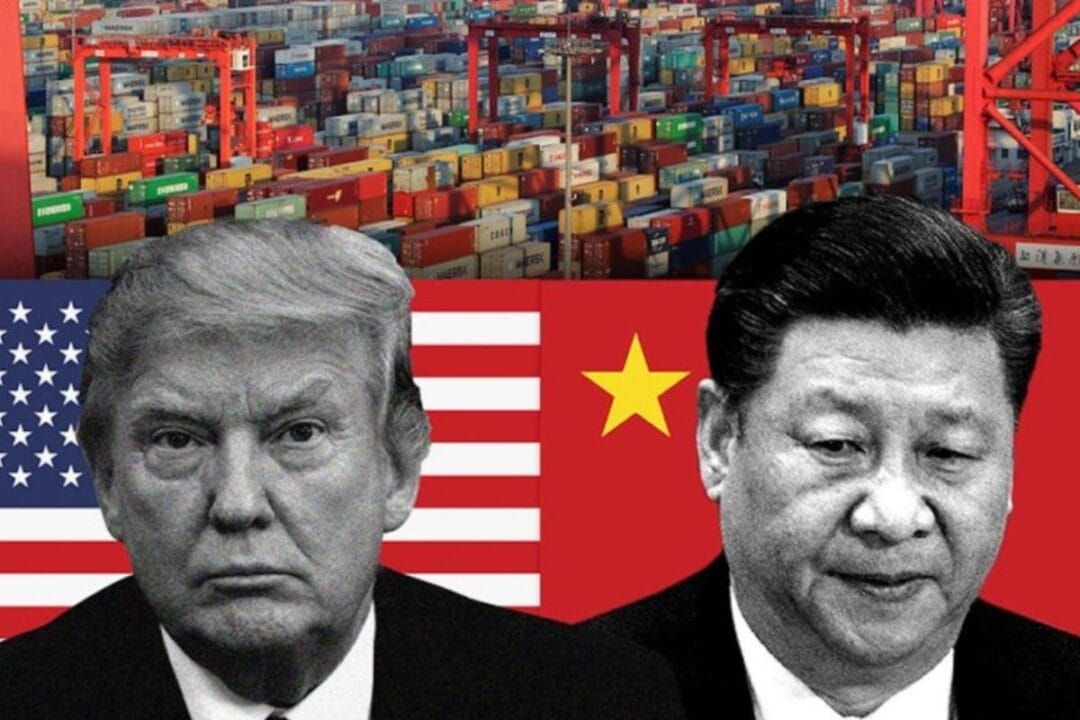

In Just 8 Days, Companies Listed on B3 Lost R$ 141.8 Billion and Petrobras Led the Losses with a Decline of R$ 88.7 Billion
The new escalation of the trade war between the United States and China triggered a chain reaction in global markets — and Brazil felt the impact. Between April 2 and 10, 2025, companies listed on B3 lost R$ 141.8 billion in market value, according to a survey by Elos Ayta.
Only Petrobras saw its value drop by R$ 88.7 billion, reaching R$ 417.6 billion — the lowest level since August 2023. Vale lost R$ 17.7 billion, while PetroRio declined by R$ 5.5 billion. The dollar soared, reaching R$ 5.9542, reflecting the increase in tariffs imposed by Washington and Beijing.
Petrobras, Vale, and Banks Drive the Stock Market Drop
At the center of the devaluation is the energy and commodities sector, directly linked to foreign policy. The three largest drops were from Petrobras, Vale, and PetroRio. Together, these companies accounted for 78% of B3’s total loss during the period.
-
Brazil to Issue “Panda Bonds” in China, Aiming to Raise Up to 5 Billion Yuan at Lower Interest Rates Than Dollar Debt
-
NATO Faces Internal Tensions as U.S. Pushes for Increased Defense Spending, Targeting 5% of GDP by 2035, with Warnings for Countries Near 2% Level

-
Brazil to Introduce B16 Diesel with Increased Soybean Oil Content for Trucks by 2026
-
Brazil’s July Bolsa Família Payments May Include Extra $150 and $50 for Families with Children, Pregnant Women, and Updated CadÚnico Registration


Banks and telecommunications were also affected. Banco do Brasil saw a decline of R$ 4.5 billion, and the operator TIM lost R$ 2.6 billion in market value. The total capitalization of the Brazilian Stock Exchange fell from R$ 4.22 trillion to R$ 4.08 trillion in just eight days.
Record Tariffs Between US and China Intensify the Trade War

The trigger for the chaos was the drastic increase in tariffs between the two largest economies in the world. After China imposed an 84% tariff on American products, the US responded with 125%. Subsequently, China restricted Hollywood films, and the US raised tariffs on Chinese items to 145%.
This movement increased risk aversion among investors. Emerging-market currencies, such as the real, felt significant pressure. The spot dollar rose by 1.67%, trading at R$ 5.9452. At its peak for the day, the currency reached R$ 5.9542.
Dollar Soars Even with Deflation in the US
Despite the 0.1% drop in the US Consumer Price Index (CPI) in March, the trade war had a greater impact on investors’ perceptions. The DXY index, which compares the dollar with other currencies, fell nearly 2%, but the real did not follow the external movement.
Expectations regarding the Federal Reserve’s decision changed. Previously, 79.6% expected interest rates to be maintained. Now, that number has dropped to 73.4%. Even with this expectation of lower interest rates, concerns about the tariff war prevailed, fueling the rise of the dollar and the outflow of foreign capital.
Ibovespa Plummets and Oil Drops More than 4%
In Brazil, Ibovespa mirrored global pessimism. The index fell by 1%, breaking the 127,000-point mark. The trading volume was high, reflecting intense selling activity.
Oil was also impacted. Brent fell by more than 4%, while WTI, the American benchmark, plunged by over 5% and traded below US$ 60 per barrel. The pressure on prices is a direct reflection of the trade war, which threatens the global demand for energy.





Fico imaginando o que diriam se alguém de esquerda fizesse o que Trump e Bolsonaro fizeram (fazem)
Diriam, até que enfim fizeram algo certo