Portuguese
  Spanish


Construction in Arizona repurposes glass bottles into translucent walls, combines artisanal techniques and preserves typical desert plants, while incorporating conventional residential features and thermal performance reported in one of the hottest regions in the United States.
The house known as Tucson Bottle House, in Tucson, Arizona, was built with thousands of discarded glass bottles, used in translucent walls that integrate livable spaces and modify the entry of natural light throughout the day.
With about 251 square meters, the residence includes three bedrooms, three bathrooms, and indoor and outdoor areas, maintaining an artisanal composition based on repurposed glass, local stones, mortar, concrete, and slab flooring.
According to Architectural Digest, the property was built by Theodore “Ted” Bryson and Meletis “Mel” Bryson, who collected bottles from landfills, roadsides, and even a Pepsi unit to erect the property.
-
Brazilian Lottery Winner Ordered by Court to Share $22 Million Jackpot with Ex-Partner, Sparking Major Legal Battle

-
Why Yellow is the Safety Color for Heavy Machinery: Origins and Benefits Since 1931

-
U.S. Channel Highlights 20 Brazilian Innovations Leading Latin America: From Açaí to Modular Homes and Biogas

-
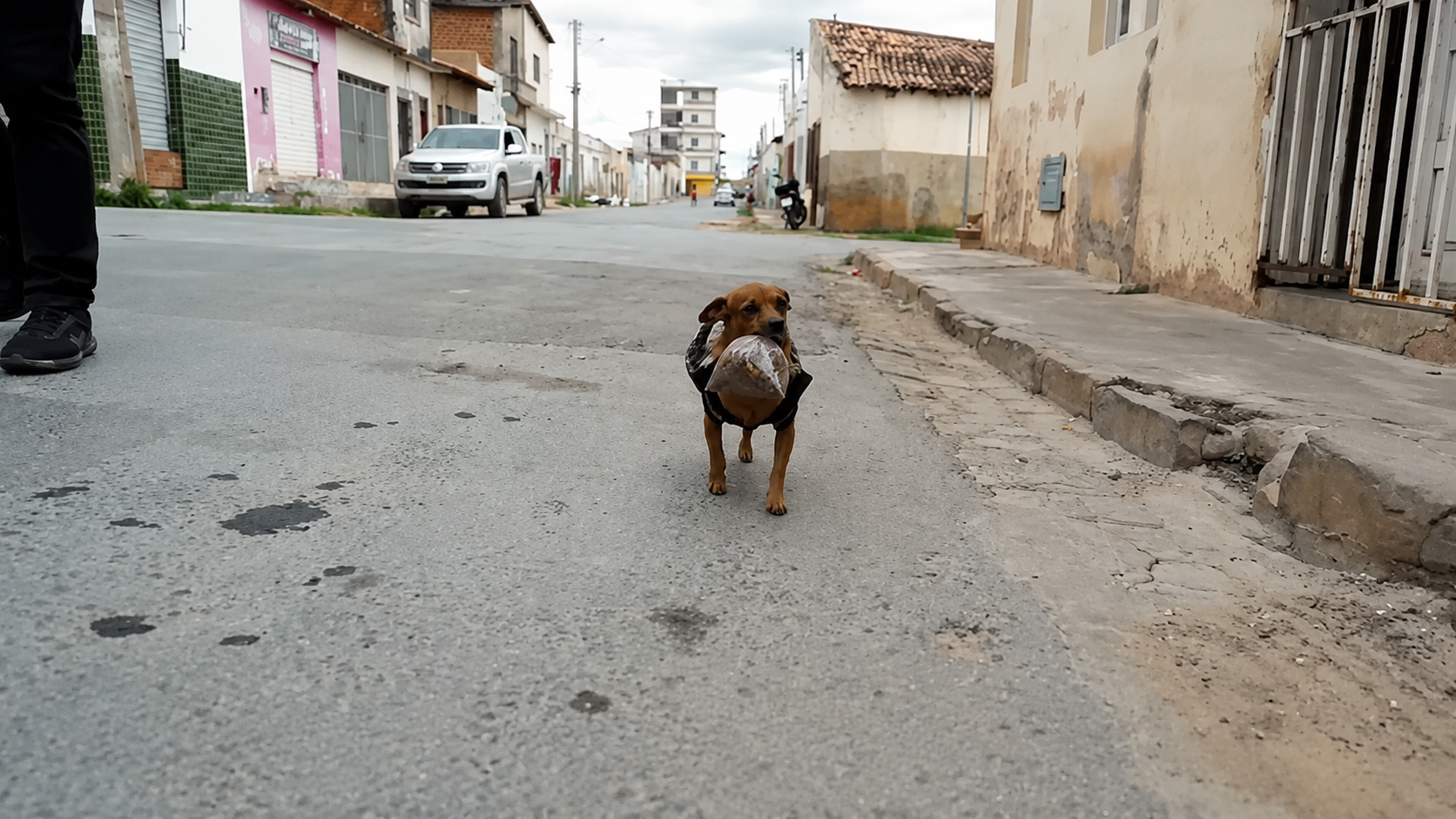
Dog Goes Viral for Buying Its Own Food and Carrying the Bag Home in Its Mouth

The construction began as an experiment in material repurposing and evolved into a complete house, identified by the publication for the combination of glass, stone, mortar, and concrete in a residential structure.
Bottle house in Arizona gained local recognition
The project began with a covered garage, built by the Bryson couple with repurposed materials, before being gradually expanded into a residence with different rooms and living areas.
During the expansion, the house came to include three bedrooms, dining room, kitchen, office, living room, guest house, and outdoor kitchen, according to information published by Architectural Digest.
The publication reports that the residence was completed in the late 1960s and received updates in the 1980s, already under the responsibility of another owner, without losing the visual characteristics associated with the original project.
Even after subsequent changes, the property maintained the visible bottles as a central part of the structure, a feature that helped make the property known in Tucson for its unusual appearance compared to conventional houses.
The bottles function as a kind of exposed brick, fitted with mortar to form walls that allow the passage of natural light and create colorful points in the internal environments.
As the sun passes through the glass, the lighting inside the house varies in intensity and color, producing different reflections throughout the day, especially in areas where the walls receive direct incidence.
This use of glass appears not only as a decorative element but as a visible part of the architectural composition, as the bottles remain exposed and help define the visual identity of the residence.
Instead of hiding the reused material under traditional finishes, the project kept the discarded pieces as visible structural components, integrating the reuse into the design of the rooms and internal passages.
Glass, stone, and concrete form the structure of the house
Besides the bottles, the Tucson Bottle House combines local stones, concrete, slab flooring, and areas of exposed mortar, materials that appear in different rooms and reinforce the presence of the desert landscape in the construction.
In the dining room, for example, regional rocks were used on the walls next to built-in cabinets, while other environments display sections where colored glass appears as points of light.
The combination of materials created a rustic appearance, described by Architectural Digest as close to a cave in some environments, without the house ceasing to function as a residence with complete rooms.
According to the publication, despite the unconventional material choices, the property maintains characteristics of a traditional dwelling, with defined spaces for rest, work, meals, and socializing.
Thermal performance was another point mentioned in the Architectural Digest report, based on a statement from the realtor Holly Greenhalgh, from Coldwell Banker Realty, responsible for providing information about the property.
According to Greenhalgh, the internal temperature of the house did not exceed 83 degrees Fahrenheit, about 28 degrees Celsius, even on the hottest days in Tucson and without the use of air conditioning.
The information gained prominence because Tucson is in a desert climate region, where intense heat and strong solar exposure are part of the environmental conditions faced by local constructions.
The same description points out, on the other hand, that the floors can get cold in winter, which is why the residence has two functioning fireplaces to warm the environments during periods of low temperature.
Project preserved typical desert plants
The relationship with the landscape also appears in the way the house was built on the land, as the project sought to maintain typical Arizona plant species around the construction.
According to Greenhalgh, the Brysons wanted to preserve the surrounding desert, not destroy it, so they built the house respecting species like saguaros, ocotillos, and other native Arizona plants.
With this decision, the residence was integrated into the local vegetation and began to coexist with natural elements of the desert, instead of completely replacing the landscape with a conventional built area.
The house thus occupies land where reused materials and native plants appear in the same setting, forming a direct relationship between artisanal architecture and the Tucson environment.
This composition makes the property described by Architectural Digest not only for its unusual facade but also for how it combines material reuse, residential use, and adaptation to the landscape.
The proposal is not limited to the presence of bottles in the walls, as the rooms have defined functions and the structure includes indoor areas, outdoor spaces, and heating resources for different times of the year.
The aesthetics of the property were also influenced by Ted Bryson’s interest in ancient cultures, according to Architectural Digest, which cites Mayan and Native American references in the residence’s details.
These references appear associated with the owner’s taste for places and traditions that inspired part of the house’s design, without the publication detailing all the specific elements linked to each influence.
Discarded bottles gained residential use
The use of bottles shows how discarded objects can receive a new function when incorporated into a construction with planning, technique, and adaptation to the land conditions.
Materials that would be destined for disposal began to compose walls, passages, and internal details of the residence, ceasing to act only as waste to become a visible part of the structure.
The solution brings together two themes that frequently appear in urban and environmental debates: housing and waste, especially at a time when material reuse remains a topic of discussion in civil construction.
In the case of the Tucson Bottle House, the presence of colored glass contrasts with the conditions of the Arizona desert, where heat, sunlight, and thermal amplitude directly influence the use of buildings.
The house also demonstrates, from the case reported by Architectural Digest, that reused materials can play a central role in a residential project when integrated from the construction’s conception.
In the property built by the Brysons, the discarded glass does not appear as an isolated detail but as a visual language, an apparent structural element, and a recurring component in the internal and external environments.
Over the years, the residence became known in Tucson for its artisanal technique, material choices, and relationship with the desert landscape surrounding the property.
Interest in the project is associated with the set of factors documented by the publication: bottle reuse, native plant preservation, habitable environments, and maintenance of residential characteristics.
Even outside the standard of conventional houses, the Tucson Bottle House remains a registered example of construction made with discarded materials and adapted to the environmental context in which it was built.
The residence demonstrates, from this specific case, that common waste can gain a new function when there is constructive planning, technical knowledge, and respect for the conditions of the location where the work is carried out.