






 Portuguese
  Spanish
  3 min of reading
  0 comments


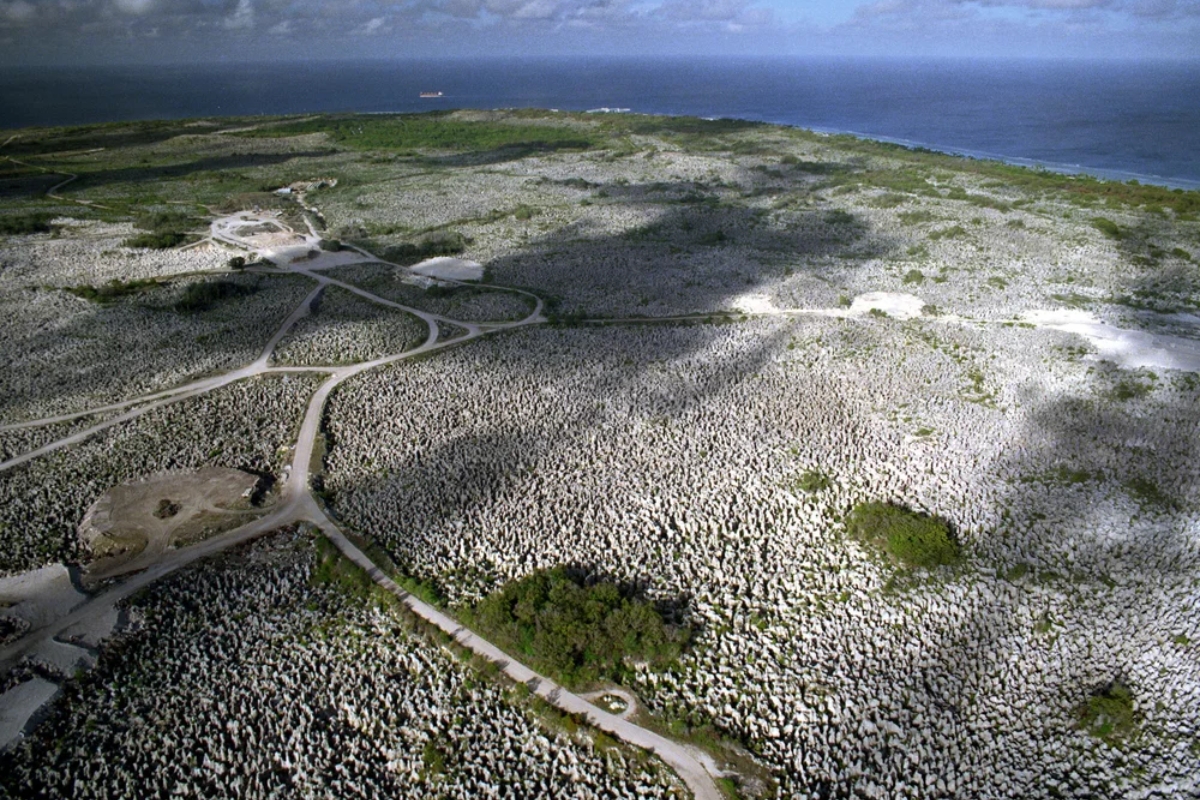
One Century of Extraction Transformed the Inland into Almost Useless Land and Concentrated the Population on the Coast, with Direct Impact on Housing and Daily Survival
There is a place where the landscape seems to have been sculpted to prevent any human life in the inland.
The soil is marked by exposed rocks, extreme irregularity, and little possibility for use in agriculture, construction, and continuous occupation.
The result was a harsh reality: much of the territory became practically uninhabitable, and the population began to depend on a coastal strip to maintain their routine.
-
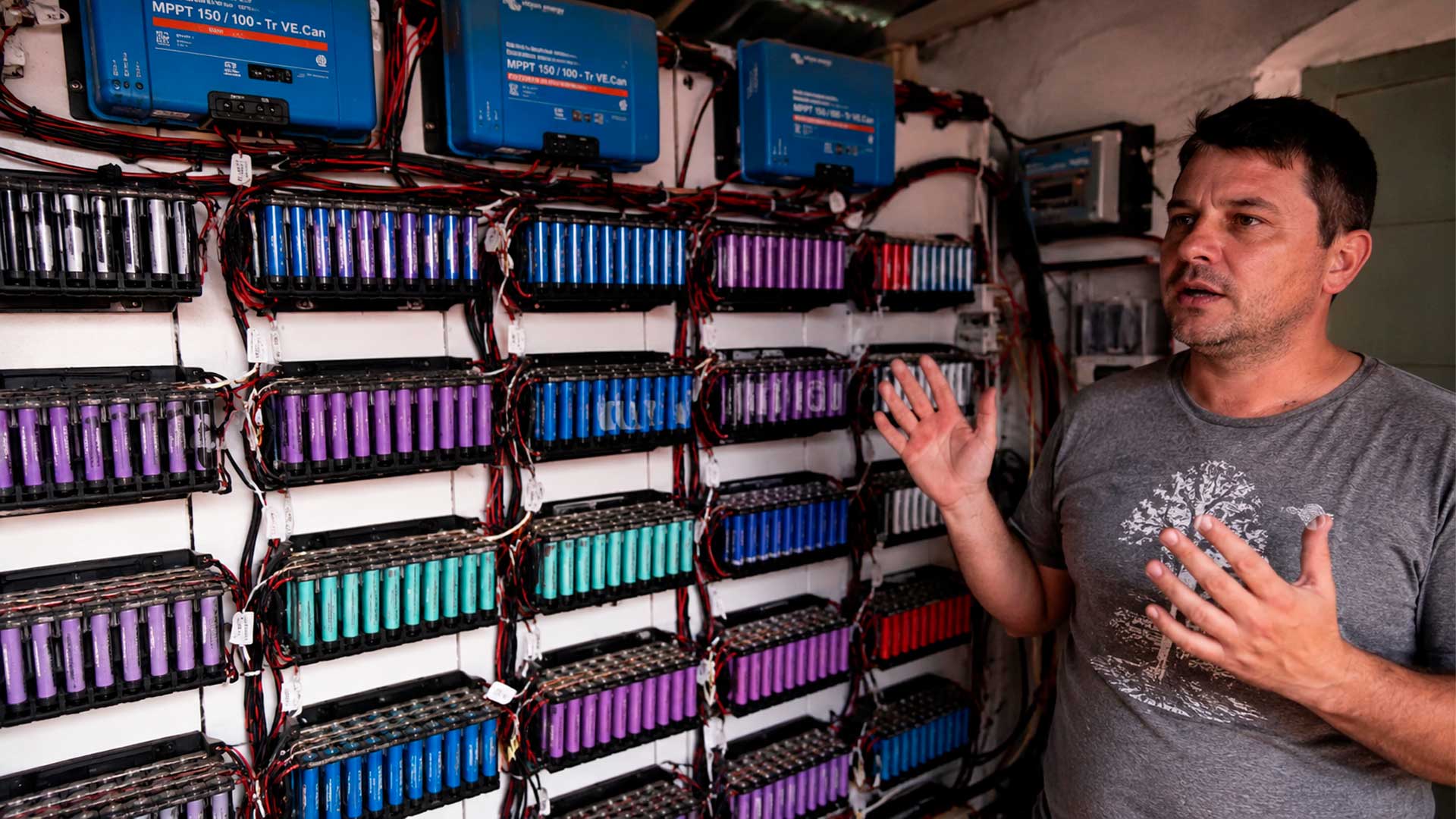
Dissatisfied with seeing laptop batteries go to waste, a man collects more than 650 units and transforms the electronic waste into a solar energy storage bank to power his house.

-
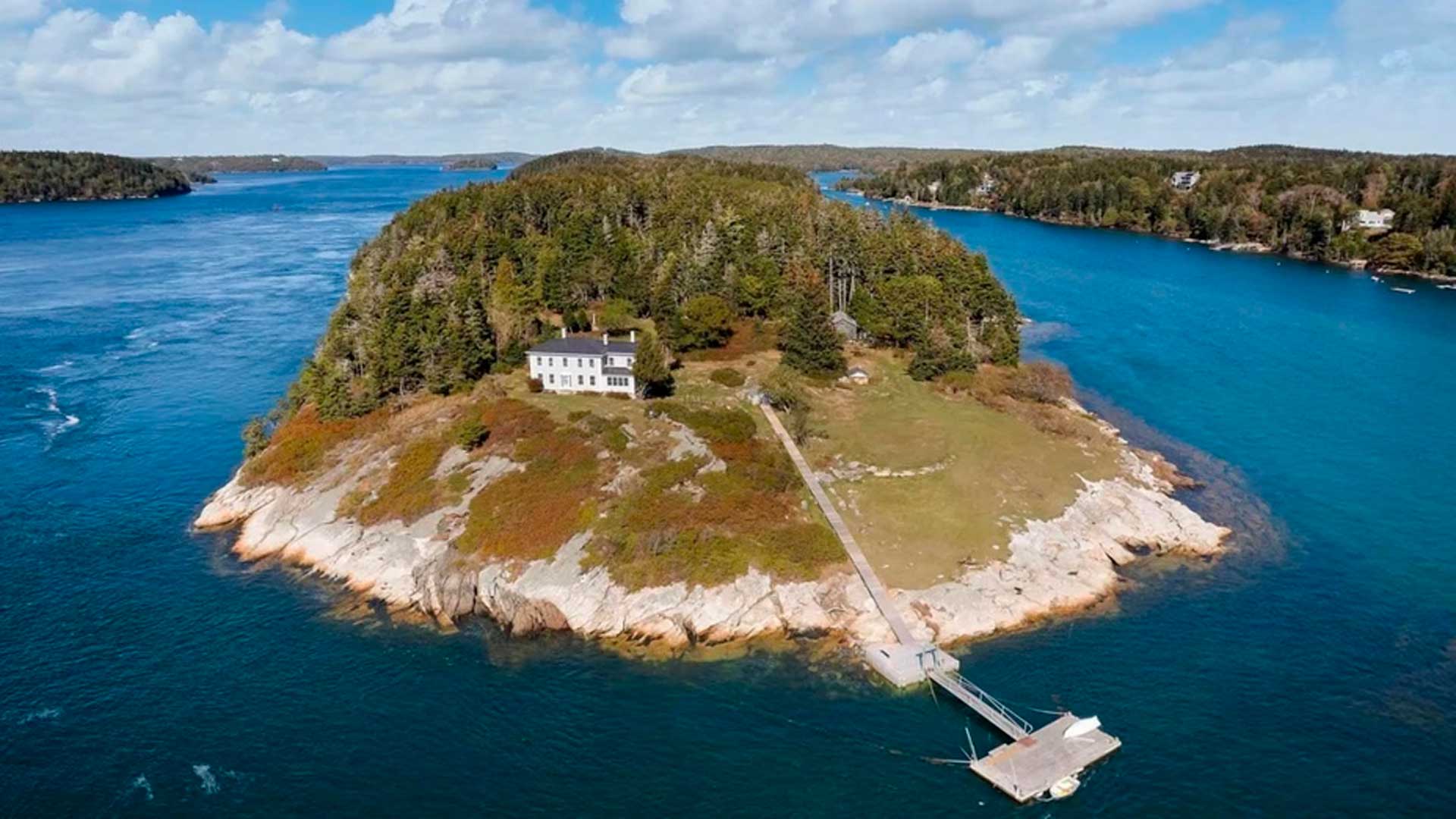
Accessible only by boat, an old house from 1862 is up for sale for R$ 19.4 million in the USA with a famous artist’s studio, pier, and over 10 preserved hectares.
-
Scientists create the world’s first nuclear clocks and open a new frontier in time measurement

-
Alcohol consumption will decrease in the next decade, says a study revealing a silent transformation in the habits of millions of people worldwide.



What Happened and Why It Garnered Attention
The transformation did not come from a sudden natural disaster, but from a long process of mineral exploitation.
The extraction advanced over decades and altered the surface layer, leaving the land with formations of exposed rock that hinder any common use of the soil.
Over time, the island came to coexist with an impressive contrast between the occupied coast and the degraded inland.

How Mining Changed the Soil and Left the Inland Almost Useless
Mining removed vegetation cover and affected the structure of the land, creating space for rock formations that obstruct the economic use of the area.
In many places, the inland turned into a scene of pinnacles and irregularities that do not allow for planting, conventional urbanization, or rapid reconstruction.
The impact was not limited to the landscape, as the limitation of the soil directly interferes with the space available for people to live.
Why the Population Became Concentrated in a Narrow Strip on the Coast
When the inland loses its practical function, the coast becomes the only possible corridor for housing, services, and commuting.
This type of concentration puts pressure on basic infrastructure, amplifies conflicts over space, and makes any urban planning decision much more delicate.
The island has had little room to grow inward, as the inner land requires complex rehabilitation to become useful again.
The Country Behind This Scenario and the Size of the Affected Territory

The island is Nauru, a small country in the Pacific.
The territory covers 21 km², and occupation mainly occurs along the coastal strip, where daily life can be maintained.
Mining has left a huge part of the inland unusable, and there are reports that up to 80% of the area has become unusable due to this process.
What May Happen From Now On
Nauru faces a challenge that combines degraded soil, little space, and dependence on long-term solutions.
The recovery of the inland involves rehabilitation of the land and planning to restore some economic utility to the affected areas.
This type of reconstruction does not change the reality overnight, but it defines the future of a population already living with very rare physical limits on a national scale.
The island has become an extreme example of how a small territory can lose useful space when the soil ceases to support life and infrastructure.
With only 21 km² and an inland marked by mining, Nauru concentrates daily life on the coast and lives under constant pressure to maintain services, housing, and commuting in a narrow corridor, while trying to find a way to rehabilitate what has been left behind.





-

-

-

14 people reacted to this.