






 Portuguese
  Spanish
  4 min of reading
  0 comments


Known as the “Galápagos of the Indian Ocean,” Socotra houses species that do not exist anywhere else on the planet. Isolated from the Yemeni conflict, the island has become a natural and spiritual refuge, where time and war seem to have stopped
There is something out of order in the Socotra Islands, an archipelago of Yemen where Anitta spent days of rest with friends. “This is not artificial intelligence,” wrote the singer while posting photos from the trip on Instagram. The phrase makes sense: the scenery is so surreal that it feels like another planet.
A Refuge of Peace Amid War
The Socotra Islands form a rare stronghold of tranquility in a country devastated for more than 11 years by a bloody civil war.
While mainland Yemen faces fighting between Houthi rebels, forces loyal to the ousted government, and southern separatists, the archipelago, 400 kilometers off the coast, maintains a surprising calm.
-
Child who said their first word at 7 months and was counting in 5 languages by age 2 is among the top 2% most intelligent and becomes the youngest male member of the world’s largest high IQ organization.

-
A man went to the supermarket in China with the salary of a single day’s work, and what he put in the cart will make any Brazilian question why they pay so much to eat so little.

-
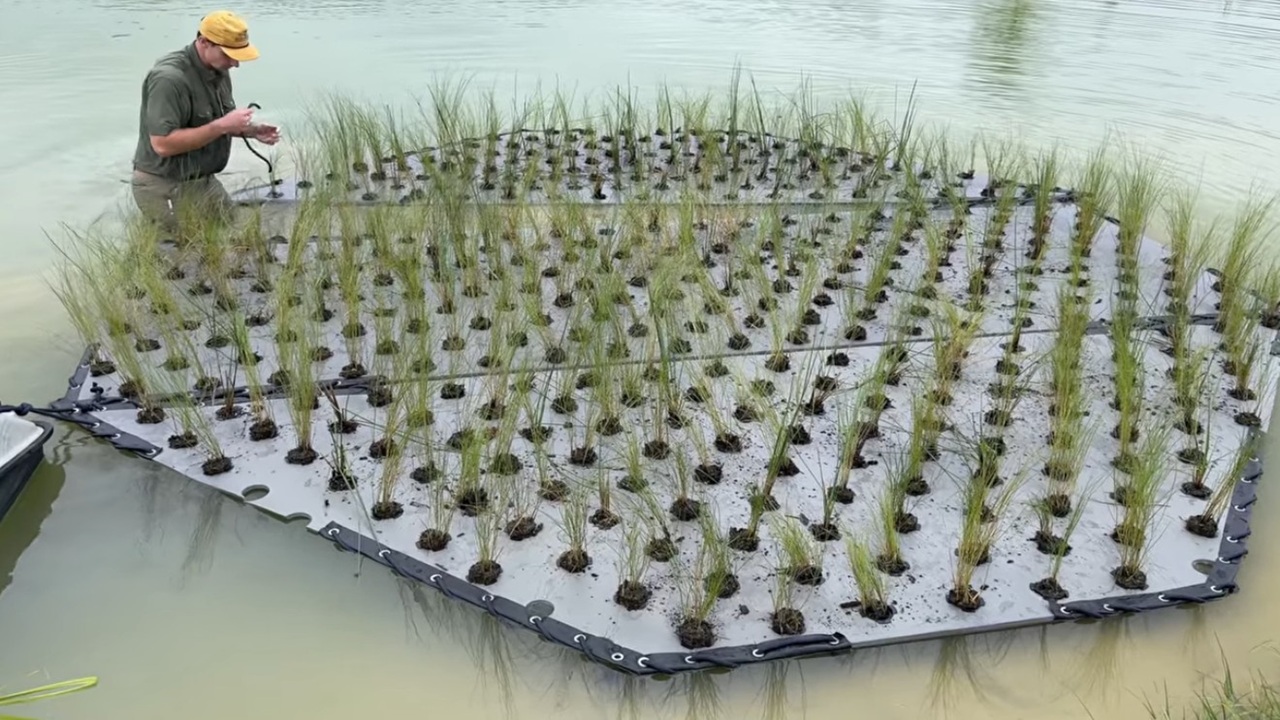
Man creates floating islands in a lake of more than 20,000 square meters and releases 10,000 baitfish.

-
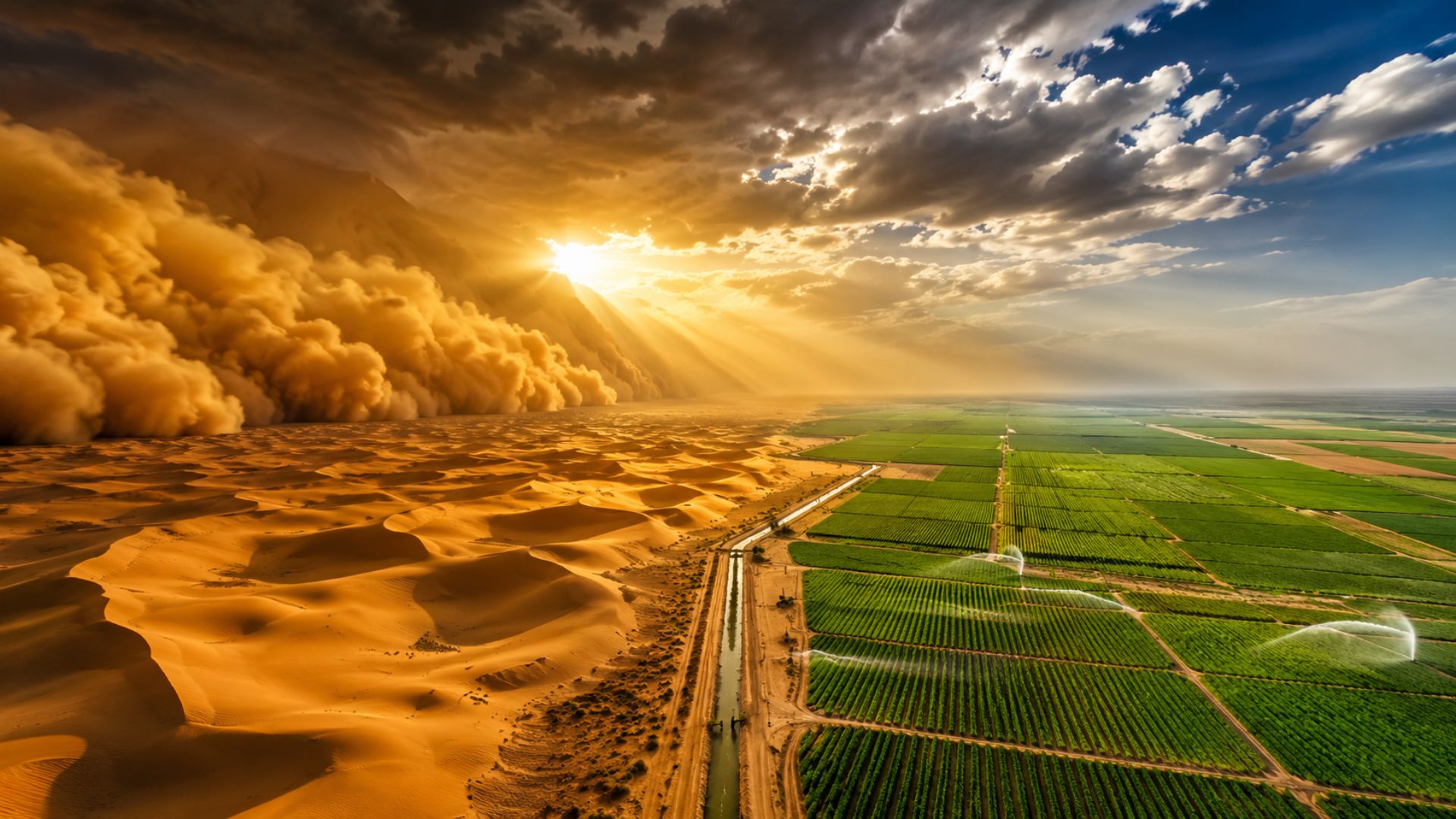
Father said it was impossible, and a storm buried the first crop overnight, but today a young Chinese man harvests alfalfa up to six times a year on 1,530 hectares of the Taklimakan Desert.


Even with the echoes of war, Socotra is trying to revive tourism and once again welcome visitors from around the world.
The “Galápagos of the Indian Ocean”
Referred to as the “Galápagos of the Indian Ocean,” the archipelago is a UNESCO World Heritage Site, thanks to its immense variety of exclusive species.
Its turquoise waters and white sand beaches create paradise-like landscapes, while mountains and arid plains host trees with exotic shapes.
About 50,000 people live in Socotra, most on the main island of the same name. The other three — Abd al Kuri, Samhah, and Darsah — are small, almost uninhabited, and known as “The Brothers.”
The geographic position is strategic: between southern Yemen and the Horn of Africa, closer to Somalia than to the Yemeni city of Aden. This location helps keep the archipelago distant from confrontations.
Political Changes and the Resumption of Tourism
The isolation began to lessen in 2020 when Socotra came under the influence of the Southern Transitional Council, a separatist group seeking to create a new state in southern Yemen.
Allied with the United Arab Emirates, the new administration has promoted tourism. Today, the main route to the archipelago is operated by Air Arabia, with weekly flights from Abu Dhabi to Hadibu, the local capital.
There is also an alternative route through Yemenia, the Yemeni airline, departing from Cairo, with a stop in Seiyun. However, this option often faces interruptions due to the civil war.
A Peaceful Paradise
Despite the instability on the mainland, the conflict has not directly impacted Socotra. The main island hosts a military base of the United Arab Emirates, but there are no records of confrontations.
Travelers who have visited the archipelago, such as comedian Fábio Porchat, describe an atmosphere of peace and hospitality.
The population primarily lives off fishing and livestock farming, and the tourist infrastructure is simple, consisting of small inns and camping areas.
The true wealth of Socotra lies in its nature.
The Biological Gem of the Indian Ocean
Isolated from the mainland for millions of years, the islands have developed unique fauna and flora. Among the 825 cataloged plant species, 307 exist only there.
The most well-known symbol is the dragon blood tree (Dracaena cinnabari), whose canopy resembles a huge inverted umbrella and whose sap is red.
Another curiosity is the cucumber tree (Dendrosicyos socotranus), with a wide trunk and succulent leaves, as well as the desert rose (Adenium obesum socotranum), which colors the arid landscape with pink tones.
These species dominate the rocky slopes and trails of the main island, where impressive landscapes like the natural spring of Homhil can be found, known for its panoramic view and crystal-clear waters.
Unique and Preserved Species
A UNESCO survey revealed that 90% of the reptiles and 95% of the land snails in Socotra are endemic — meaning they exist only there.
Among the 15 identified species of mammals, only one bat is native; the others, such as goats and donkeys, were introduced by humans.
In the seas, life is abundant. Dolphins often accompany boats and leap near deserted beaches, such as Shouab, considered the most beautiful in the region.
Socotra: Landscapes That Look Like Another World
In Arher, one of the most visited spots, the turquoise sea meets white sand dunes reaching up to 300 meters high.
The view is mesmerizing and gives the sensation of being on another planet — an absolute contrast to the wartime landscape on the mainland.
Therefore, when Anitta says that Socotra “is not artificial intelligence,” she is right. The beauty of the archipelago is real, natural, and alive.
It is one of the few places in the world where silence, isolation, and biodiversity still prevail, reminding us that peace can blossom even amid chaos.
With information from O Globo.







-

1 person reacted to this.