






 Portuguese
  Spanish


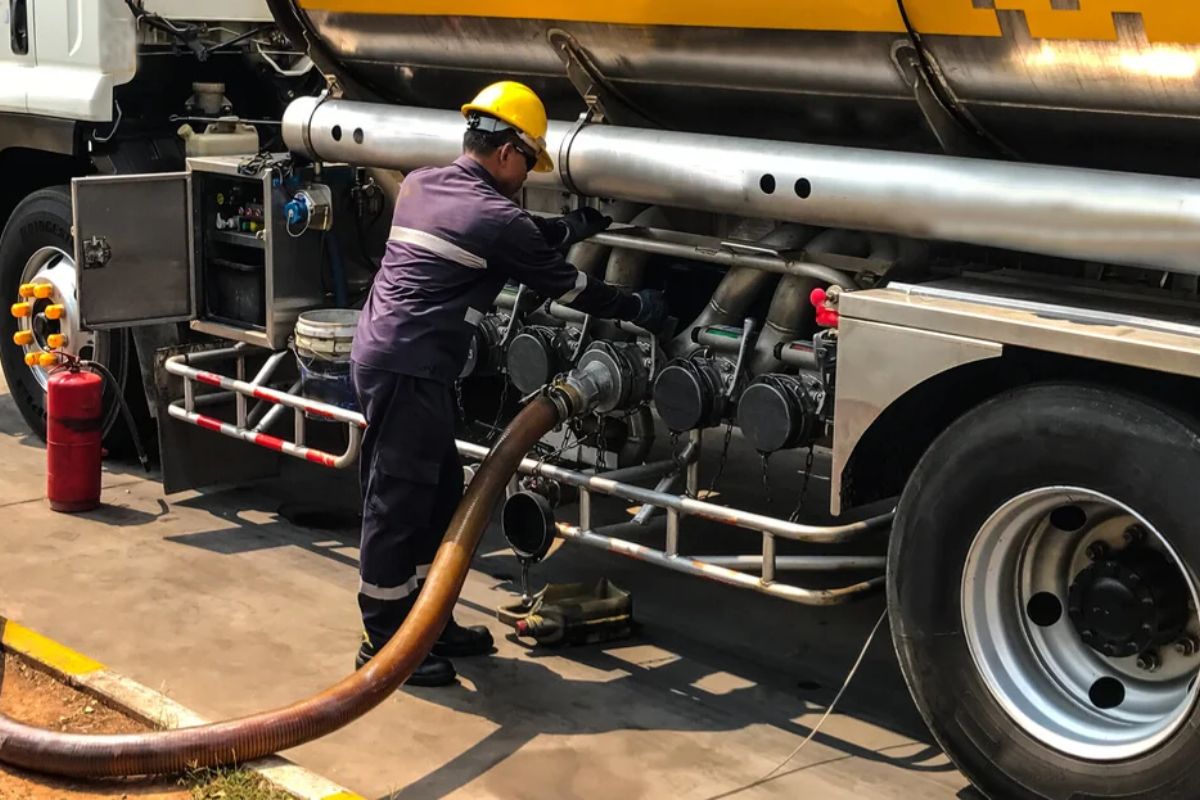

Vibra Energia Remains the Largest Fuel Distributor in Brazil, but a New Scenario of Intense Competition, with the Advancement of Regional Players, Marked the Sector in 2024.
The race for the podium in the fuel distribution market underwent a major reconfiguration in 2024. Vibra Energia (formerly BR Distribuidora) reaffirmed its position as the largest fuel distributor in Brazil, but saw its market share decline, as did its main competitors, Ipiranga and Raízen.
According to a report published based on data from the National Petroleum Agency (ANP), this retraction of the giants opened an unprecedented space for growth of regional distributors. The scenario reveals a change in strategy among the leaders, who now focus more on profit than volume, and a new and intense battle for consumer preference at the pumps.
The Scenario of 2024: A Market in Transformation
The Brazilian liquid fuel market moved an impressive 133.1 billion liters in 2024. The year was marked by a strong migration of consumers from gasoline to hydrated ethanol, whose sales soared 33.4%, driven by more competitive prices at the pump.
-
Woman Claims to Have Spotted a Technical Pattern in Recent FIFA Tournaments, Predicts Possible World Cup Winner

-
Chevrolet Offers Chance to Win a 2026 Sonic RS for Free via WhatsApp
-
Earthquake vs. Tsunami: Which Causes More Destruction and Why One Can Be Even More Dangerous
-
Hospital Cook Discovers 1,700-Year-Old Pot of 52,503 Roman Coins Using Metal Detector in Field


In this context, the three largest distributors, which together dominated almost 56% of the market in 2023, saw their combined share drop to 52% in 2024. This nearly 4 percentage point loss was absorbed by a group of smaller and more agile competitors.
Vibra Energia: The Consolidation of Leadership with a Focus on Profit
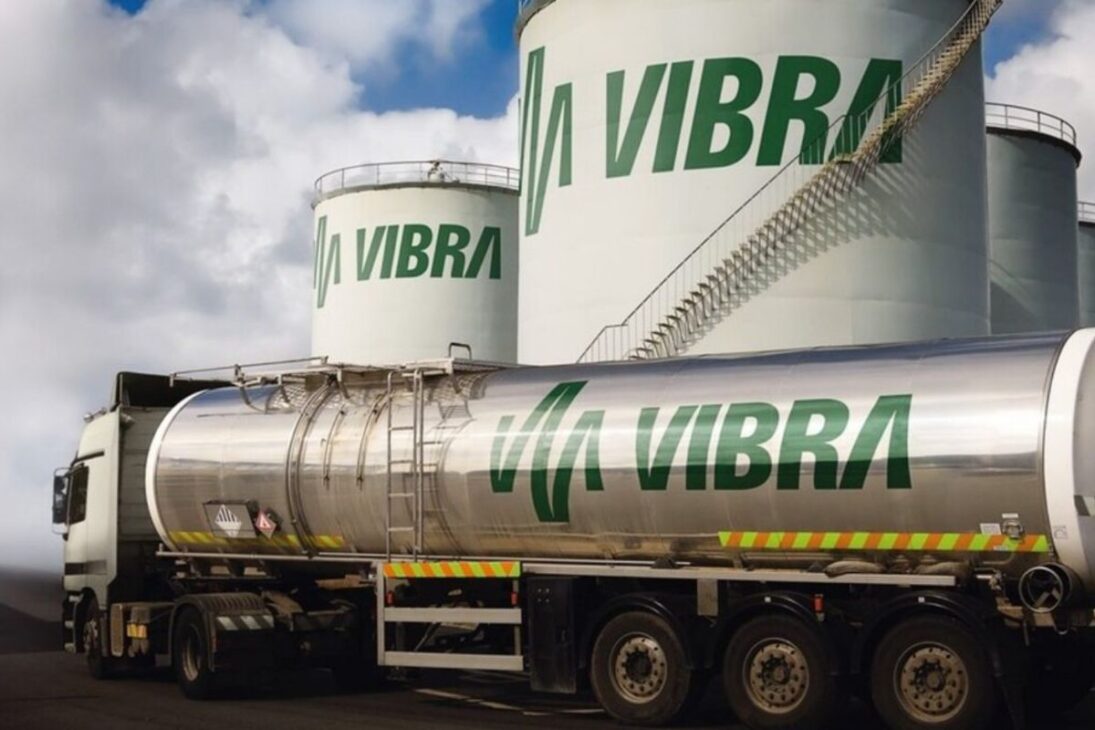
Vibra Energia ended 2024 with a 21.81% market share, comfortably retaining the position of largest fuel distributor in Brazil. Although it experienced the largest percentage drop among the leaders, the company showed that the strategy was deliberate.
The company adopted a rigorous focus on profitability, foregoing sales with low margins. The proof of the success of this strategy came in the financial results: Vibra achieved a net profit of R$ 6.4 billion in 2024, a growth of 33.6% compared to the previous year.
Ipiranga and Raízen: The Competitors on Opposite Paths
The battle for the vice-leadership also changed. Ipiranga, from the Ultrapar group, proved to be more resilient. With a smaller decline in its share, it ended the year with 15.26% of the market and surpassed its main rival, taking the second position.
On the other hand, Raízen, licensed under the Shell brand, faced the most adverse scenario. The company saw its market share fall to 14.98%, dropping to third place. According to the company’s financial reports, Raízen recorded a net loss of R$ 4.1 billion in its 2024/25 crop year, which led it to initiate a deep restructuring process.
The Rise of Regional Distributors
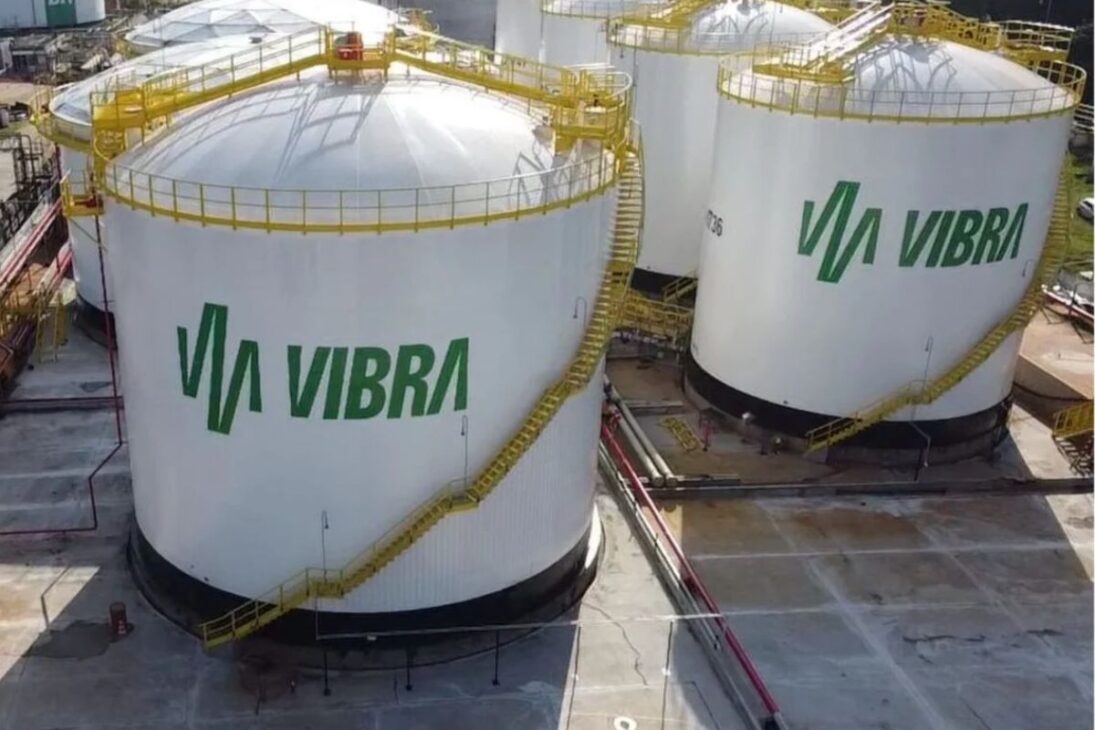
The strategic retreat of the giants opened a growth avenue for regional distributors, known as “white flags.” Companies like the Bahia-based Larco Petróleo and Petrobahia stood out, recording impressive growth and securing prominent positions in diesel and gasoline sales rankings.
This new dynamic made the race for the fourth position in the national market extremely competitive, showing that the sector is more competitive and less concentrated.
What to Expect for 2025?
For 2025, market analysts, such as those from Citi Bank, foresee a scenario of greater stabilization, with a possible market recovery by the large distributors.
A crucial factor for the health of the sector will be combating irregular practices, such as tax evasion and fuel adulteration. A fairer business environment tends to benefit formal companies and, ultimately, the consumer, ensuring better quality products and a more transparent market.


