Portuguese
  Spanish


Although both are linked to tectonic plates, earthquakes and tsunamis cause distinct impacts, varying in frequency, geographical reach, and intensity of destruction
When talking about an earthquake or tsunami, the image that comes to mind is usually the same: destroyed cities, people fleeing, and completely devastated scenes. However, despite being linked to the dynamics of tectonic plates, these two natural phenomena operate in very different ways. Therefore, understanding their characteristics helps explain why their impacts vary so much.
In general, earthquakes have accumulated more deaths throughout history. On the other hand, tsunamis stand out for causing extremely intense destruction in specific episodes. This information has been widely discussed in geoscience studies that analyze the frequency, reach, and effects of these events.
How earthquakes cause so much destruction in cities
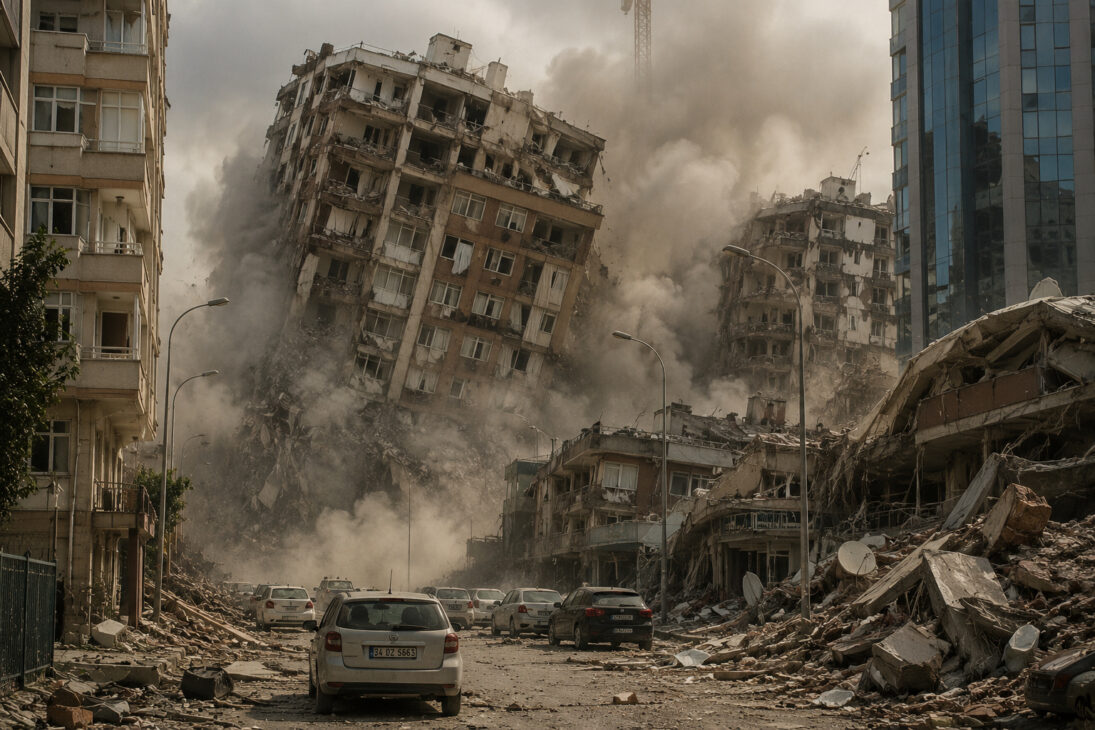
An earthquake occurs when there is a sudden movement between tectonic plates or fractures in the Earth’s crust. This displacement releases energy in the form of seismic waves, causing the ground to shake.
-
Hospital Cook Discovers 1,700-Year-Old Pot of 52,503 Roman Coins Using Metal Detector in Field

-
Salvador’s Acarajé Vendors Turn Used Frying Oil into Income by Selling it for Biodiesel Production
-
Volunteer Revives Dead Lake in Bengaluru Overnight, Doubling Water Capacity and Attracting Kingfishers and Herons
-
1909 Train Car Once Destined for Abandonment Transformed into Luxury Accommodation in the U.S. After $3,000 Restoration



However, the big problem is not just the tremor. In practice, the most severe impact occurs when buildings cannot withstand this vibration. Thus, buildings, bridges, and power grids can quickly collapse, especially in densely populated areas.
Furthermore, other factors worsen the situation. Ruptures of gas pipelines, electrical failures, and fires make the scenario even more critical. As a consequence, even after the tremor ends, the damage continues for hours or even days.
Historical events reinforce this pattern. The Lisbon earthquake in 1755, the Mexico City earthquake in 1985, and the Sichuan earthquake in 2008 demonstrate how the combination of population density and vulnerable infrastructure drastically increases the number of victims.
Therefore, in many cases, deaths do not occur directly from the tremor, but rather from the collapses and fires that follow.
Why the tsunami is so devastating in coastal regions
Unlike earthquakes, tsunamis usually arise after an underwater tremor or a volcanic eruption at the sea bottom. This process displaces enormous volumes of water and generates waves that travel across the ocean at high speed.
In open sea, these waves are hardly noticeable. However, as they approach the coast, the situation changes completely. The water compresses, the height increases, and the energy concentrates in a narrow strip of the shoreline.
As a result, the impact is devastating. The tsunami sweeps away houses, vehicles, and entire structures in just a few minutes. Additionally, the main cause of death is related to drowning and the force of the waves.
Another critical factor is reaction time. In many cases, there are only a few minutes between the alert and the arrival of the wave. Therefore, evacuation becomes extremely difficult, especially in regions without effective warning systems.
The Indian Ocean tsunami in 2004 exemplifies this scenario. After a strong earthquake near the island of Sumatra, giant waves hit countries like Indonesia, Sri Lanka, India, and Thailand. In a few hours, hundreds of thousands of people died, making it one of the greatest natural tragedies in recent history.
Earthquake or tsunami: which is more destructive?
The answer depends on the criterion analyzed. Historically, earthquakes are more lethal, mainly because they occur more frequently and hit large urban centers in different regions of the world.
On the other hand, tsunamis are rarer but cause extreme destruction in specific events. In a few minutes, they can devastate entire cities along the coast.
See the main differences:
- Frequency: earthquakes happen more regularly; tsunamis are rarer
- Reach: earthquakes affect continental and urban areas; tsunamis impact coastal regions
- Historical lethality: higher in earthquakes due to frequency
- Point destruction: higher in tsunamis in isolated events
- Survival: depends on safe constructions in the case of earthquakes and quick evacuation in the case of tsunamis
Therefore, while the earthquake kills more over time, the tsunami impresses with the intensity and speed of destruction.
How to reduce the impacts of these natural disasters
Despite the strength of these phenomena, there are ways to reduce their effects. In the case of earthquakes, stricter building codes and proper urban planning make all the difference.
As for tsunamis, investment in monitoring systems and early warnings is essential. Additionally, educating the population about escape routes can save thousands of lives.
In general, the combination of technology, planning, and information significantly reduces the damage.
Thus, even in the face of extreme events, society can increase its response capacity and reduce human losses.
In your opinion, which of these phenomena causes more fear: the immediate impact of the earthquake or the unpredictable force of a tsunami?