






 Portuguese
  Spanish


In Salvador, the used frying oil that was going down the drain and into the Baía de Todos-os-Santos has turned into money and fuel. In a program by the City Hall with Petrobras, the acarajé vendors sell the residue for R$ 3 per kilo to cooperatives, which pass it on to become biodiesel.
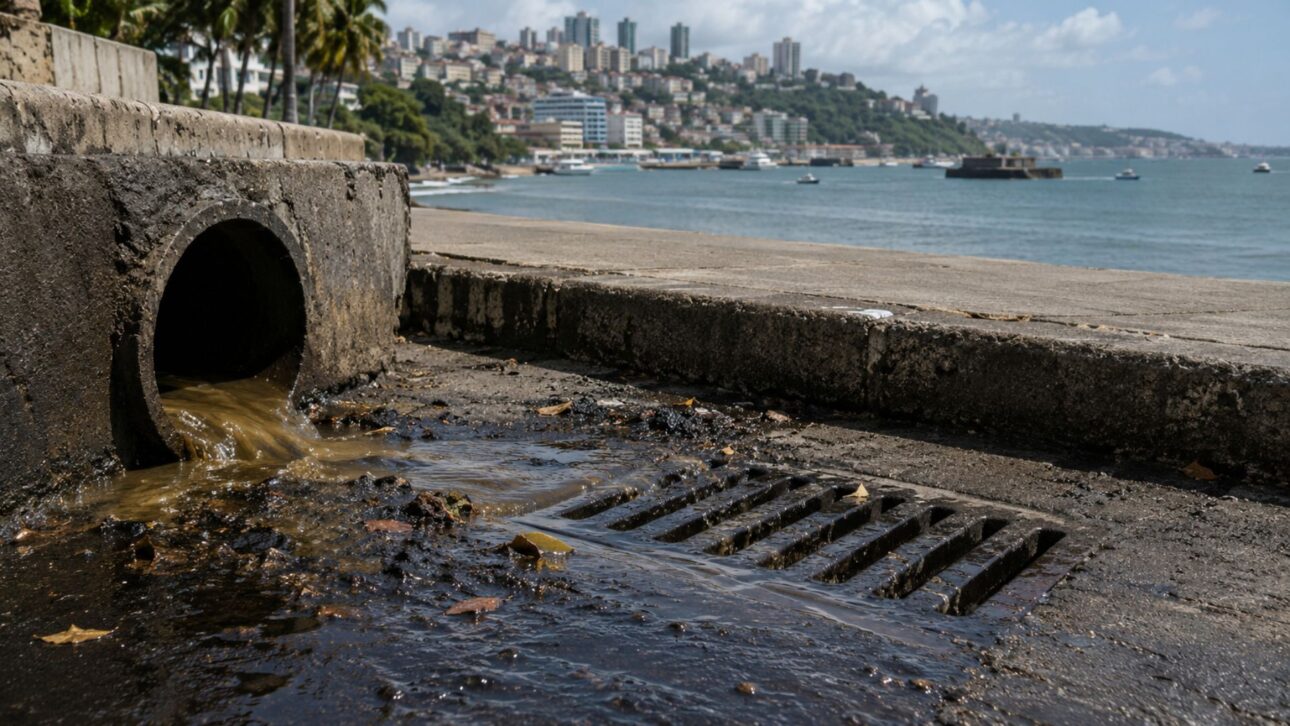
The baiana’s tray fries acarajé all day, and each frying session leaves a problem behind: the used oil. Previously thrown away, this oil would flow down the drain and contribute to polluting the Baía de Todos-os-Santos, clogging pipes and polluting the water. Now, this same residue has become a small source of income and the raw material for a cleaner fuel.
According to Alô Alô Bahia, the City Hall of Salvador and Petrobras Biocombustível launched in June 2026 a program to collect and reuse used frying oil. In the model, cooperatives buy the oil from the acarajé vendors for R$ 3 per kilo and then resell the material to Petrobras. The final destination is the production of biodiesel.
How the used frying oil program works
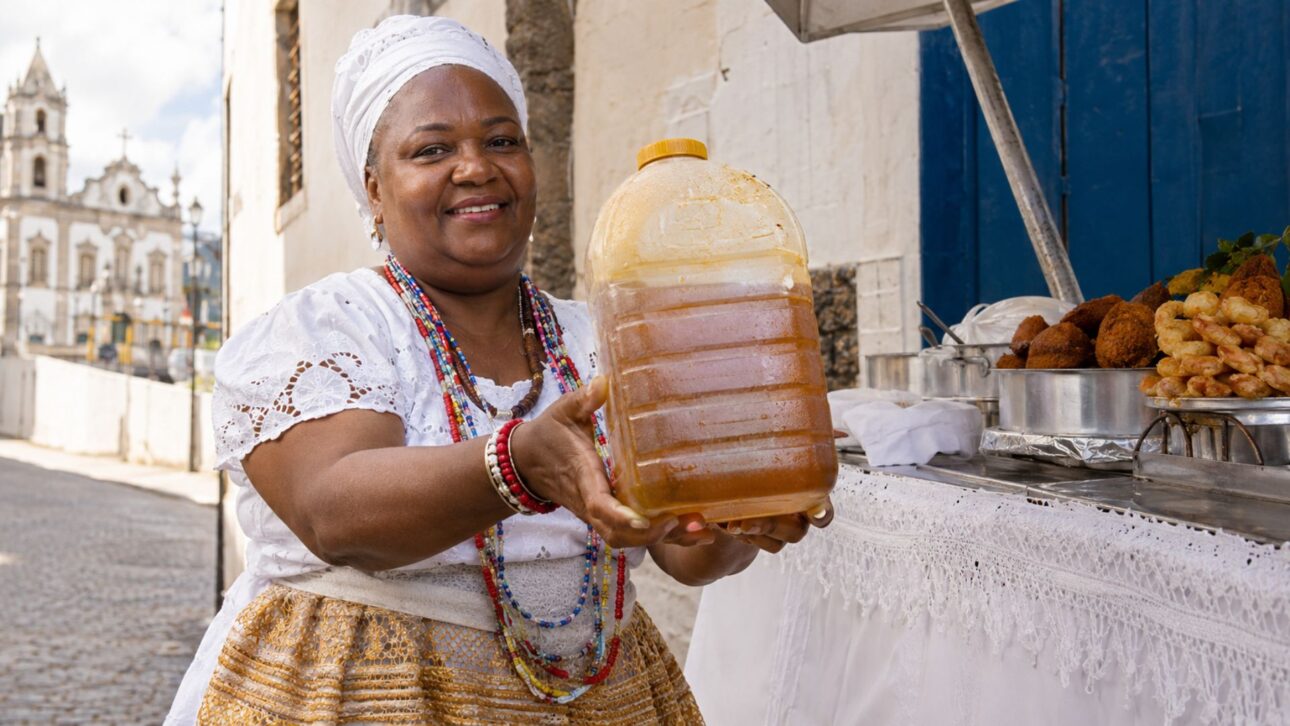
In the first, the acarajé vendor saves the used frying oil instead of discarding it in the sink.
-
Volunteer Revives Dead Lake in Bengaluru Overnight, Doubling Water Capacity and Attracting Kingfishers and Herons

-
1909 Train Car Once Destined for Abandonment Transformed into Luxury Accommodation in the U.S. After $3,000 Restoration

-
86-Year-Old Brazilian Man Starts Homemade Bread Business After Learning from TV Recipe

-
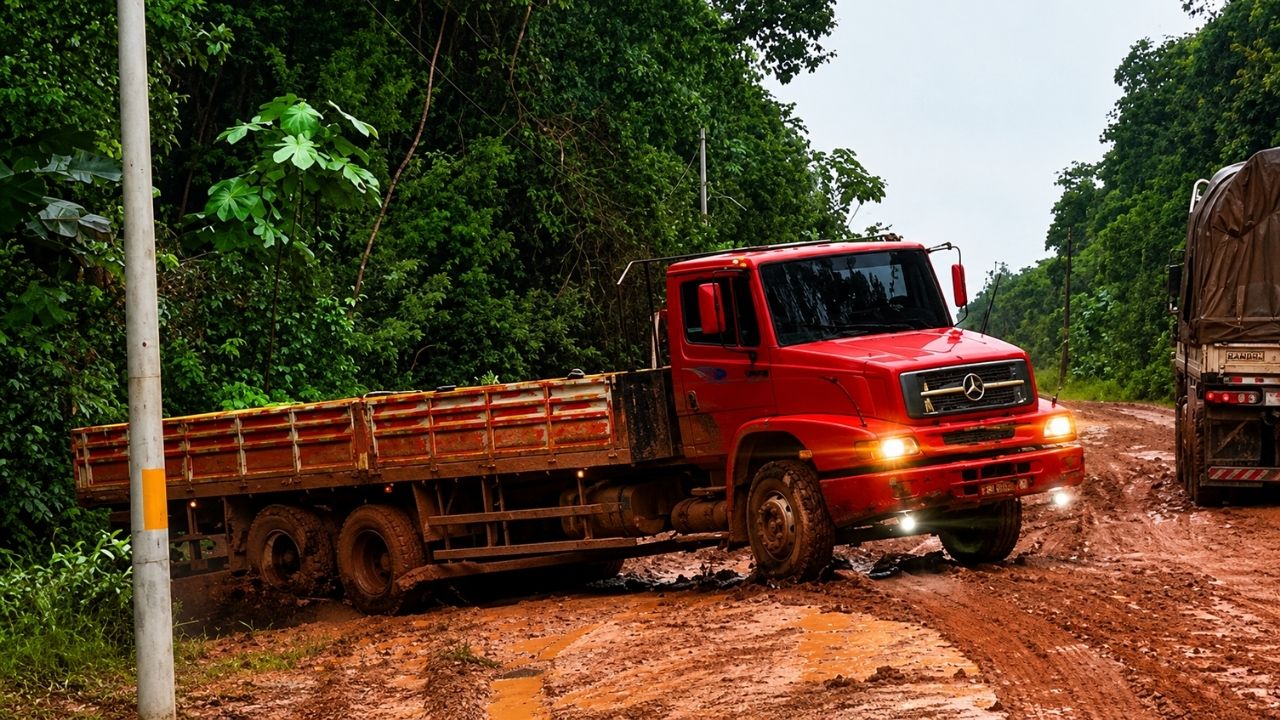
Drivers Struggle with Mud on Amazon Highway as Truck Skids and Blocks Road During Rainy Season


Registered cooperatives come to collect this oil and pay R$ 3 per kilo collected from the vendors.
Restaurants and other businesses also join the scheme, but with a payment of R$ 2 per kilo.
Then, the cooperatives resell all the used frying oil to Petrobras Biocombustível.
The price paid by the company varies with the market, but is around R$ 7 per kilo of the product.
Thus, what was once waste passes through several hands and generates income at each stage of the chain.
R$ 3 per kilo: the extra income for the acarajé vendors
For those who live off the tray, every extra gain counts.
The acarajé vendors are a cultural heritage of Salvador and Bahia, and now they have an extra income.
Instead of paying to discard or simply throwing away, they start selling the used frying oil.
In the pilot project that preceded the launch, about 100 acarajé vendors were already participating in the model.
The value of R$ 3 per kilo doesn’t make anyone rich, but it turns a cost into a small revenue.
For the acarajé vendors, it’s money that comes from a material that used to be just a hassle.
The logic is simple: the frying residue stopped being a problem and became an item for sale.
The waste pickers’ cooperatives and the new source of income
On the other side of the collection are the cooperatives, a central piece of the program.
These are waste pickers’ cooperatives responsible for collecting the used frying oil throughout the city.
For them, the program opens a new line of income, added to the recycling of other materials.
Petrobras Biocombustível was already working with cooperatives in Bahia and Minas Gerais before this agreement.
The novelty is that this is the company’s first initiative in direct partnership with a city hall.
Including the waste pickers in the biodiesel chain is what gives the program a social character, not just an environmental one.
It’s the circular economy generating work instead of just reusing material.
From residue to biodiesel: the path of the oil
The used frying oil is collected, filtered, and sent to Petrobras’ unit in Candeias, Bahia.
There, it undergoes an industrial process that converts it into biodiesel, a renewable fuel.
Biodiesel is mixed with regular diesel and helps reduce pollutant emissions in vehicles.
Using already discarded oil as a raw material avoids spending new plantations just to make fuel.
It is a case where waste from one end becomes a valuable input on the other, without waste.
The same oil that fried the acarajé can end up powering a truck on the roads.
Why removing oil from the Bay of All Saints matters
The environmental side may be the most urgent part of the story.
When it goes down the drain, cooking oil contaminates the water and is difficult to treat.
It is estimated that a single liter of discarded oil can pollute thousands of liters of water.
In Salvador, a large part of this waste ended up in the Bay of All Saints, worsening marine pollution.
The oil also sticks to pipes, causes blockages, and increases sanitation costs.
Collecting used frying oil before it reaches the water protects the bay and the sewage system.
It’s an environmental gain that starts with a simple action inside each acarajé stall.
The goal: from 4 to 30 to 40 tons per month
The numbers show the ambition of the program.
In the year before the launch, the collection in the pilot model totaled about 4 tons of oil.
With the official program, the expectation is to expand the collection to something between 30 and 40 tons per month.
This leap depends on registering more acarajé vendors, restaurants, and cooperatives throughout the city.
For Petrobras, used frying oil is another source to supply biodiesel production.
The model connects a global agenda, the energy transition, to the daily life of an acarajé stall.
It’s cleaner energy coming, literally, from the Bahian kitchen.
What the case of used frying oil from Salvador shows
The program is a good example of how to combine income, recycling, and energy in a single policy.
It shows that even used frying oil from an acarajé tray can become fuel and money.
But it’s worth keeping your feet on the ground.
The program was launched in June 2026, so the goals of 30 to 40 tons still need to be realized.
The R$ 3 per kilo is a modest supplementary income, not a financial transformation for the vendors.
And the price paid by Petrobras varies with the market, which can affect the cooperatives’ accounts.
Even so, few cases summarize so well how transforming waste into biodiesel can generate income and clean a city.
From an acarajé stand to the Candeias unit, Salvador bet that used oil is worth much more than it seems.
And you, do you know where the used cooking oil from your home or neighborhood goes? Comment here if your city should have a program to transform used cooking oil into biodiesel like Salvador’s.


