Portuguese
  Spanish


A Unique Biodiversity Sanctuary in the World, the Pantanal Pulses to the Rhythm of the Waters, but Faces the Growing Pressure of Agribusiness and Climate Change That Place Its Future at Risk.
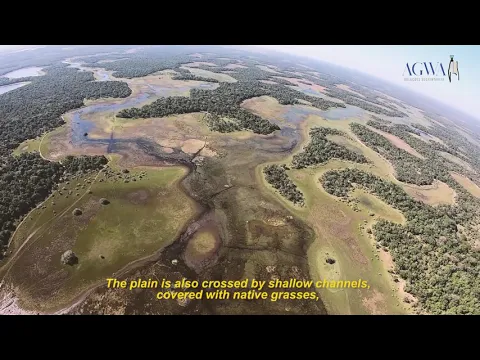
In the heart of South America, Brazil is home to a natural treasure of continental proportions: the Pantanal. Recognized as the largest floodplain on the planet, this vast area is a sanctuary for more than 2,500 species of plants and animals. Its rhythm is dictated by the pulse of the waters, an annual cycle of floods and droughts that renews life. However, this vital ecosystem faces a critical crossroads, threatened by the expansion of agribusiness and the accelerated impacts of climate change.
What Makes the Pantanal Unique?
The Pantanal is a monumental ecosystem. It occupies about 150,355 square kilometers of Brazilian territory, a vast low-lying plain. Its identity, however, comes from its function as a meeting point. The biome receives direct influences from the Amazônia, Cerrado, Atlantic Forest, and Chaco. This confluence is the force behind its extraordinary biological richness, harboring about 2,000 species of plants, 463 of birds, 263 of fish, 132 of mammals, 113 of reptiles, and 41 of amphibians.
The defining characteristic of the Pantanal is its hydrological cycle, the “pulse of flooding”. It is not just a simple flood but a slow and predictable rhythm of rising and falling waters. This pulse is fed by rains and, critically, by “flying rivers” – corridors of moisture generated by the Amazon Rainforest. Any disturbance in the Amazon is an existential threat to the Pantanal’s water regime. During floods, nutrients are spread, fertilizing the plain and sustaining the entire food chain.
-
Neon Blue Glow in Brazilian Waters Captivates Locals and Goes Viral, Unveiling Rare “Sea Fire” Phenomenon

-
Forgotten Map Leads Diver to Shipwreck with Gold, Rare Jewels, and Secrets Hidden for Nearly 350 Years
-
Furong: The 2,000-Year-Old Chinese City Built on a 60-Meter Waterfall Becomes a Global Tourist Phenomenon

-
YouTube Inventor Dubbed “Real-Life Tony Stark” Builds Robotic Legs for Father’s Day, Creating a Wheelchair That Conquers Stairs and Rough Terrain



Agribusiness and the Climate Crisis
The main threat to the Pantanal comes from outside it. The deforestation in the Cerrado highlands, at the headwaters of the Upper Paraguay Basin, causes erosion and siltation of the rivers. The case of the Taquari River is emblematic. Sediments from upstream agriculture have blocked its course, causing a permanent flooding of 11,000 square kilometers, resulting in an environmental and economic disaster.
In addition to siltation, a “chemical tide” of pesticides contaminates the rivers. Analyses find hazardous substances such as carbendazim, which has cancer-causing potential, and 2,4-D, a component of “Agent Orange”. This contamination poisons the water, affects wildlife, and undermines the production of local communities.
Climate change acts as a catalyst for this crisis. Global warming has made conditions for extreme fires four to five times more likely. The dry season is longer and harsher, and the fire season starts earlier, turning dry vegetation into fuel for mega-fires that the ecosystem cannot withstand.
The Incredible Resilience of the Fauna and Flora of the Largest Floodplain on the Planet
Despite the threats, life in the Pantanal is an example of adaptation. Plants have developed strategies to survive the extremes of water and fire. Many have special tissues (aerenchymas) that bring oxygen to submerged roots. Others have thick bark and robust underground systems to resist and regrow after fires.
Animals primarily exhibit behavioral adaptations. During floods, terrestrial species such as jaguars and capybaras seek refuge in the “highlands”, the higher areas. In dry times, wildlife concentrates around the remaining water sources. The real danger is not the cycle of fire and water, but the human disturbance that alters the rhythm, scale, and intensity of these natural events.
How to Save the Largest Floodplain on the Planet?
The conservation of the Pantanal depends on the appreciation of those who live in it. Traditional communities – pantaneiros, riverside dwellers, quilombolas, and indigenous peoples – have deep ecological knowledge and act as true “guardians” of the biome. Ensuring their territorial rights is an effective conservation strategy.
Sustainable ecotourism emerges as a powerful economic tool. By generating income through wildlife observation, it provides a financial incentive for owners and communities to preserve nature. Traditional cattle ranching is also reinventing itself. Protocols such as “Sustainable Pantanal Farm” and labels like “Sustainable Meat from the Pantanal” promote practices that reconcile production and conservation, adding value to the product and protecting the ecosystem.
Urgent Actions for the Conservation of the Pantanal

Protecting the Pantanal requires a united front. NGOs such as SOS Pantanal and Instituto Homem Pantaneiro (IHP) are crucial for monitoring, managing protected areas, and fighting fires. However, only 4% of the biome is in official Conservation Units, with the majority of its preserved area in private lands.
To reverse the trajectory of degradation, coordinated actions are necessary. The government needs to adopt a management that encompasses the entire watershed, enforce the Forest Code, and implement an integrated fire management policy. Agribusiness must adopt sustainable practices and ensure deforestation-free production chains. Civil society and science should continue to monitor and give voice to local communities. A “Great Pact for the Pantanal” is needed, transforming the crisis into an opportunity for Brazil to lead by example in nature-based solutions.